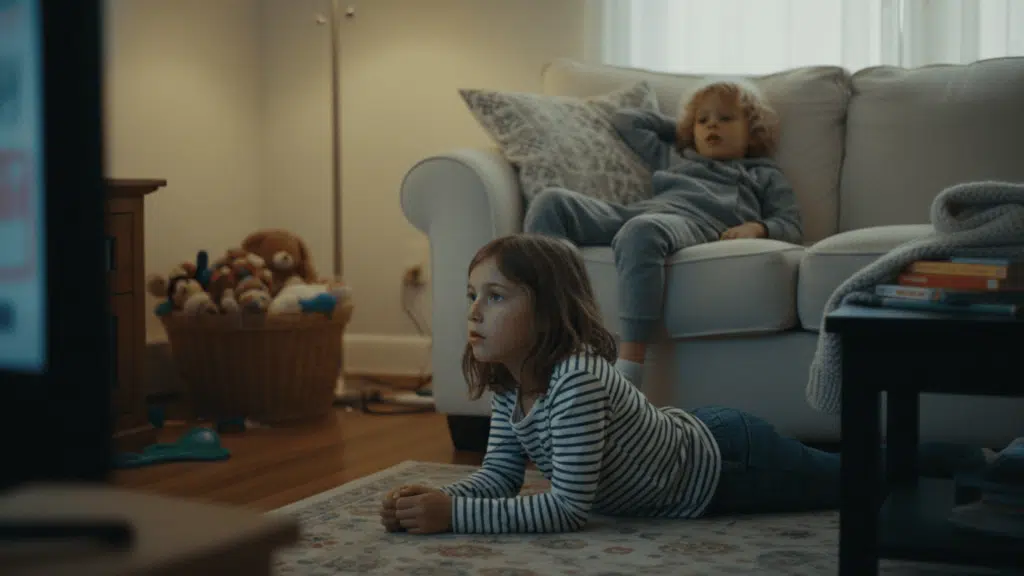
Parents know screen time is a concern. But not all shows are created equal.
Quality educational shows can teach children letters, numbers, science, and social skills. The key is choosing content that matches your child’s age and learning needs.
Shows that combine fun with real learning help kids grow while they watch. They can boost vocabulary, improve problem-solving skills, and foster empathy. The best programs keep children engaged without overstimulation.
This guide shares the best educational shows for kids across multiple age groups. You’ll find where to find each show, what skills it teaches, and why it benefits your child.
From preschool basics to STEM concepts, we’ve covered every learning stage.
Let’s find the perfect programs for your family.
Early Learning & Preschool Programs
These shows help young children build basic skills, such as letters, numbers, and social behaviors. They use simple language and bright visuals that hold attention without overwhelming little minds.
1. Sesame Street
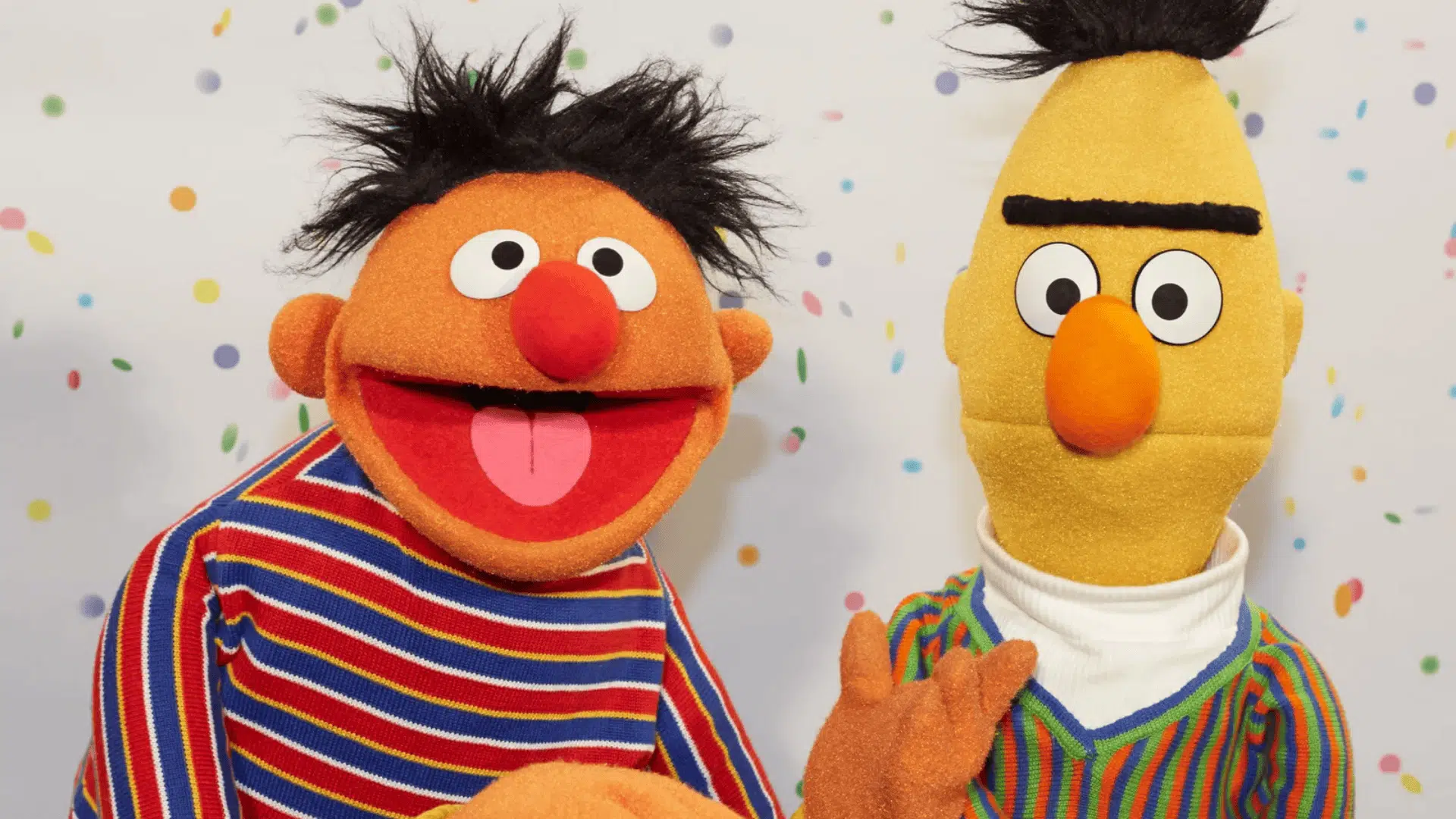
Image Source: Britannica
Sesame Street teaches early literacy, basic math, and emotional skills. Kids learn letter sounds, counting, and how to identify feelings. The show uses songs and repetition to help concepts stick.
Characters like Elmo and Big Bird model kindness and problem-solving. The show features children from diverse backgrounds, helping kids understand diversity. Episodes tackle real-world topics like sharing, patience, and trying new things.
Parents love that Sesame Street has decades of research backing its methods. It works for toddlers through early elementary ages.
Where to Watch: HBO Max, YouTube, PBS
2. Blue’s Clues & You
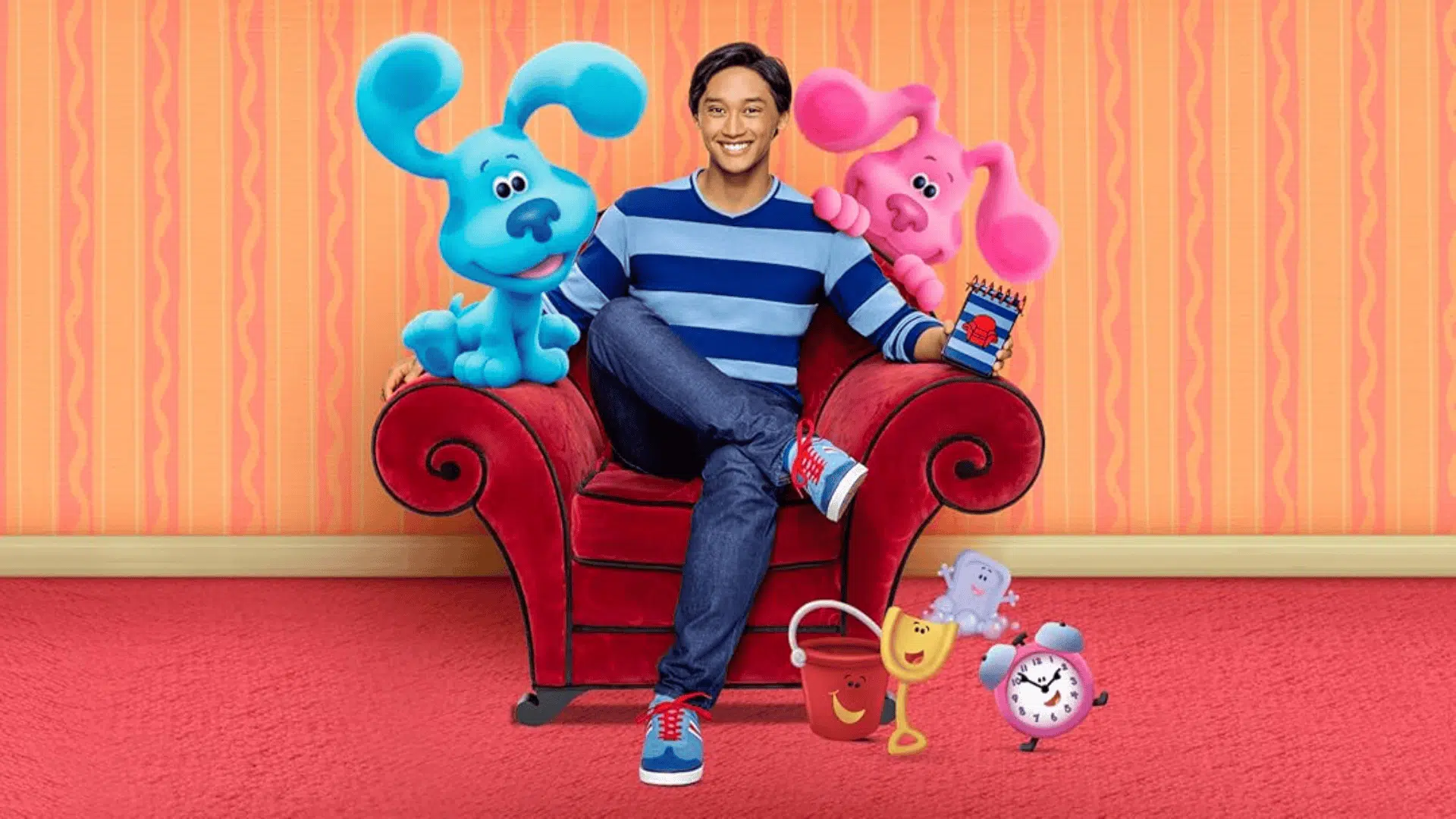
Image Source: PrimeVideo
Blue’s Clues & You teaches problem-solving and critical thinking through interactive play. Kids search for clues alongside the host to solve simple mysteries. The show pauses to let children respond, which builds engagement.
Each episode follows a clear pattern that helps young viewers predict what comes next. This structure builds confidence and logical thinking. The show covers colors, shapes, patterns, and basic reasoning.
The interactive format keeps kids actively involved instead of passively watching. Parents appreciate how the show encourages kids to think through problems step by step.
Where to Watch: Paramount+, Nickelodeon, Youtube
3. Daniel Tiger’s Neighborhood
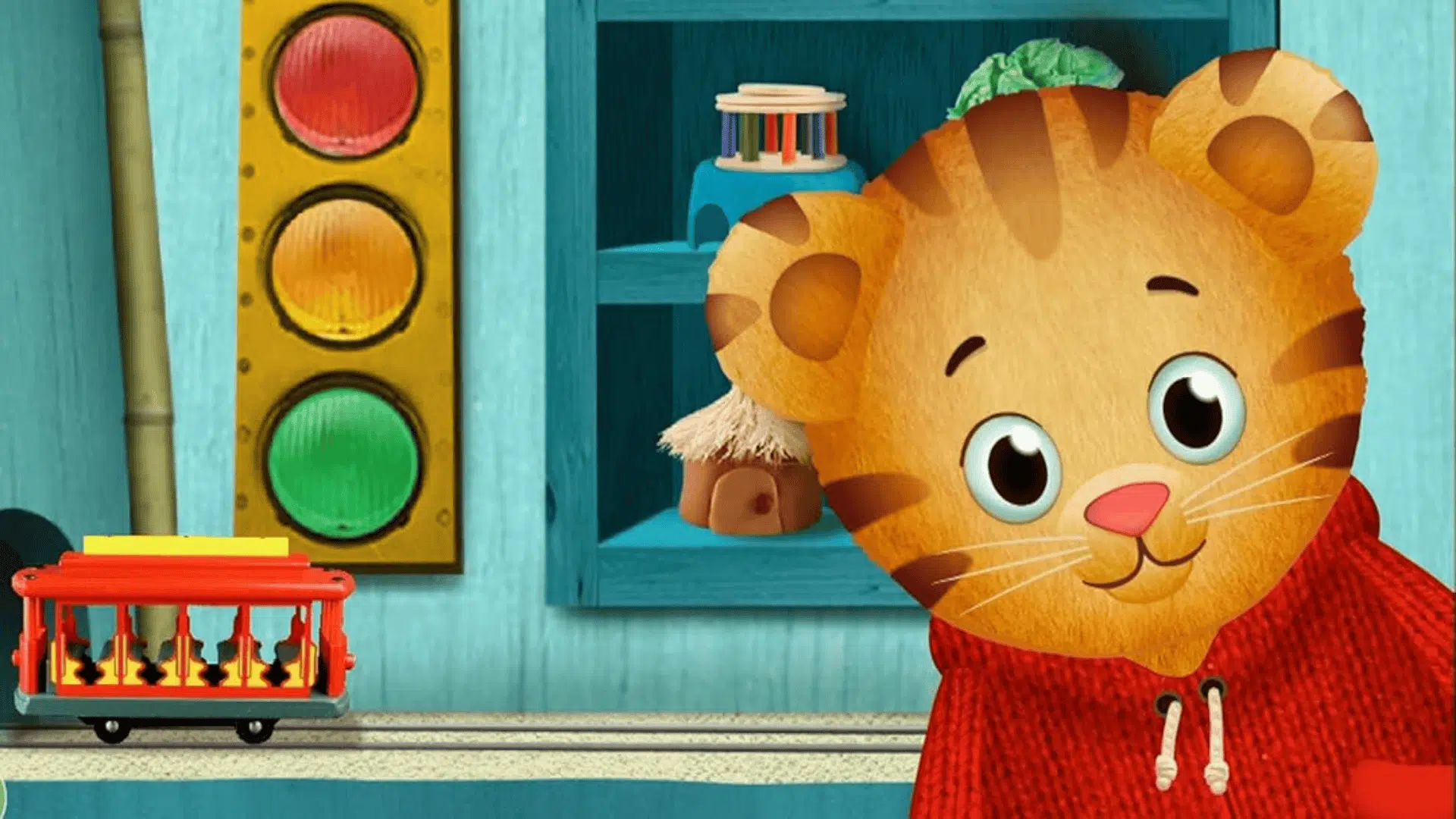
Image Source: PrimeVideo
Daniel Tiger’s Neighborhood teaches emotional regulation and social skills. Kids learn how to handle big feelings like anger, frustration, and disappointment.
The show uses simple songs that children can repeat when they face similar situations.
Each episode focuses on one social-emotional lesson. Topics include sharing, waiting your turn, and expressing feelings with words. The gentle pacing works well for sensitive or anxious children.
Daniel Tiger models healthy ways to process emotions. The show gives kids language to describe what they’re feeling. Parents find the strategies helpful for real-life parenting moments.
Where to Watch: PBS Kids, Apple TV+, YouTube
4. Super Simple Songs
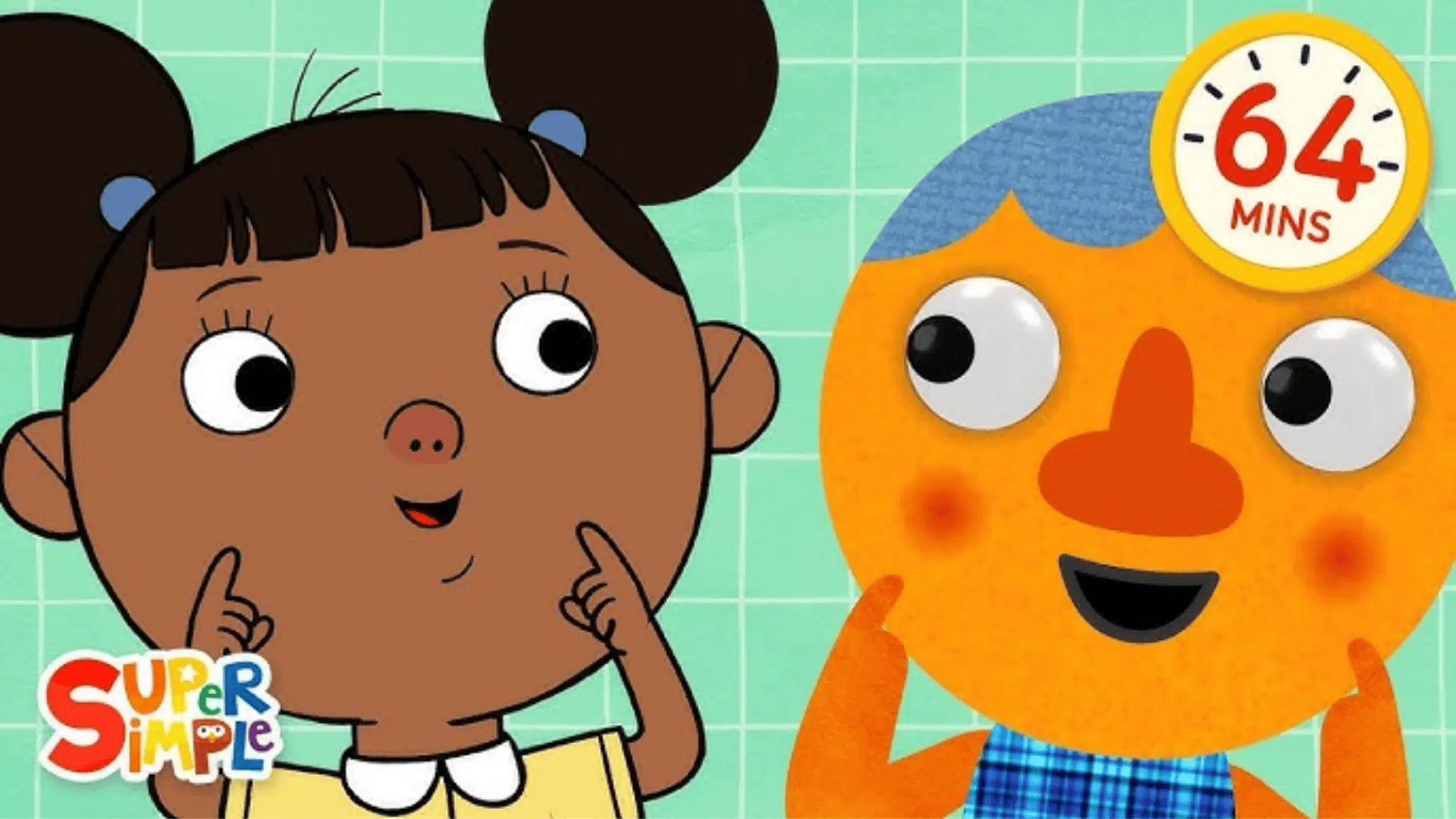
Image Source: Super Simple Songs
Super Simple Songs teaches language development, rhythm, and basic concepts through music. Toddlers learn colors, numbers, animal sounds, and daily routines. The songs use repetition and simple melodies that kids can sing along to easily.
Music helps children remember information better than spoken words alone. The videos include bright animations that match the lyrics. Topics range from the alphabet to hand-washing routines.
Parents use these songs during transitions, car rides, and quiet time. The channel offers hundreds of free videos for different learning needs. Many songs incorporate movement, which helps active learners stay engaged.
Where to Watch:YouTube
5. Pocoyo
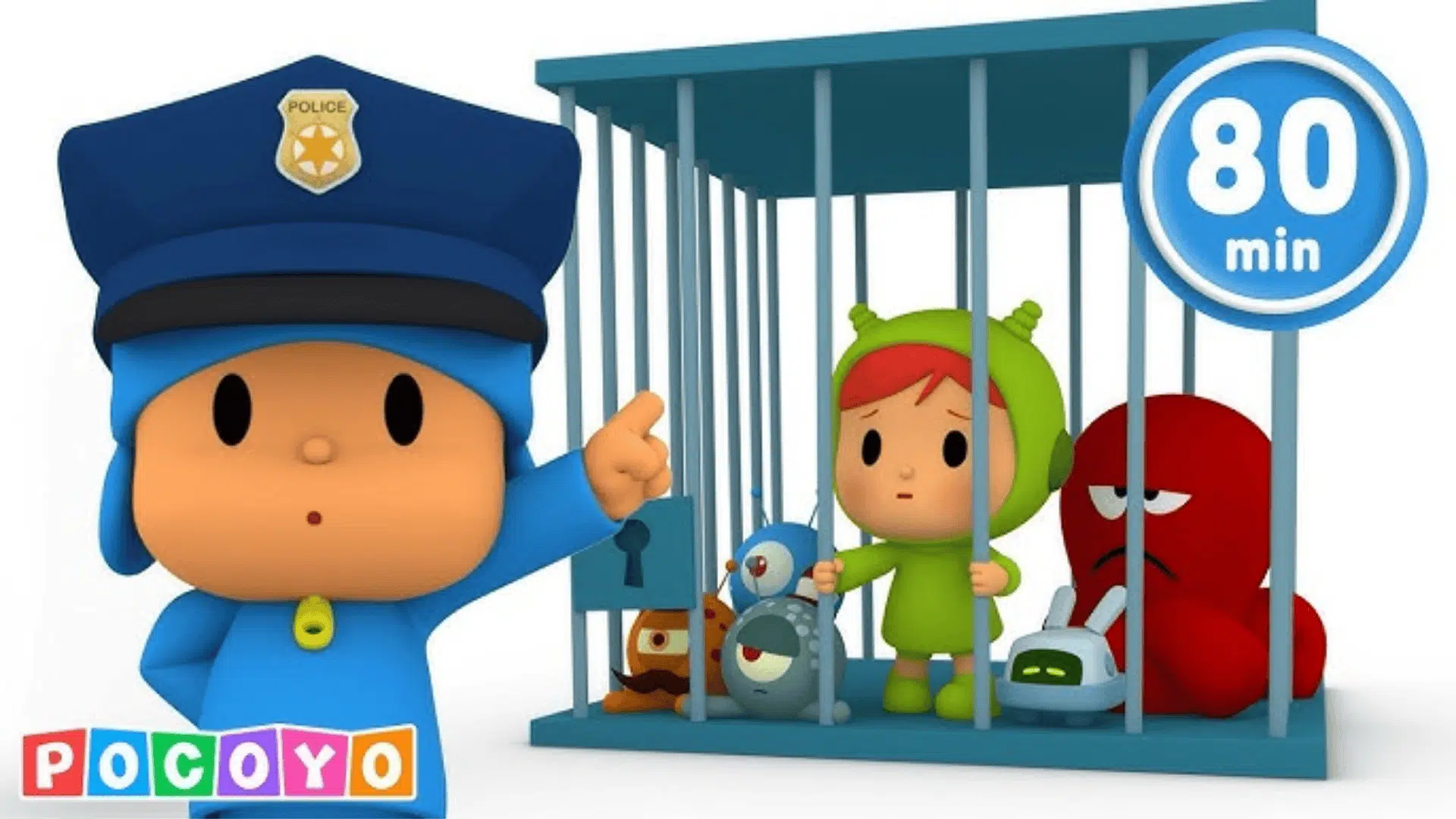
Image Source: Pocoyo English
Pocoyo teaches curiosity and exploration through a curious young character. The show uses minimal dialogue, which works well for very young children or multilingual families. Kids learn through observation and cause-and-effect scenarios.
The simple, clean animation style helps children focus on the story without distraction. Episodes are short, which matches toddler attention spans. Pocoyo and friends model cooperation, sharing, and gentle conflict resolution.
The narrator explains what’s happening in simple terms. This approach helps children connect actions to words. Parents appreciate the calm pace and lack of overstimulation.
Where to Watch: Netflix, YouTube
Science, Nature & Curiosity Building Shows
These shows spark wonder about the natural world. They teach kids about animals, ecosystems, and how things work through exploration and scientific thinking.
6. Octonauts
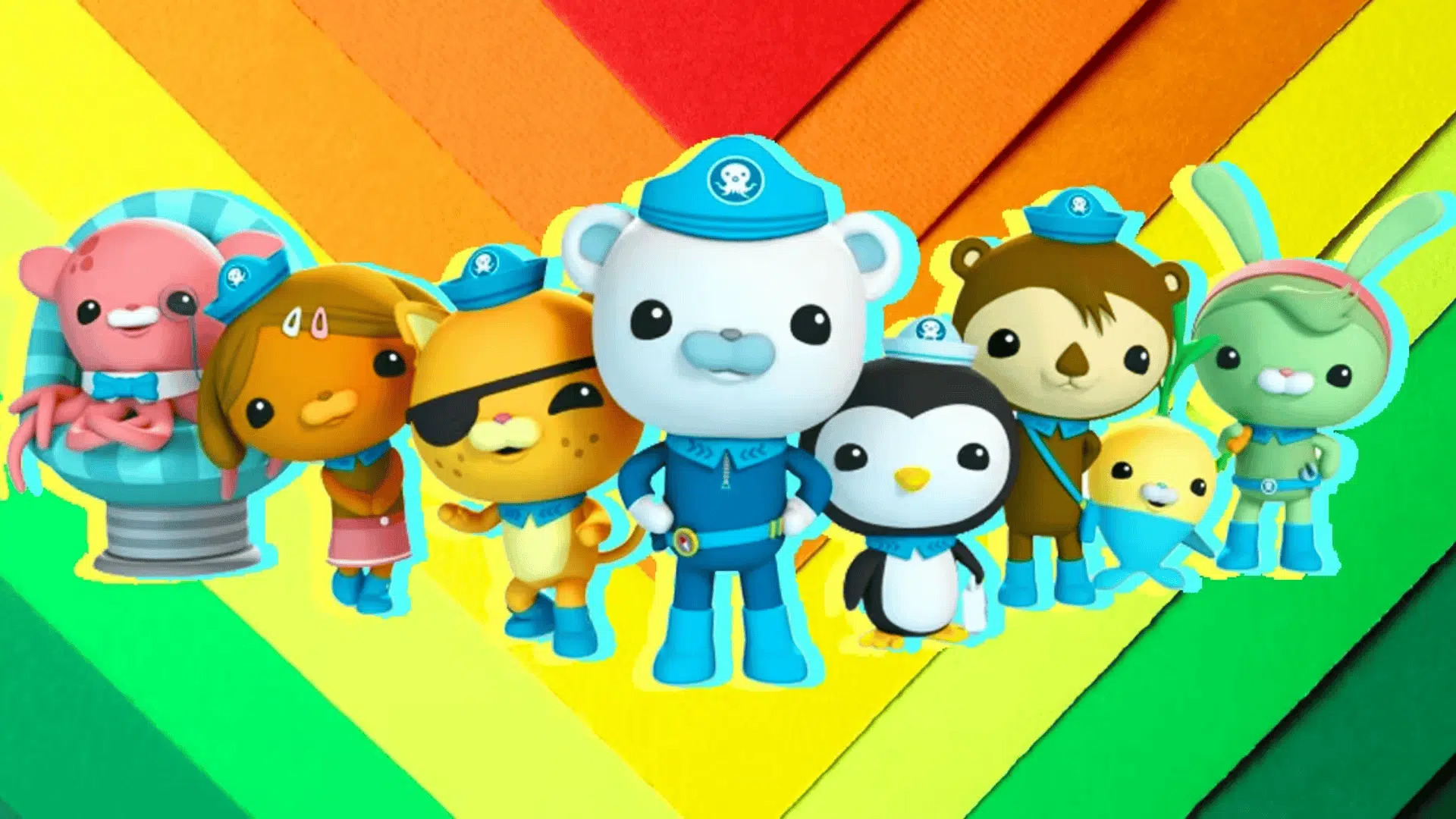
Image Source: Fatherly
Octonauts teaches marine biology and ocean exploration through underwater adventures. Kids learn about sea creatures, habitats, and ocean ecosystems. Each episode features a different animal and its unique characteristics.
The show combines action with real science facts. Characters work together to solve problems and help animals in need. This teaches teamwork and environmental awareness.
Children build vocabulary related to marine life and science concepts. The Creature Reports at the end of each episode offer real photographs and facts. Parents appreciate how the show sparks interest in nature and conservation.
Where to Watch: Netflix, Disney+, YouTube
7. Magic School Bus Rides Again
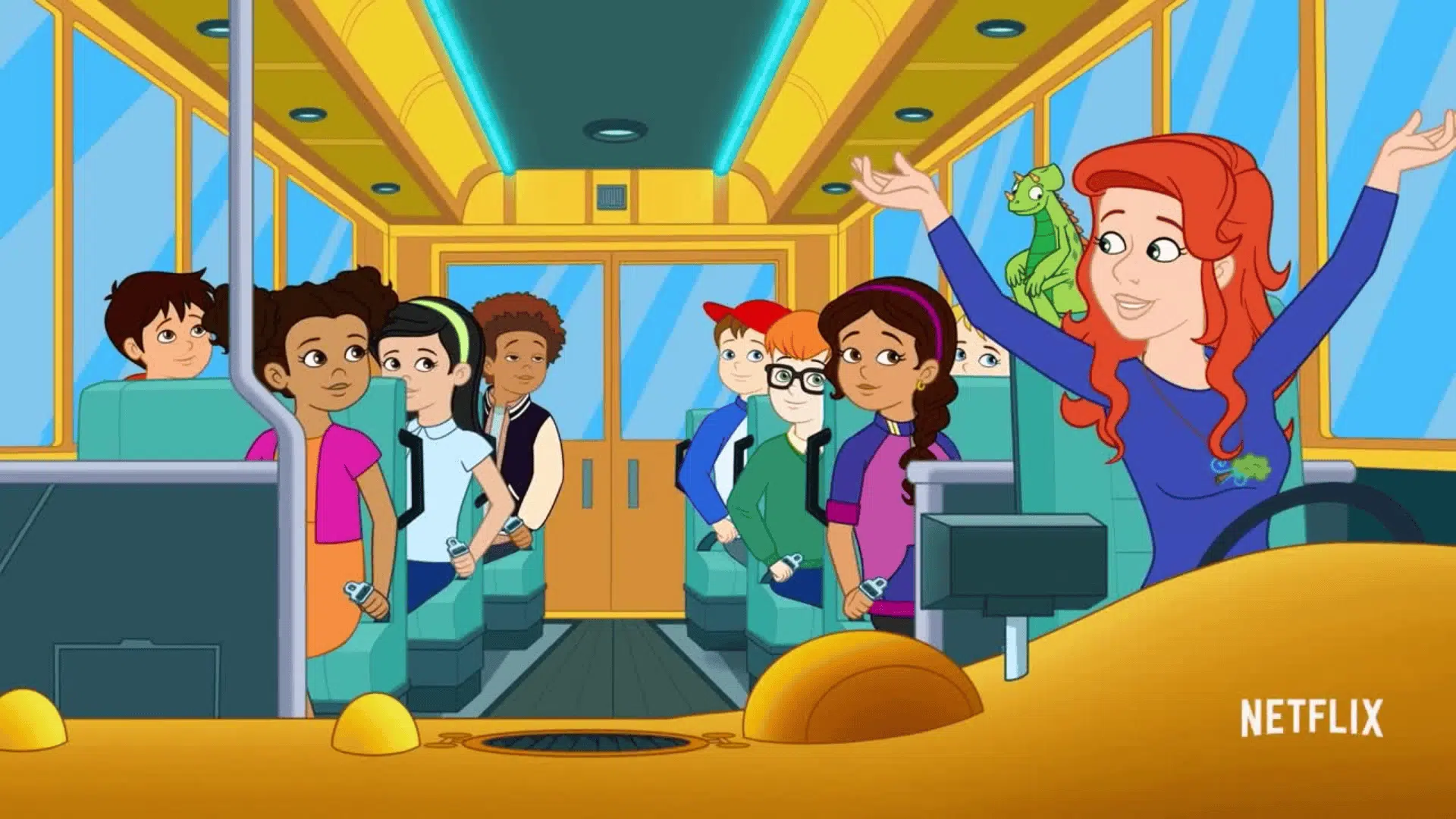
Image Source: IMDb
Magic School Bus Rides Again teaches science concepts through field trips to impossible places. Kids explore the human body, weather systems, space, and more. The show makes complex topics simple and fun.
Ms. Frizzle encourages questions and hands-on learning. Students in the show conduct experiments and test hypotheses. This models the scientific method in action.
The episodes align with the school science curriculum, which helps reinforce classroom learning. Humor and adventure keep kids engaged while they absorb information. Parents love that it builds genuine excitement about science.
Where to Watch: Netflix
8. Wild Kratts
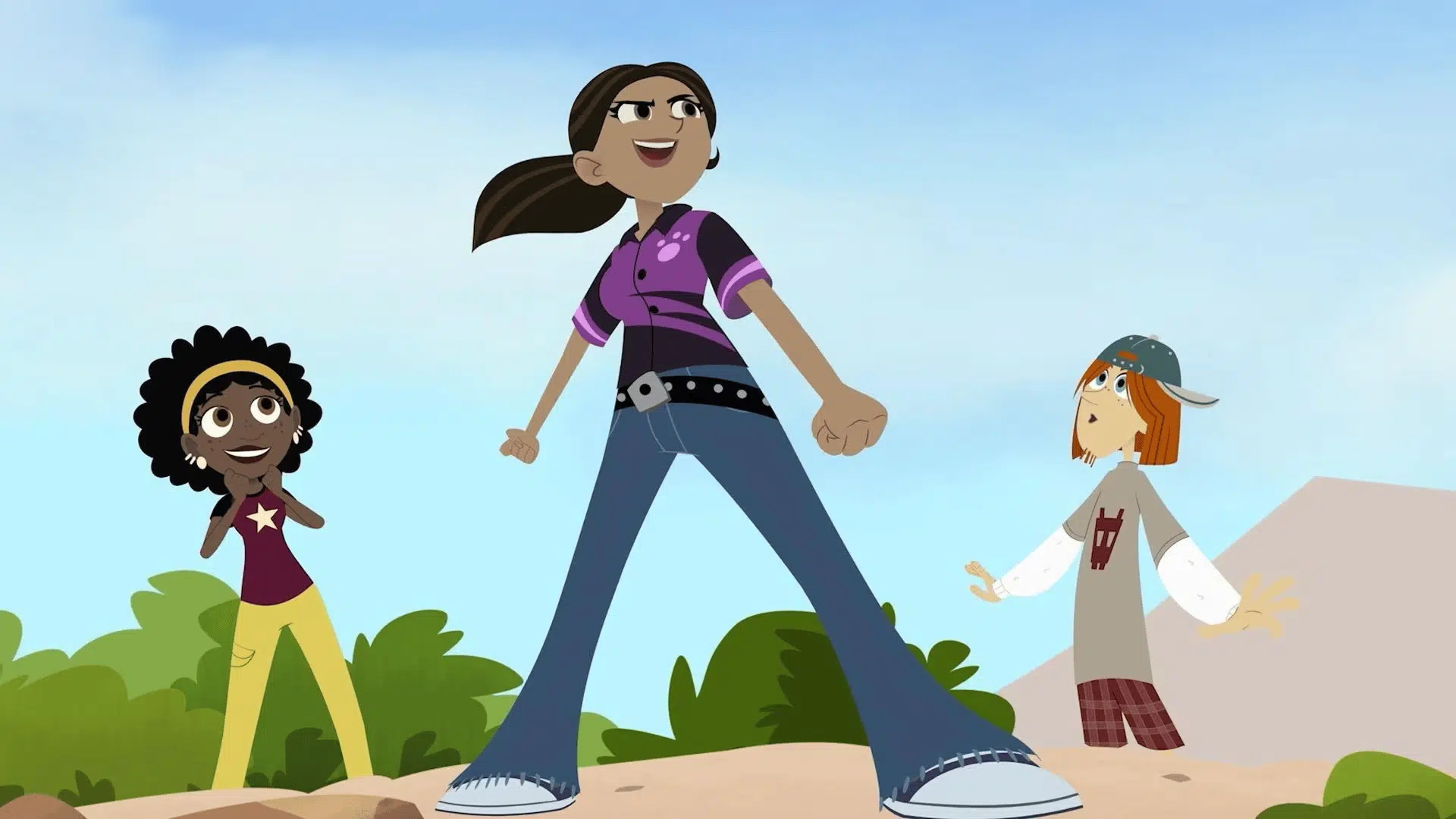
Image Source: PBS Kids
Wild Kratts teaches zoology and animal behavior through animated adventures. Brothers Chris and Martin Kratt explore habitats around the world. Kids learn how animals adapt, hunt, and survive in their environments.
The show uses real footage mixed with animation to show actual animal behaviors. Each episode focuses on specific creature powers like speed, camouflage, or strength. This helps children understand biological adaptations.
Wild Kratts encourages respect for wildlife and environmental protection. The brothers model curiosity and scientific observation. Kids often develop lasting interests in specific animals after watching.
Where to Watch:PBS Kids, Amazon Prime
9. Bill Nye the Science Guy
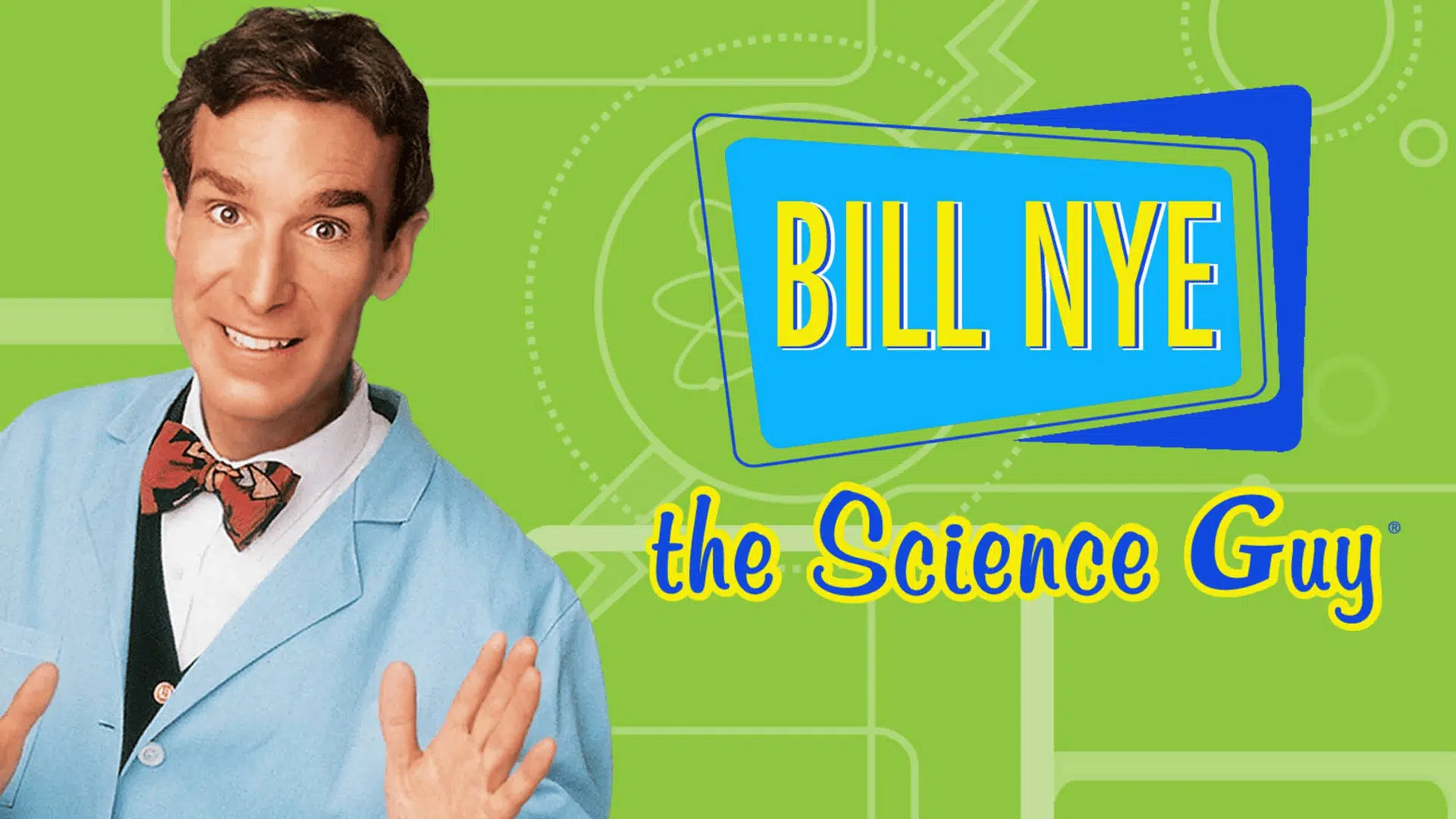
Image Source: PrimeVideo
Bill Nye the Science Guy teaches broad science topics with high energy and humor. Episodes cover physics, chemistry, biology, and earth science. Each show focuses on one concept explained through experiments and demonstrations.
The fast-paced format keeps older elementary kids engaged. Music videos and comedy sketches make learning memorable. Bill Nye breaks down why science matters in everyday life.
The show has been trusted by teachers for decades. Experiments are simple enough for kids to understand but accurate enough to build real knowledge. Parents appreciate the enthusiasm Bill Nye brings to every topic.
Where to Watch:YouTube, DVD sets
10. Brainchild
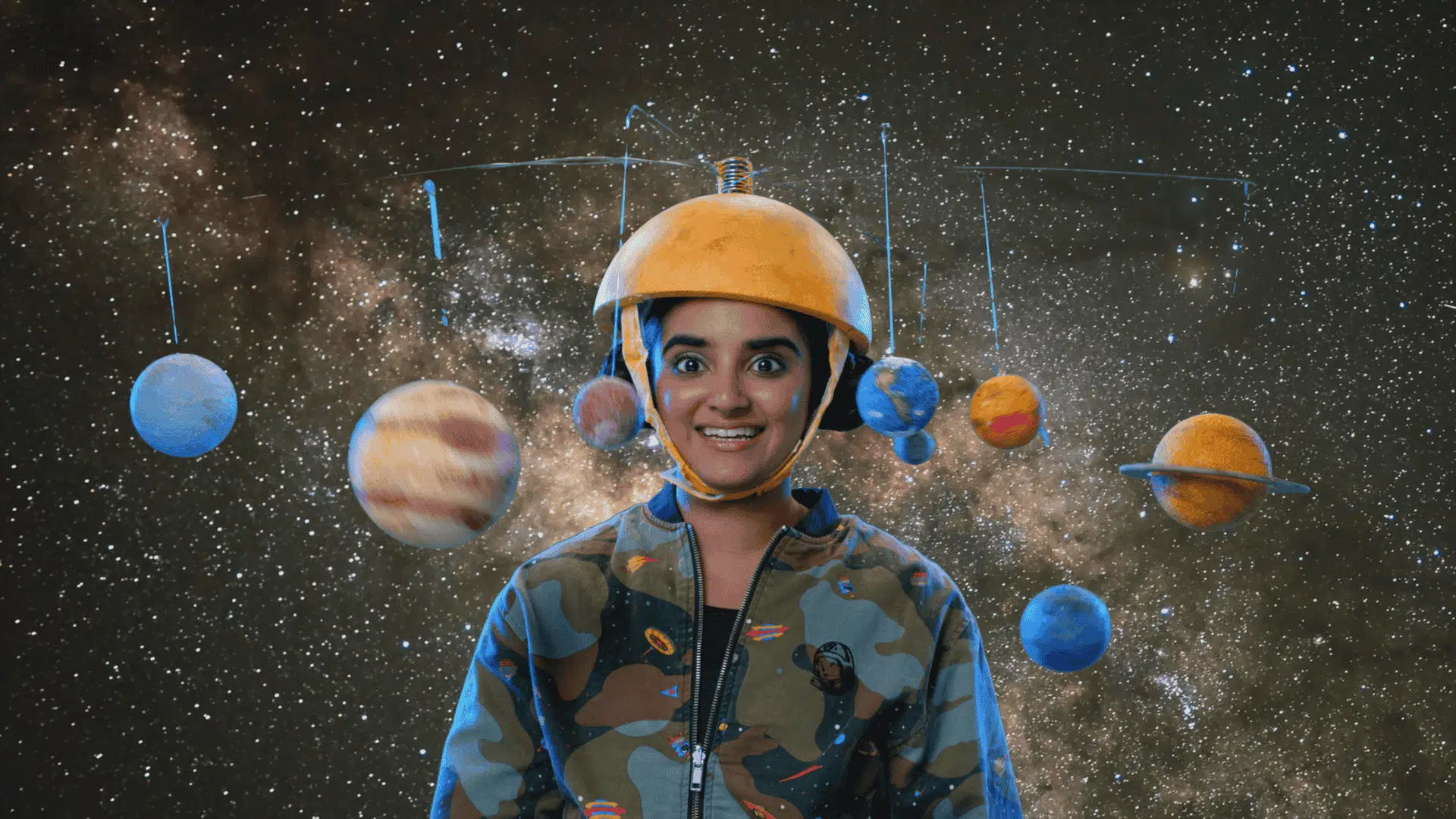
Image Source: NPR
Brainchild teaches kids how to think about thinking. The show explores topics like creativity, emotions, social media, and the brain itself. Each episode uses experiments and real-world examples to explain complex ideas.
Kids learn about psychology, neuroscience, and human behavior. The show encourages critical thinking about everyday situations. It helps children understand why they react in certain ways to different experiences.
Brainchild uses a mix of live action, animation, and celebrity guests. The content works well for older elementary and middle school students. Parents find it helpful for starting conversations about feelings and choices.
Where to Watch:Netflix
STEM & Logic Skills Shows
These shows build math thinking and logical reasoning. They help kids see patterns, solve puzzles, and understand how numbers work in the real world.
11. Cyberchase
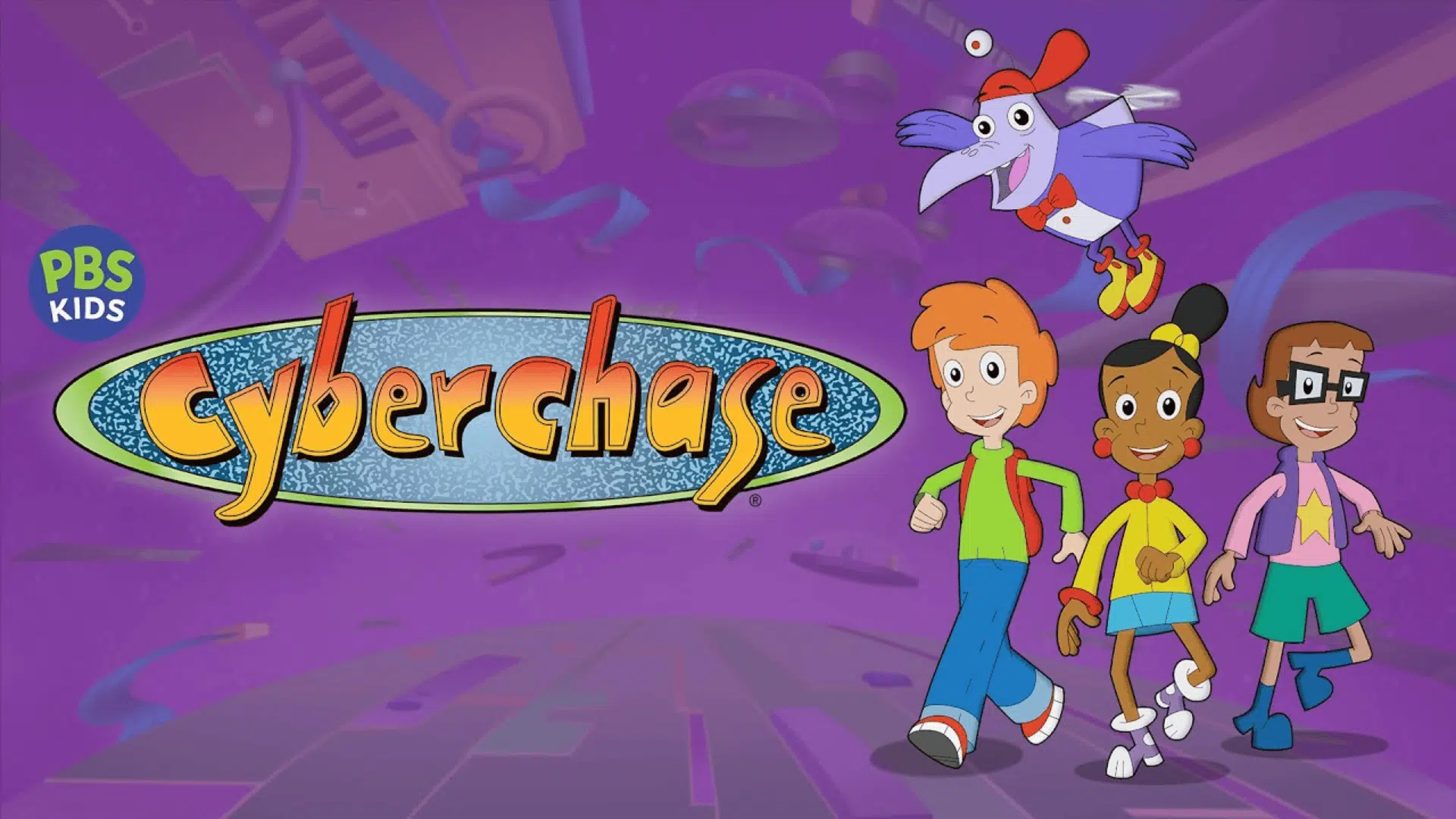
Image Source: Cyberchase
Cyberchase teaches math and logic through story-driven adventures. Three kids travel through cyberspace to stop the villain Hacker using math skills. Each episode presents a real problem that requires mathematical thinking to solve.
The show covers topics like geometry, fractions, probability, and measurement. Kids see how math applies to everyday situations. Characters explain their reasoning out loud, which helps viewers follow the problem-solving process.
Cyberchase makes math feel exciting instead of intimidating. The show has been used in classrooms for over two decades. Parents notice kids becoming more confident with math concepts after regular viewing.
Where to Watch: PBS Kids, YouTube
12. Team Umizoomi
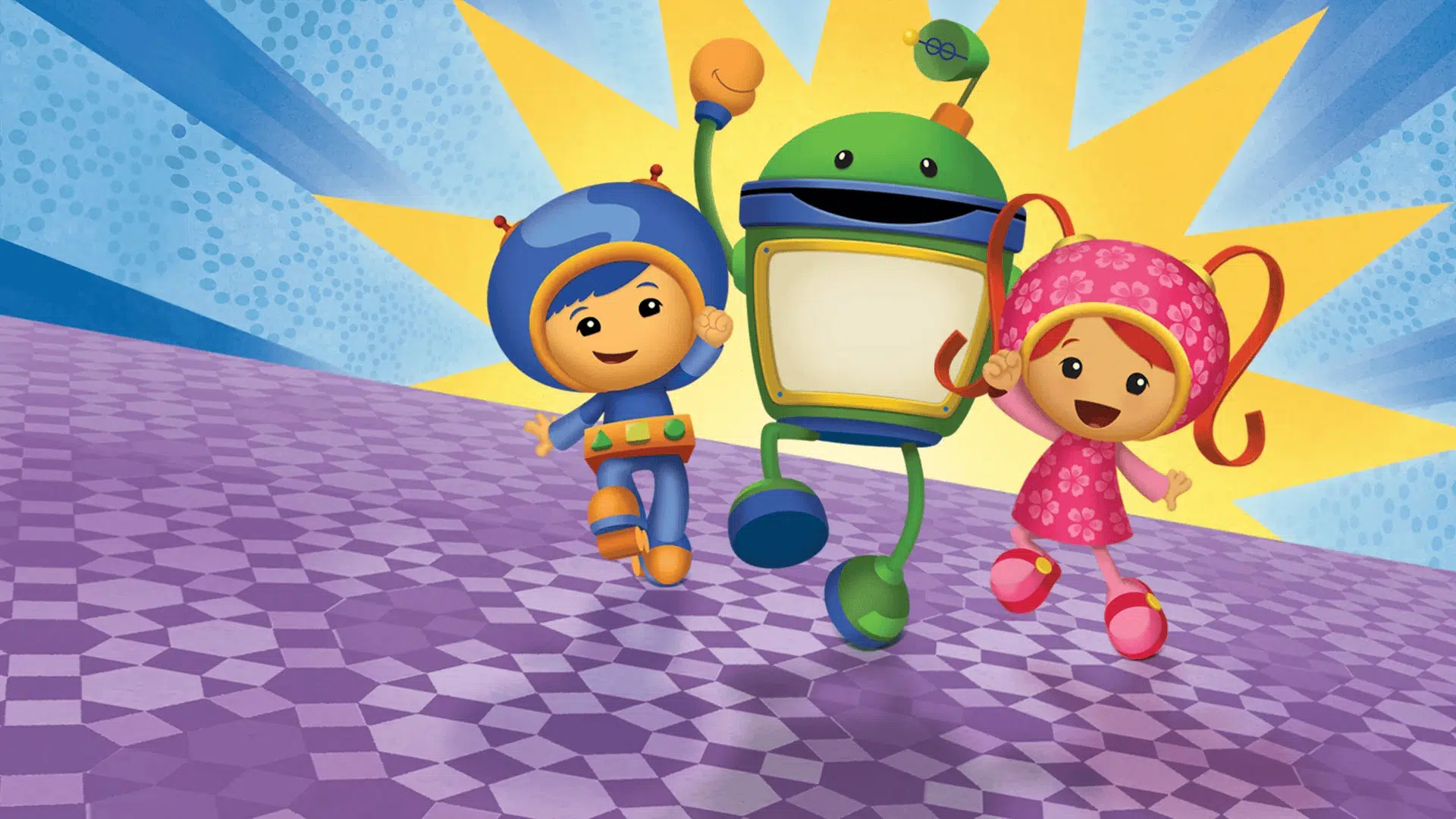
Image Source: Paramount Plus
Team Umizoomi teaches counting, patterns, and early math concepts through interactive missions. The tiny superhero team uses math powers to help people in their city. Kids participate by answering questions and solving problems alongside the characters.
Episodes focus on shapes, numbers, measurements, and spatial reasoning. The show uses bright colors and clear visuals to demonstrate math ideas. Songs and repetition help young learners remember key concepts.
Team Umizoomi works especially well for preschool and kindergarten ages. The interactive format keeps kids engaged and thinking. Parents appreciate how the show makes math feel accessible and fun.
Where to Watch: Paramount+, YouTube
13. Peg + Cat
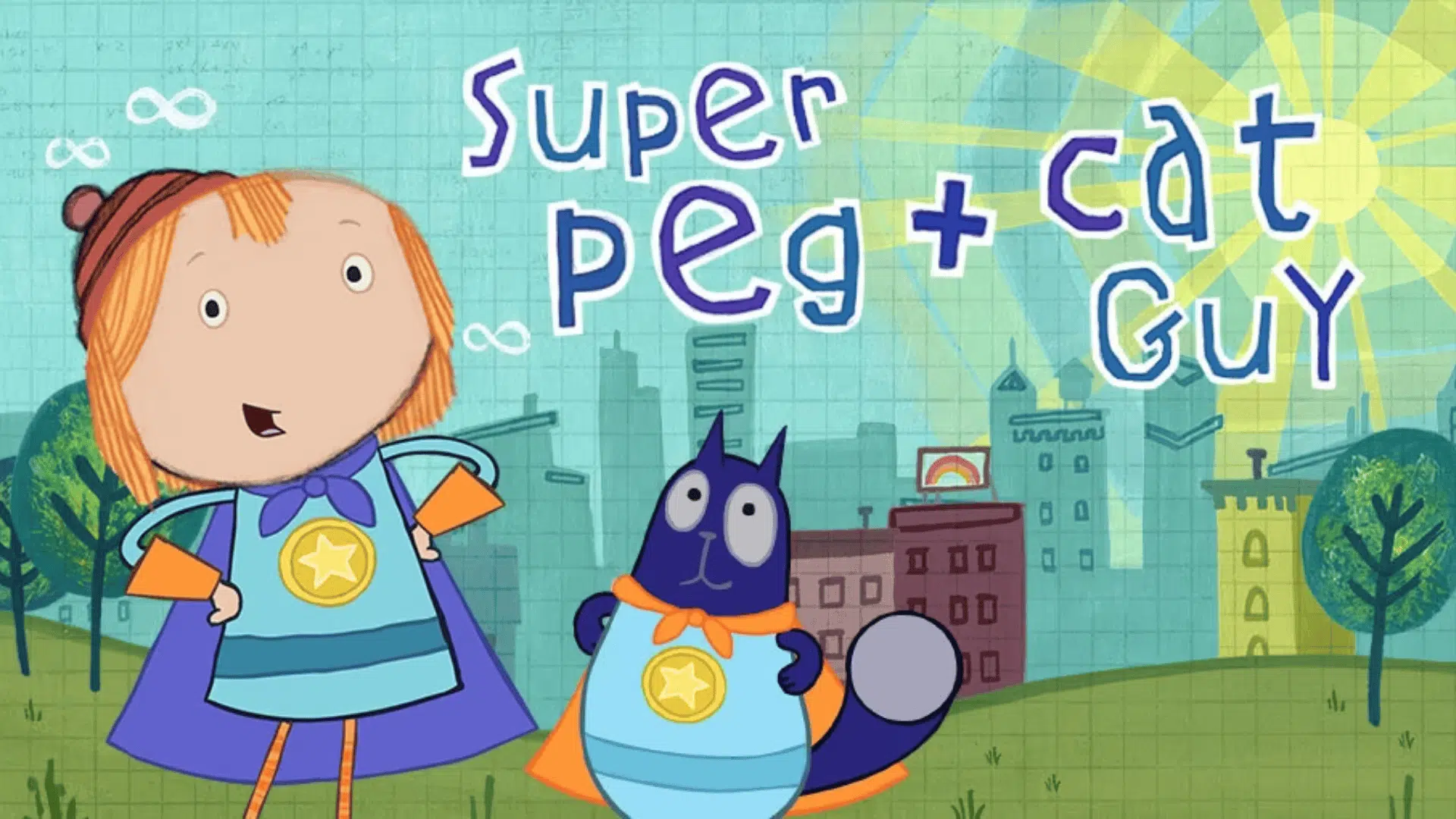
Image Source: PBS Kids
Peg + Cat teaches early math concepts through music and storytelling. Peg and her cat friend solve problems using addition, subtraction, patterns, and shapes. When they get frustrated, they take a breath and try again, which models healthy problem-solving habits.
The show combines math with emotional regulation skills. Kids learn that making mistakes is part of learning. Each episode ends with a catchy song that reinforces the math lesson.
The retro animation style appeals to both kids and parents. Math feels natural and integrated into the story rather than forced. Teachers often use Peg + Cat episodes to introduce new math topics.
Where to Watch:PBS Kids
14. Numberblocks
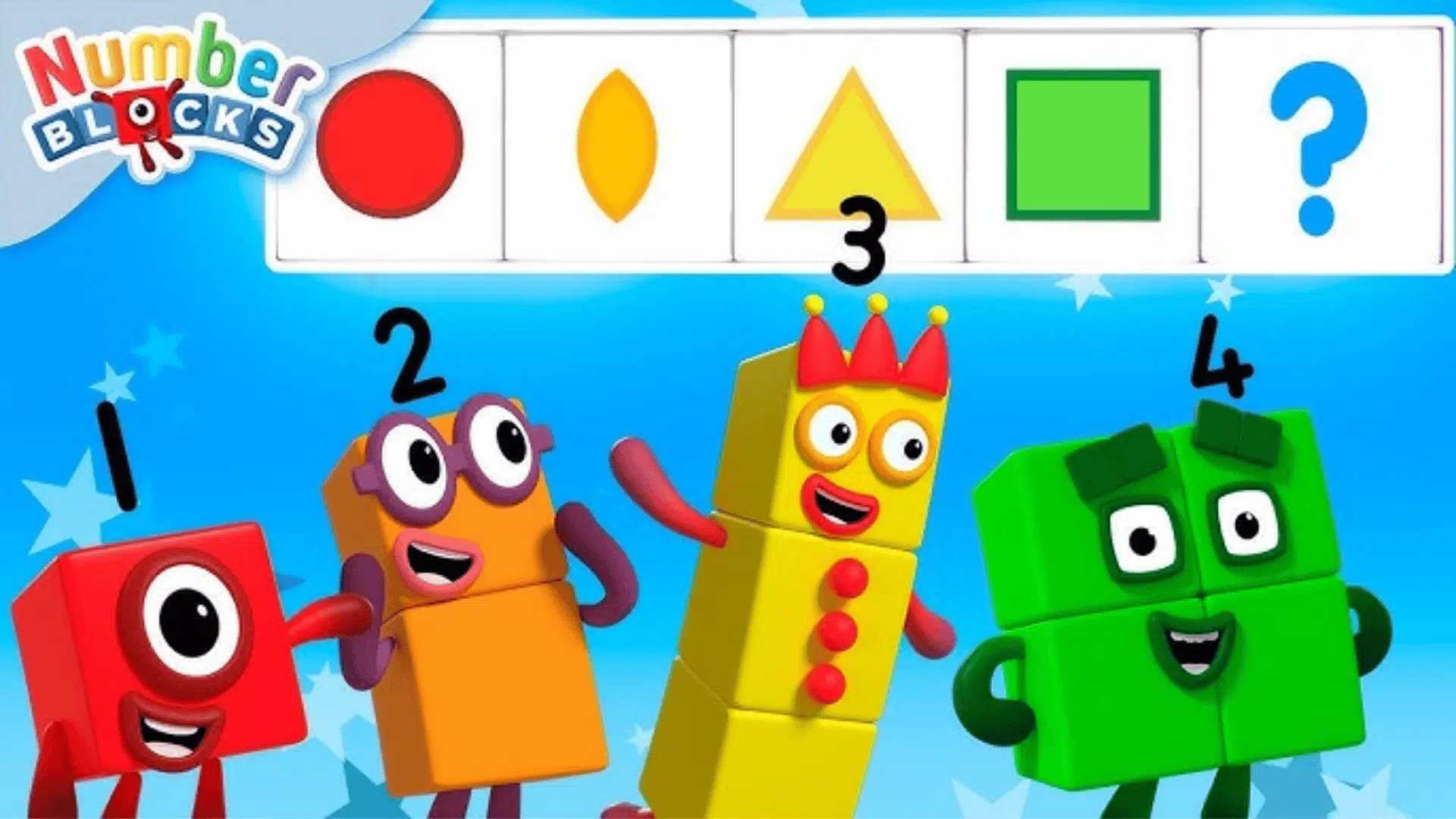
Image Source: Numberblocks
Numberblocks teaches math fundamentals through animated number characters. Each Numberblock represents a different number with a unique personality. Kids see how numbers combine, split, and relate to each other visually.
The show makes abstract math concepts concrete and easy to understand. Children learn addition, subtraction, multiplication, and division through playful stories. The visual representation helps kids grasp number relationships quickly.
Numberblocks builds strong number sense in young learners. Many parents report their kids understanding math earlier than expected. The show works for preschool through early elementary ages.
Where to Watch: Netflix, YouTube
15. StoryBots
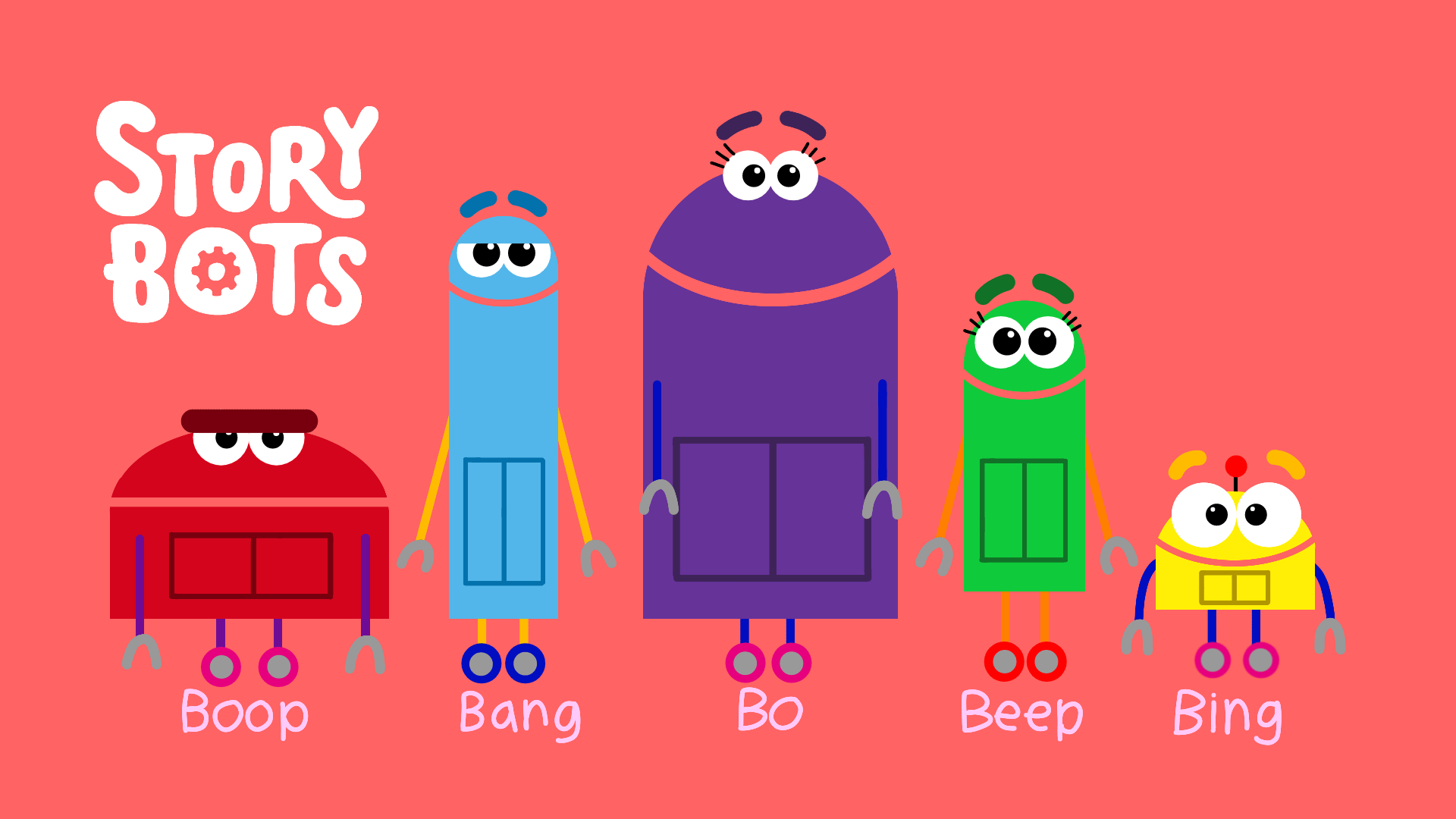
Image Source: DeviantArt
StoryBots teaches kids answers to questions they naturally ask about the world. The curious robots explore topics like how eyes work, why we have to sleep, and what happens to garbage. Each episode combines science, technology, and general knowledge.
The show uses humor, catchy songs, and bright animation to explain complex ideas simply. Celebrity guests often appear to help answer questions. Topics range from science to technology to everyday mysteries.
StoryBots encourages curiosity and a love of learning. Kids feel validated when their questions are taken seriously. Parents appreciate how the show makes learning feel like entertainment.
Where to Watch: Netflix, YouTube
Culture, History & Social Studies
These shows introduce kids to different cultures, historical events, and geography. They help children understand the world beyond their own experiences and build awareness of diverse perspectives.
16. Where in the World is Carmen Sandiego?

Image Source: Vocal Media
Where in the World is Carmen Sandiego teaches geography and world cultures through mystery-solving adventures. Kids follow Carmen Sandiego as she travels to different countries and learns about each place. The show combines detective work with cultural education.
Each episode highlights landmarks, customs, languages, and traditions from real locations. Children learn to identify countries, cities, and continents. The mystery format keeps kids engaged while they absorb geographical information.
Carmen Sandiego is a positive role model who values knowledge and cultural understanding. The show builds global awareness and curiosity about other places. Parents find that it helps kids remember geography facts better than traditional study methods.
Where to Watch: Netflix
17. Liberty’s Kids

Image Source: Prime Video
Liberty’s Kids teaches American history through the eyes of young people during the Revolutionary War. Kids meet historical figures like Benjamin Franklin, George Washington, and Thomas Jefferson. The show explains events leading up to and during the American Revolution.
Each episode covers a specific historical event or concept. The characters witness major moments in history and help viewers understand why they mattered. Complex political ideas are broken down into age-appropriate explanations.
Liberty’s Kids makes history feel personal and relevant. Kids see how everyday people experienced historical changes. Teachers often use the show to supplement social studies lessons about early American history.
Where to Watch:YouTube, DVD
18. Ask the StoryBots (History Episodes)
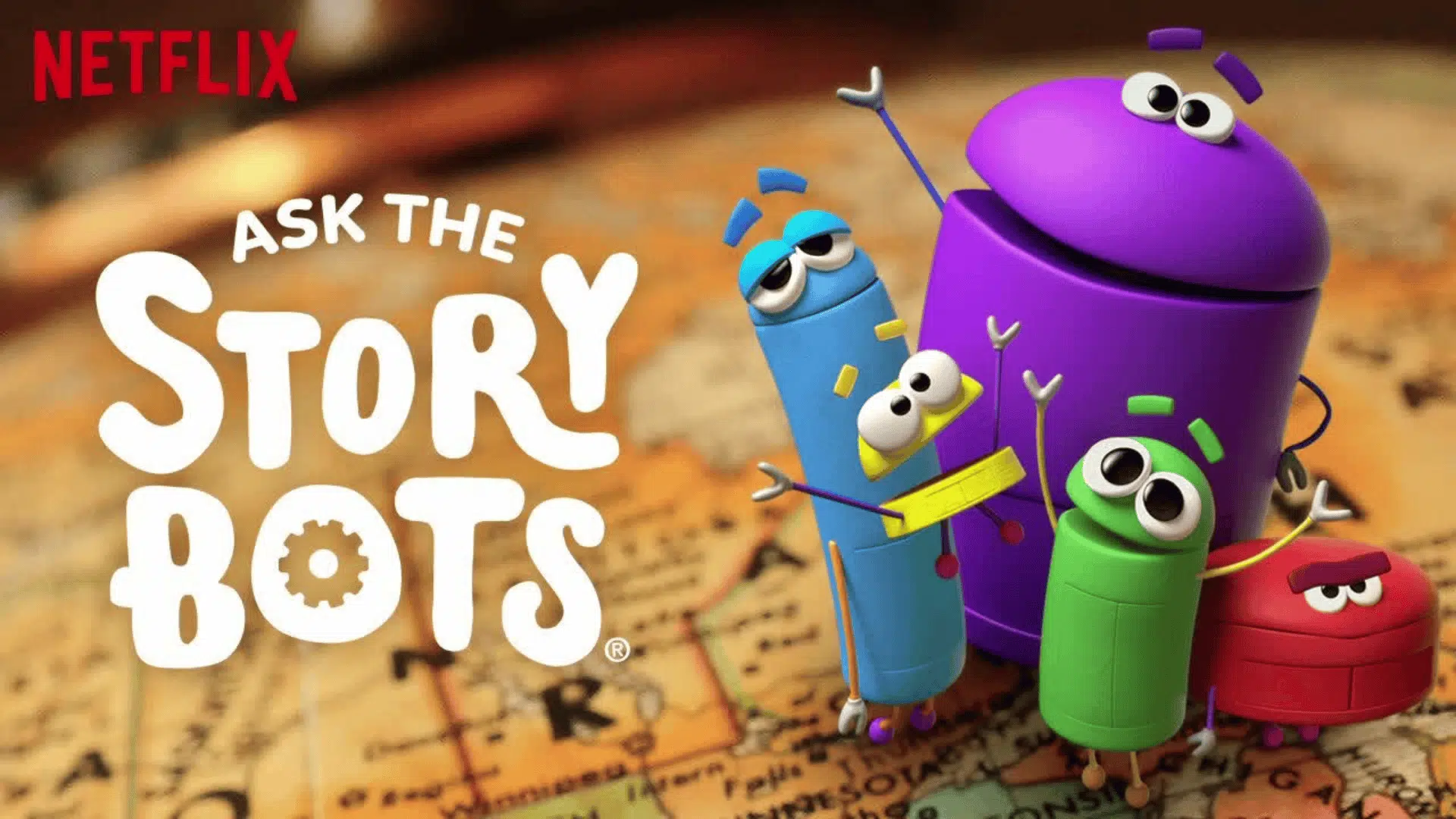
Image Source: IMDb
Ask the StoryBots tackles historical topics through the curious robots who answer kids’ questions. Episodes explore subjects like dinosaurs, ancient civilizations, and how things were invented. The show uses animation, live action, and celebrity guests to explain historical concepts.
Historical episodes help kids understand how the world changed over time. The robots make learning history feel fun rather than like memorizing dates. Complex topics are simplified without losing accuracy.
Kids appreciate that StoryBots takes their historical questions seriously. The humor and music make facts memorable. Parents love how the show sparks conversations about the past and how things work.
Where to Watch: Netflix
19. National Geographic Kids
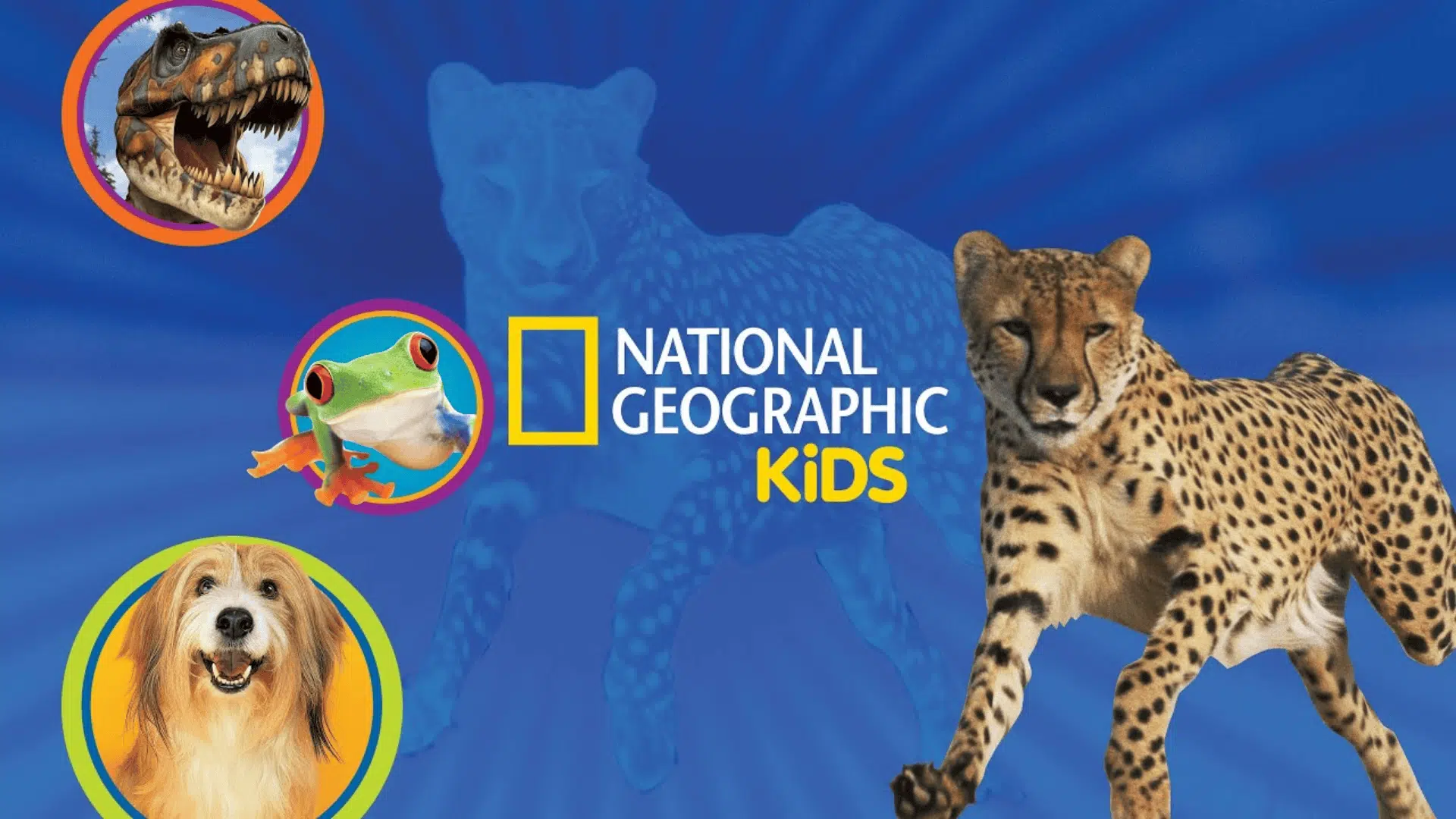
Image Source: Nat Geo Kids
National Geographic Kids teaches about animals, science, and cultures through real footage and engaging hosts. The channel covers wildlife behavior, natural habitats, environmental issues, and world cultures. Kids see actual places and creatures instead of just animations.
Real-world footage makes the information feel authentic and exciting. Episodes show how people live in different parts of the world. The content builds respect for nature and cultural diversity.
National Geographic Kids maintains a high production quality that holds attention. The short video format works well for modern attention spans. Parents trust the National Geographic brand for accurate, educational content.
Where to Watch:YouTube
20. Little Pim
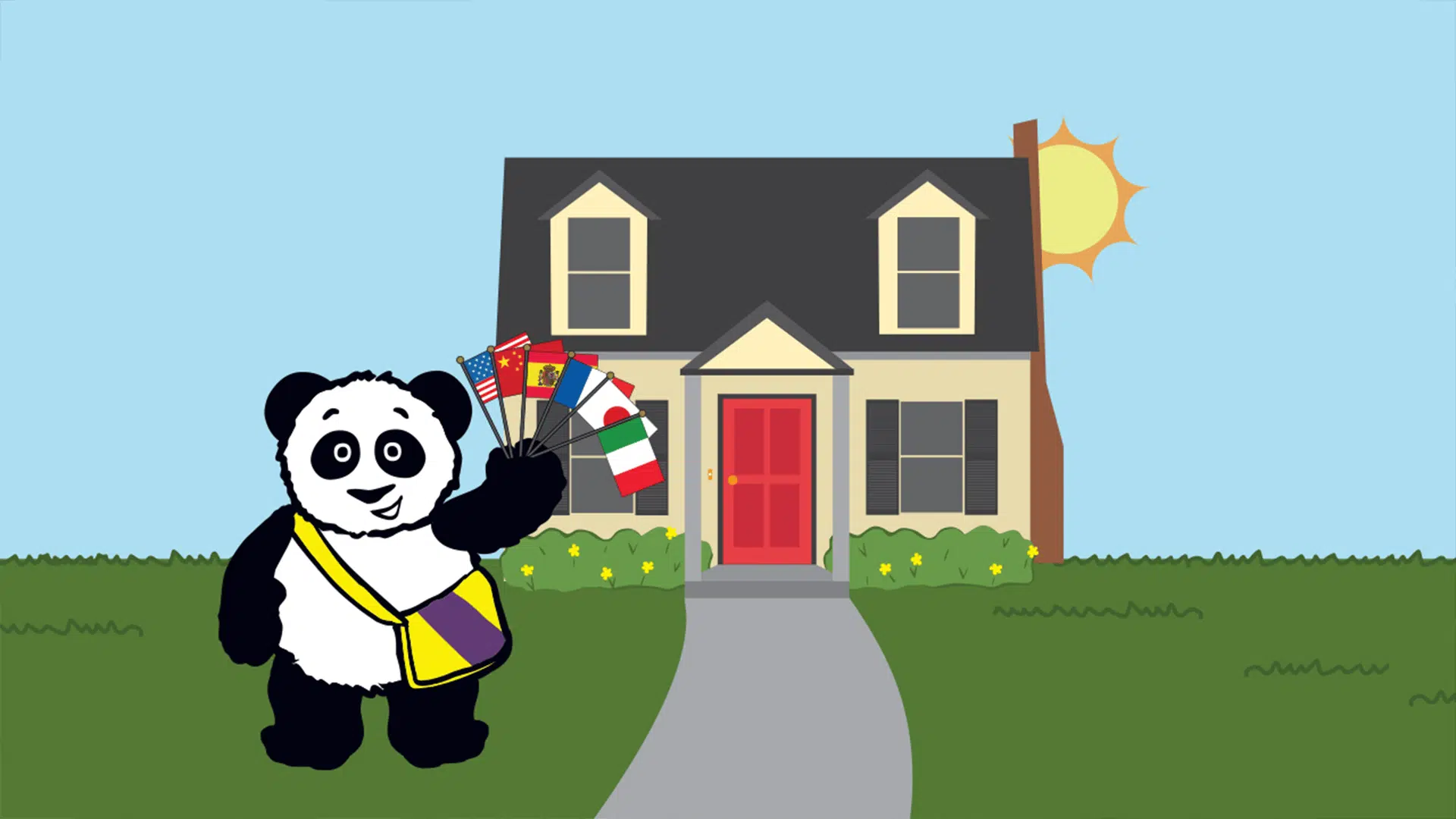
Image Source: Little Pim
Little Pim teaches foreign languages to young children through immersive videos. Kids learn basic words and phrases in languages like Spanish, French, Mandarin, and more. The show uses the natural language acquisition method that works best for young brains.
Each episode introduces vocabulary through context and repetition. Animated characters and real children demonstrate words and phrases. The approach mirrors how babies learn their first language.
Early language exposure helps children develop better pronunciation and language skills later. Little Pim makes learning a new language feel natural and fun. Parents appreciate having an easy tool to introduce multilingual education at home.
Where to Watch:Streaming, DVDs
Creativity, Arts & Emotional Growth
These shows nurture imagination, artistic expression, and emotional intelligence. They help children think creatively, appreciate different art forms, and understand their feelings and the feelings of others.
21. Creative Galaxy
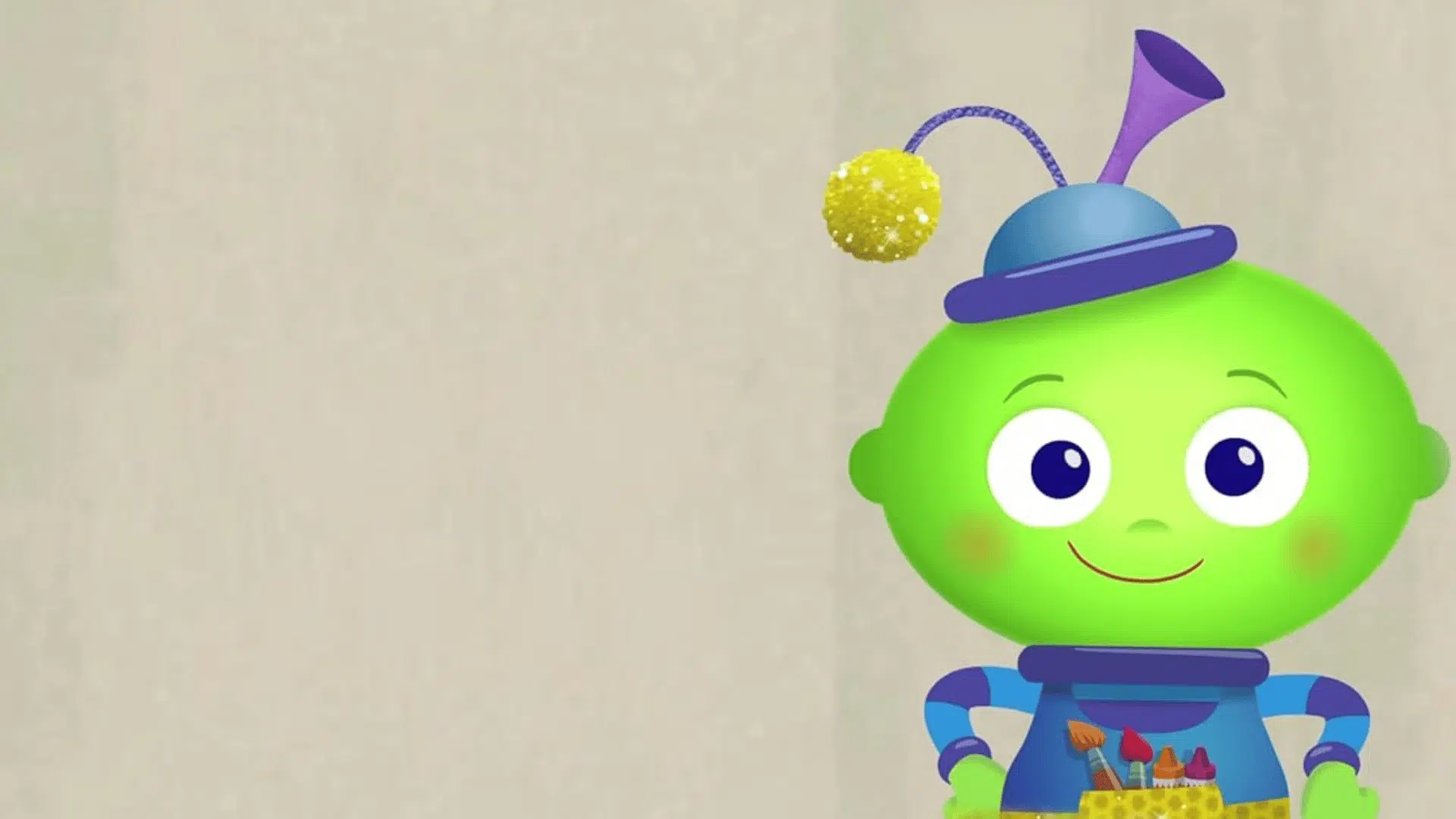
Image Source: Prime Video
Creative Galaxy teaches art techniques and creative thinking through hands-on projects. The main character, Arty, travels to different planets to solve problems using art. Each episode introduces a specific art concept like color mixing, sculpture, or collage.
Kids learn that art can solve real problems and express ideas. The show demonstrates actual techniques that children can try at home. Arty models experimentation and learning from mistakes.
Creative Galaxy encourages self-expression without judgment. Children see that there are many ways to be creative. Parents appreciate how the show inspires kids to make their own art projects after watching.
Where to Watch:Amazon Prime
22. Mister Rogers’ Neighborhood
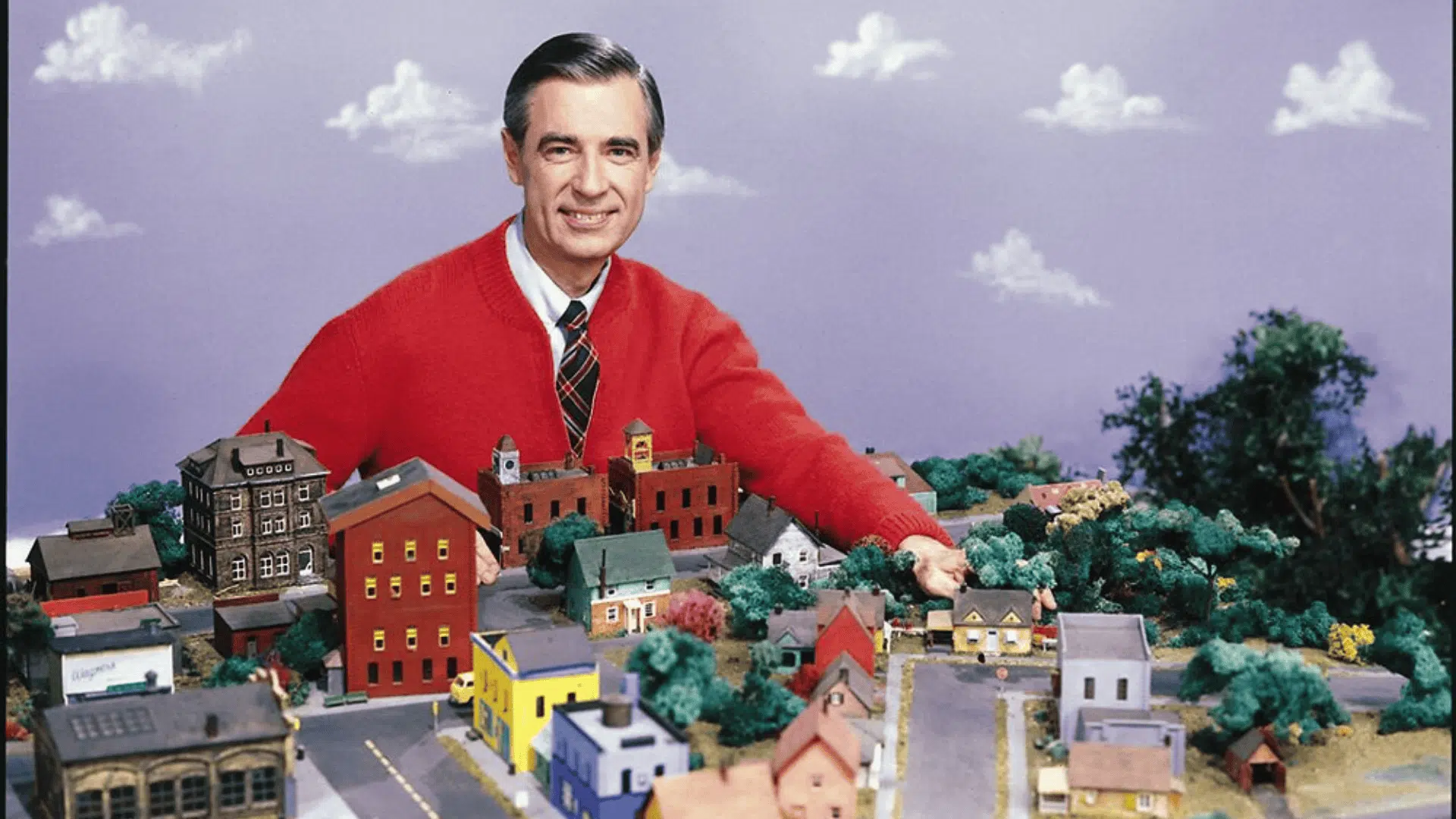
Image Source: CUW blog – Concordia University Wisconsin
Mister Rogers’ Neighborhood teaches emotional intelligence through gentle, thoughtful conversations. Fred Rogers talks directly to children about feelings, fears, and everyday challenges. The show covers topics like anger, jealousy, death, and divorce with honesty and care.
Each episode moves at a slow, calm pace that gives kids time to process information. Mister Rogers validates children’s emotions and teaches healthy ways to express them. The Neighborhood of Make-Believe segments use puppets to explore complex feelings through stories.
The show builds self-worth and teaches kids they are valued exactly as they are. Decades later, parents still trust Mister Rogers for handling sensitive topics. The timeless lessons about kindness and feelings remain relevant today.
Where to Watch: PBS, YouTube
23. Beat Bugs
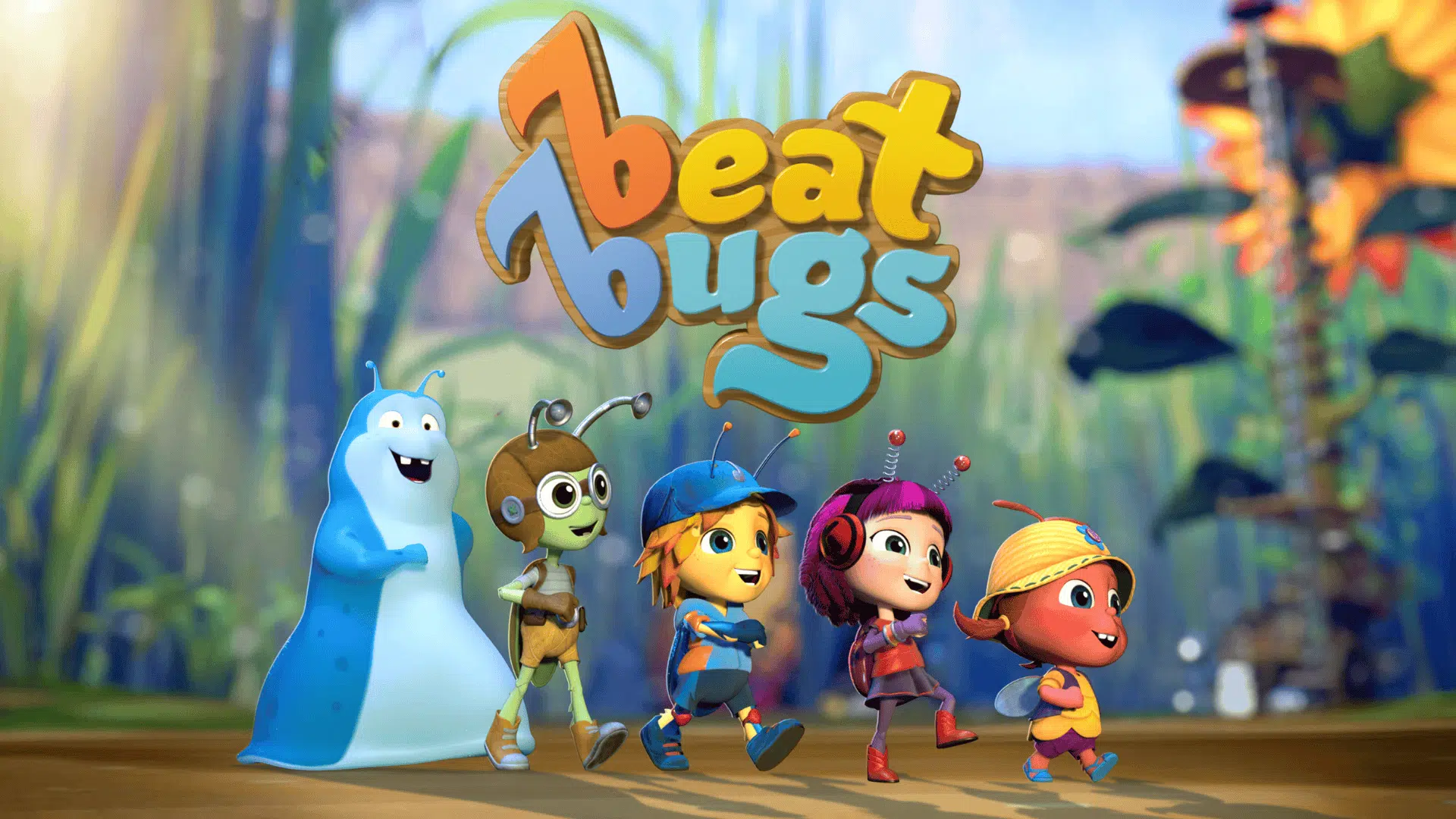
Image Source: IMDb
Beat Bugs teaches music appreciation through classic Beatles songs reimagined for children. Five bug friends have adventures set to famous melodies with kid-friendly lyrics. Each episode centers around themes like friendship, creativity, and problem-solving.
The show introduces children to quality music and songwriting. Kids learn about rhythm, melody, and how music tells stories. The Beatles’ catalog offers rich musical education disguised as entertainment.
Beat Bugs makes classic rock accessible to young audiences. The stories teach cooperation and creative thinking. Parents enjoy sharing music they love with their kids through an age-appropriate format.
Where to Watch:Netflix
24. Horrible Histories

Image Source: The Guardian
Horrible Histories teaches real history through comedy sketches and songs. The show covers historical periods from ancient civilizations to modern times. Each segment presents facts in humorous, memorable ways that stick with kids.
The show doesn’t shy away from the messy, gross, or funny parts of history. This honest approach makes history feel real and interesting. Kids learn about historical figures, events, and daily life in different eras.
Horrible Histories uses humor to make learning effortless. The songs are catchy and fact-filled. Parents find their kids remembering historical details long after watching. The show works well for upper elementary and middle school students.
Where to Watch: Streaming, DVDs, YouTube
25. Adventure Time (Age-Appropriate Picks)
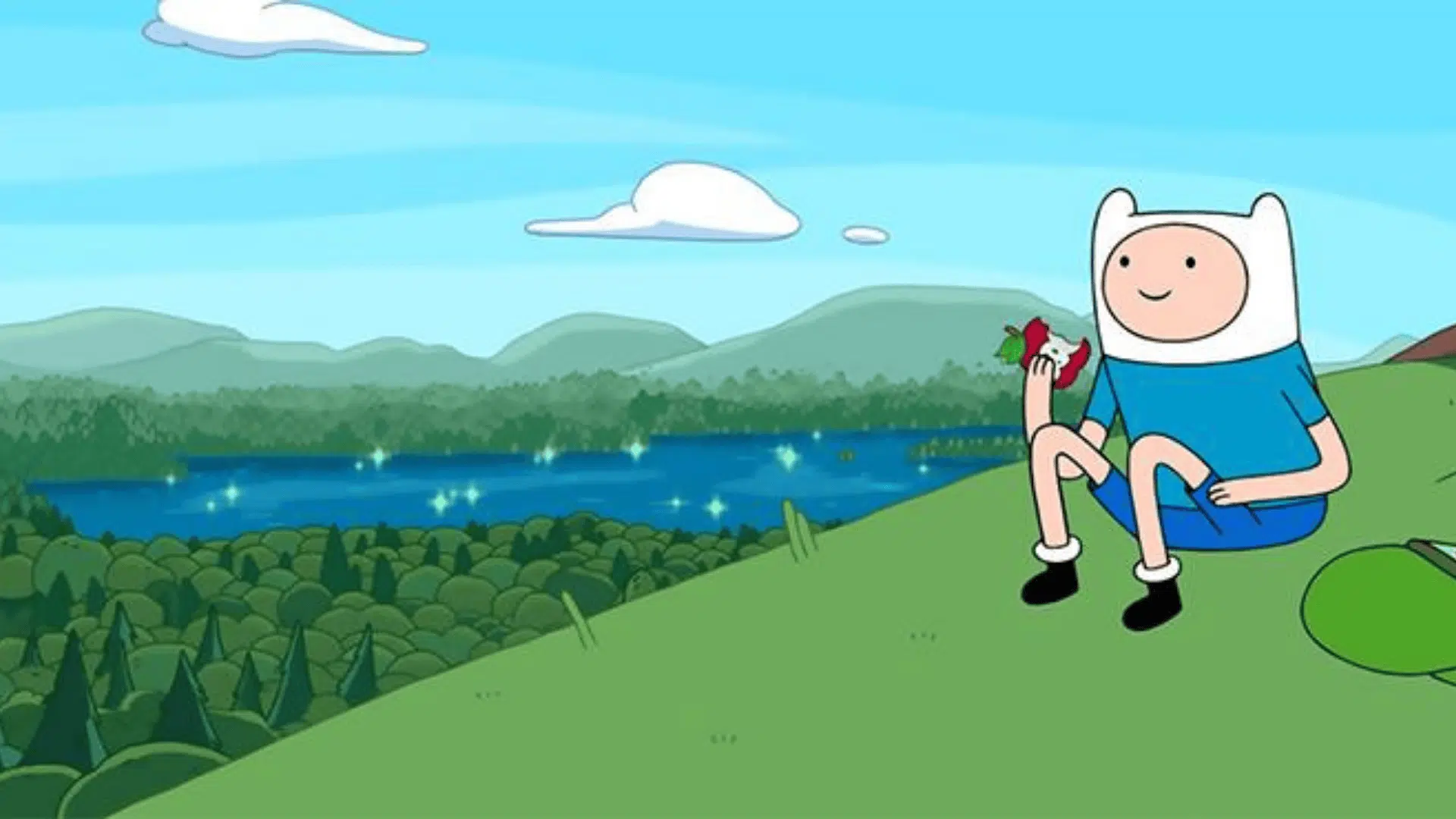
Image Source: Redbrick
Adventure Time teaches imagination and story structure through fantasy adventures. Finn and Jake explore the Land of Ooo, encountering magical creatures and solving problems. The show models creative thinking and friendship.
Selected episodes work well for older elementary kids who enjoy fantasy stories. The show teaches about loyalty, courage, and moral choices through fantastical scenarios. Each adventure follows a clear story arc with a beginning, middle, and end.
Adventure Time encourages imaginative play and creative storytelling. Kids often create their own adventures inspired by the show. Parents should preview episodes, as some content is better suited for older children.
Where to Watch: HBO Max
Conclusion
The best educational shows for kids do more than entertain. They teach skills that build confidence, curiosity, and creativity. From letters and numbers to science and emotions, quality programs support your child’s growth at every stage.
Choose shows that match your child’s age and interests. Pay attention to what captures their attention and sparks questions. Balance screen time with active play, reading, and hands-on activities.
Educational content works best when it leads to real-world exploration.
Every child learns differently. Some love music-based shows while others prefer science adventures or story-driven content. Mix different types of programs to support various skills.
Which shows does your family love? Share your favorites in the comments below. Help other parents find programs that make screen time count.