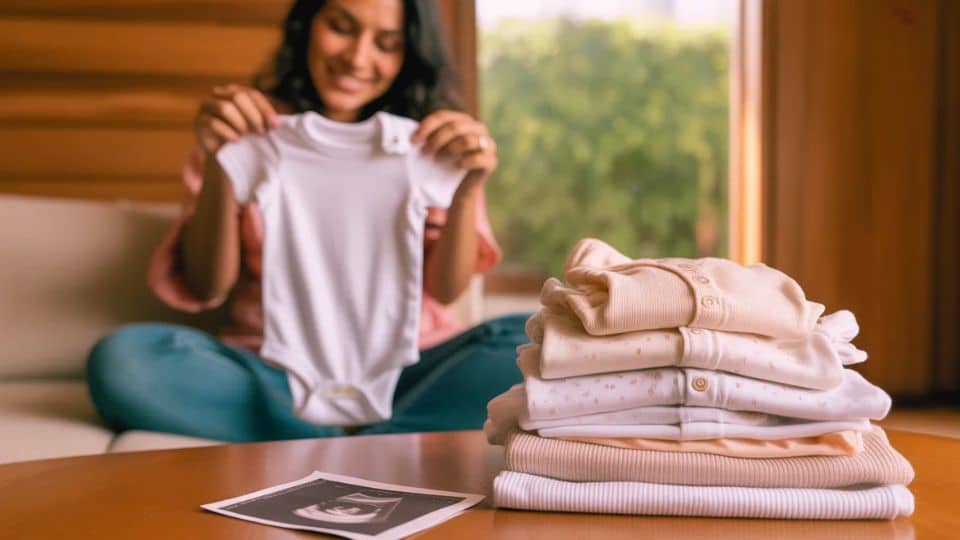
You’re standing in the baby section, overwhelmed by tiny onesies and adorable outfits. You’re asking yourself one crucial question. How many baby clothes do you actually need?
New parents often buy too much or too little. They waste money on items their baby never wears. Others scramble for clean clothes at 3 AM. The truth is simpler than most blogs make it seem.
Your baby needs comfort, safety, and practical pieces. These basics must survive multiple washes weekly. This guide gives age-specific recommendations based on real parenting experiences.
You’ll learn what to buy for each growth stage. No cluttered nursery, no drained budget. Let’s build a wardrobe that works for your family’s needs.
How Many Baby Clothes Do You Actually Need?
Most parents ask how many baby clothes they need before their baby arrives. Others ask after laundry piles up. The answer depends on your laundry schedule.
It also depends on how often your baby spits up daily.
Newborns need two to three outfit changes per day. This means 14 to 21 pieces for a weekly wash cycle. Parents doing laundry twice weekly need seven to ten onesies.
Those washing every three days need five to seven. Older babies need fewer changes once spit-ups decrease around six months. Just one to two outfits daily works fine.
Focus on breathable cotton fabrics that survive multiple washes. Skip fancy outfits worn once. Most babies skip newborn sizes entirely.
Invest in 0-3 month pieces for better value. Now that you know the quantities, let’s break down which types work best at each age.
Baby Clothes Checklist by Age: What to Buy?
Babies need different clothing types as they grow through distinct developmental stages. Let’s break down what works best at each age to keep your baby comfortable.
1. Newborn Baby Clothing Essentials
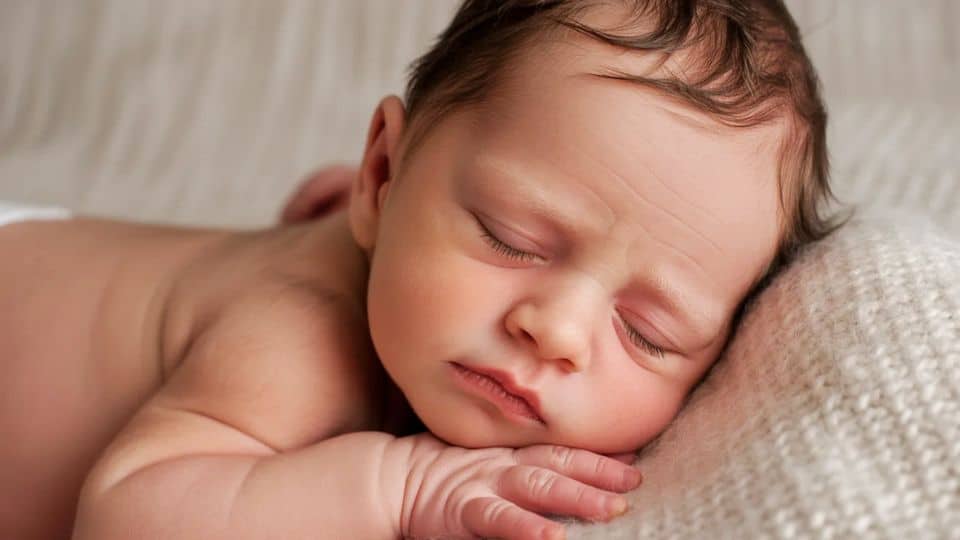
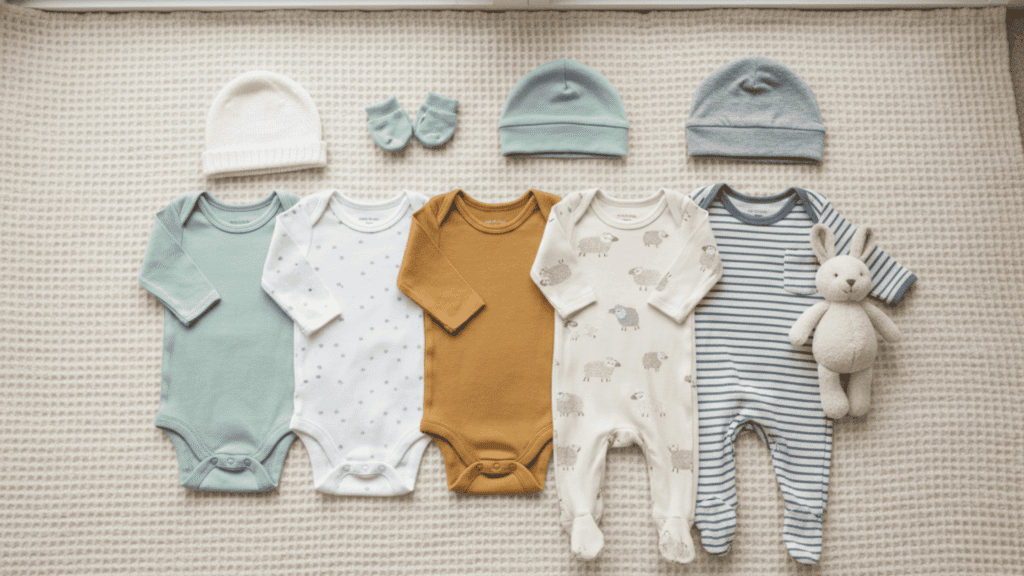
Onesies: Short and long-sleeve options for easy layering and quick diaper changes throughout the day and night.
Sleepers: Soft, footed sleepers keep newborns warm without loose blankets that pose safety risks during sleep.
Hats and Mittens: Help regulate body temperature and prevent accidental scratches from tiny fingernails.
As your baby transitions from newborn to the 0-3 month stage, clothing needs shift slightly to accommodate growth.
2. Baby Clothes for 0-3 Months
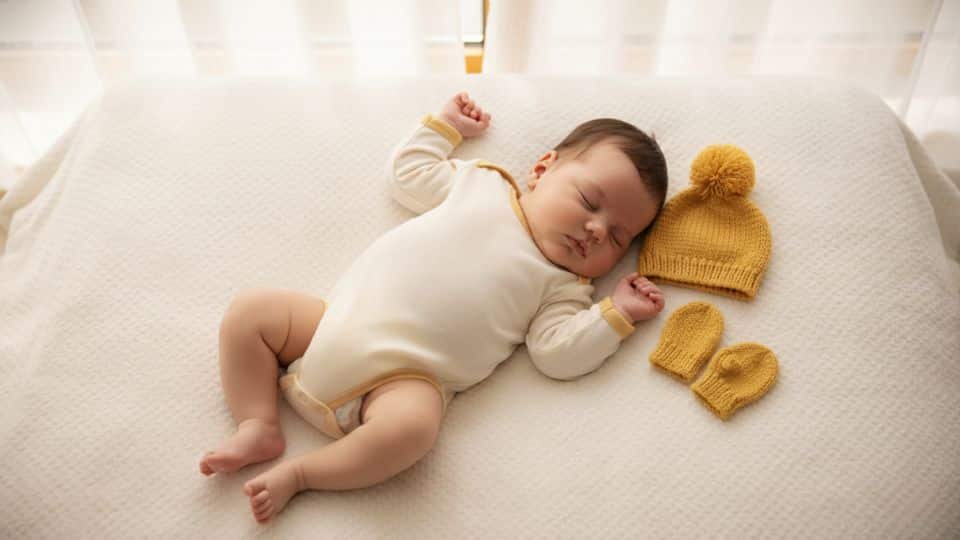
Everyday Bodysuits: Babies still need frequent changes, so breathable basics matter more than fancy outfits right now.
Stretchy Pants: Gentle waistbands allow comfort during growth spurts that happen quickly at this age.
Light Jackets: Useful for short outdoor trips without overheating your baby in mild weather conditions.
By 3-6 months, your baby becomes more active and mobile, requiring clothes that support movement.
3. Baby Clothes for 3-6 Months
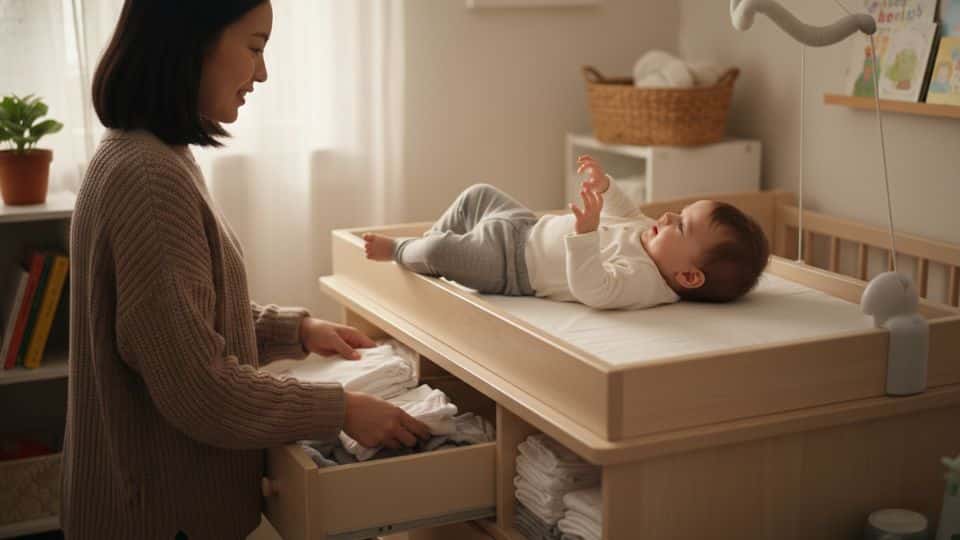
Play-Friendly Outfits: Babies move more, so flexible fabrics help them roll and reach comfortably.
Layering Pieces: Cardigans or zip-ups work well for changing temperatures throughout the day.
Socks That Stay On: Foot movement increases, so a better fit matters to keep socks from disappearing constantly.
The 6-9 month stage brings crawling and increased exploration, demanding more durable clothing options.
4. Baby Clothes for 6-9 Months
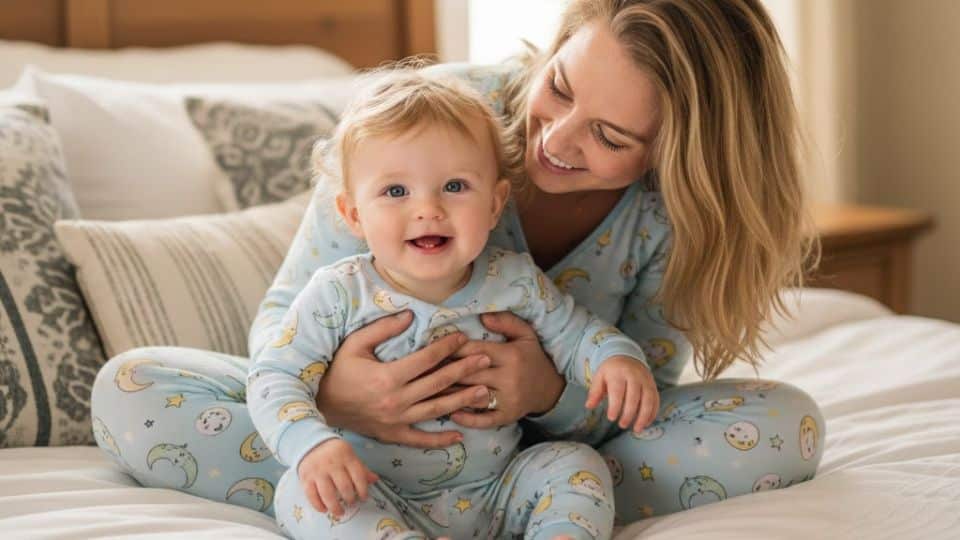
Crawling-Friendly Pants: Reinforced knees help as mobility increases and babies spend time on all fours.
Two-Piece Sets: Easier outfit changes during busy days when your baby explores everything they can reach.
Sun Protection Pieces: Lightweight long sleeves for outdoor play, now that your baby spends more time outside.
As your baby approaches their first birthday, they need sturdier clothes for standing and cruising.
5. Baby Clothes for 9-12 Months
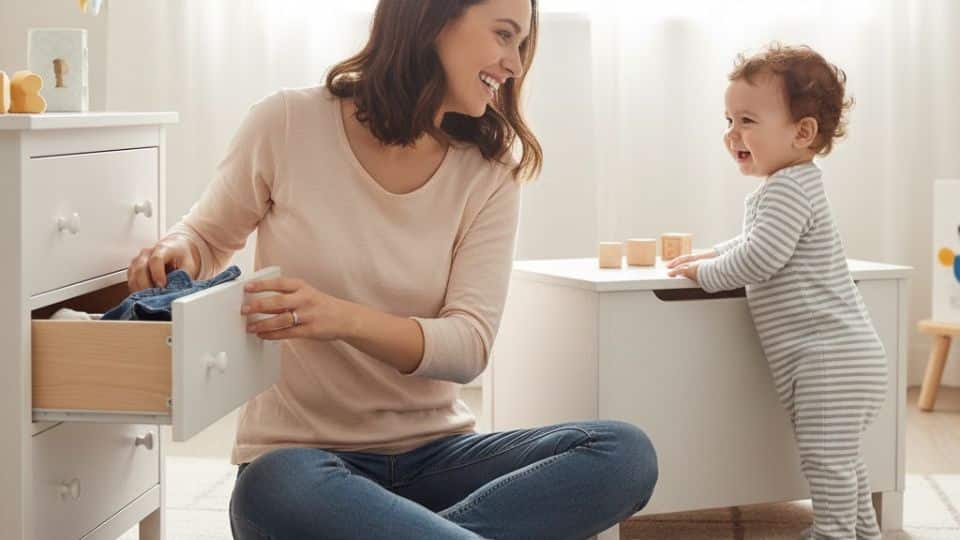
Durable Playwear: Babies pull up, cruise, and explore more actively than in earlier months. Sturdier fabrics handle the wear and tear.
Shoes or Soft Soles: For early standing and balance practice as your baby prepares to take first steps.
Season-Ready Outerwear: Depending on climate and time of year, invest in weather-appropriate outer layers now.
Climate plays just as important a role as age when deciding what belongs in your baby’s wardrobe.
Seasonal Clothing Considerations for Babies in the US
Climate plays a major role in determining what types of clothes your baby needs throughout the year.
1. Summer
- Breathable cotton pieces prevent overheating during hot, humid months across most US regions
- Short-sleeve onesies and lightweight pants work best when temperatures rise above 75 degrees
- Sun protection becomes essential with long-sleeve options made from lightweight fabrics with UV protection
- Avoid heavy layers that trap heat and cause discomfort during outdoor activities
2. Winter
- Multiple layering options keep babies warm without overheating in heated indoor spaces
- Footed sleepers eliminate the need for separate socks that babies constantly kick off
- Snowsuits or bunting bags protect babies during outdoor excursions in freezing temperatures below 32 degrees
- Add warm hats and mittens for complete coverage during cold-weather outings
3. Spring and Fall
- Unpredictable temperature swings make layering pieces your most practical investment during transitional seasons
- Keep cardigans and light jackets handy for the morning chill that warms up by afternoon
- Indoor temperatures differ significantly from outdoor conditions, requiring quick outfit adjustments
- Mix short and long sleeves to accommodate weather changes throughout the day
Once your baby outgrows these seasonal pieces, you’ll need a plan for managing tiny clothes.
What To Do With Outgrown Baby Clothes?
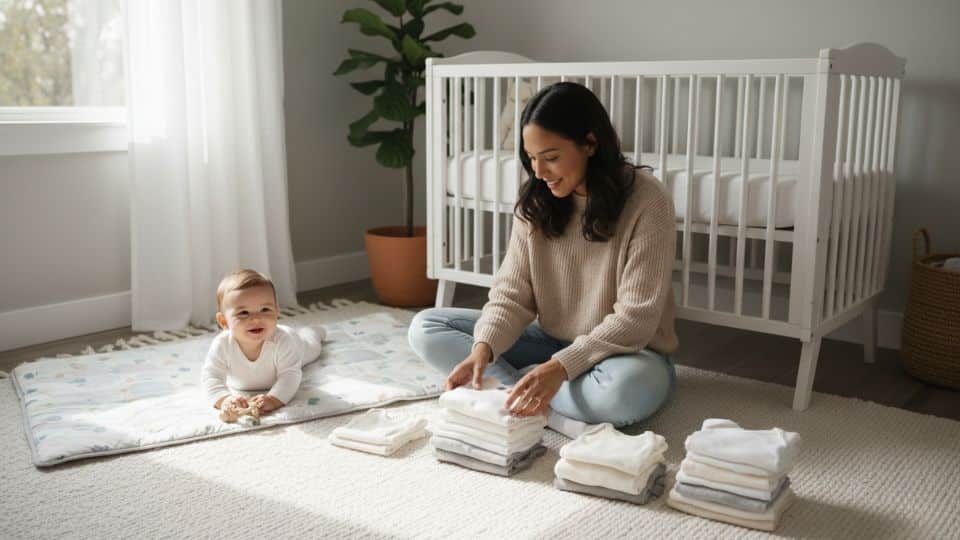
Your baby will outgrow clothes faster than you expected. You’ll have perfectly good tiny outfits with nowhere to go.
Here are practical options for giving those clothes a second life while keeping your home organized.
| Option | Best For | How It Works |
|---|---|---|
| Pass to Friends/Family | Parents with younger babies | Give hand-me-downs to people you know who appreciate reducing clothing expenses |
| Donate to Charities | Families in need | Drop clean clothes at local charities, baby banks, or shelters that accept donations |
| Sell Online | Generating extra cash | List items on Poshmark, Facebook Marketplace, or consignment shops for new size funds |
| Create Keepsakes | Sentimental favorites | Transform special outfits into memory quilts, teddy bears, or framed displays |
| Store for Future Children | Planning more kids | Pack in sealed bins labeled by size and season for easy access later |
| Textile Recycling | Worn-out items | Use recycling bins for clothes too damaged to donate or sell |
Sort your baby’s current wardrobe by size regularly to identify what no longer fits. Keep only the current size plus one size up in active rotation to avoid clutter.
Whatever option you choose from above, acting quickly prevents clothes from piling up and taking over nursery space.
Conclusion
Building your baby’s wardrobe doesn’t require hundreds of pieces cluttering every drawer and closet. Focus on comfortable, practical basics that survive multiple washes while keeping your baby safe daily.
Buy clothes in sizes your baby will wear next month rather than stocking up ahead. Your laundry schedule determines how many outfits you need to avoid constant washing.
Climate considerations matter more than trends, so choose breathable fabrics for summer and layers for winter. Remember that babies grow quickly, often skipping sizes entirely.
Start with essentials outlined here, then add pieces as you learn your baby’s needs. Ready to build a practical wardrobe for your family?
Begin with seven to ten bodysuits and five sleepers in 0-3 month sizes today.