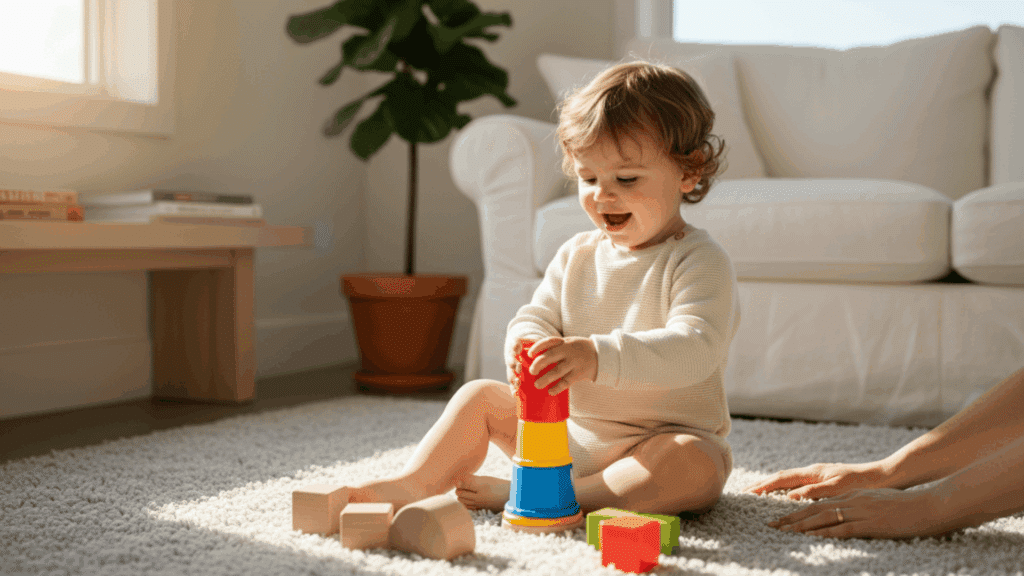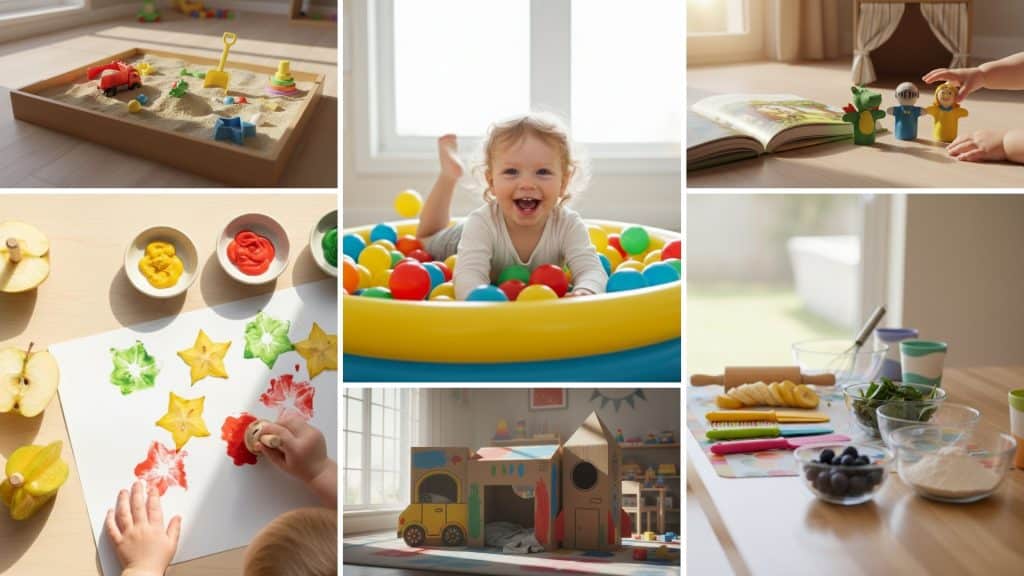
Does your toddler seem to need constant attention while you handle daily tasks? Many parents struggle to find activities that keep their little ones engaged without spending much money or time on preparation.
The good news is that entertaining your toddler at home doesn’t require fancy toys or expensive equipment. Simple items you already own can provide hours of learning and fun.
These activities support your child’s development while giving you moments to breathe. Each idea focuses on skills like motor development, creativity, and problem-solving.
Your toddler will stay occupied with hands-on play that feels natural and enjoyable. The best part is that most activities take just minutes to set up and use materials from your kitchen or craft drawer.
Ready to turn everyday moments into memorable playtime?
41 Fun and Easy Things to Do with Toddlers at Home
These 41 activities are budget-friendly and require little prep time. Most use items you already have around the house. Each activity helps your toddler learn while having fun.
1. Sensory Bottles
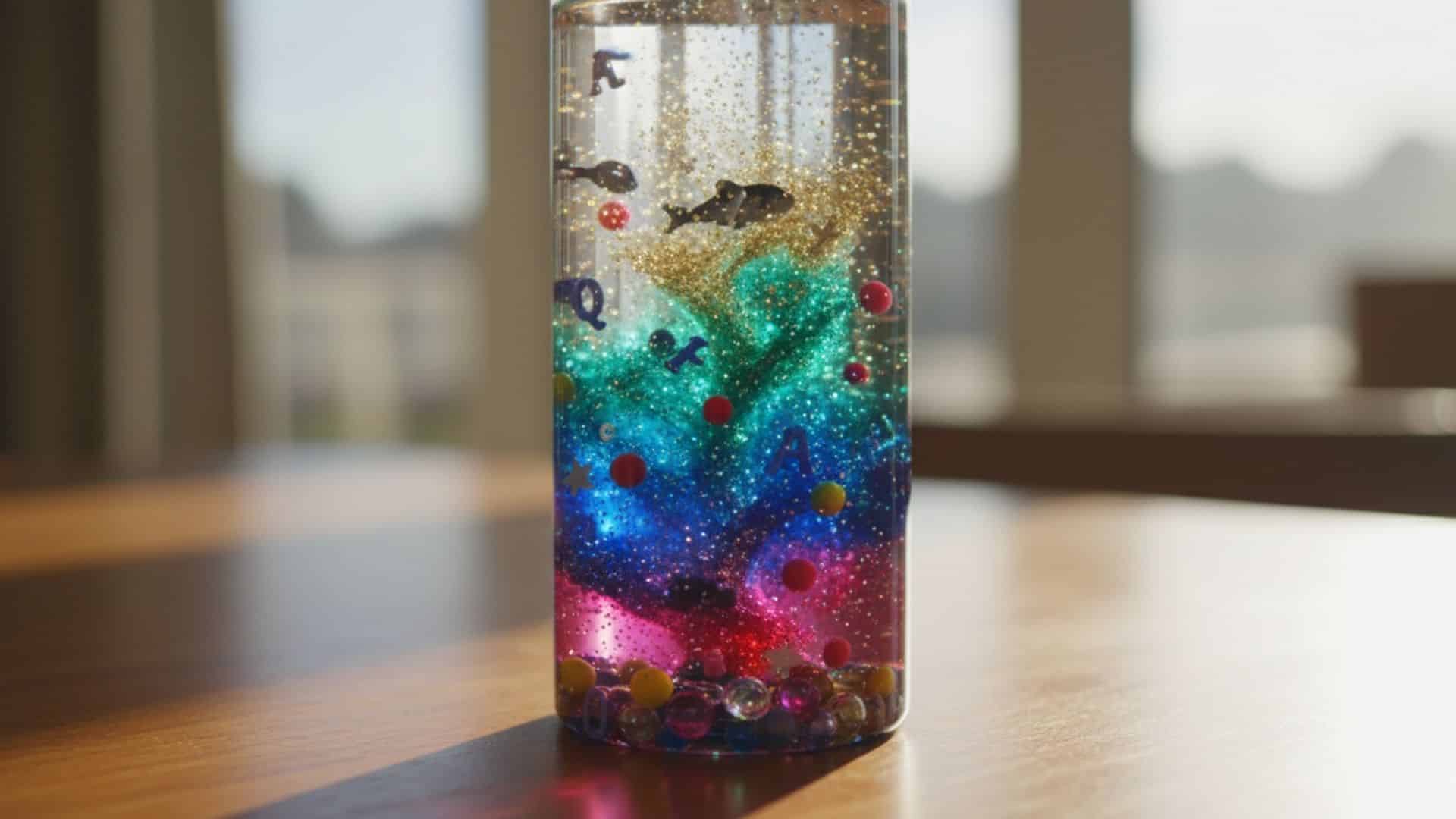
Create a colorful sensory bottle with water, glitter, and small objects for your toddler to shake and watch. This promotes fine motor skills and sensory exploration.
How to Make It:
- Find an empty plastic bottle with a tight lid
- Fill it halfway with water
- Add glitter, food coloring, or small plastic beads
- Seal the lid tightly with glue for safety
- Let your toddler shake and roll the bottle
- Supervise to ensure the bottle stays sealed
2. Indoor Obstacle Course
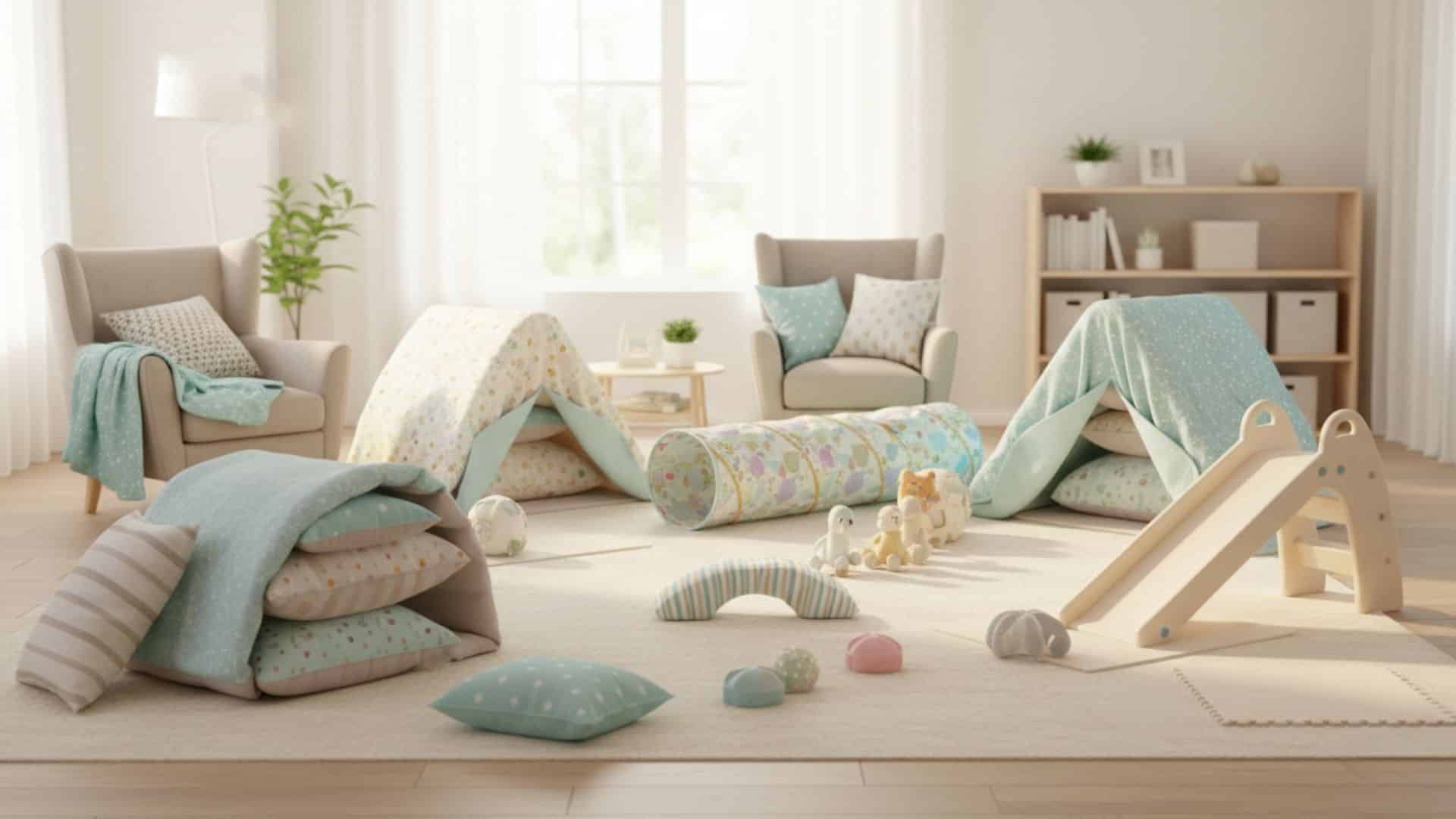
Use pillows, blankets, and furniture to build an indoor obstacle course. It encourages physical activity and coordination while being fun and engaging for toddlers.
Steps to Set Up:
- Lay pillows on the floor for stepping stones
- Drape a blanket over chairs to make a tunnel
- Stack cushions to climb over safely
- Create a path your toddler must follow
- Add stuffed animals as “obstacles” to walk around
- Time them for extra excitement
3. Toddler Painting
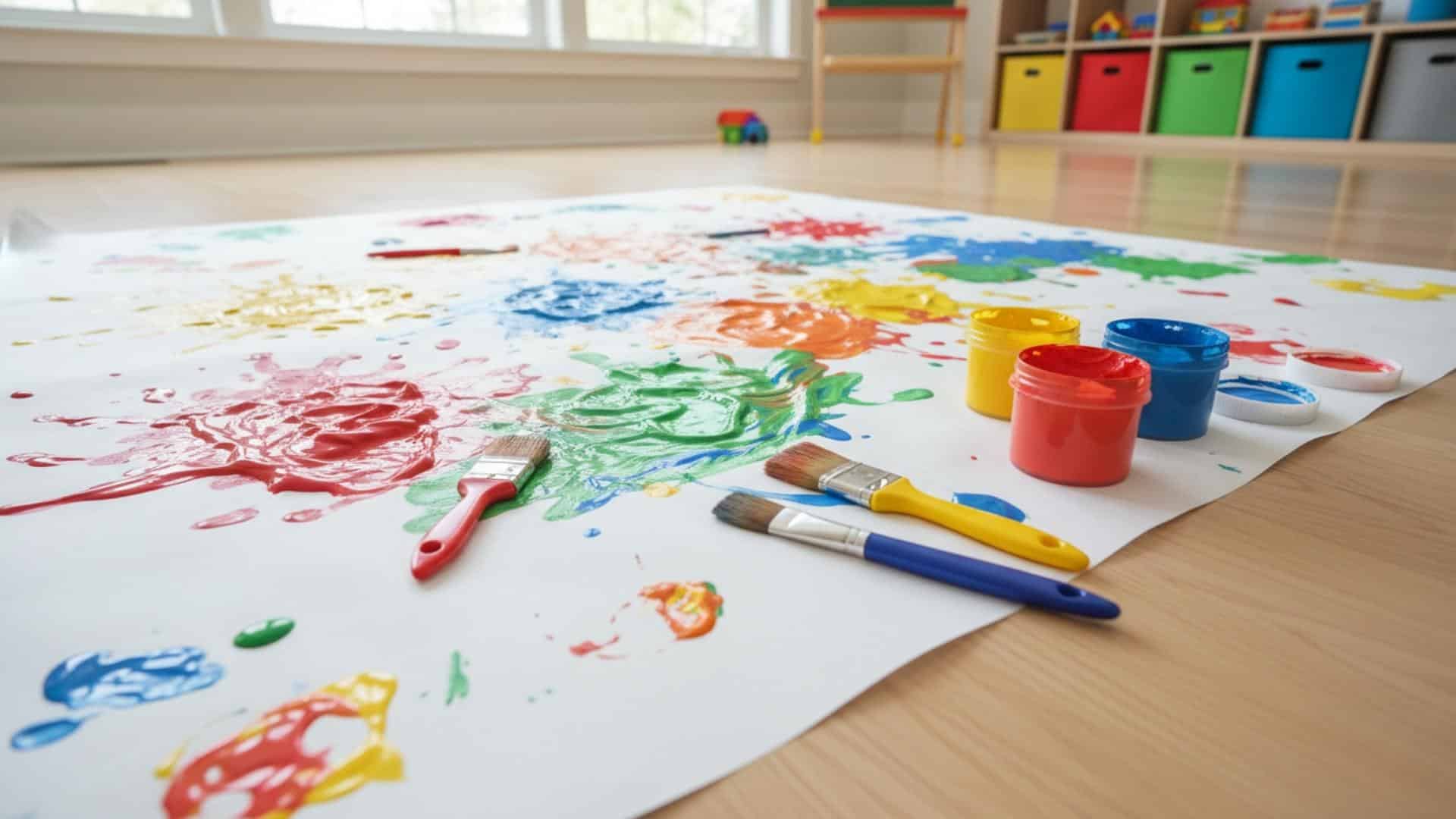
Set up a simple painting station with washable paints and large paper. Toddlers can experiment with colors and brush techniques, boosting creativity and fine motor skills.
How to Start:
- Cover your work area with newspaper or an old sheet
- Tape large paper to the table or floor
- Pour small amounts of washable paint into containers
- Provide chunky brushes or sponges
- Let your toddler paint freely without rules
- Hang their artwork when it dries
4. Play-Doh Fun
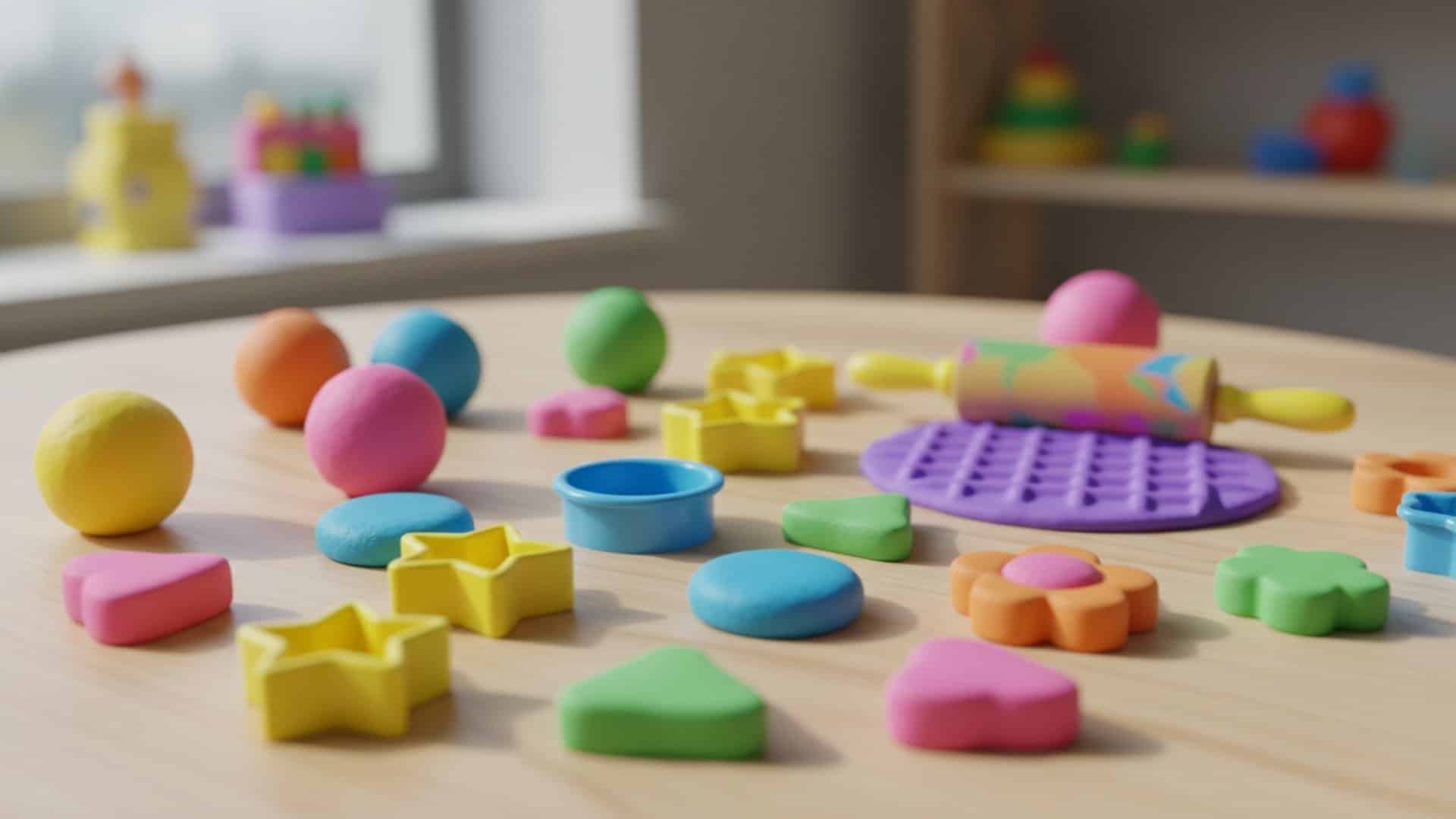
Provide homemade or store-bought play-dough and let your toddler mold shapes and figures. It helps develop hand strength and imaginative play.
Steps to Play:
- Set out different colored play dough balls
- Add cookie cutters and plastic tools
- Show how to roll, squish, and shape the dough
- Create simple objects together, like snakes or balls
- Store unused dough in airtight containers
- Supervise to prevent eating the dough
5. Dance Party
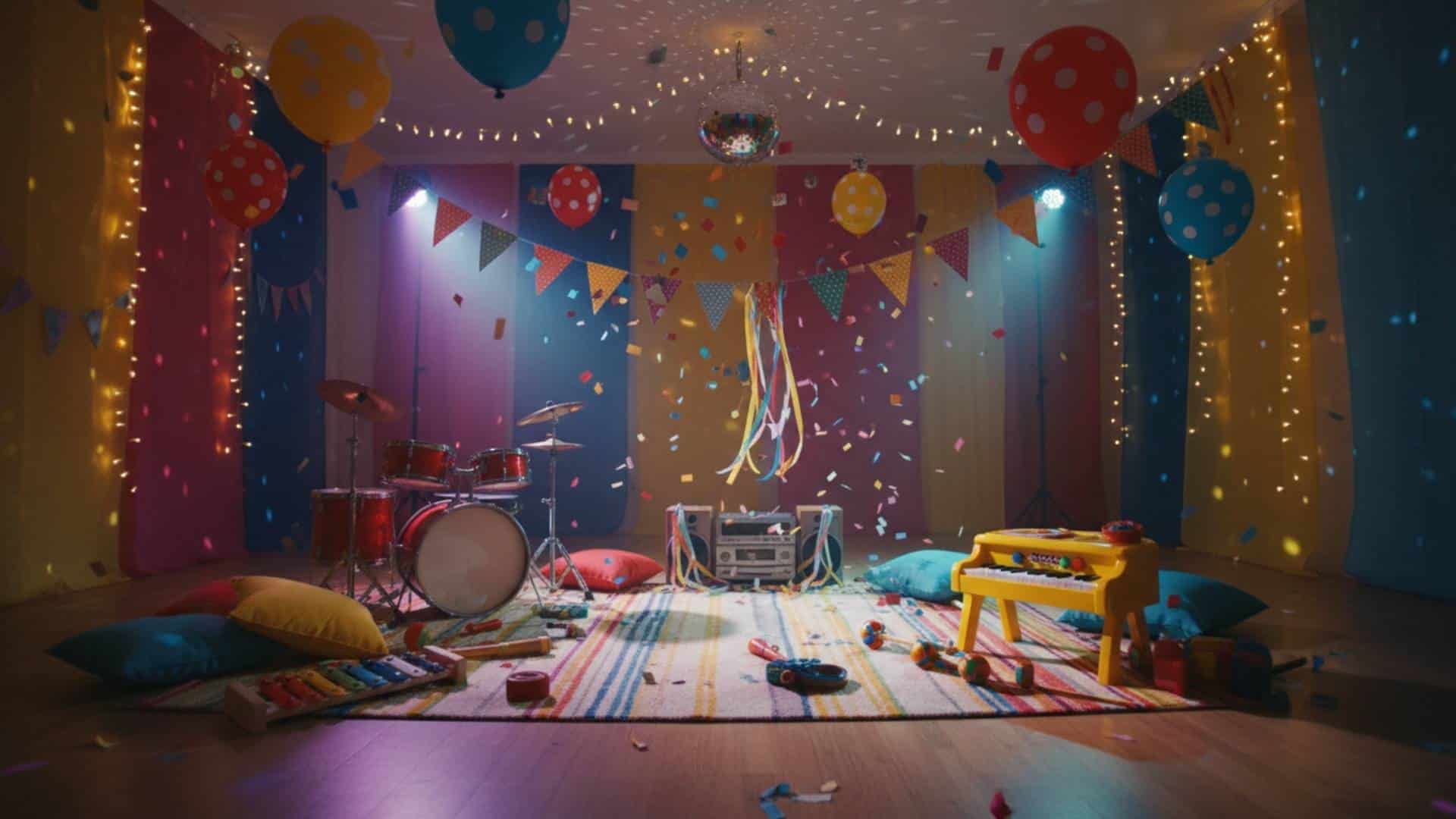
Turn on some fun music and have a little dance session with your toddler. It’s a great way to burn off energy and improve coordination.
How to Get Moving:
- Choose upbeat, child-friendly music
- Clear a safe space for dancing
- Show different dance moves like jumping or spinning
- Play freeze dance by pausing the music randomly
- Let your toddler lead and copy their moves
- Keep sessions short, around 10-15 minutes
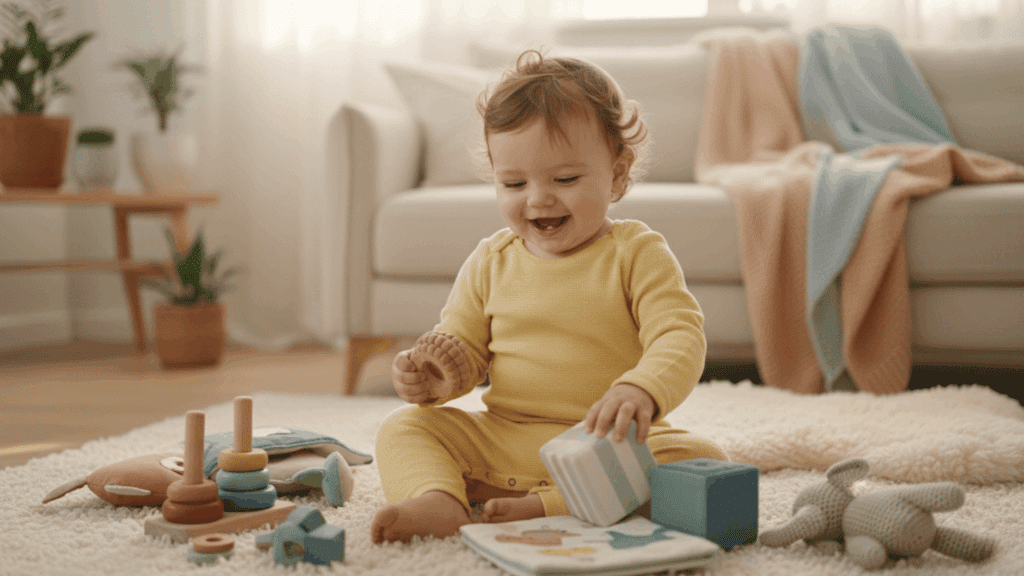
6. Building with Blocks
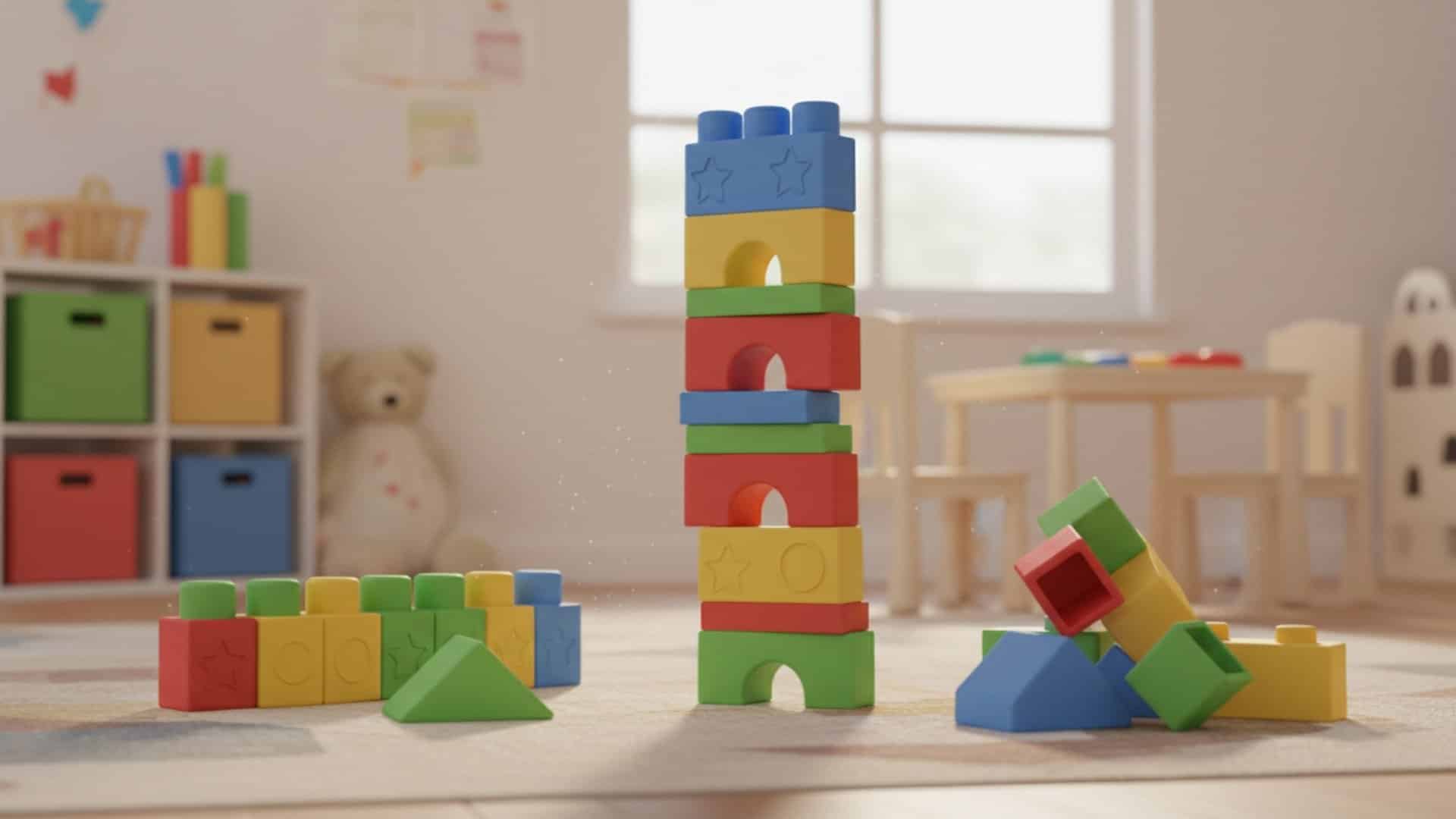
Building towers and structures with blocks helps toddlers practice problem-solving, hand-eye coordination, and spatial awareness.
Steps to Build:
- Dump out your block collection on the floor
- Start by stacking a few blocks together
- Show your toddler how to balance blocks
- Build towers and knock them down
- Create simple shapes like squares or lines
- Count the blocks as you stack them
7. Storytime with Puppets
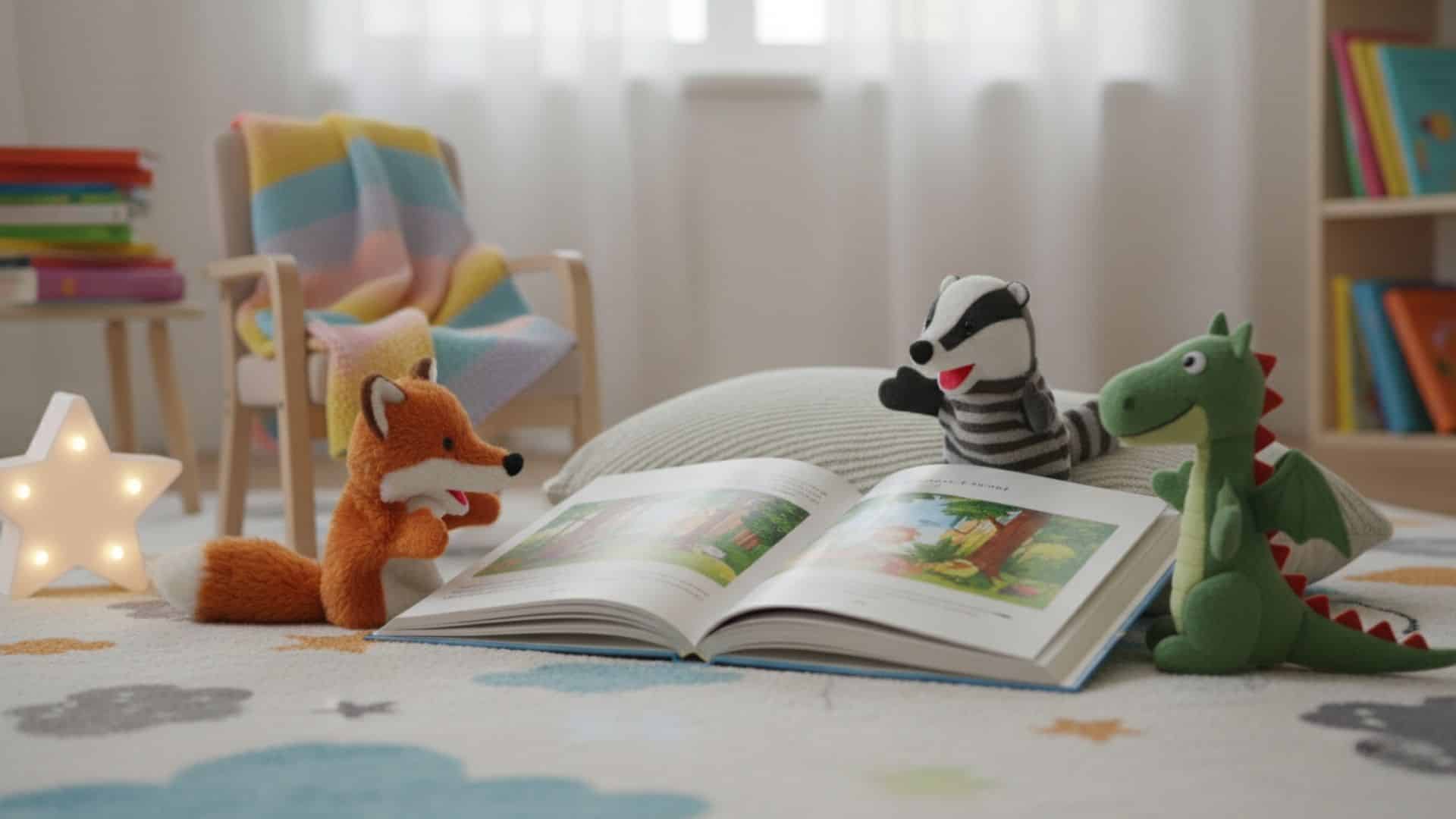
Read a book to your toddler using hand puppets to animate the characters. This encourages language development and can make reading more engaging.
How to Do It:
- Pick a favorite picture book
- Use hand puppets or make simple finger puppets
- Give different voices to each character
- Let your toddler hold a puppet, too
- Ask questions about the story as you read
- Act out scenes from the book
8. Indoor Bowling
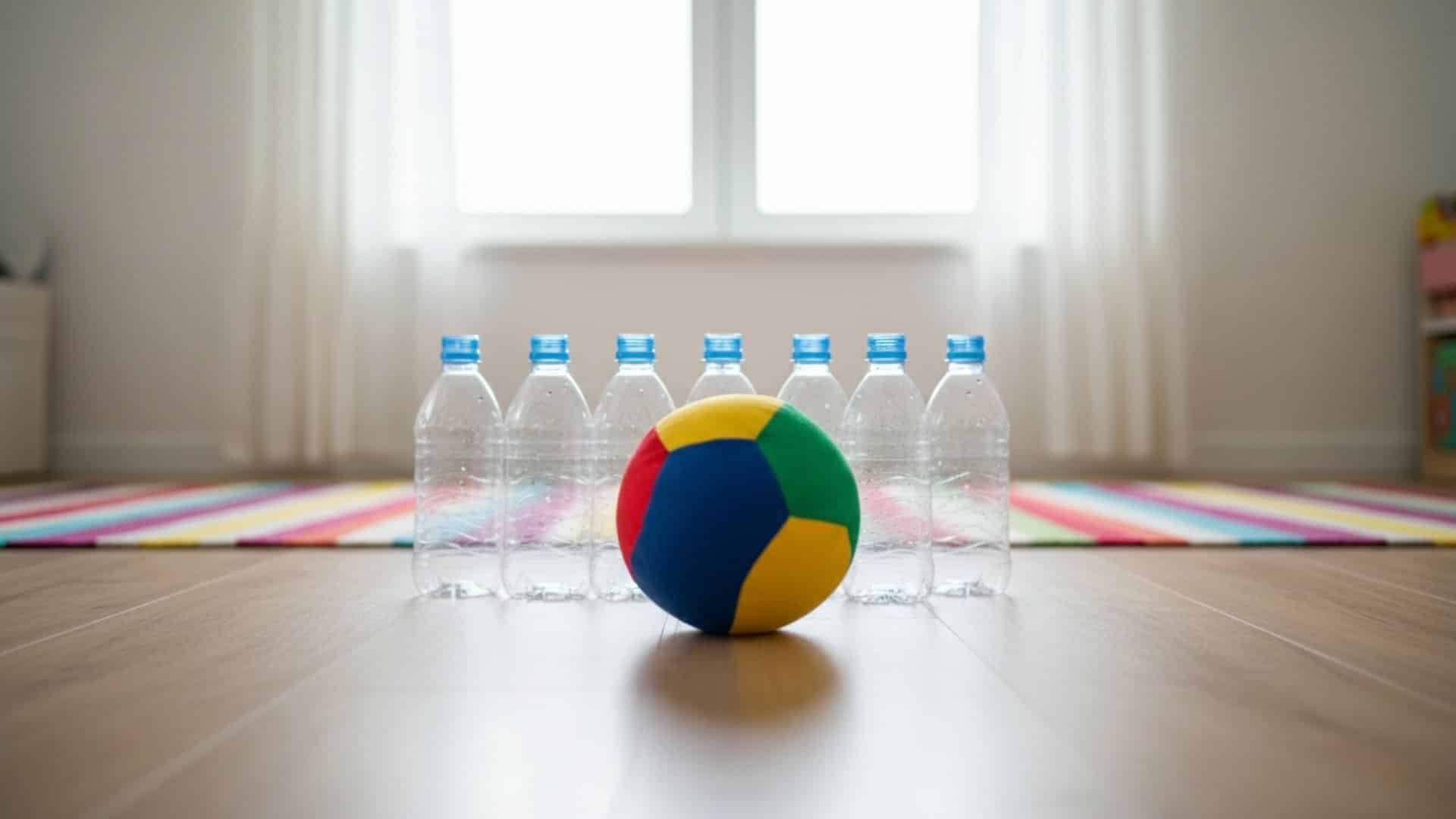
Set up a bowling game with plastic bottles and a soft ball. It’s a fun activity that enhances hand-eye coordination and teaches toddlers about counting and numbers.
Steps to Play:
- Line up 6-10 plastic bottles or cups
- Use a soft ball or rolled-up sock
- Show your toddler how to roll the ball
- Count how many pins fall down
- Reset and try again
- Take turns bowling
9. Water Play
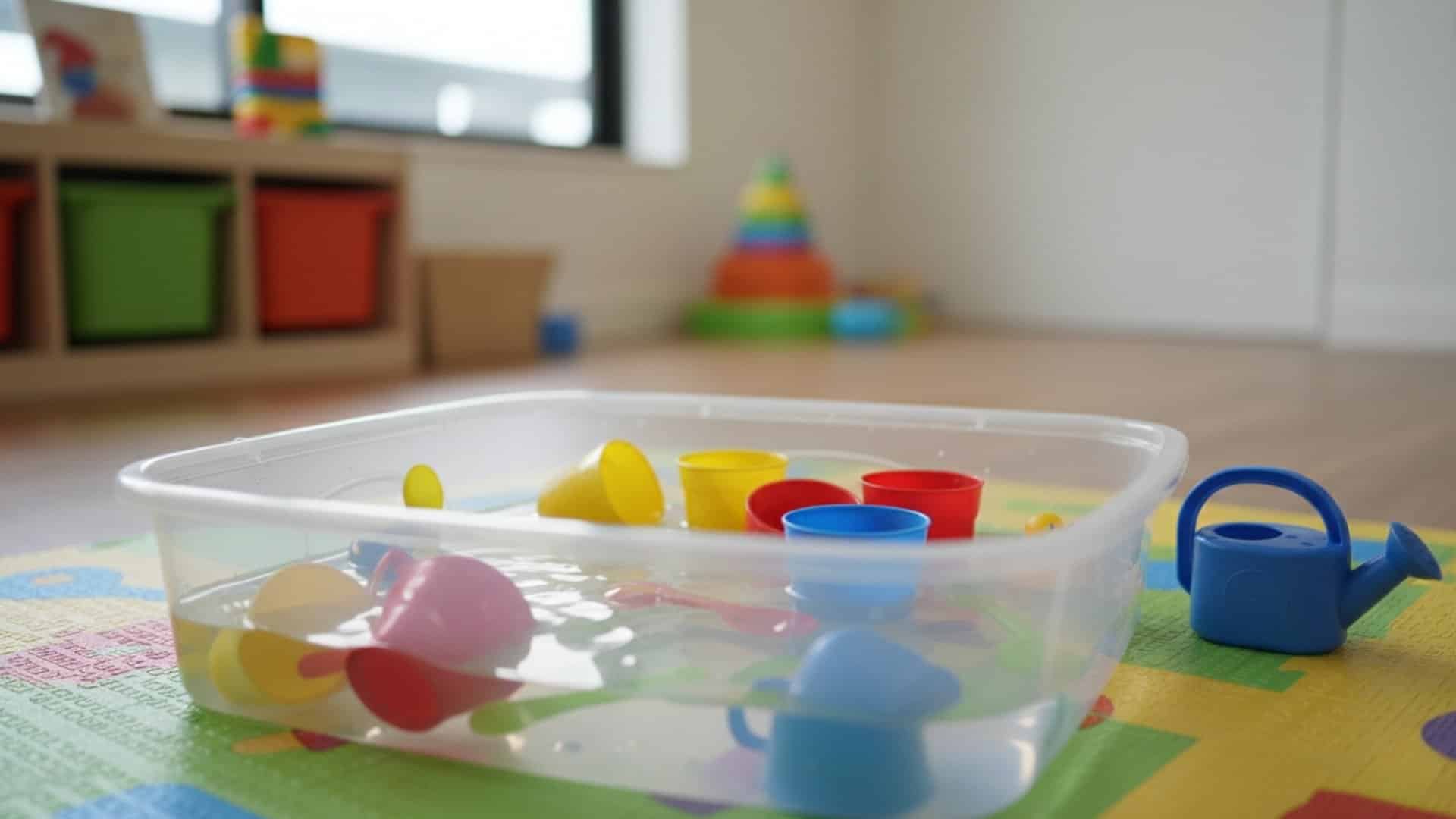
Fill a small container with water and provide plastic cups and spoons for your toddler to pour and scoop. It’s a calming activity that also enhances fine motor skills.
How to Set Up:
- Use a shallow bin or a large bowl
- Fill with a few inches of water
- Add cups, spoons, and small toys
- Place towels underneath for spills
- Let your toddler pour and transfer water
- Add food coloring for extra interest
10. Scavenger Hunt
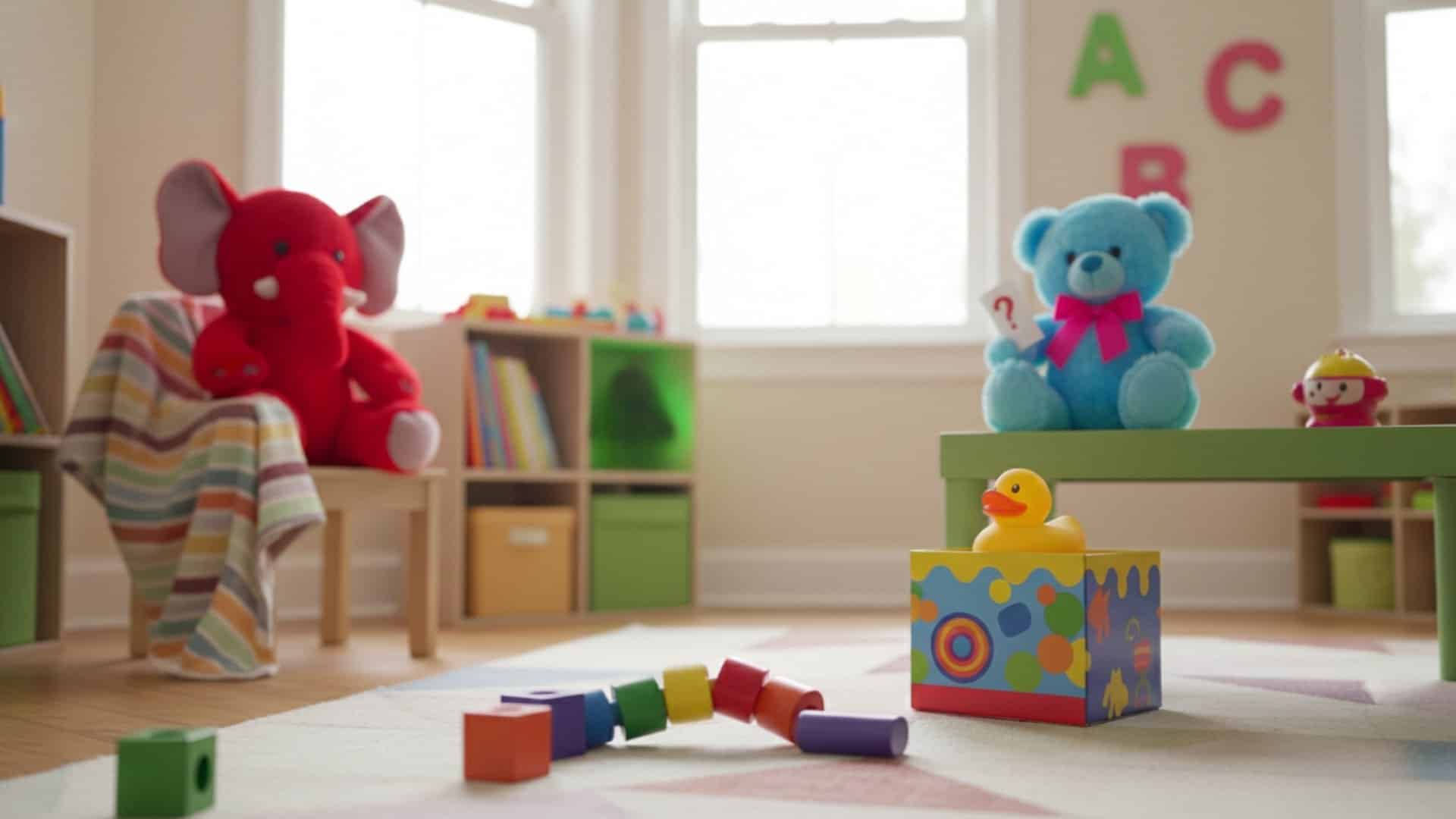
Create a simple scavenger hunt around the house by asking your toddler to find specific colors or objects. It promotes cognitive skills and problem-solving.
Steps to Try:
- Make a list of items to find
- Use pictures for non-readers
- Start with 5-7 easy objects
- Call out one item at a time
- Celebrate when they find each one
- Hide items in obvious spots for success
11. Bubble Popping
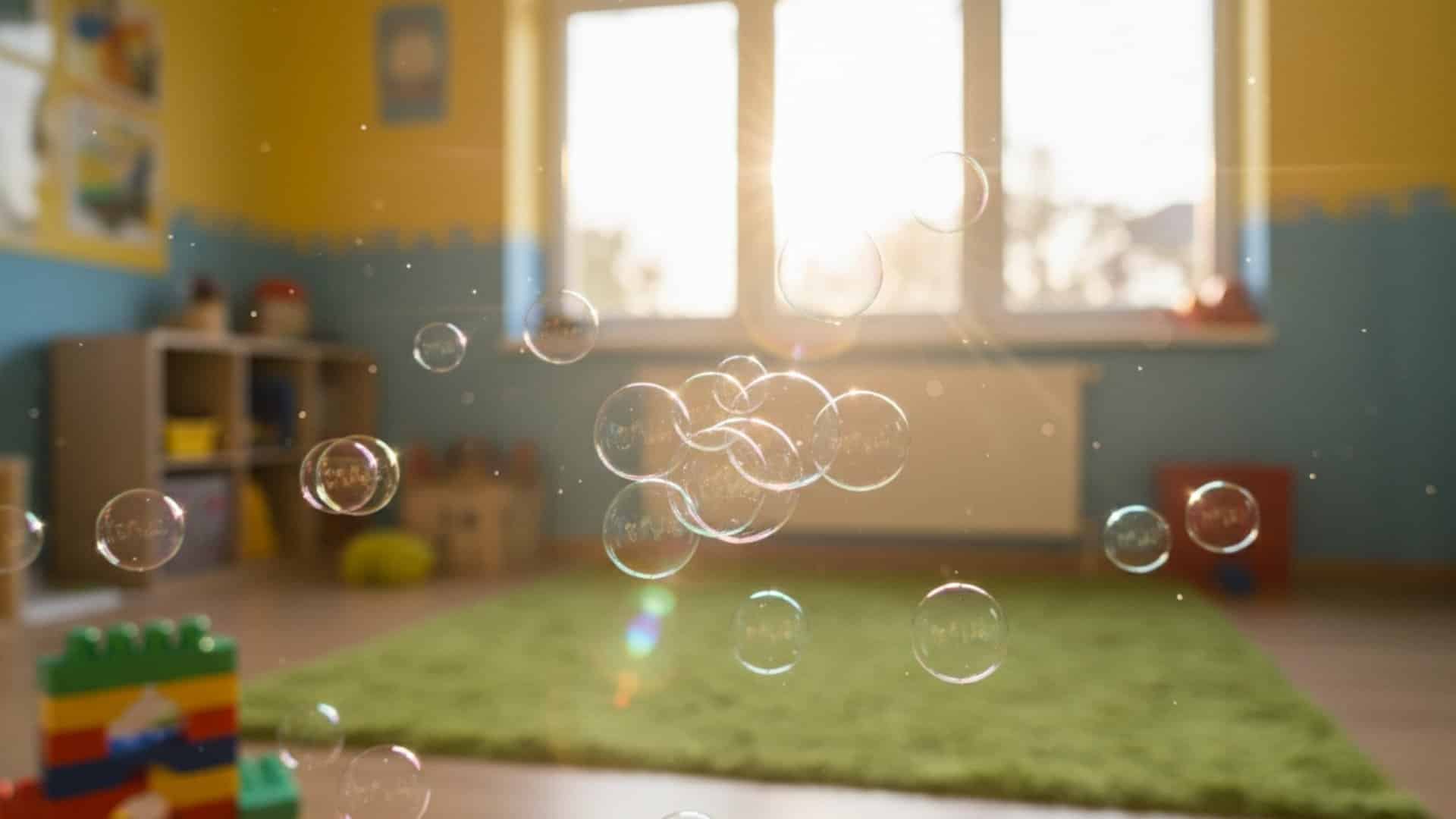
Blow bubbles and let your toddler chase and pop them. It’s not only fun but also helps with coordination and motor development.
How to Play:
- Buy bubble solution or make your own
- Blow bubbles at different heights
- Encourage your toddler to pop them
- Count how many they can catch
- Take turns blowing and catching
- Play outside when possible for more space
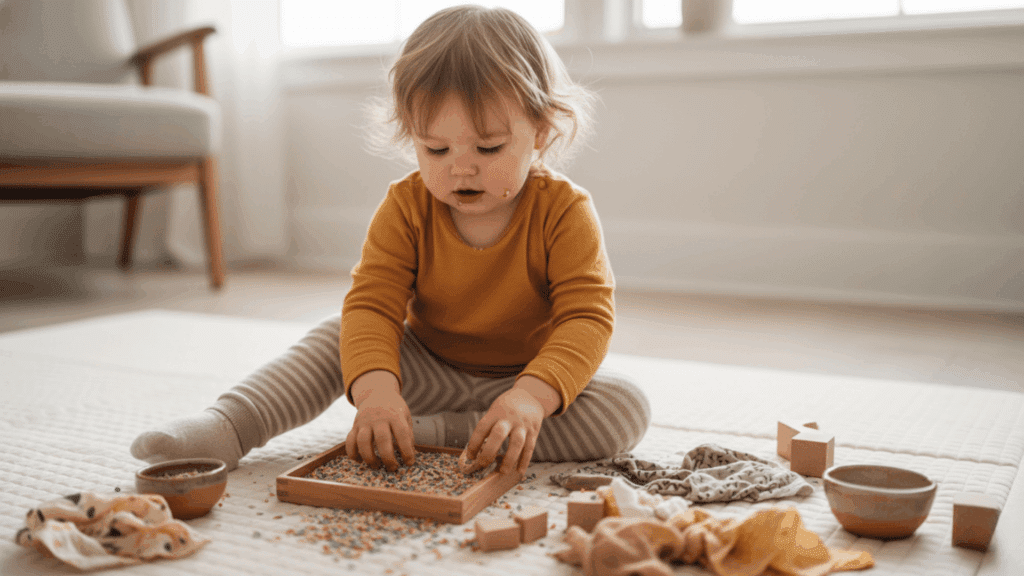
12. Sensory Bags
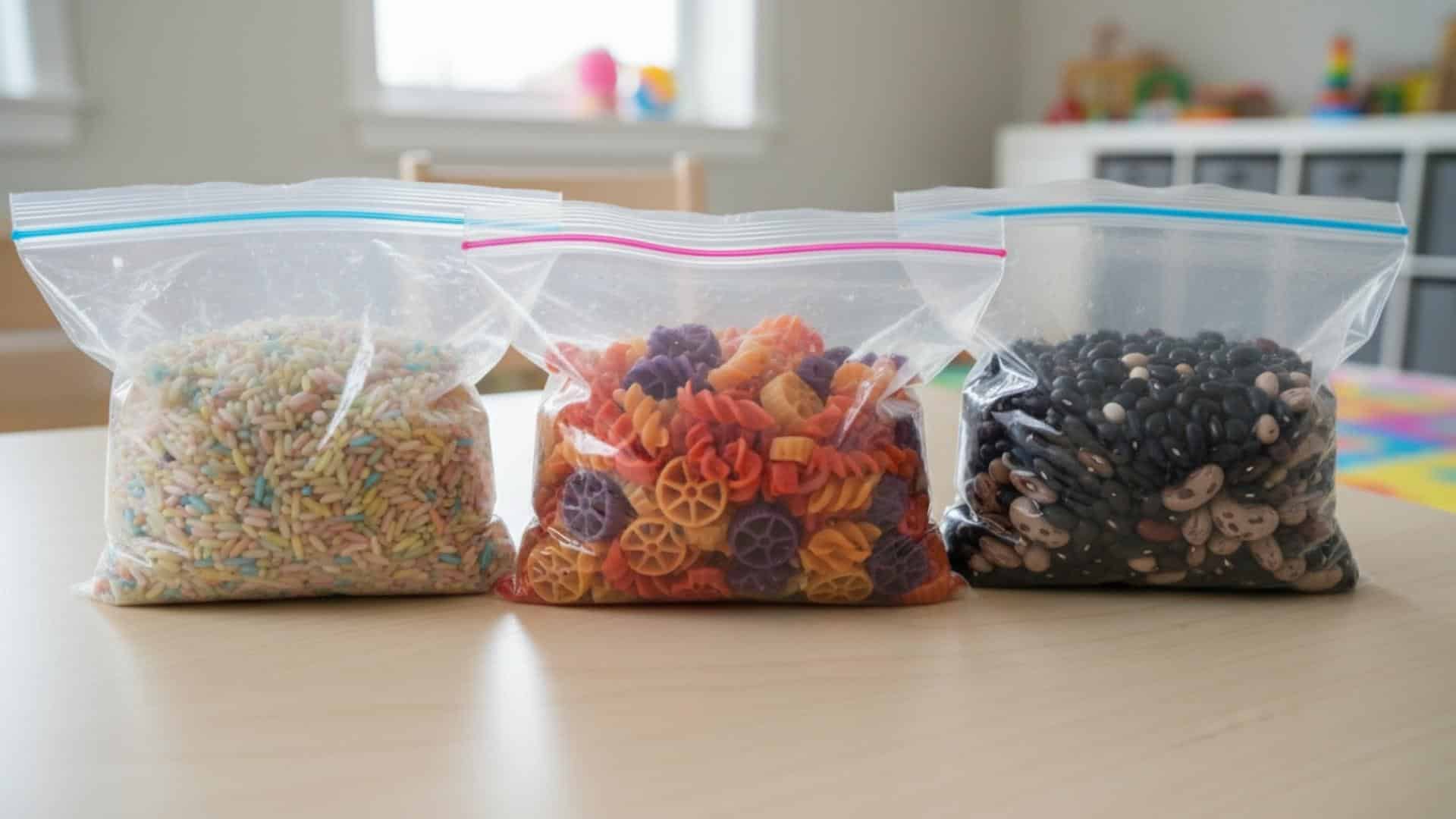
Fill clear ziplock bags with rice, pasta, or beans. Your toddler can squish and explore different textures without the mess of loose materials.
Steps to Make:
- Use heavy-duty freezer bags
- Add dry materials like rice or pasta
- Include small toys or buttons inside
- Seal the bag completely
- Tape the edges shut for extra security
- Let your toddler squish and feel the contents
13. Sticker Fun
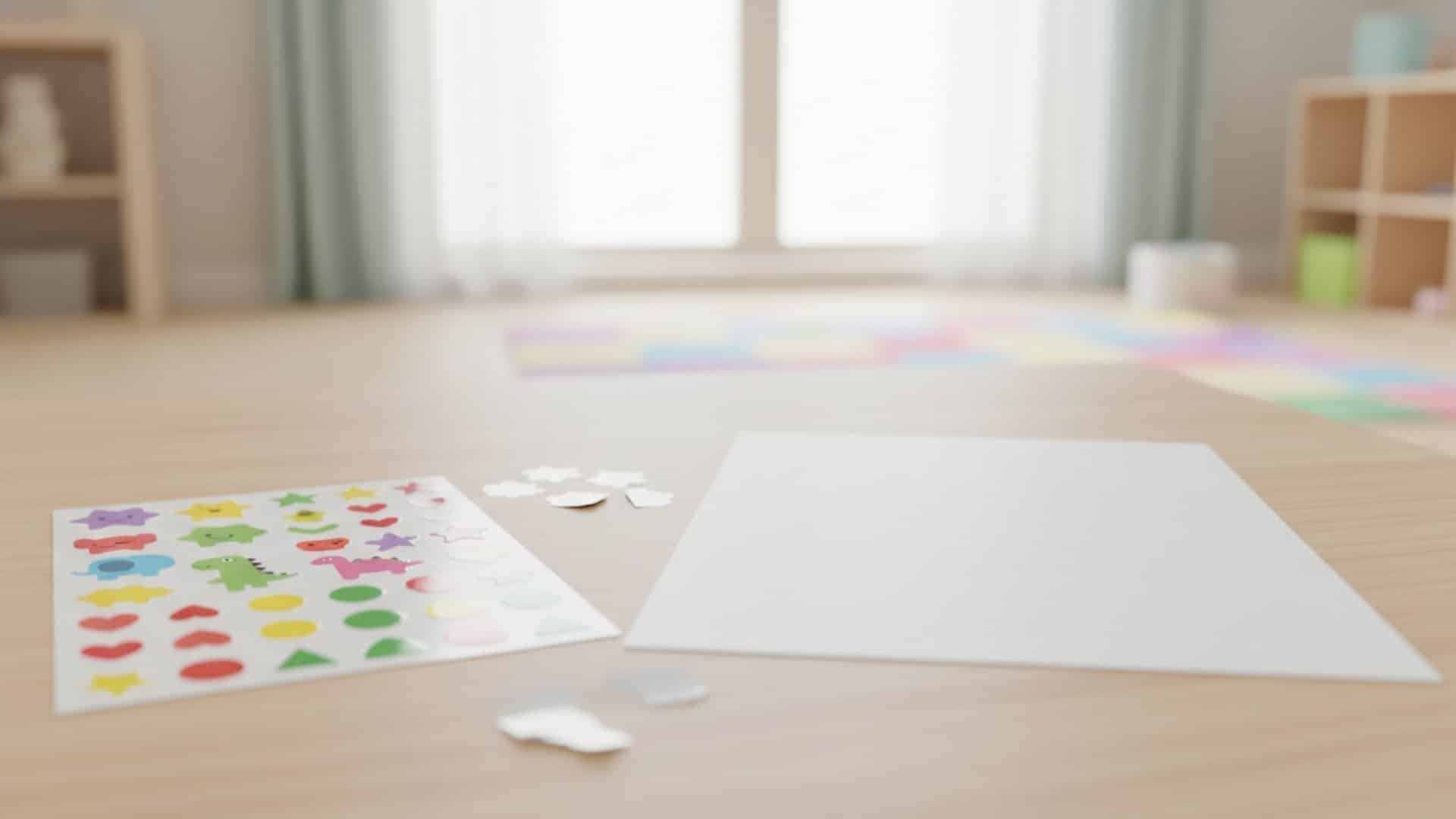
Give your toddler a sheet of stickers and let them decorate paper or objects. This activity promotes fine motor skills and creativity.
How to Start:
- Provide large, easy-to-peel stickers
- Give plain paper or cardboard to decorate
- Show how to peel and stick
- Let them place stickers anywhere they want
- Create a sticker book together
- Use stickers to practice counting
14. Pretend Play Kitchen
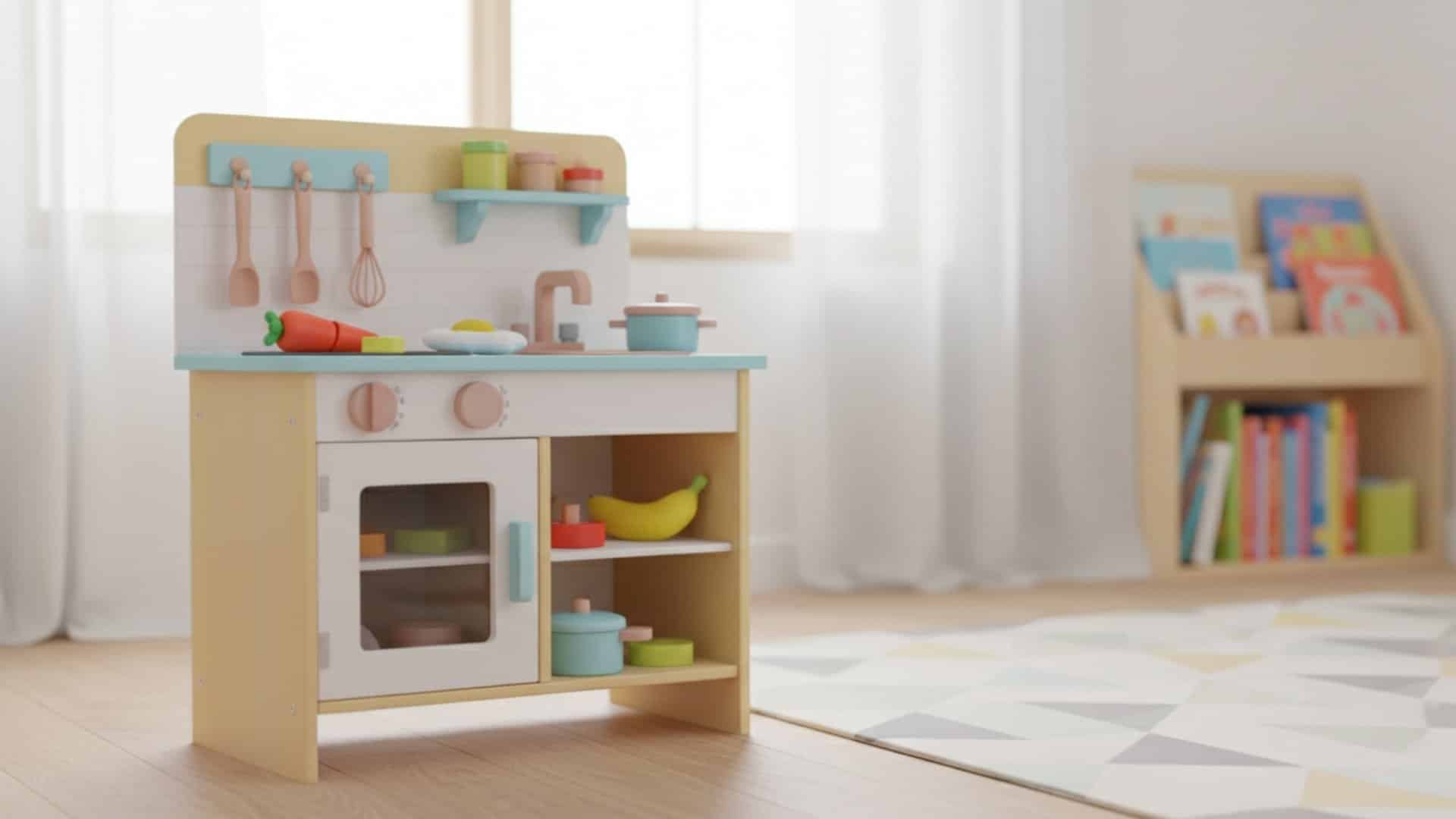
Set up a play kitchen with toy food and utensils, encouraging pretend play. This boosts imagination and cognitive skills.
Steps to Play:
- Gather toy food and kitchen items
- Set up a play area as a “restaurant.”
- Take turns being the cook and customer
- “Order” food from your toddler
- Talk about different foods and colors
- Clean up together when done
15. Cardboard Box Play
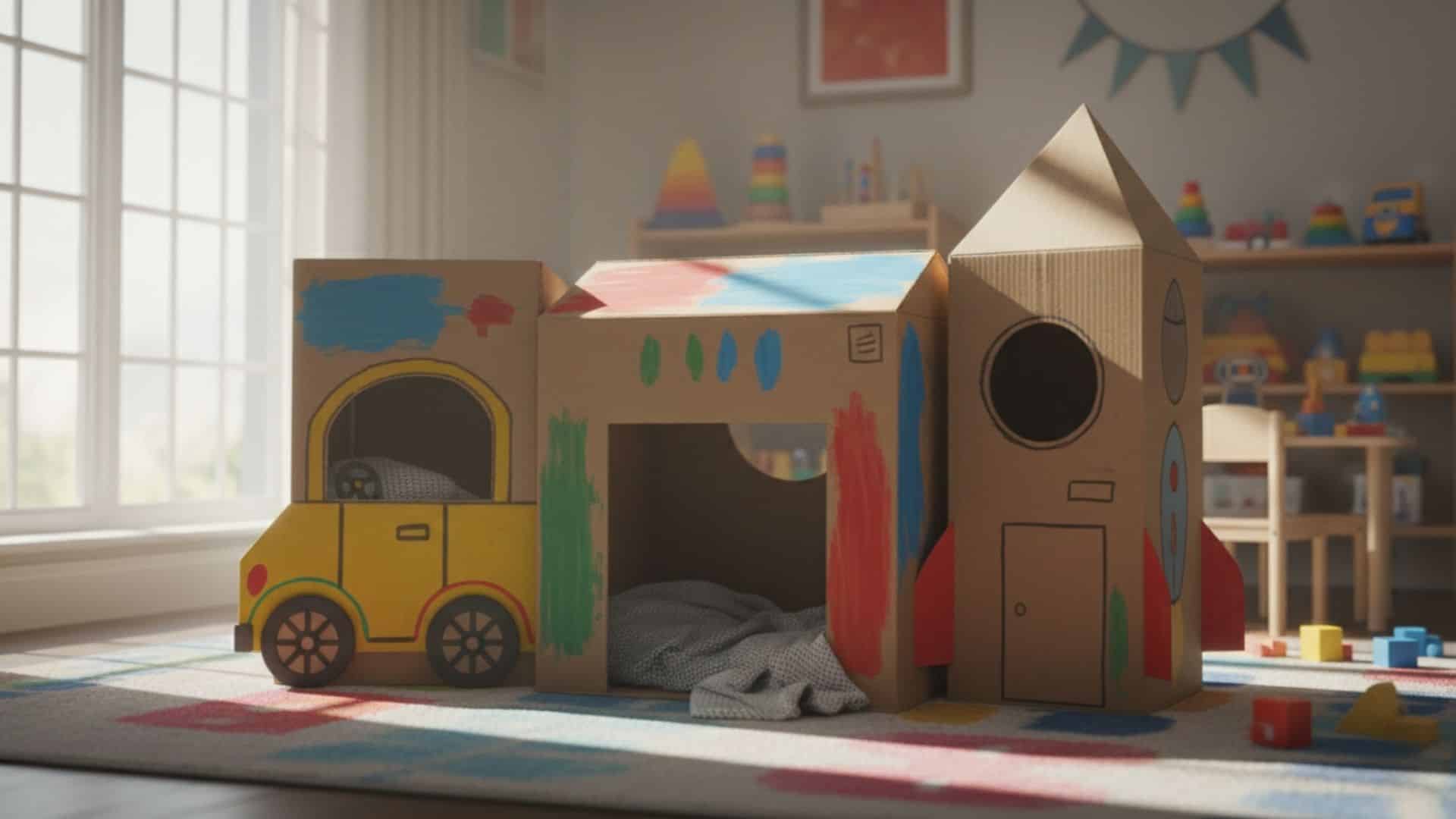
Repurpose a large cardboard box into a car, house, or spaceship. Toddlers love using their imagination to create new worlds.
Steps to Transform:
- Find a large, sturdy cardboard box
- Cut out windows and doors
- Let your toddler decorate with crayons
- Add pillows inside for comfort
- Pretend it’s different things each day
- Store small toys inside when not playing
16. Animal Yoga
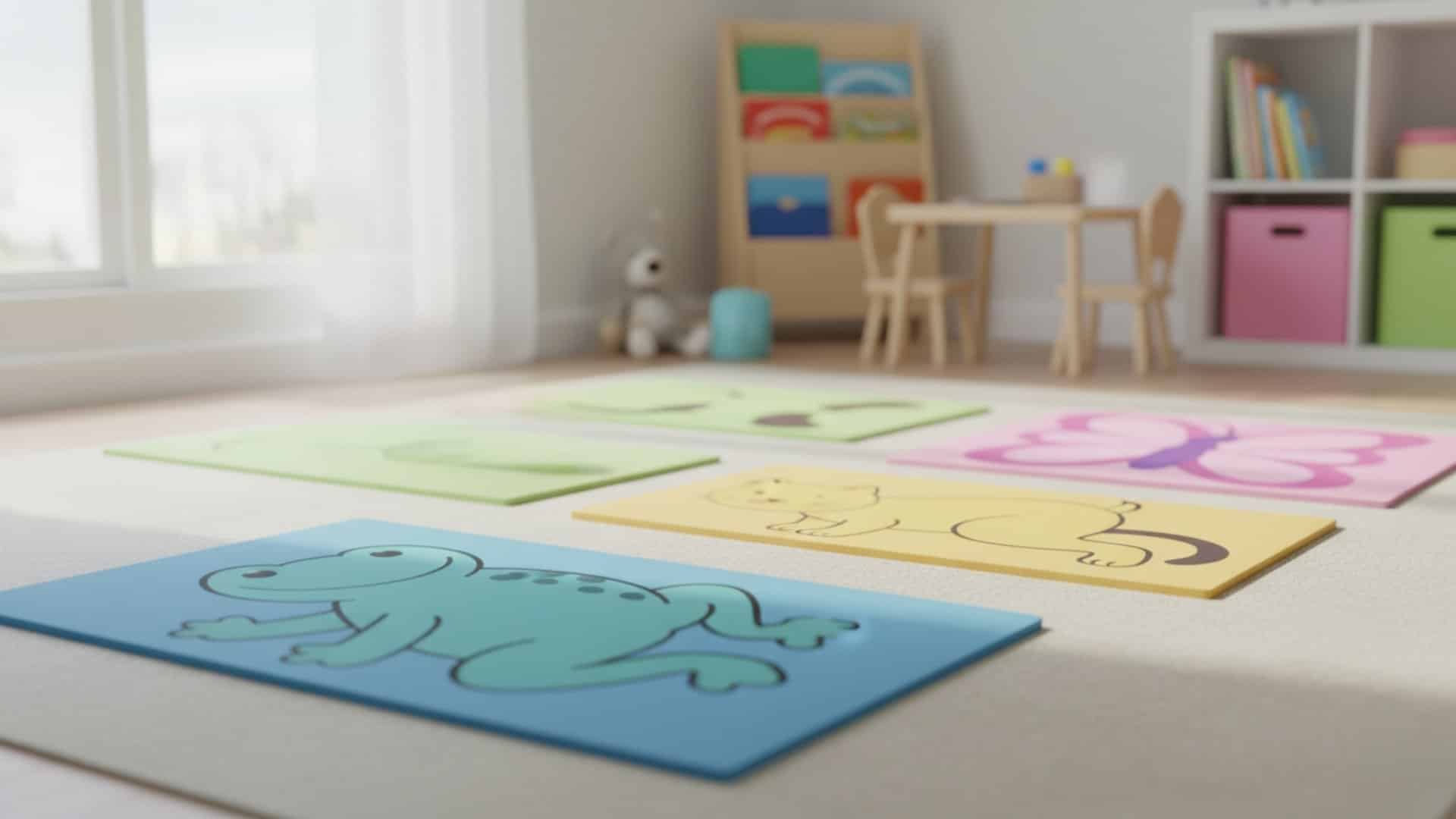
Use simple yoga poses named after animals (e.g., downward dog) to introduce your toddler to basic movements and mindfulness.
How to Try:
- Show poses like cat, cow, and frog
- Make animal sounds with each pose
- Hold each position for just a few seconds
- Let your toddler create their own animal moves
- Practice deep breathing together
- Keep it playful and fun, not perfect
17. Sorting Toys
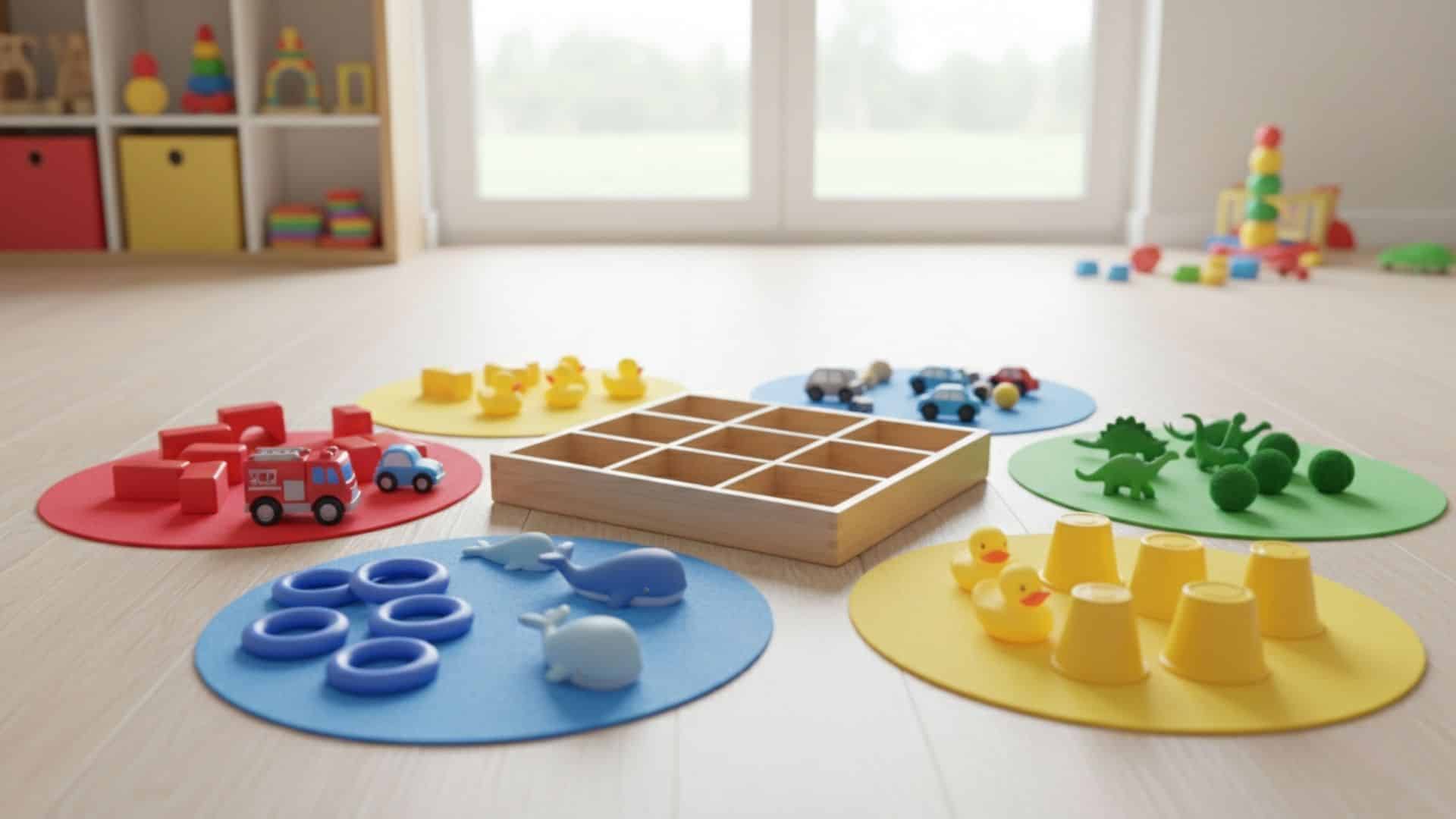
Help your toddler sort toys by color, size, or type. It enhances cognitive skills and teaches them about categorization.
Steps to Sort:
- Dump toys into a pile
- Set out containers, boxes, or boards
- Choose one sorting method at a time
- Name colors or sizes as you sort
- Let your toddler place items in groups
- Mix them up and sort again
18. Simple Cooking
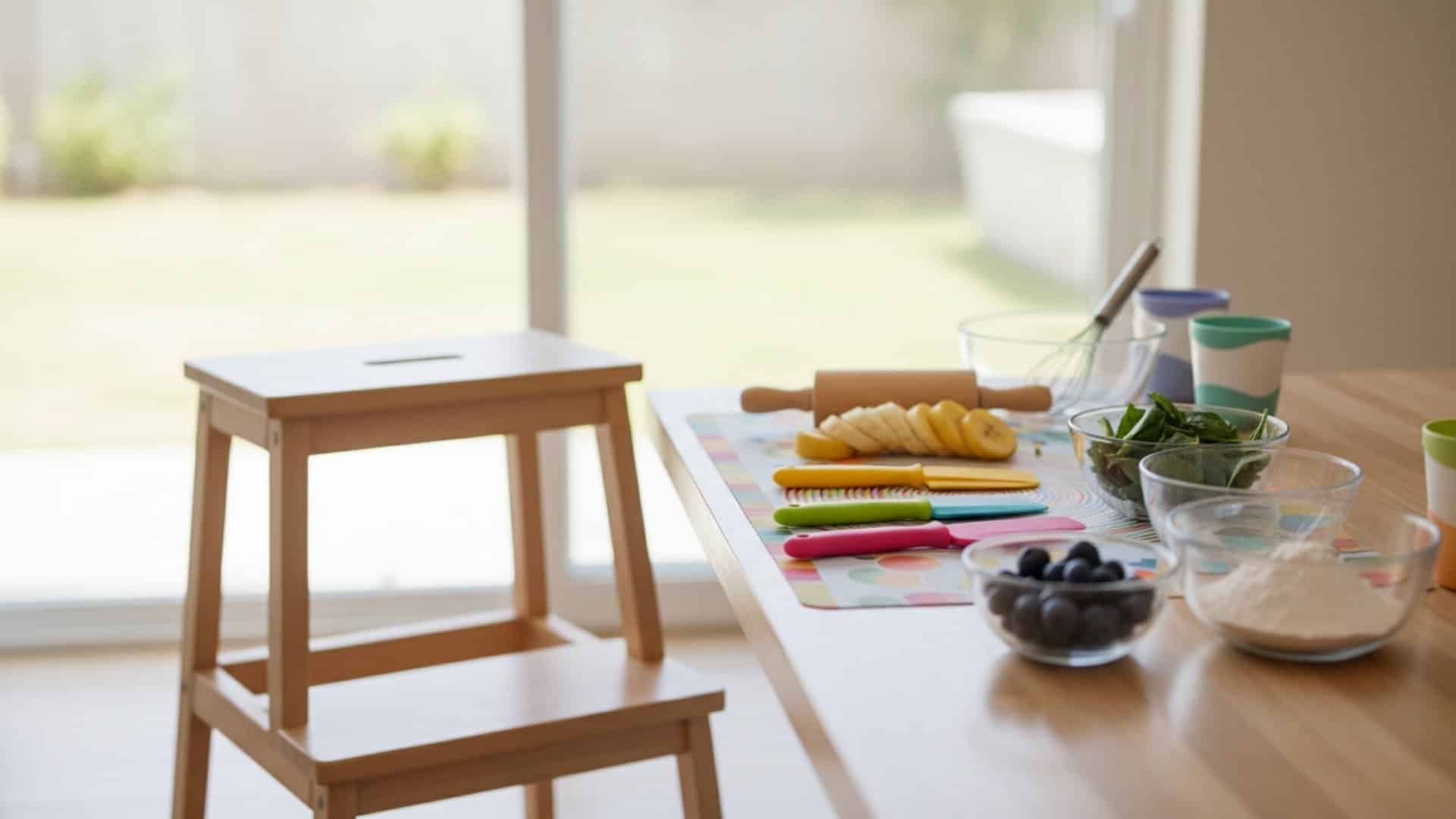
Let your toddler help with basic, safe kitchen tasks like stirring or pouring ingredients. It teaches them about cooking and promotes practical life skills.
How to Include Them:
- Choose no-cook recipes like smoothies
- Let them pour pre-measured ingredients
- Help stir the batter or the dough
- Wash vegetables in a bowl
- Use a spreader for soft foods
- Always supervise closely in the kitchen
19. Color Mixing
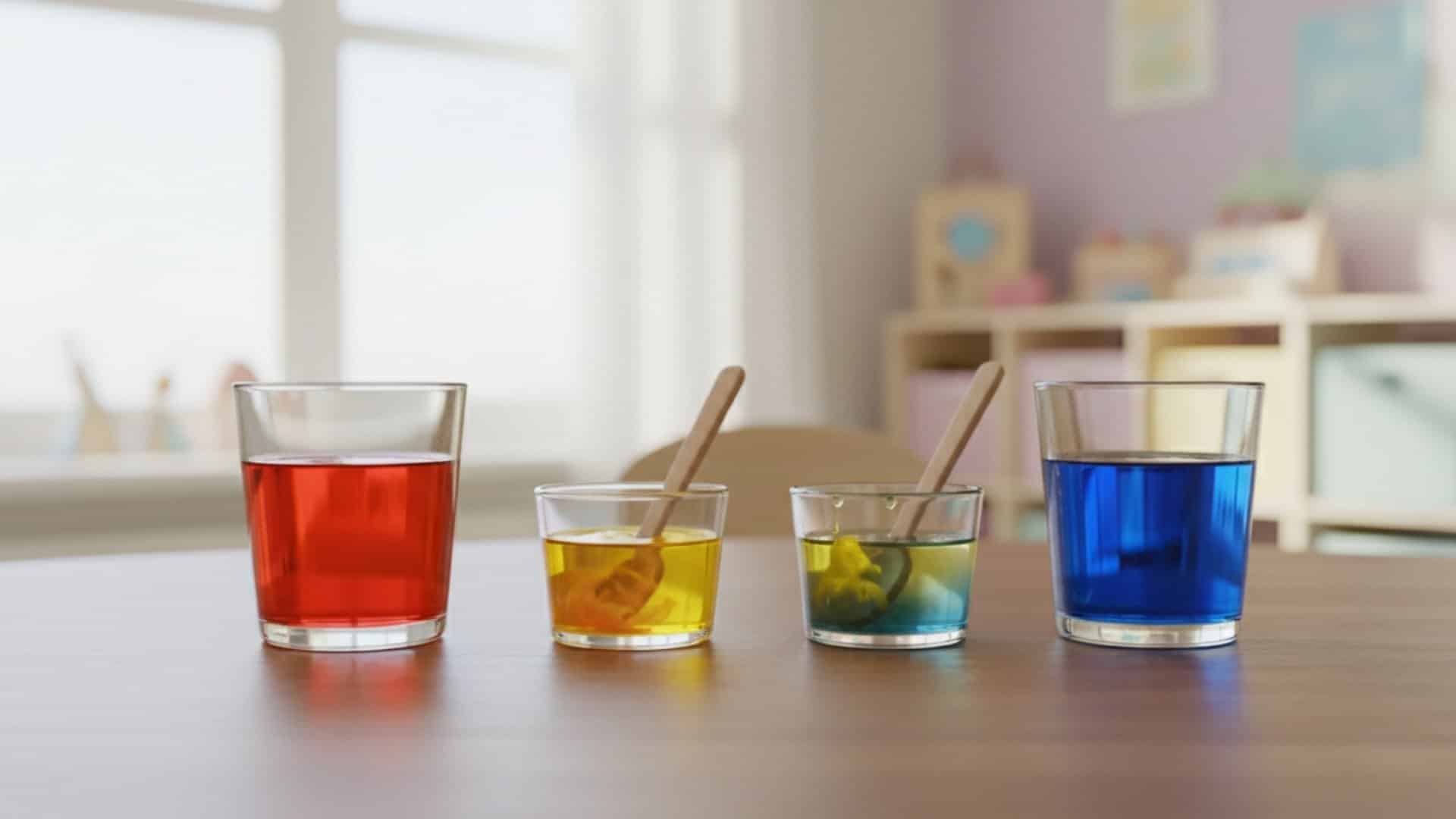
Fill clear cups with primary colors and let your toddler mix them to create new colors. It’s a fun and educational activity for little scientists.
How to Mix:
- Use three cups of water with food coloring
- Add red, blue, and yellow to separate cups
- Give your toddler small containers for mixing
- Pour small amounts together
- Talk about what new colors appear
- Write down the color combinations you make
20. Rock Painting
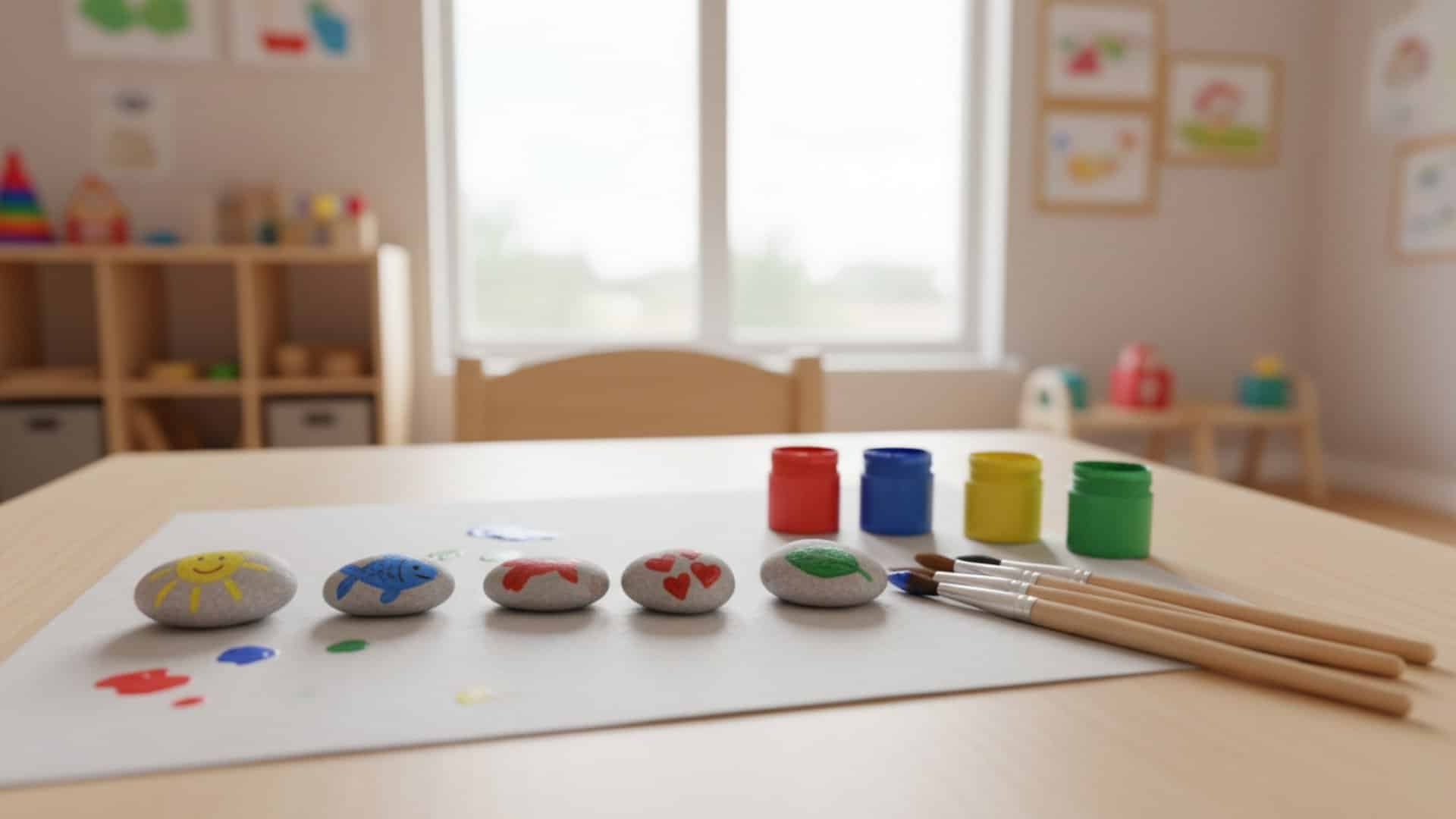
Collect small rocks and paint them with fun designs. Once dried, you can create a collection or use them for a treasure hunt.
Steps to Paint:
- Wash and dry smooth rocks
- Set up paints and brushes outside
- Let your toddler paint freely
- Dry completely before handling
- Display finished rocks in a basket
- Hide painted rocks for a treasure hunt
21. Nature Walk

Take a walk outside, pointing out different plants, insects, and birds. It’s a great way for toddlers to learn about the world around them.
How to Explore:
- Walk slowly and stop often
- Point out colors, shapes, and sounds
- Let your toddler touch safe plants
- Collect small items like leaves or sticks
- Talk about what you see and hear
- Bring a bag to carry treasures home
22. Play with Animal Figures
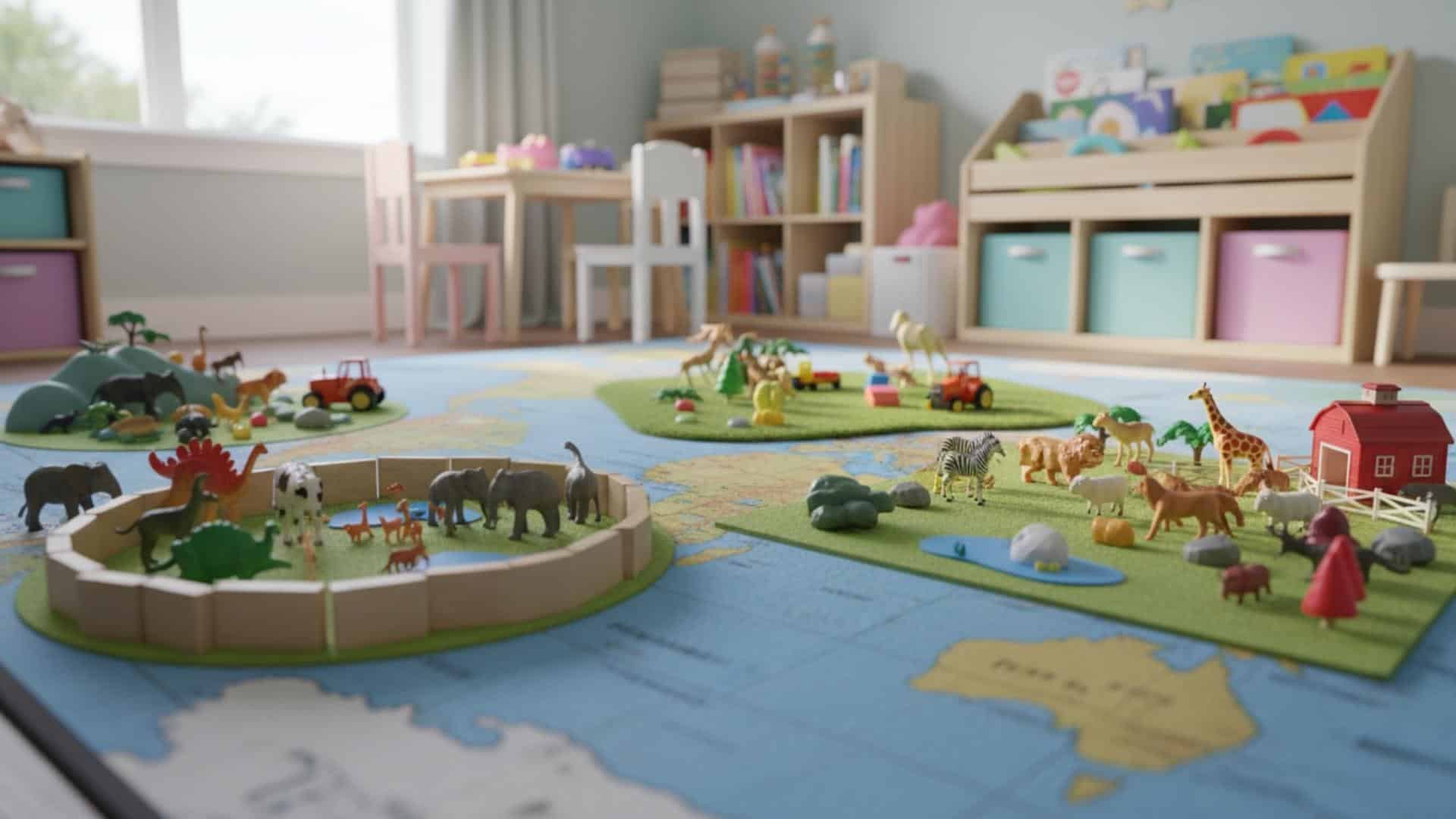
Create a zoo or farm with toy animal figures. This sparks imaginative play while teaching your toddler about different animals.
Steps to Play:
- Set out all your toy animals
- Build habitats with blocks or boxes
- Make animal sounds together
- Sort animals by type or size
- Create stories about the animals
- Practice counting the animals
23. DIY Sensory Board
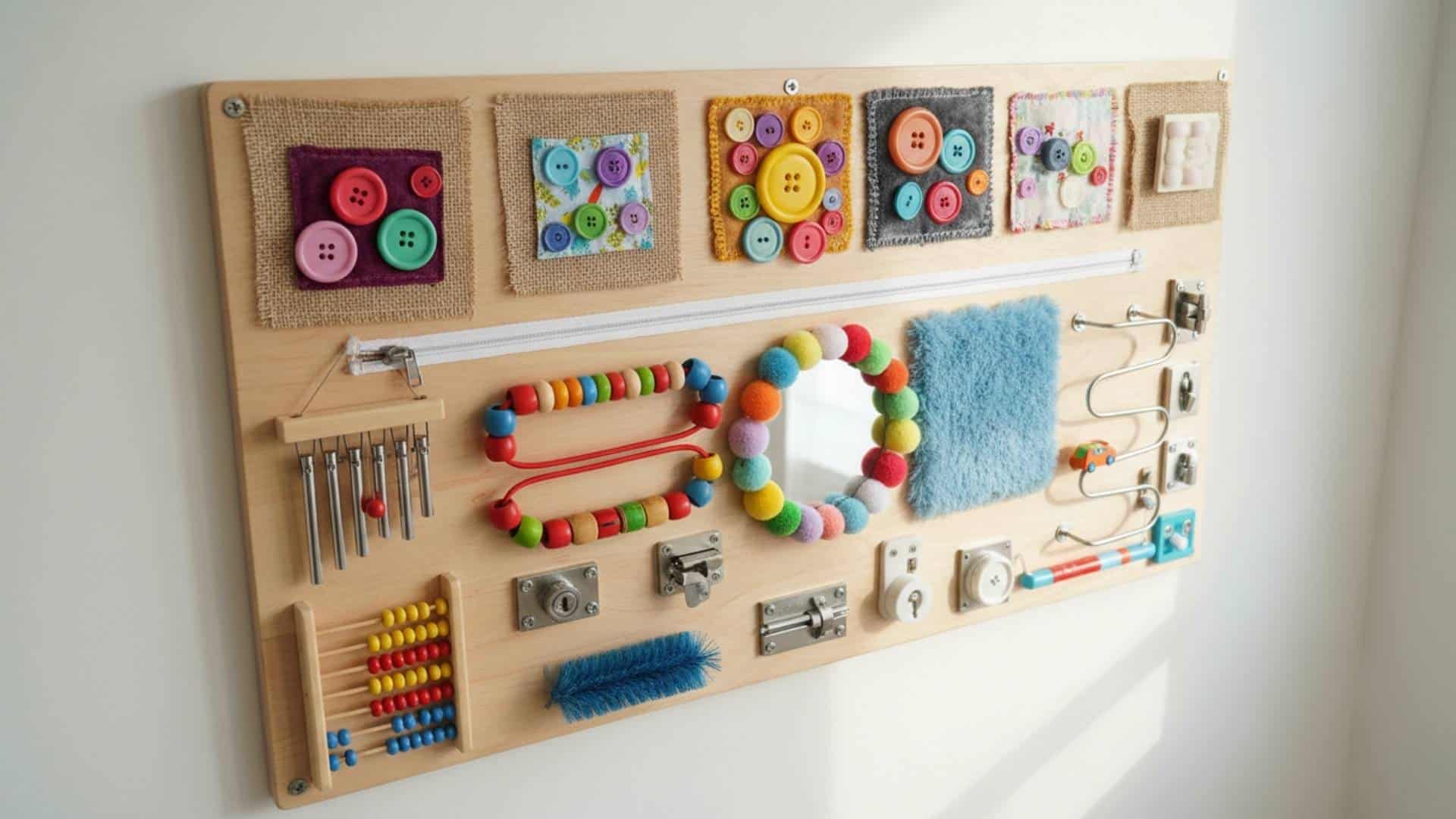
Use household items like buttons, fabric, or small toys to create a sensory board. It’s perfect for tactile exploration.
How to Make:
- Use a large piece of cardboard
- Glue on different textured materials
- Include soft, rough, bumpy, and smooth items
- Attach securely so nothing comes loose
- Let your toddler touch and explore
- Talk about how each item feels
24. Puppet Show
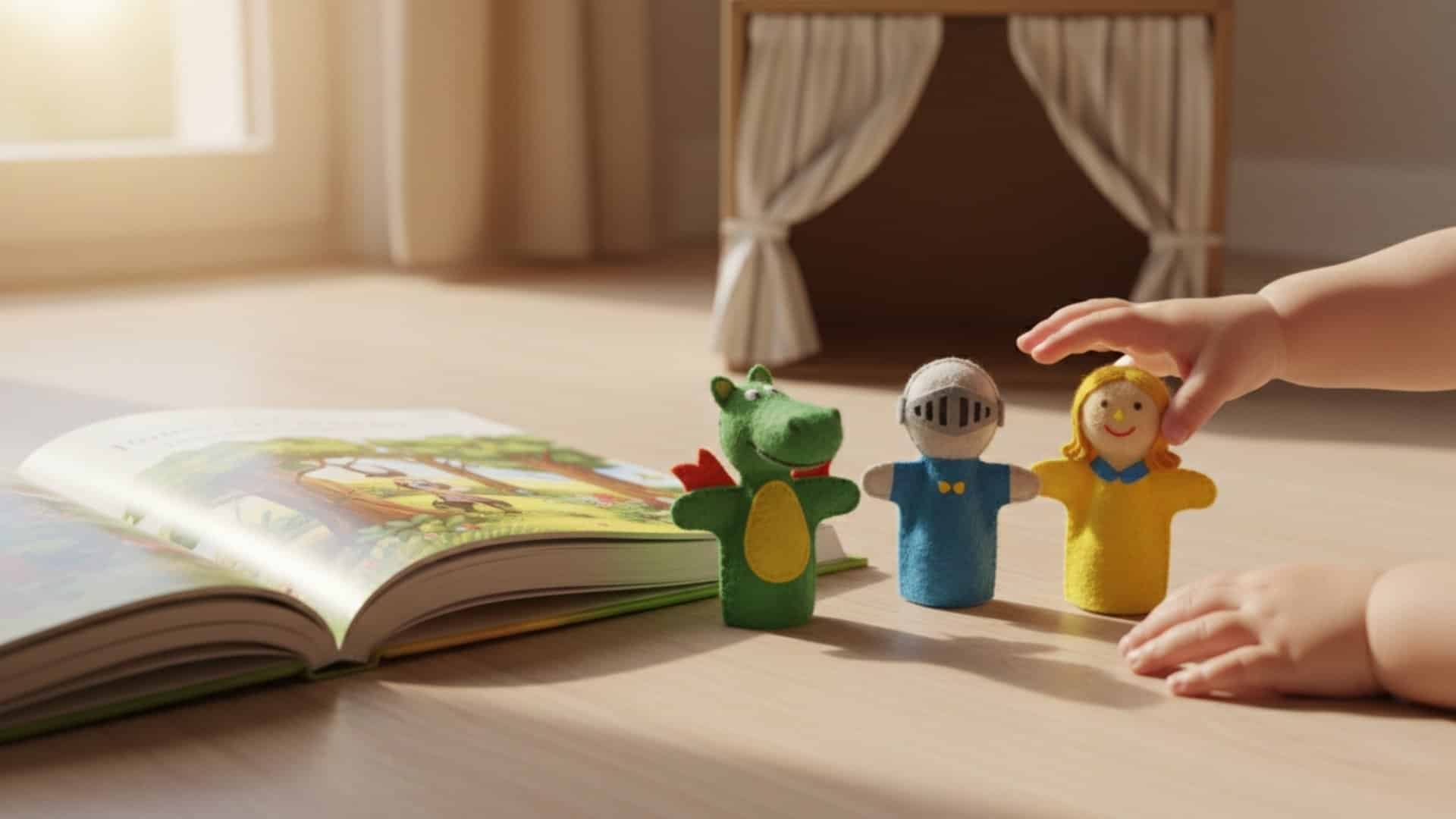
Put on a puppet show with simple finger puppets. Toddlers can get involved by acting out stories, which helps with language development.
Steps to Perform:
- Make or buy simple puppets
- Create a “stage” behind the couch
- Act out a familiar story
- Use different voices for characters
- Let your toddler help operate puppets
- Keep shows short and simple
25. Fruit and Veggie Stamps
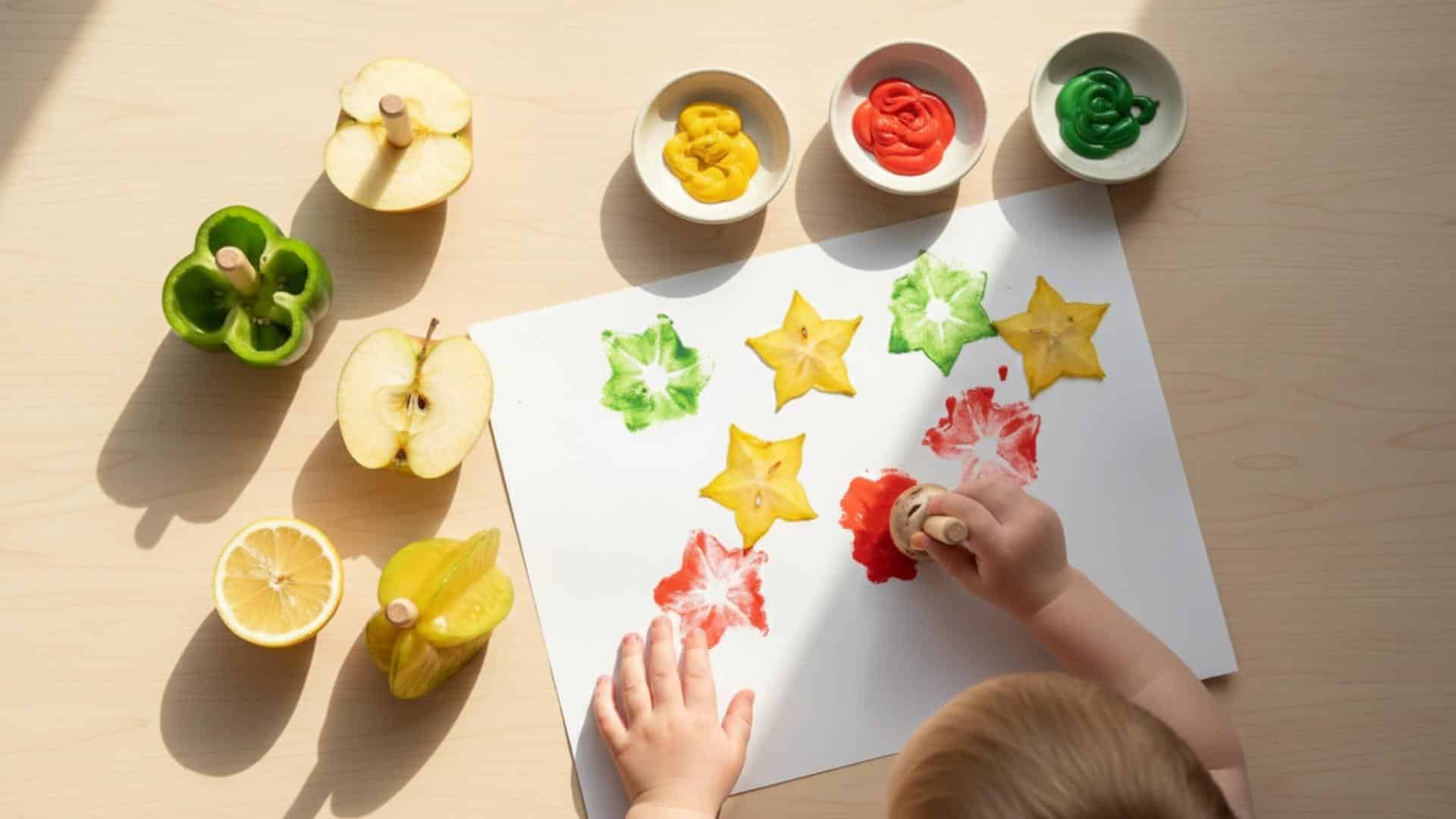
Dip cut fruits and veggies in paint and stamp them on paper. This creative activity also teaches toddlers about different foods.
How to Stamp:
- Cut fruits or veggies in half
- Pour paint into shallow dishes
- Show how to dip and press
- Let your toddler stamp freely
- Talk about each food as you stamp
- Wash your hands and tools when finished
26. Planting Seeds
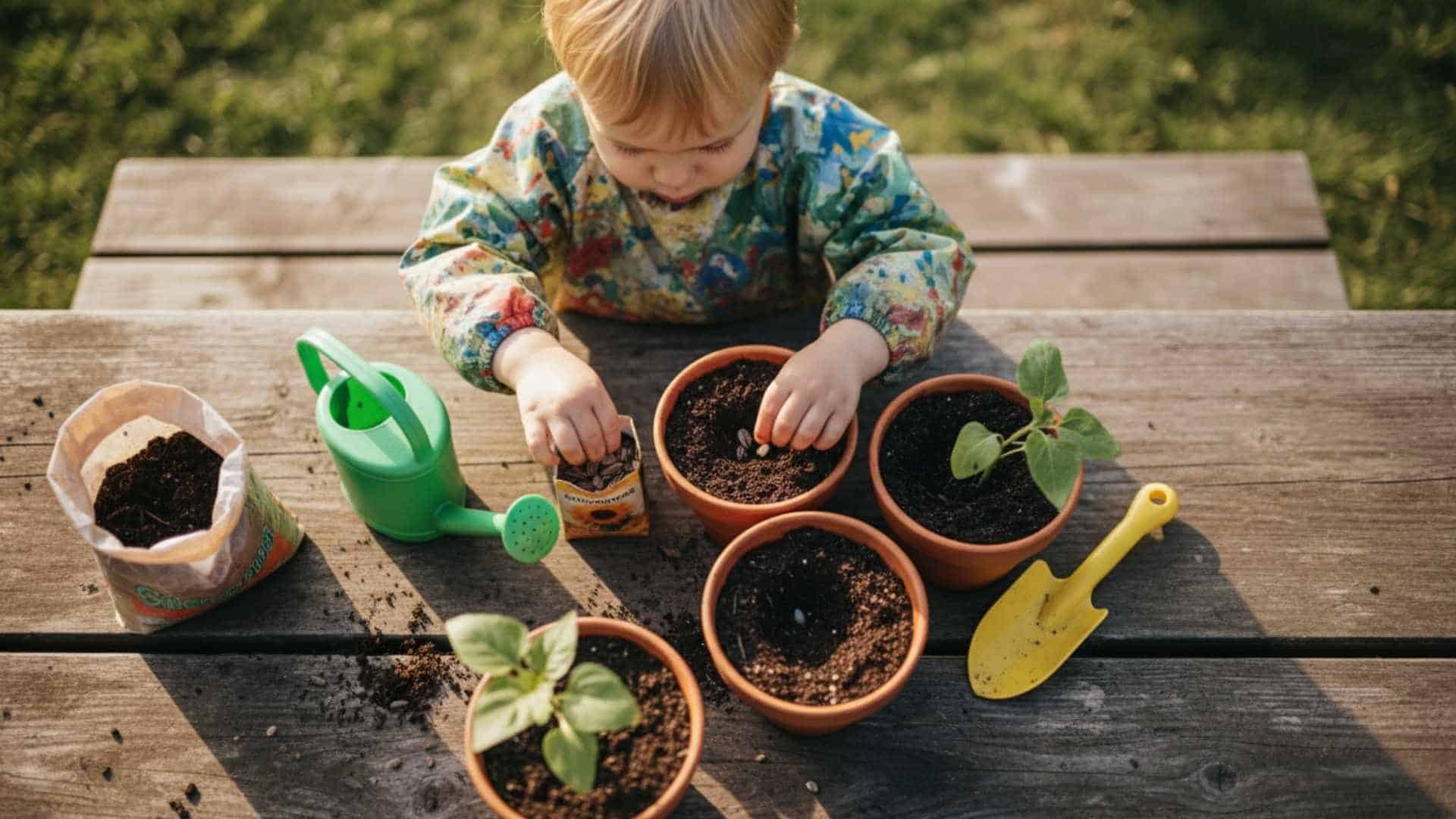
Let your toddler plant seeds in small pots. It’s a hands-on way to introduce them to nature and responsibility.
Steps to Plant:
- Fill small pots with soil
- Let your toddler pour and pat the dirt
- Make a small hole for the seed
- Drop seeds in and cover lightly
- Water gently together
- Place pots in a sunny spot
27. Play with Paper Towel Rolls
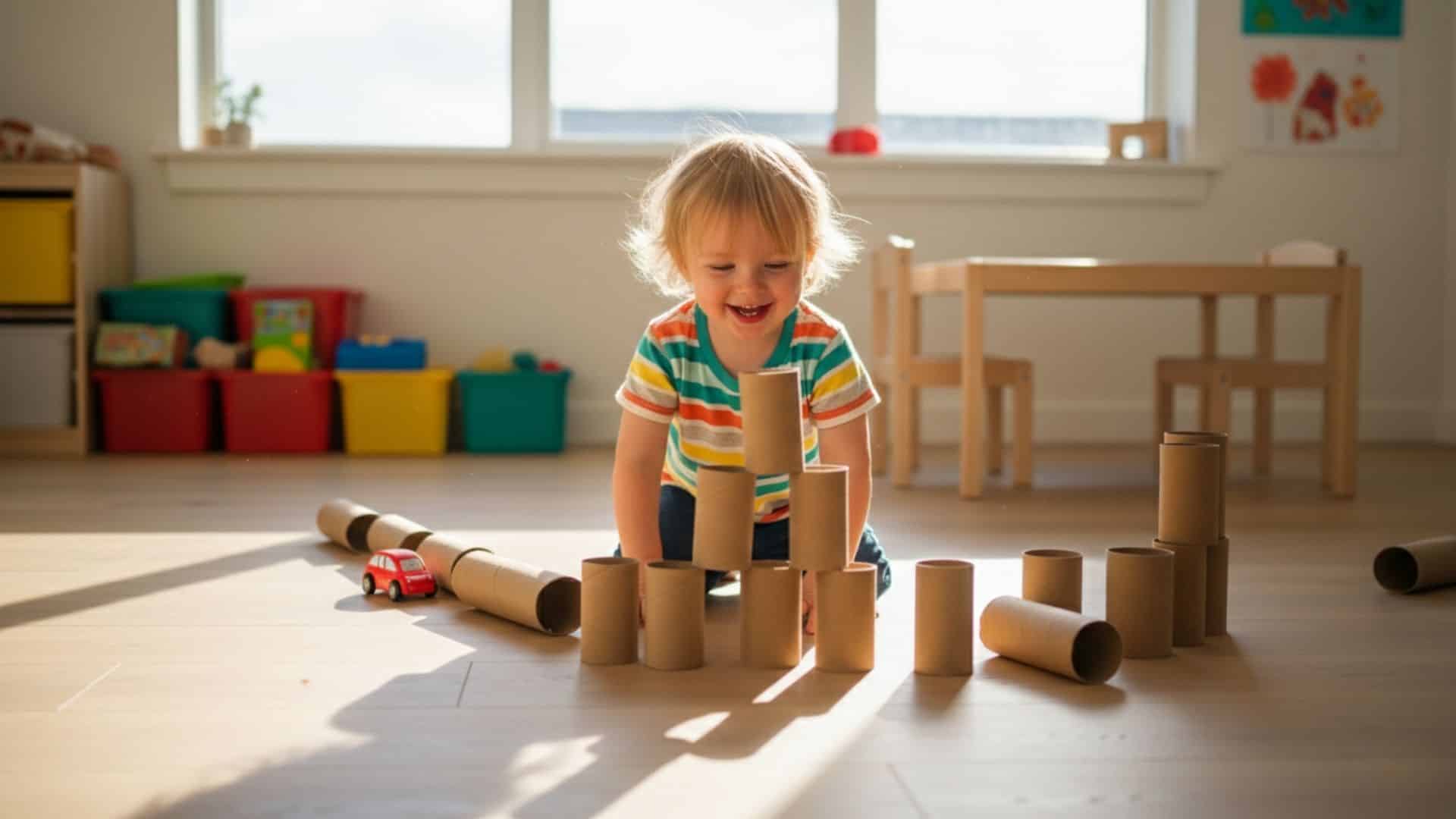
Let your toddler use empty paper towel rolls for stacking or creating tunnels. This inexpensive play can spark creativity.
How to Play:
- Collect several empty tubes
- Stack them like building blocks
- Roll small balls through them
- Make binoculars by taping two together
- Create a marble run on the wall
- Cut and decorate for crafts
28. Magnetic Letters
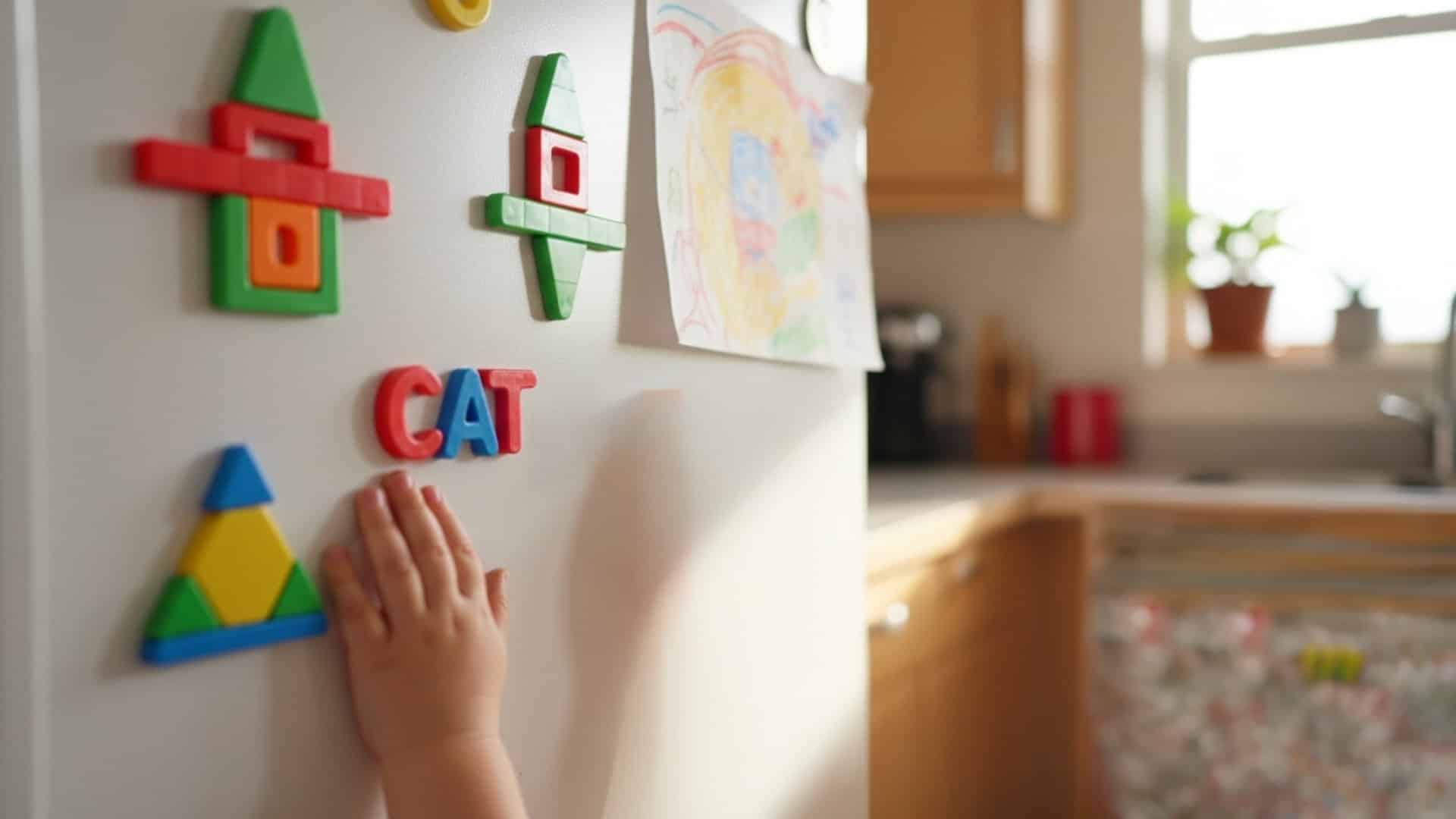
Introduce your toddler to letters with magnetic alphabet tiles on the fridge. This simple activity fosters early literacy skills.
Steps to Learn:
- Place magnetic letters on the fridge
- Say each letter name as you touch it
- Find letters that match familiar words
- Spell your toddler’s name together
- Match uppercase and lowercase letters
- Remove and stick letters repeatedly
29. Tape Paths
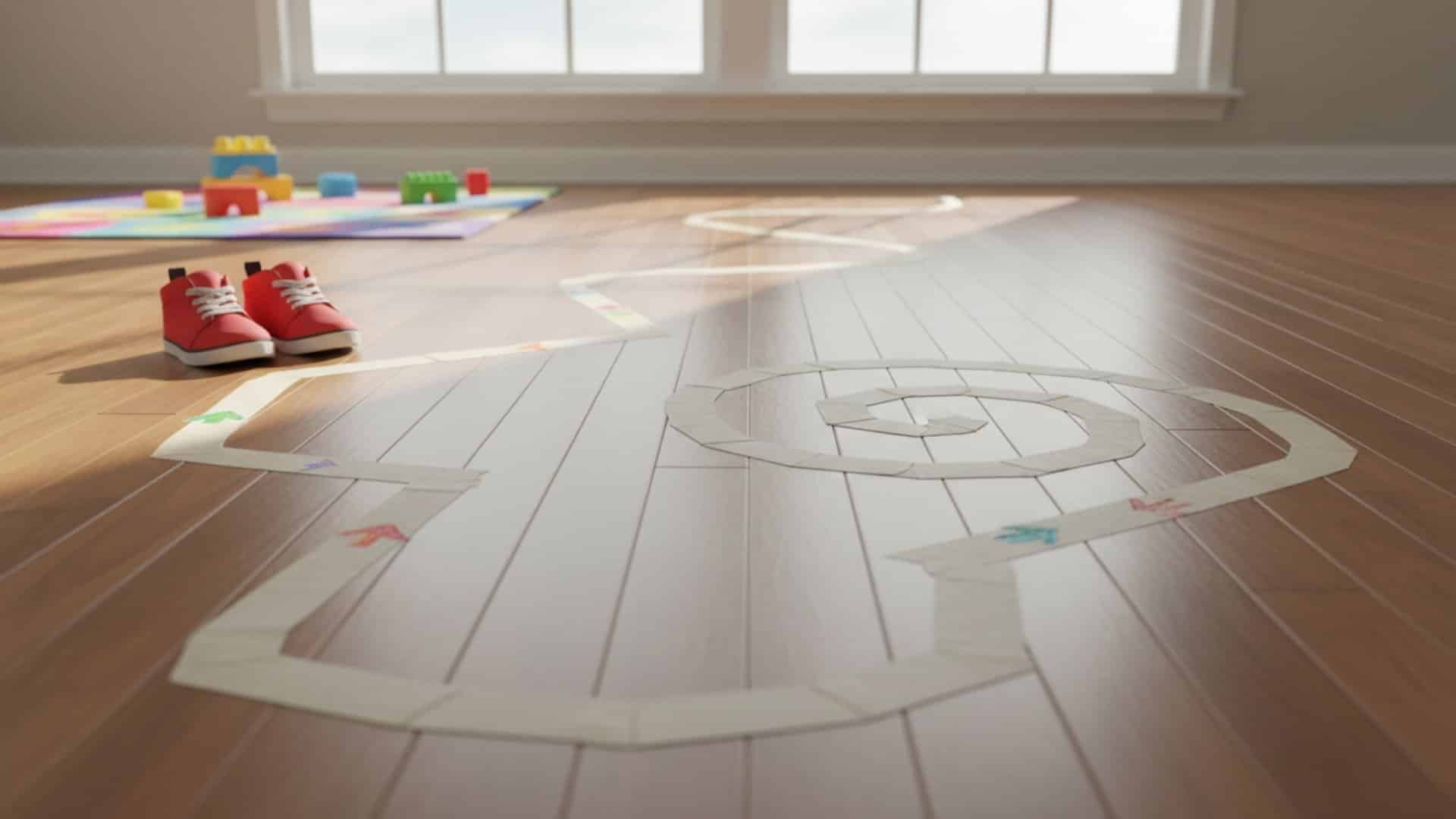
Use masking tape to create a path on the floor that your toddler can follow, hopping from one side to another. This helps with balance and coordination.
How to Create:
- Use painter’s tape on hard floors
- Make straight lines or shapes
- Create a path to follow
- Have your toddler walk on the lines
- Try hopping or jumping along the path
- Peel up the tape when finished
30. DIY Shakers
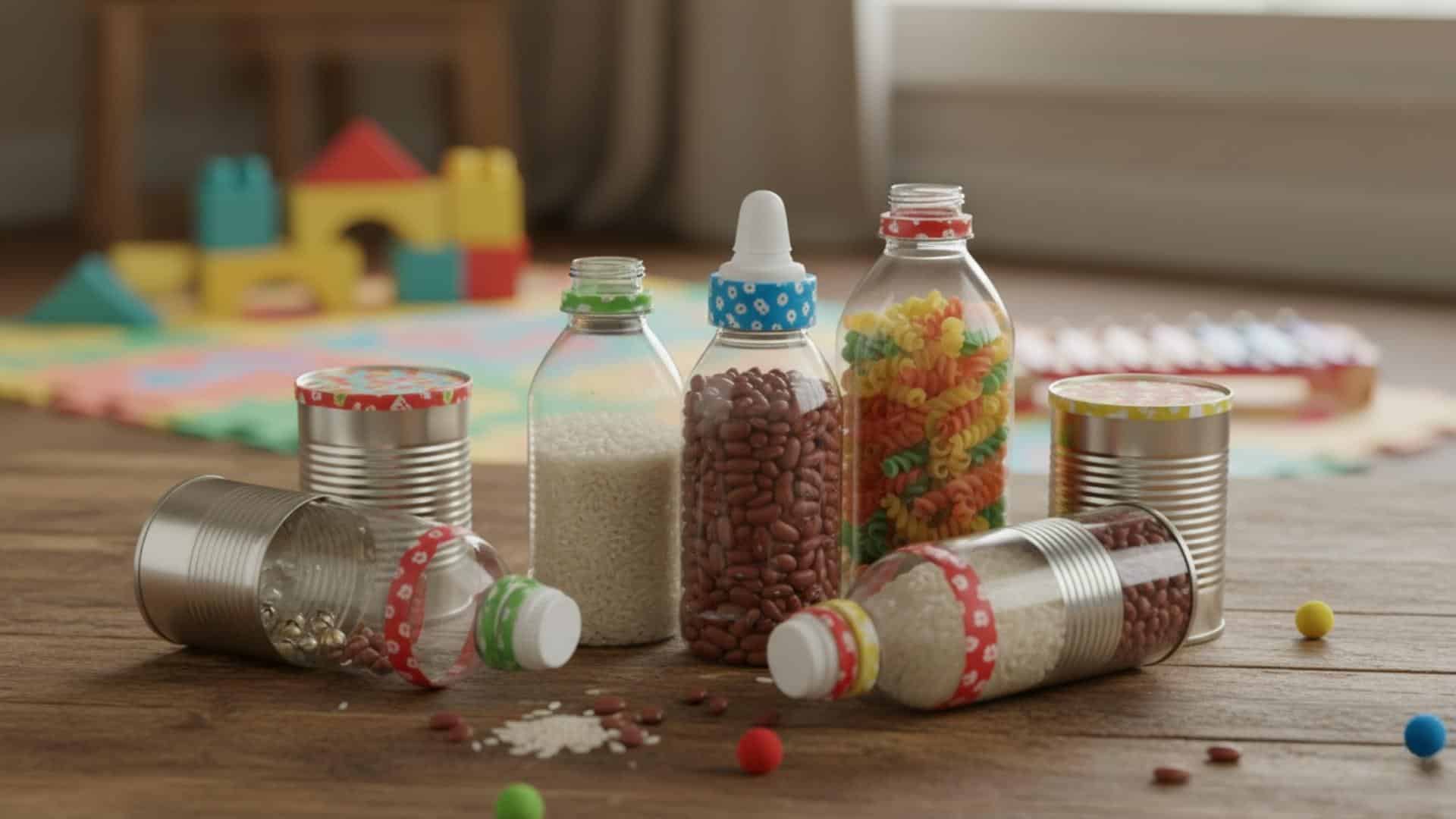
Fill empty containers with rice or beans to make shakers. Toddlers love shaking them to make noise, which helps with auditory development.
Steps to Make:
- Use small plastic bottles with lids
- Add rice, beans, or small pasta
- Seal lids tightly with glue
- Decorate bottles with stickers
- Shake to music together
- Make different sounds with various fillings
31. Nature Art
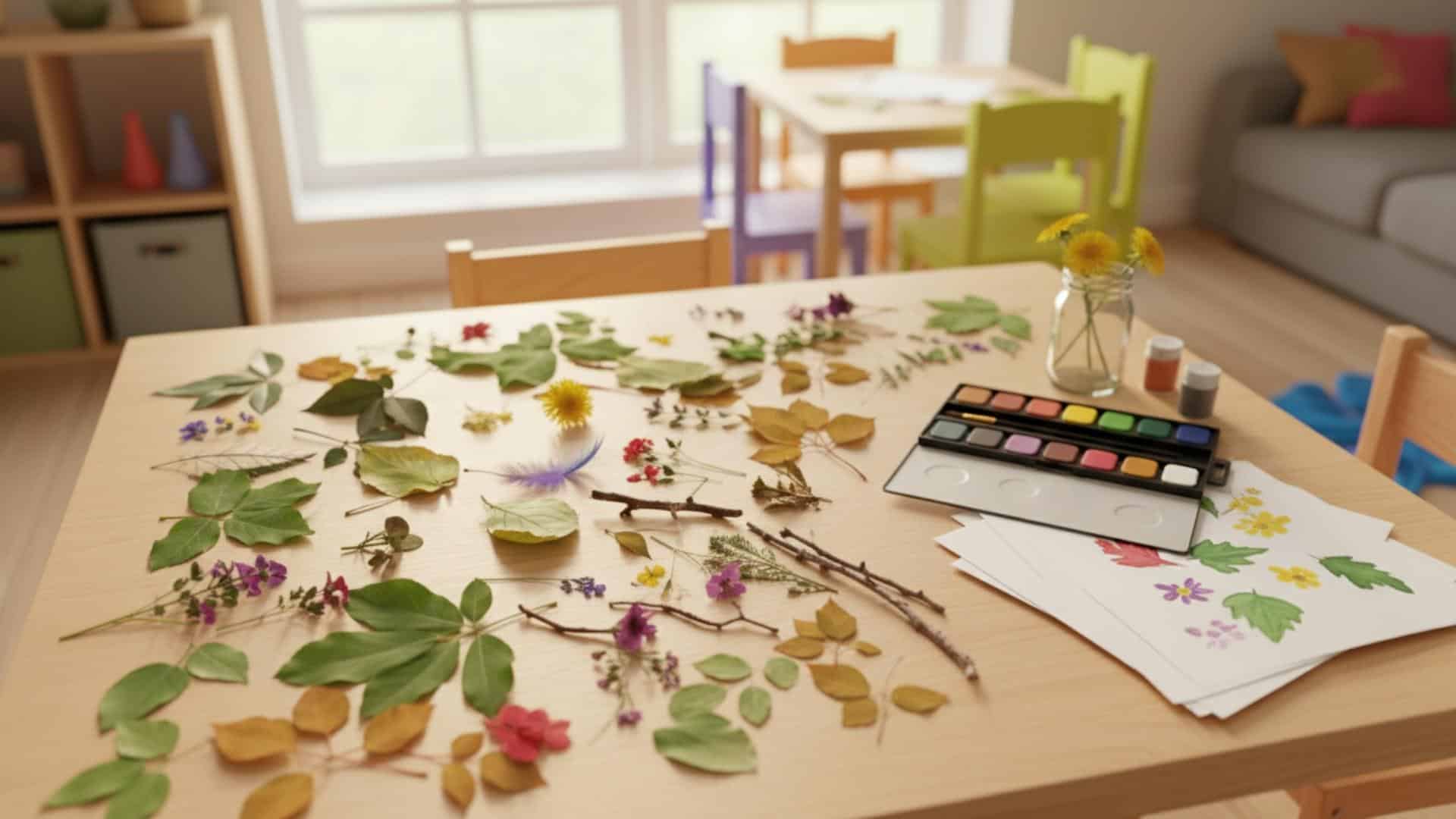
Collect leaves, flowers, and twigs on a nature walk, then create art projects using these natural materials.
How to Create:
- Gather natural items on a walk
- Lay them flat to dry if needed
- Glue items onto paper or cardboard
- Arrange them into patterns or pictures
- Add paint or markers to complete the art
- Display your nature collage proudly
32. Tactile Play with Sand
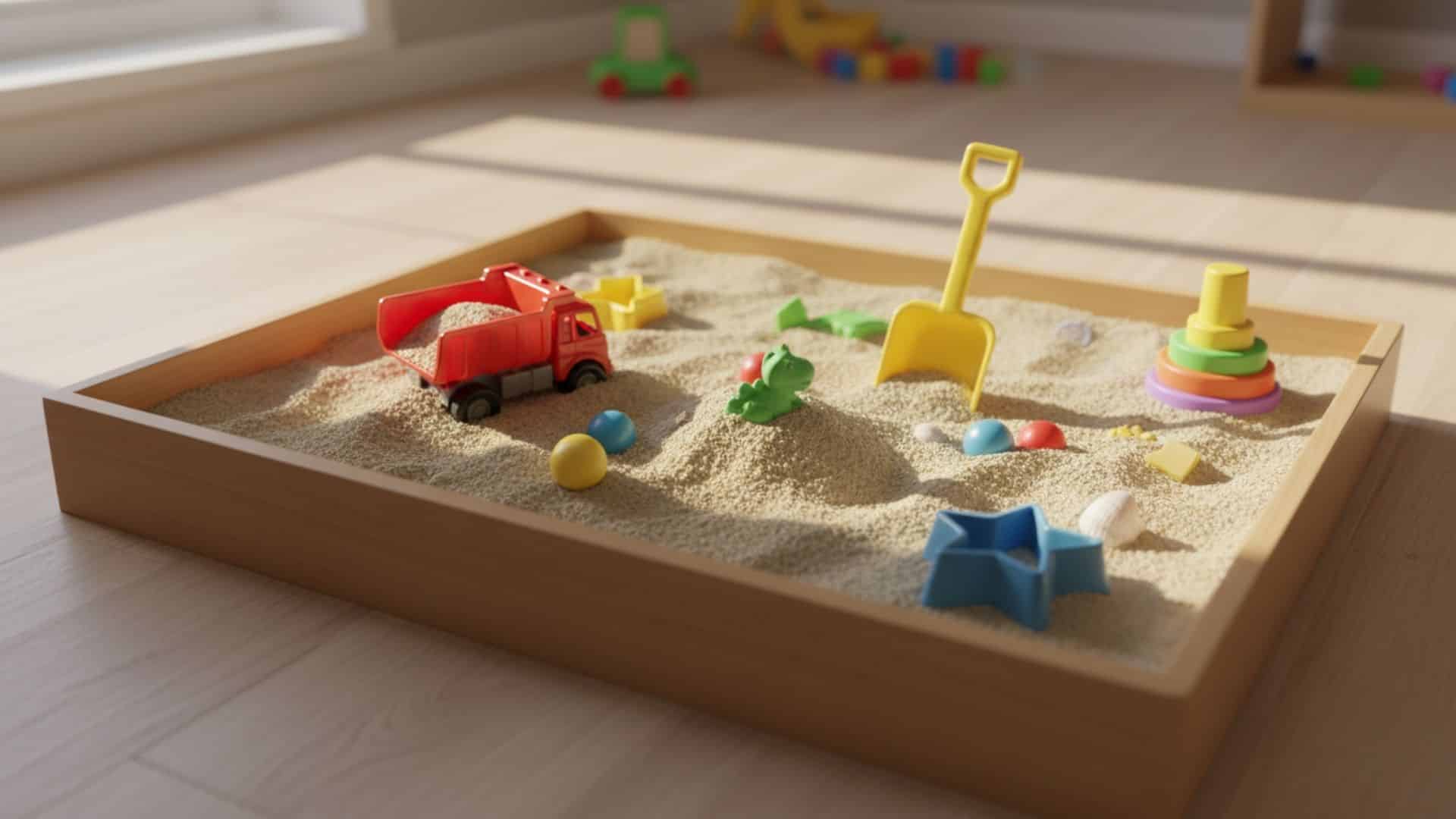
If you have a sandbox or even a small tray of sand, let your toddler explore textures and bury objects for fun tactile play.
Steps to Play:
- Fill a bin with play sand
- Add small toys, cups, and shovels
- Let your toddler dig and pour
- Bury objects for them to find
- Keep sand contained with a lid or cover
- Sweep up any spills right away
33. Sorting Blocks
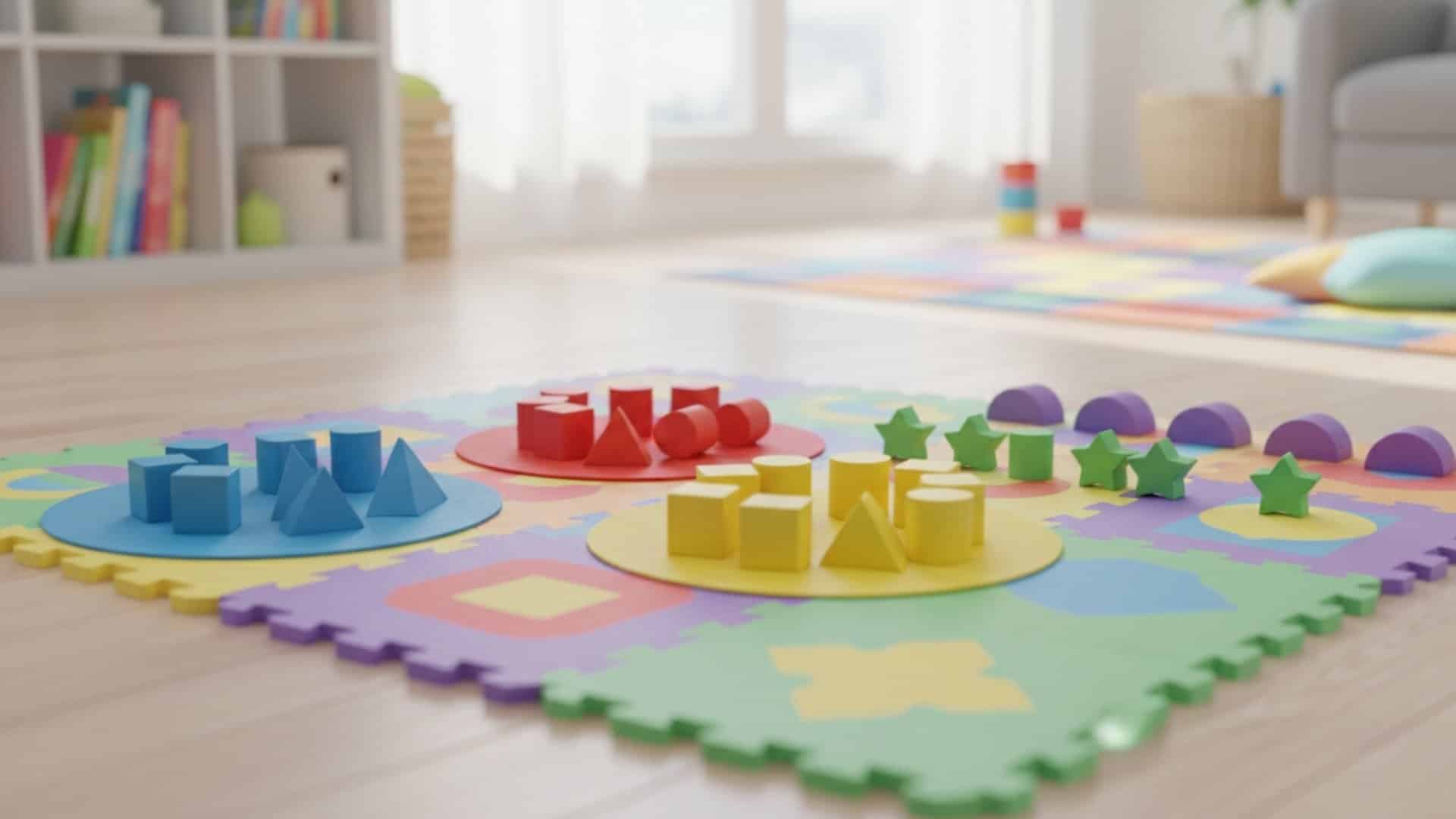
Encourage your toddler to sort blocks by shape or color. It’s an easy and effective way to teach categorization and problem-solving.
How to Sort:
- Pour out all the blocks
- Pick one category to sort by
- Name shapes and colors as you go
- Let your toddler choose the groups
- Count blocks in each group
- Mix and sort by a different category
34. Bathtub Play
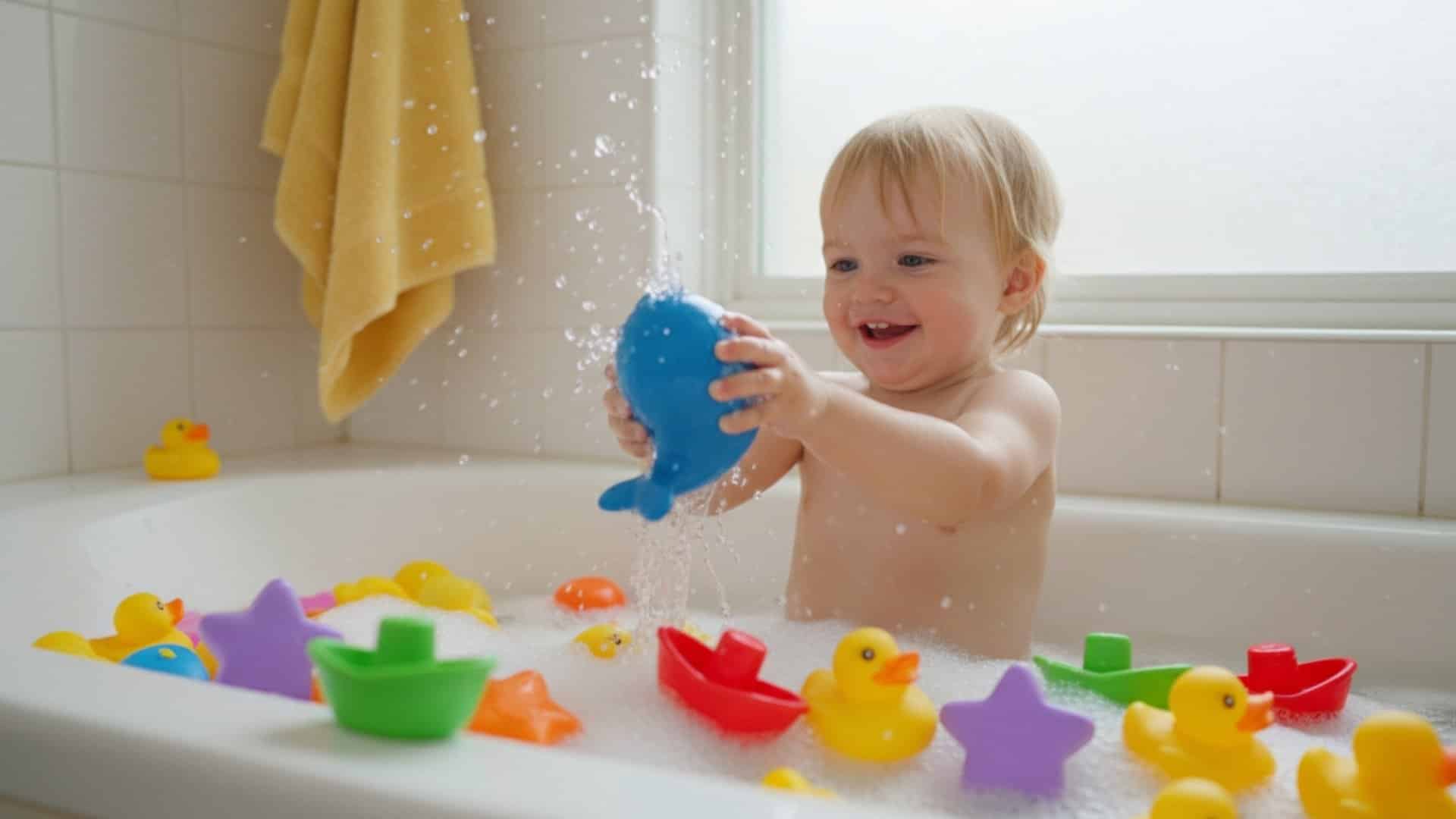
Fill the bathtub with water and toys, and have a splash session. It’s a perfect way to end the day while improving motor skills.
Steps to Play:
- Add bath toys before filling the tub
- Use cups for pouring water
- Create bubble mountains with soap
- Play with floating and sinking toys
- Practice washing with a cloth
- Make bath time fun, but keep it safe
35. Music with Pots and Pans
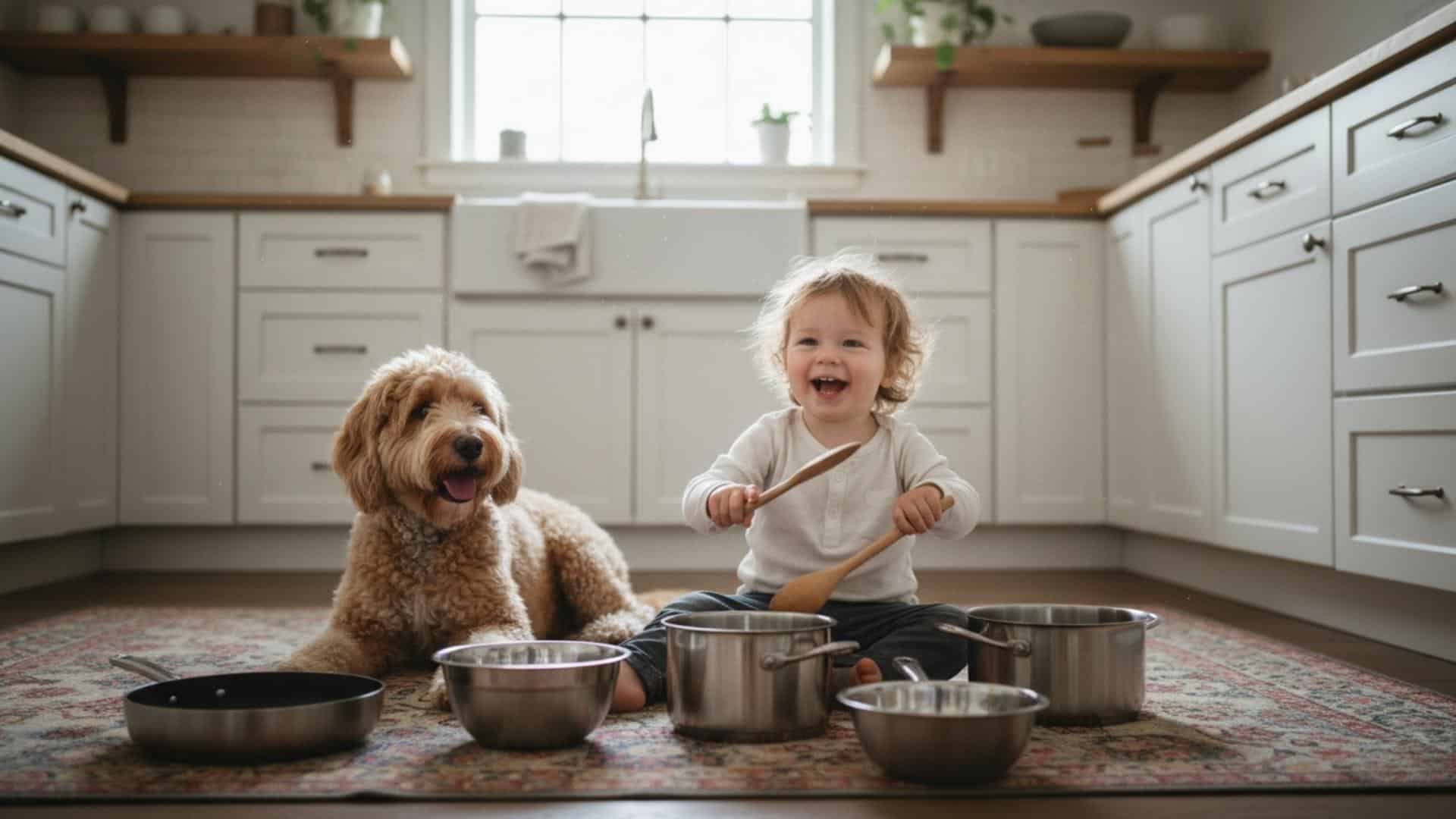
Let your toddler bang on pots and pans to create their own music. It’s a fun way to introduce them to rhythm and sound.
How to Make Music:
- Set out pots, pans, and wooden spoons
- Show how to tap gently and loudly
- Create simple rhythms to copy
- Play along to recorded music
- March around while drumming
- Store items away when finished
36. Ball Pit Fun
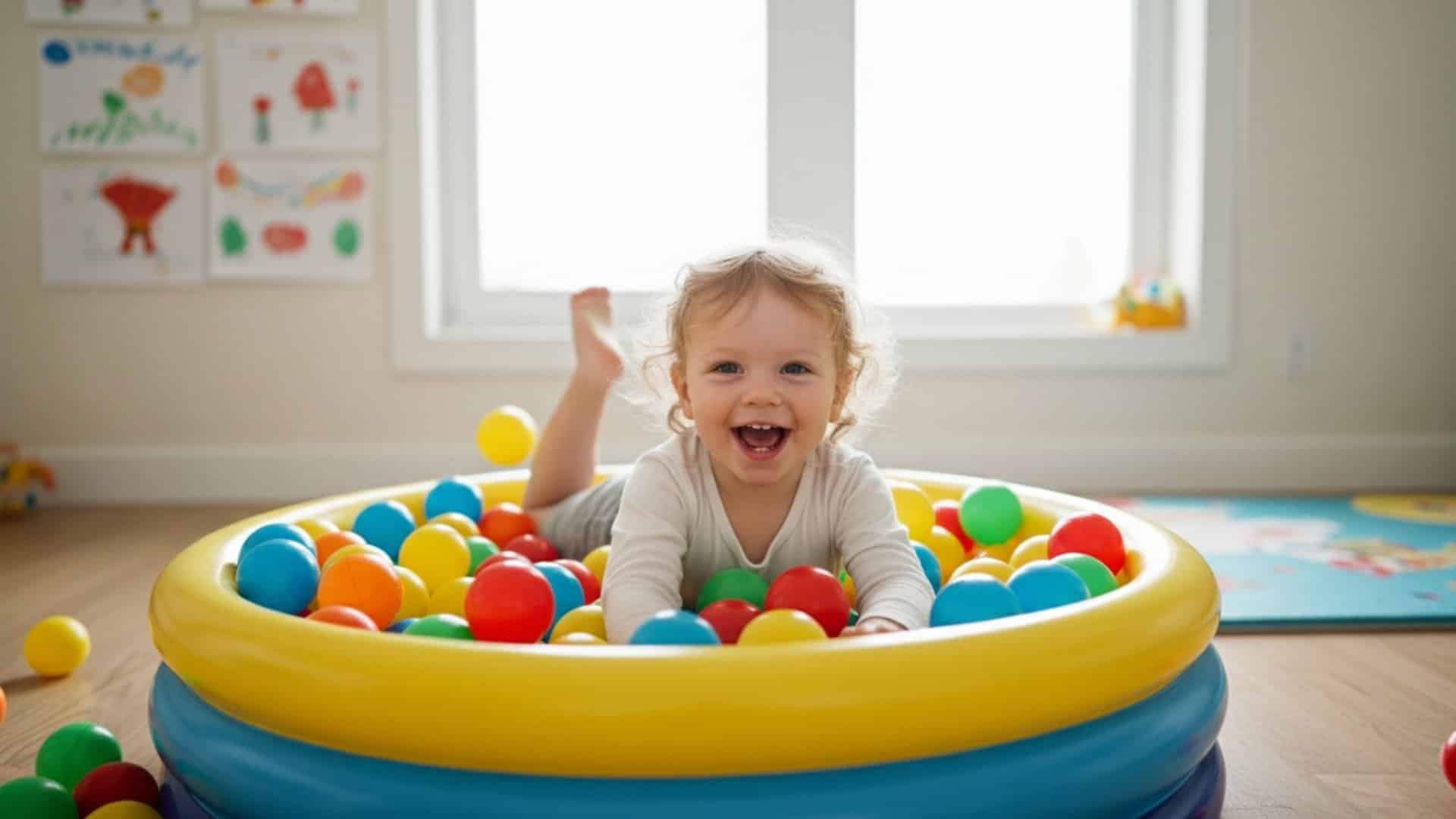
If you have a ball pit or small inflatable pool, fill it with plastic balls for a fun sensory activity.
Steps to Set Up:
- Use a kiddie pool or a large box
- Fill with colorful plastic balls
- Let your toddler climb in safely
- Practice counting balls by color
- Toss balls in and out
- Supervise carefully to prevent falls
37. Sorting with Cups
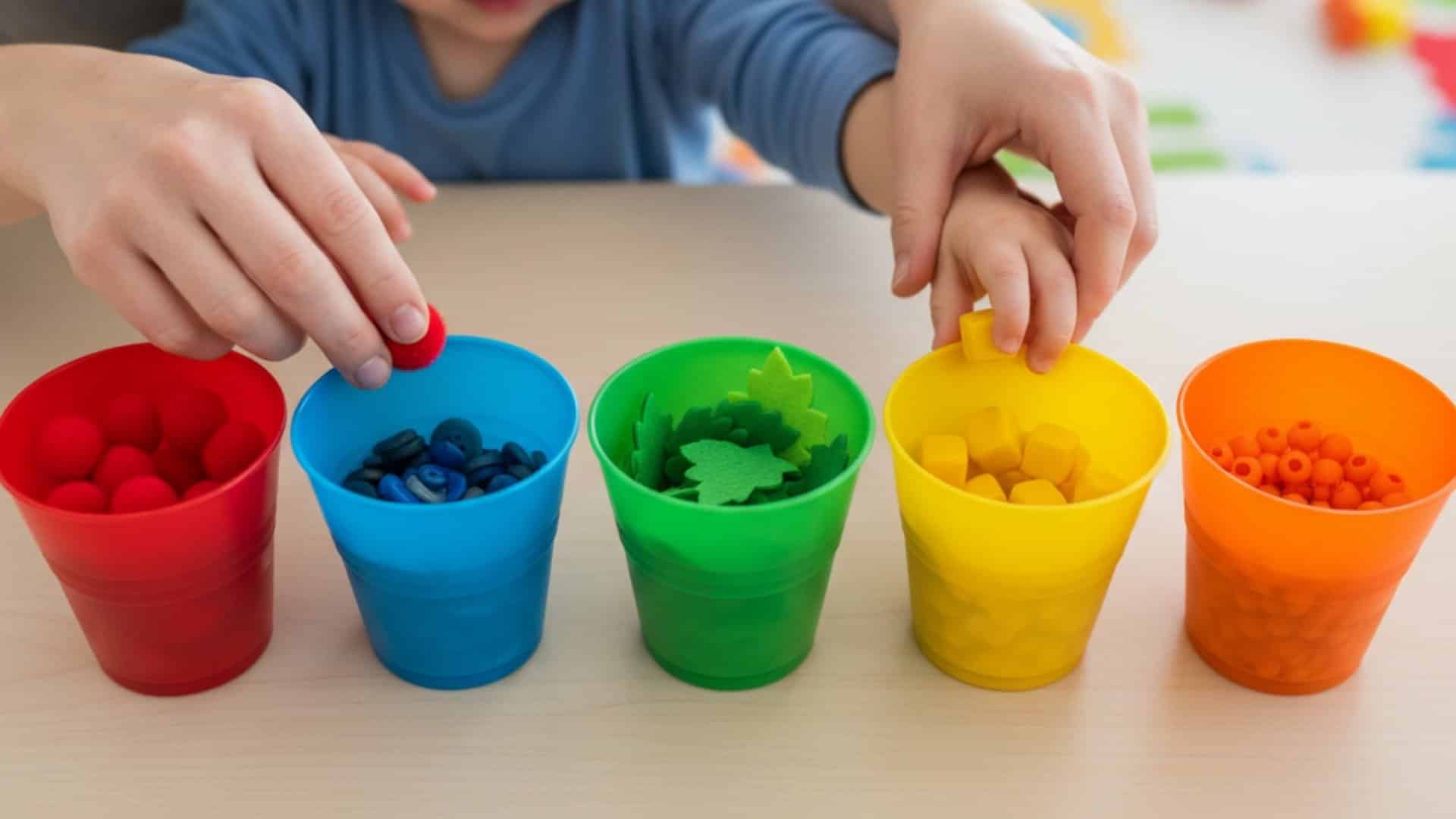
Use colored cups to help your toddler sort small objects by color. This improves their focus and cognitive skills.
How to Sort:
- Set out several colored cups
- Gather small toys or pom-poms
- Name each color clearly
- Help your toddler match items to cups
- Count the items in each cup together
- Dump out and sort again
38. Simple Puzzles
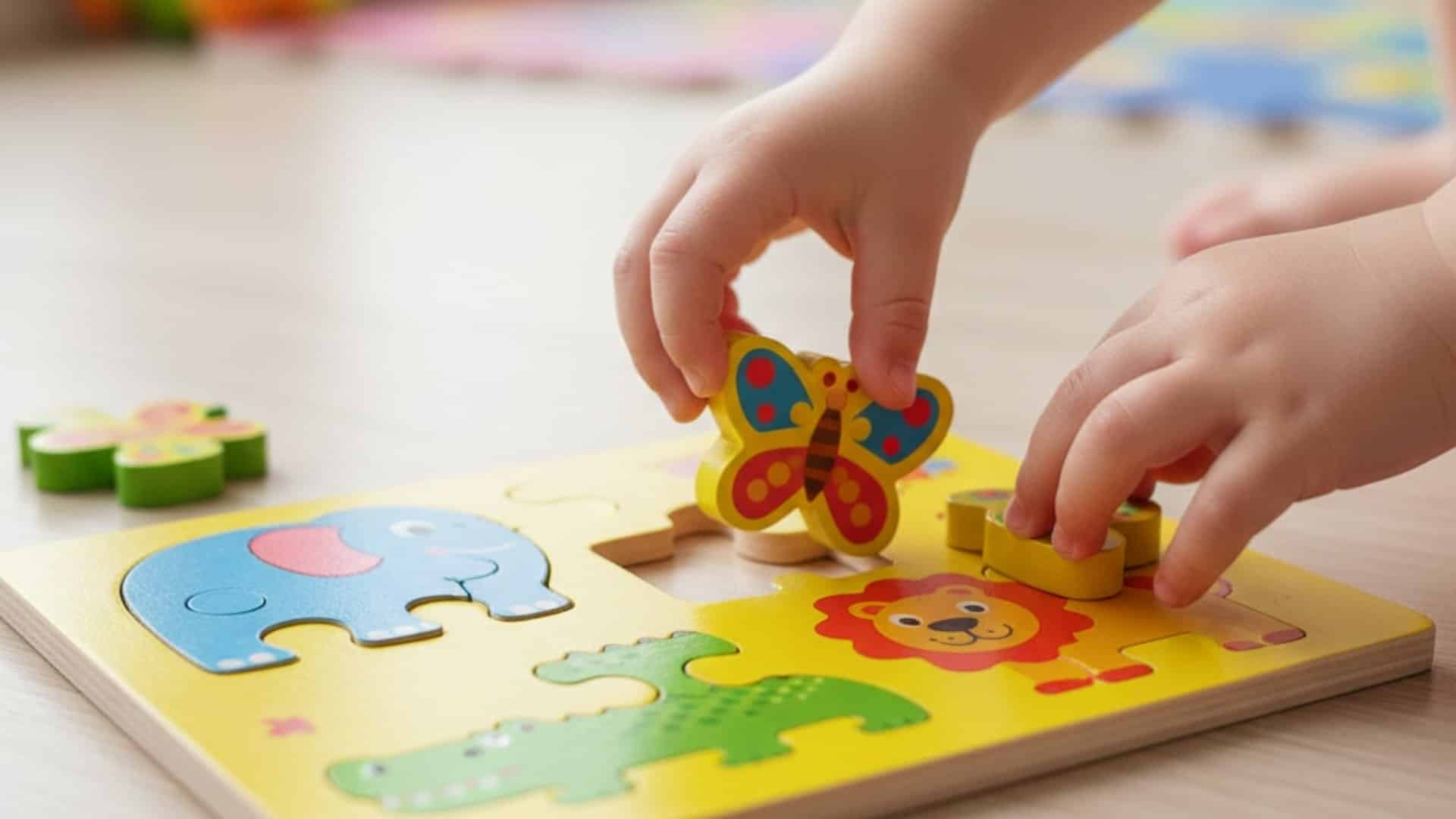
Introduce your toddler to age-appropriate puzzles. This builds problem-solving skills and patience.
Steps to Puzzle:
- Start with 3-5 piece puzzles
- Dump pieces on a flat surface
- Show how pieces fit together
- Let your toddler try first
- Offer help only when needed
- Celebrate when the puzzle is complete
39. Balloon Volleyball
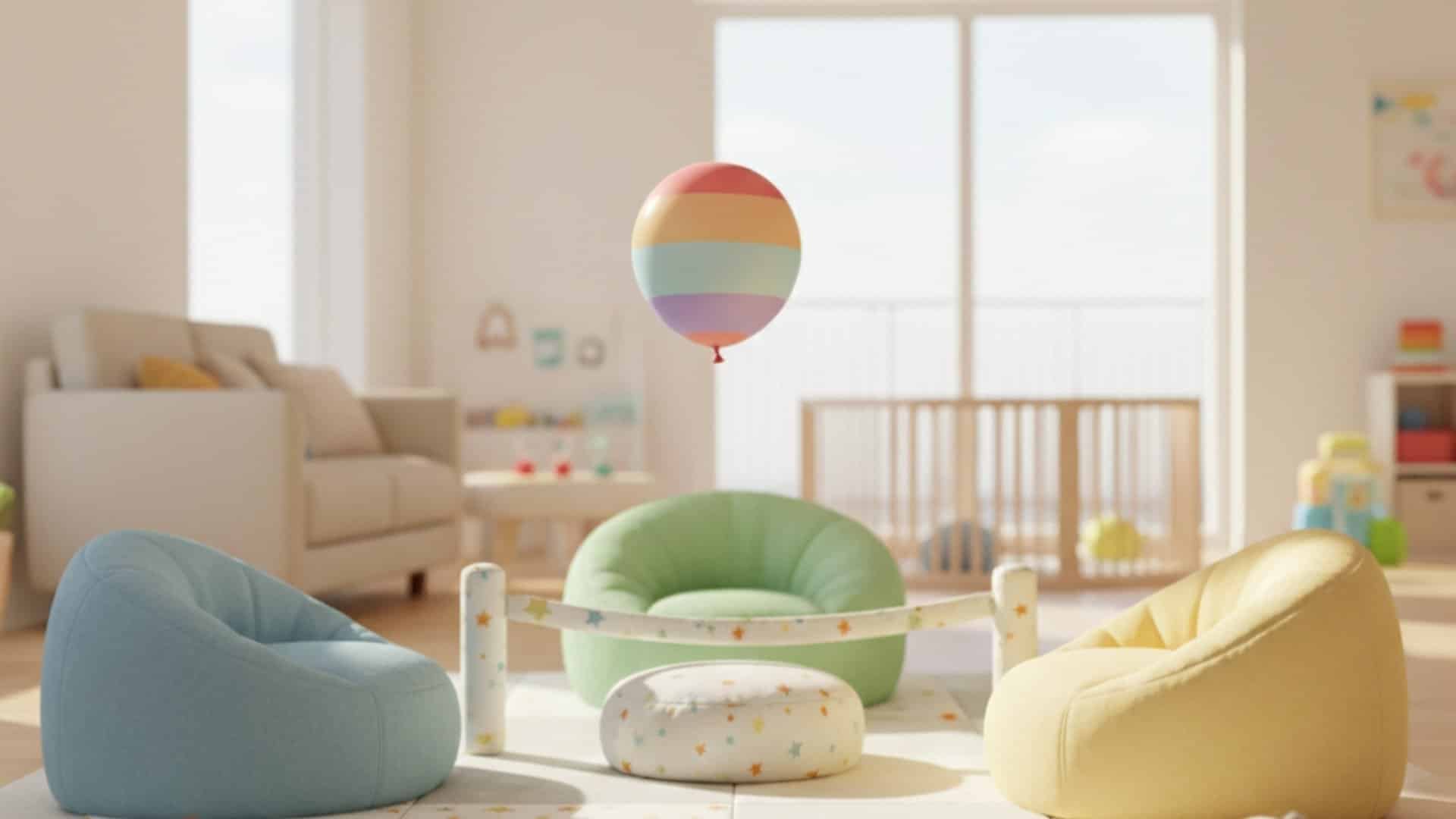
Hit a balloon back and forth with your toddler for a light game of indoor volleyball. It’s a good activity for building motor skills.
How to Play:
- Blow up one balloon
- Clear a safe playing area
- Show how to tap the balloon gently
- Keep the balloon from touching the ground
- Count how many hits you make
- Sit down for easier play
40. Card Matching
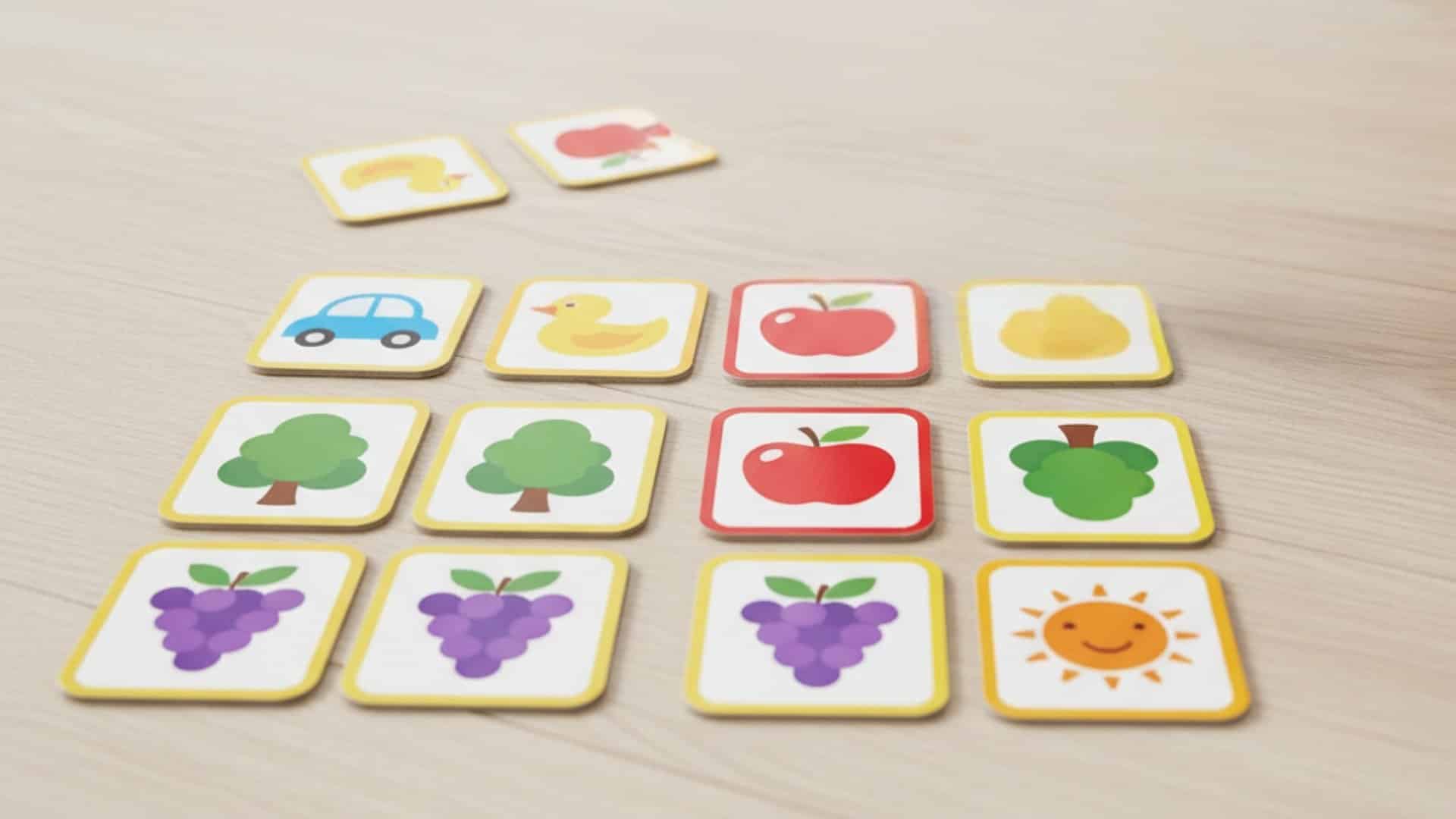
Use simple matching cards with pictures for your toddler to match. This game helps with memory and pattern recognition.
Steps to Match:
- Use cards with simple images
- Lay them face up at first
- Find matches together
- Turn cards face down for a challenge
- Take turns finding pairs
- Keep the game short and fun
41. Picnic Indoors
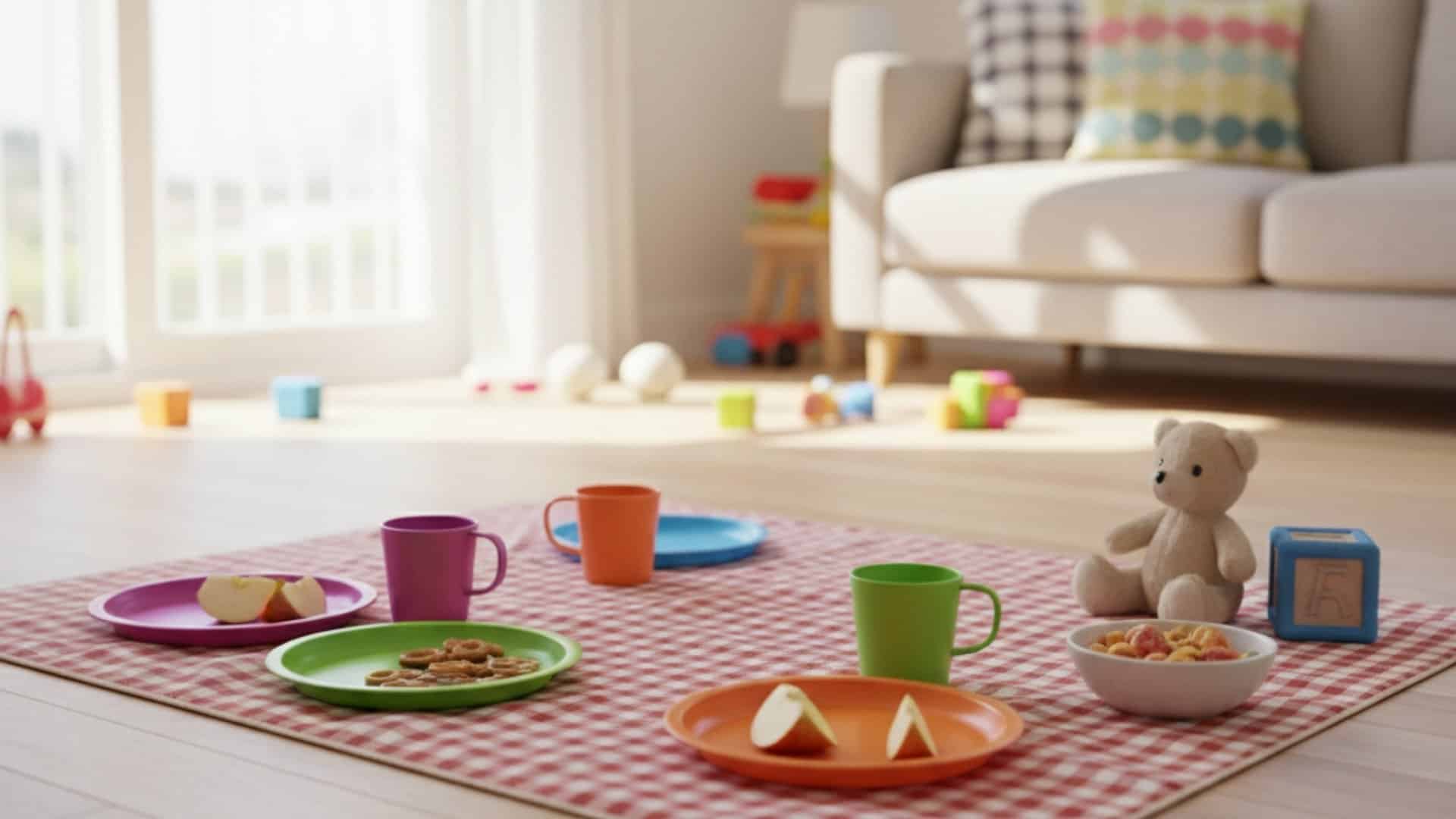
Set up a picnic blanket inside and enjoy a snack with your toddler. It’s a fun way to break up the day and enjoy time together.
How to Set Up:
- Spread a blanket on the floor
- Pack simple snacks in a basket
- Eat lunch or snack picnic-style
- Talk about outdoor picnics
- Read books on the blanket after eating
- Make it a weekly tradition
Conclusion
Keeping your toddler entertained at home becomes easier when you have a collection of simple activities ready to try. These ideas prove that fun doesn’t require expensive toys or complex preparation.
Your child benefits most from engaged play that builds skills naturally. Remember to follow your toddler’s interests and energy levels when choosing activities.
Some days call for calm sensory play while others need active movement. Mix different types of activities throughout the week to support well-rounded development.
The key is consistency and making time for play that matters. Start with activities that sound most appealing to you and your child. Bookmark this list for those moments when you need fresh inspiration.
Your toddler’s growth and happiness are worth the small effort these activities require.
Frequently Asked Questions
1. What activities should I do with my toddler?
Focus on sensory play, building blocks, arts and crafts, music, outdoor walks, and pretend play. Choose activities that match your child’s interests and developmental stage.
2. What Is the 9-Minute Rule for Kids?
The 9-Minute Rule Suggests Spending Focused, Uninterrupted Time with Your Child Daily. This Quality Interaction Strengthens Bonds and Helps Children Feel Valued and Secure.
3. Where to Take a Toddler in San Diego?
Visit Balboa Park, the San Diego Zoo, La Jolla Shores Beach, Seaport Village, or Local Playgrounds. Many Museums Offer Toddler-Friendly Exhibits and Programs.
4. How Do I Entertain My 2-Year-Old at Home?
Try Water Play, Stacking Blocks, Coloring, Playing with Play-Dough, Dancing to Music, or Reading Books. Keep Activities Short and Switch when Interest Fades.
5. What Are the Signs of Toddler Burnout?
Watch for increased tantrums, sleep problems, clinginess, appetite changes, and resistance to usual activities. Burnout means your toddler needs more downtime and rest periods.