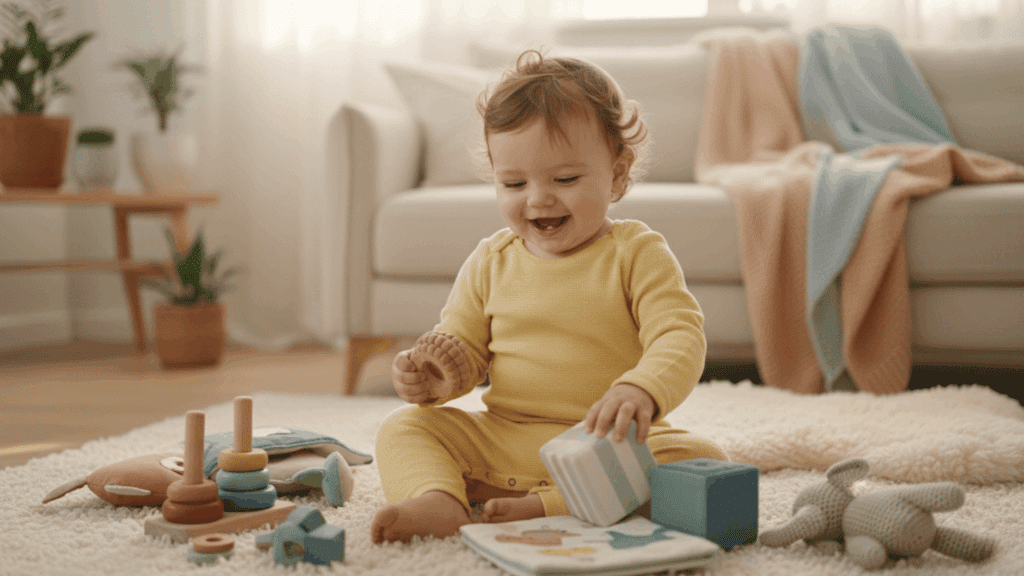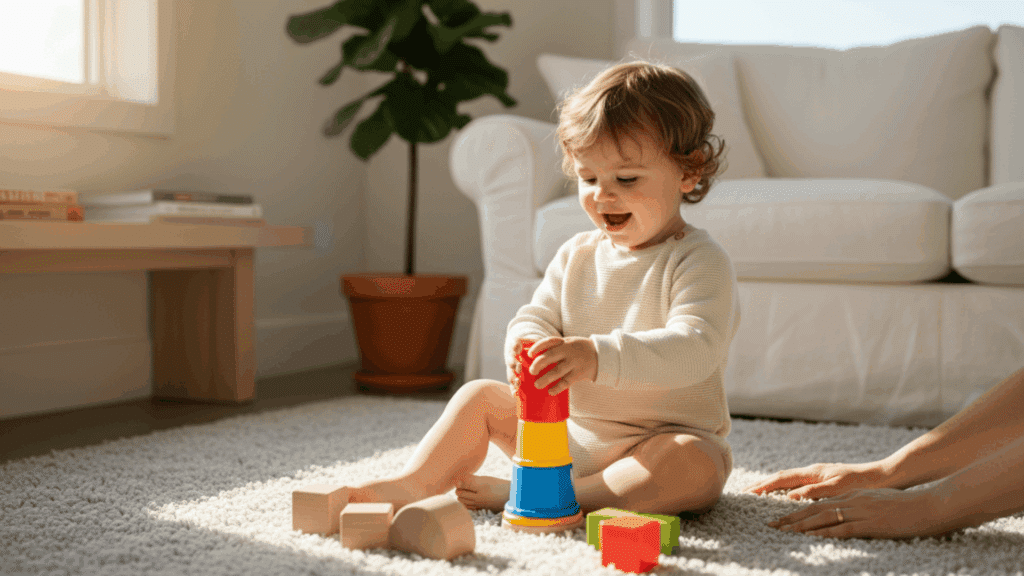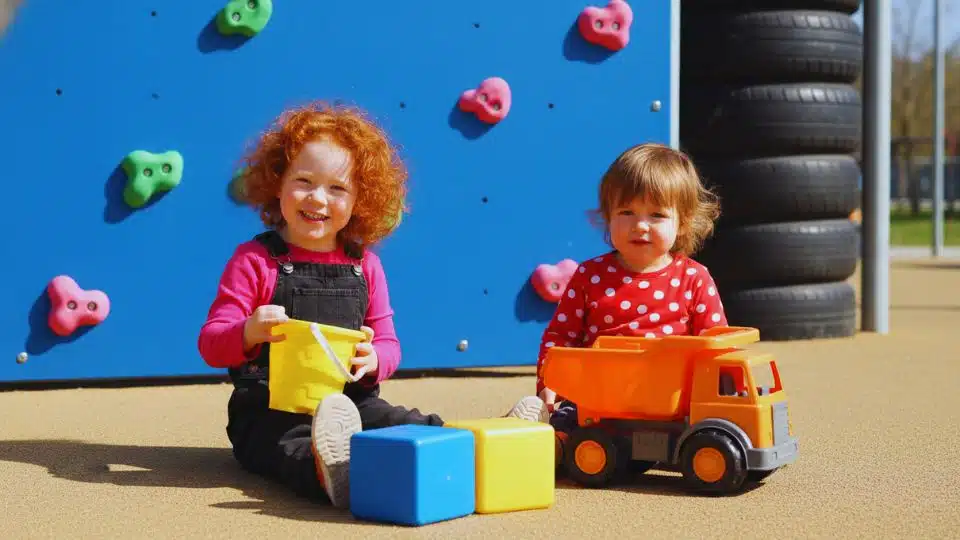
Two-year-olds are tiny scientists learning through every touch, taste, sound, and movement throughout their busy days.
This critical stage brings rapid brain growth as toddlers master language coordination and problem-solving through hands-on play.
This blog presents thirty-one practical learning activities for 2-year-olds using everyday household materials that parents have.
Each activity supports developmental milestones while respecting short attention spans and natural curiosity that define this age.
Your participation matters more than perfection, as toddlers thrive when learning feels like play, not lessons.
Active toddlers thrive when learning happens naturally through play rather than through structured lessons or formal instruction from adults.
How 2-Year-Olds Learn Best
The Centers for Disease Control and Prevention notes that 75% of children reach specific developmental milestones by age 2.
Toddlers process information through repetition and require adult interaction to make sense of their experiences in meaningful ways each day.
Play-based learning remains the gold standard approach recommended by early childhood development experts across the United States for supporting growth.
Development varies significantly between individual children, and reaching milestones at different times falls within normal ranges according to pediatric standards.
Short attention spans lasting just five to ten minutes are completely normal fortwo-year-olds,s requiring parents to keep activities brief.
Parents serve as the first teachers, making ordinary moments into powerful learning opportunities through active participation and following children’s interests.
Simple everyday moments become rich learning experiences when parents actively participate and follow their child’s natural interests and curiosity throughout the day.
Language and Communication Activities
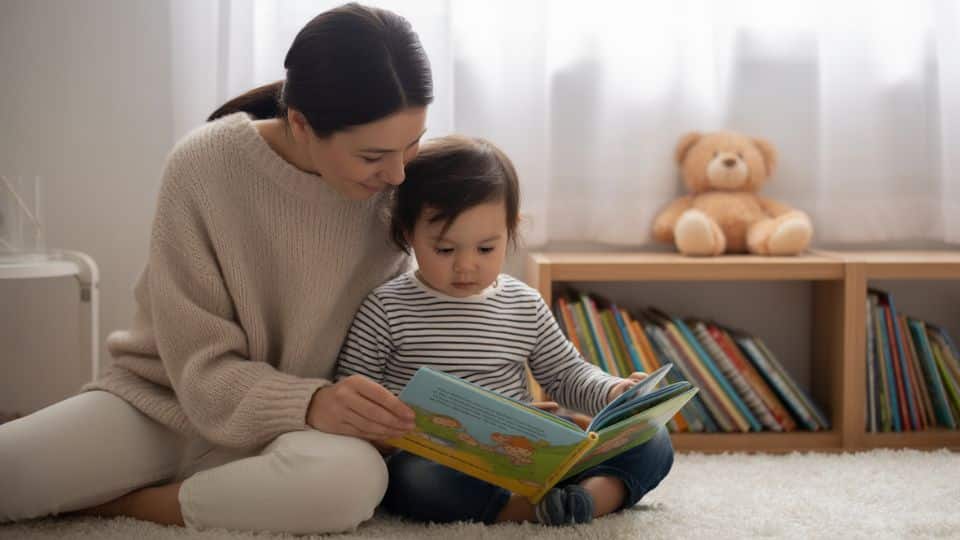
Language development accelerates rapidly during the second year, making communication-focused activities especially valuable for building vocabulary and comprehension.
1. Talk Through Daily Routines
What You Need: No materials required, just your voice and daily routines.
How It Helps: Builds vocabulary and connects words to actions during everyday moments.
Narrate everyday actions like washing hands or preparing snacks to help toddlers connect words with actions steadily.
Parents should use simple, clear sentences that match the child’s developmental level and comprehension abilities at this stage.
Consistent verbal interaction creates thousands of learning moments without requiring any special materials or designated activity time blocks.
2. Picture Book Labeling
What You Need: Board books with clear pictures of familiar objects and animals.
How It Helps: Associates words with images and builds early reading foundations.
Point to images in board books and name objects to help two-year-olds build foundational literacy skills.
The CDC recommends reading together as a key language development activity, encouraging parents to make it a daily habit.
Books with realistic photographs work particularly well for building a concrete vocabulary that toddlers relate to their own experiences.
3. Animal Sound Games
What You Need: No materials needed, just knowledge of animal sounds and enthusiasm.
How It Helps: Teaches sound production and makes language learning feel like play.
Imitate animal noises during play to teach sound production while making language learning feel enjoyable rather than like a lesson.
Toddlers naturally enjoy repetition, making animal sounds an activity they request multiple times throughout the day with continued enthusiasm.
4. Action Word Imitation
What You Need: Just your body and space to move safely indoors or outdoors.
How It Helps: Connects words with physical actions and strengthens memory formation.
Demonstrate verbs like jumping, clapping, or dancing while saying the words to help toddlers learn that words describe specific movements.
Physical movement combined with verbal labels creates stronger memory connections in developing brains than words alone,e according to research findings.
5. Simple Song and Rhyme Play
What You Need: Traditional nursery rhymes or simple songs you already know well.
How It Helps: Supports language development and fine motor coordination through music.
Short songs with repetitive lyrics and hand motions support both language development and coordination through enjoyable musical experiences together.
Traditional nursery rhymes provide predictable patterns that help young children anticipate what comes nex,t building confidence over repeated sessions.
6. Pretend Phone Conversations
What You Need: A toy phone or a real phone that is safe for toddlers.
How It Helps: Practices conversational skills and back-and-forth communication patterns.
Toy phones or disconnected real phones encourage toddlers to practice conversational skills and experiment with communication rhythm.
This pretend play helps children learn the social aspects of language beyond simply labeling objects in their immediate environment.
Every conversation throughout the day contributes to language development as toddlers absorb vocabulary patterns and communication skills through repeated exposure.
Early Math and Thinking Activities
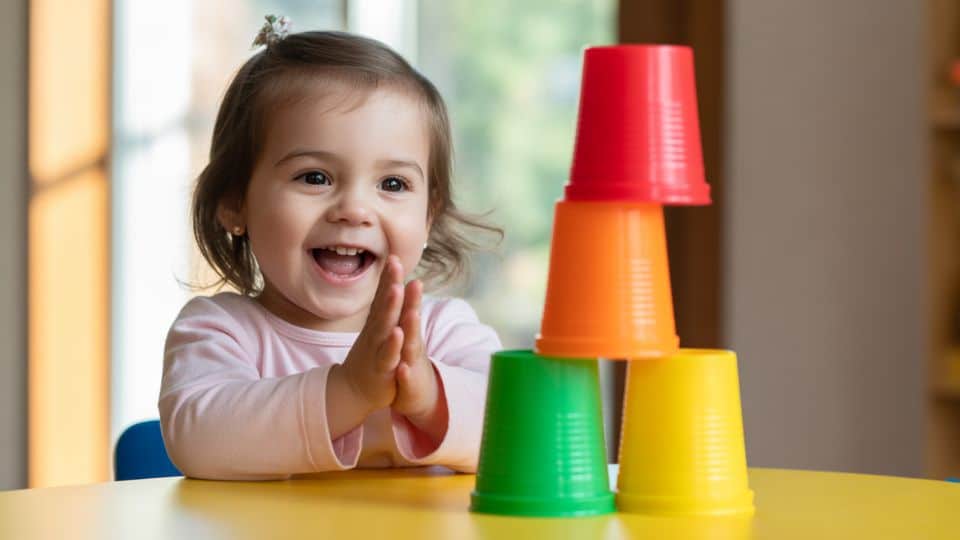
Cognitive development at age two includes recognizing patterns, basic concepts like more or less, and beginning to categorize objects by shared characteristics.
7. Color Sorting with Household Items
What You Need: Toys or household objects in two or three different colors.
How It Helps: Teaches classification skills and builds mathematical thinking foundations.
Group toys or objects by color to teach classification skills that form the foundation for mathematical thinking in later years.
Start with just two colors initially, then gradually add more as the child demonstrates success with simpler tasks first.
8. Counting Real Objects During Play
What You Need: Everyday items like snacks, toys, blocks,s or stairs in your home.
How It Helps: Introduces number concepts through concrete hands-on experiences.
Count snacks, toys, or steps while climbing stairs to introduce number concepts through concrete experiences rather than abstract lessons.
The CDC developmental guidelines note that two-year-olds can begin learning small quantities, es making counting practice valuable now.
9. Shape Matching Around the House
What You Need: Everyday objects with precise circular, rectangular, or square shapes visible.
How It Helps: Builds shape recognition and geometry understanding through real-world examples.
Find circular, rectangular, or square objects during everyday routines to help toddlers recognize shapes beyond plastic sorting toys alone.
Point out shapes in windows, doors, platest, es and books to integrate geometry concepts into daily life naturally.
10. Fill and Dump Container Play
What You Need: Empty plastic containers, measuring cups, and small safe toys or objects.
How It Helps: Teaches volume capacity and cause and effect through repetitive play.
Pour objects from one container to another to teach concepts of volume and cause and effect through satisfying actions.
Empty plastic containers and small toys create endless variations of this activity, which supports cognitive development through hands-on play.
11. Simple Pattern Building
What You Need: Blocks, toys, or objects in two different colors or types.
How It Helps: Introduces mathematical patterns and sequencing through visual, hands-on activities.
Create basic patterns with blocks or toys in sequences like red blue red blue to introduce mathematical thinking.
Two-year-olds may not create their own patterns yet, but they can begin recognizing simple sequences with guidance.
Mathematical thinking begins with concrete hands-on experiences that help toddlers grasp concepts through physical manipulation before moving toward abstract thinking.
Fine Motor and Pre-Writing Activities
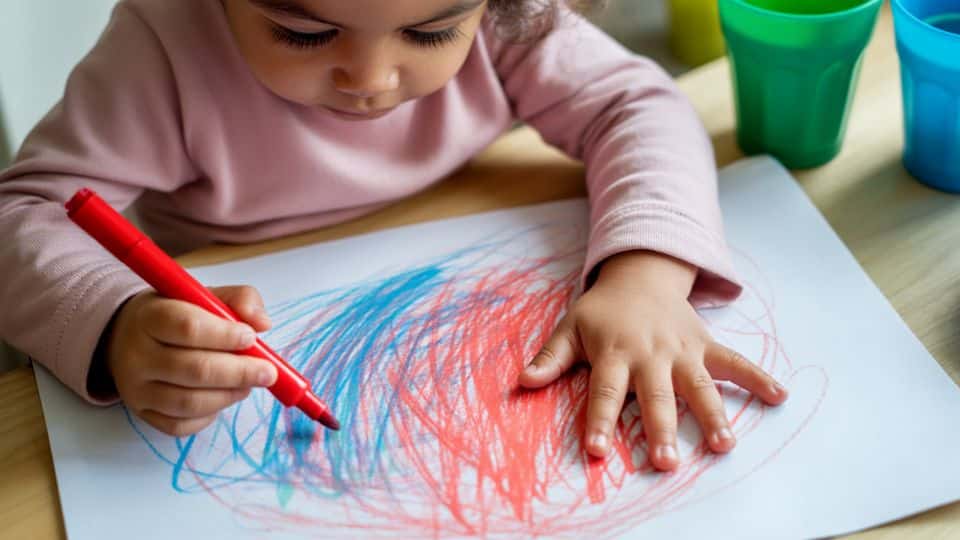
Hand strength and coordination develop through activities that require precise finger movements, preparing toddlers for future writing and self-care skills gradually.
12. Sticker Peel and Stick
What You Need: Large stickers and paper or cardboard surfaces for placing them.
How It Helps: Strengthens the index grasp needed for holding crayons and future writing.
Remove stickers from the backing paper and place them on surfaces to strengthen the pincer grasp for future writing.
This activity provides immediate visual feedback and satisfaction, making it highly engaging for toddlers with developing motor control abilities.
13. Play-Dohh Pinching and Rolling
What You Need: Store-bought or homemade play dough made with flour, salt, and water.
How It Helps: Builds hand strength while providing calming sensory input for toddlers.
Manipplay-dough dough by squeezing, rolling, and flattening to build hand strength while offering satisfying sensory input.
Homemade play dough using flour, salt, and water provides a safe, taste-free option for children who still put materials orally.
14. Threading Large Objects
What You Need: Large wooden beads and thick shoelaces or pipe cleaners for stringing.
How It Helps: Develops hand-eye coordination as both hands work together on tasks.
String large wooden beads onto shoelaces or pipe cleaners to develop hand-eye coordination and bilateral coordination skills.
Start with just a few large items and gradually increase difficulty as the child’s skill and patience grow over time.
15. Crayon Scribble Time
What You Need: Chunky crayons designed for toddlers and plain paper for scribbling freely.
How It Helps: Practices grip control and creative expression without pressure or expectations.
Free scribble with chunky crayons to practice grip and control while expressing creativity without pressure to produce recognizable drawings.
The American Academy of Pediatrics notes that two-year-oldsnormally usually develop the ability to make marks on paper.
16. Toy Transfer with Tongs or Hands
What You Need: Two bowls, small safe objects, and optional child-safe tongs or scoops.
How It Helps: Strengthens hand muscles neededfor self-feedingg and daily living tasks.
Move small objects from one bowl to another using fingers or child-safe tongs to strengthen muscles for self-feeding.
This activity can be adapted endlessly by changing containers, objects, and tools, maintaining interest through simple variations over time.
Fine motor skills develop gradually through repeated practice with engaging activities rather than through formal instruction or correction from adults watching nearby.
Sensory Learning Activities
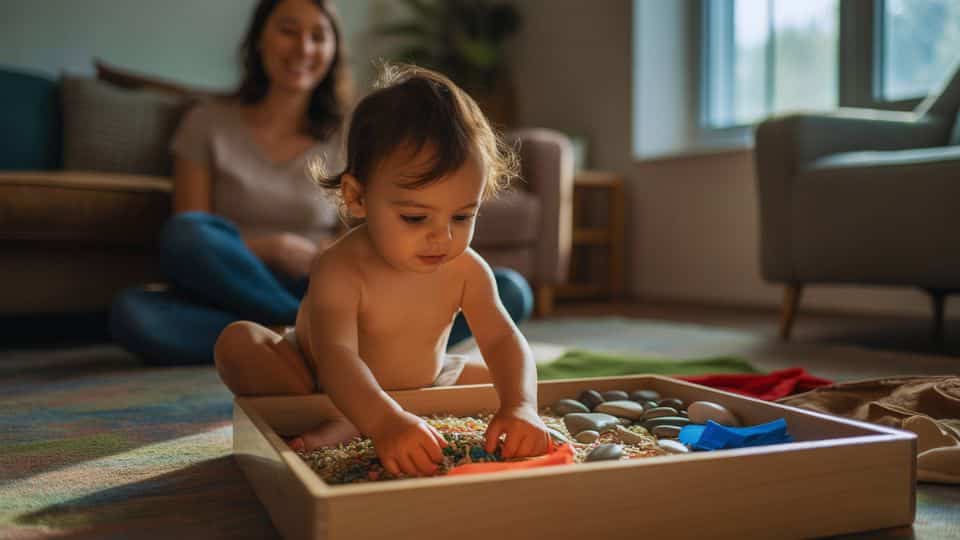
Sensory experiences help toddlers learn properties of materials while supporting brain development through rich input from multiple senses working together during play.
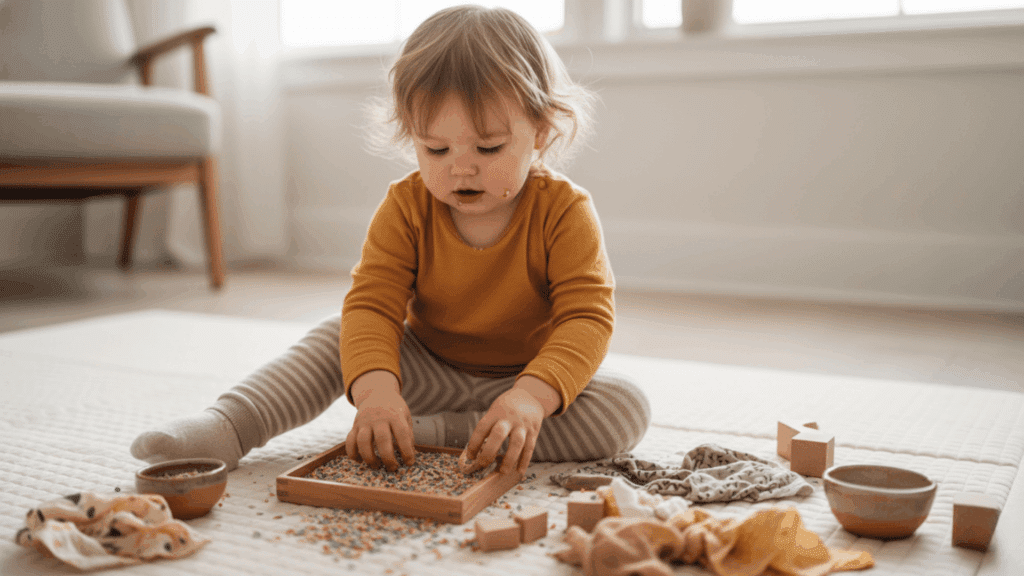
17. Taste Safe Sensory Bins
What You Need: Large bin filled with dry cereal,eal pa, sta r, ic,e and small toys hidden inside.
How It Helps: Provides safe texture experiences and adds cognitive challenge through searching.
Fill bins with dry cereal, pasta, or rice to provide texture experiences that remain safe if toddlers taste materials.
Hide small toys in the materials to encourage searching and finding, adding cognitive challenge to the sensory experience throughout play.
18. Water Pouring and Scooping
What You Need: Plastic containers, water, and a bathroom or outdoor space for mess containment.
How It Helps: Teaches liquid properties and builds coordination through repetitive pouring practice.
Supervise water play with cups and containers to teach concepts about liquid properties while building coordination through pouring actions.
Bathroom or outdoor settings contain mess while allowing toddlers to experiment with water movement and volume concepts through play freely.
19. Texture Walk Outside
What You Need: Outdoor space with varied surfaces like tree bark, stones, and grass.
How It Helps: Builds sensory awareness and vocabulary for describing different texture types.
Take walks specifically to touch different surfaces like tree bark, smooth stones, or soft grass to build sensory awareness.
Adults can model descriptive words like rou,gh smoo,th bumpy, or soft during outdoor sessions, creating language learning opportunities naturally.
20. Ice Melt Science Play
What You Need: Ice cubes, food coloring optional and a shallow container for the melting process.
How It Helps: Introduces temperature concepts and state changes through observable science experiences.
Watch ice cubes melt while touching them to introduce basic science concepts about temperature and state changes together.
Add food coloring to ice before freezing to create additional visual interest as colors blend during the melting process.
21. Bubble Popping and Chasing
What You Need: Bubble solution and bubble wand for blowing indoors or outdoors.
How It Helps: Encourages visual tracking coordination and joyful movement-based gross motor play.
Blow bubbles for toddlers to pop to encourage visual tracking, coordination, and provide joyful movement-based play naturally.
This classic activity works equally well indoors or outdoors, making it versatile for different weather conditions and available spaces.
Sensory play supports brain development by creating neural connections through rich experiences that engage multiple senses simultaneously durihands-on on time.
Social Emotional and Life Skills Activities
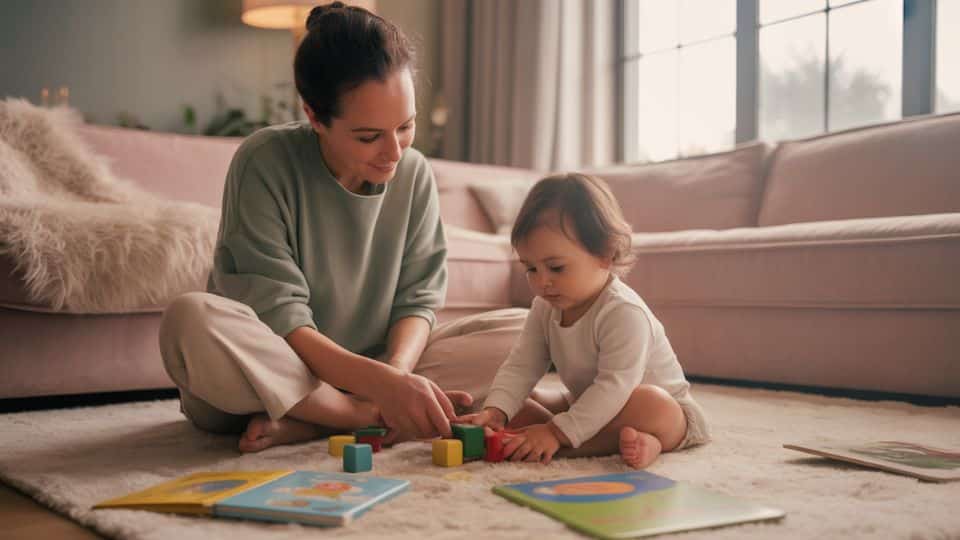
Learning activities for 2-year-olds should include opportunities to practice cooperation, emotional recognition, and independence that support healthy social development.
22. Turn-Taking Ball Games
What You Need: Softball or rolled-up socks and floor space for rolling back and forth.
How It Helps: Teaches turn-taking, patience, and reciprocal social interaction skills.
Roll a ball back and forth to teach the fundamental social skill of taking turns while building patience.
This simple activity lays the groundwork for more complex cooperative play that will develop throughout the preschool years ahead.
23. Feelings Face Mimicking
What You Need: A mirror, optional, and your expressive face for demonstrating different emotions.
How It Helps: Helps toddlers recognize emotions and builds vocabulary for expressing feelings.
Make facial expressions together while naming emotions to help toddlers recognize and eventually communicate their own feelings effectively.
The CDC notes that two-year-olds notice when others are upset, making this developmentally appropriate for introducing emotion vocabulary.
24. Simple Helper Tasks
What You Need: Everyday household items like toys, baskets, laundry, or safe kitchen materials.
How It Helps: Builds competence, independence, and a sense of contribution to family routines.
Allow toddlers to assist with tasks like putting toys in baskets to build competence, independence, and contribution to family life.
These activities take longer when including toddlers’ help, but the developmental benefits far outweigh the extra time required.
25. Choice-Making Practice
What You Need: Two simple options for clothes, snacks, and activities presented throughout the day.
How It Helps: Develops decision-making skills, autonomy, and a sense of control over life.
Offer simple choices between two options throughout the day to help toddlers develop decision-making skills and a sense of autonomy.
Limit options to two choices to prevent overwhelming young children while still providing meaningful opportunities to express preferences and independence.
26. Clean Up Songs and Routines
What You Need: A consistent, simple song you sing every clean-up time for predictability.
How It Helps: Makes tidying feel like play and teaches responsibility through positive associations.
Sing consistent songs during clean-up time to make tidying feel like part of play rather than a chore.
Routines with musical cues help toddlers anticipate transitions and cooperate with daily activities more smoothly than demands alone could.
Social-emotional learning happens throughout daily interactions as toddlers practice cooperation, emotional regulation, and independence with supportive adults who guide them patiently.
Movement and Physical Development Activities

Gross motor development progresses rapidly at age two as toddlers gain strength, balance, and coordination through active play experiences every day.
27. Indoor Obstacle Paths
What You Need: Pillows, cushions, or painter’s tape to create safe paths on floors.
How It Helps: Encourages climbing, stepping, and physical problem-solving through movement challenges.
Create safe paths using pillows, WS cushions, or tape on floors to encourage climbing, stepping,ng and problem-solving through physical challenges.
These temporary setups can be changed frequently, ultimately maintaining novelty and interest while addressing the same developmental skills repeatedly over time.
28. Animal Movement Imitation
What You Need: Open space for safe movement and knowledge of different animal movements.
How It Helps: Encourages diverse movement patterns and builds body awareness through imaginative play.
Pretend to move like different animals, from hopping like a bunny to slithering like a snake, to build awareness.
This activity combines imaginative play with gross motor, practice, making physical activity feel like creative fun rather than exercise.
29. Music and Freeze Games
WhatA musicNeed: a music player or singing voice and space for safe dancing and freezing.
How It Helps: Teaches body control, listening skills, and following directions through engaging play.
Play music for dancing, then pause ig to teach body control, listening skills, and following directions.
Toddlers enjoy the predictable pattern of movement and stillness, making this activity one they will request repeatedly throughout the week.
30. Outdoor Nature Walks
What You Need: Safe outdoor space like a sidewalk, parks, or yards with natural elements.
How It Helps: Provides fresh, air motor practice, sensory input, and vocabulary-building opportunities.
Walk outdoors to provide fresh air, gross motor practice,ractice and sensory input while building vocabulary through naming objects encountered along the way.
According to pediatric g,uidelines regular outdoor time supports overall health and de,velopment making daily walks beneficial beyond just physical exercise.
31. Push and Pull Toy Play
What You Need: Age-appropriate push or pull toys that toddlers can use while walking.
How It Helps: Helps with balance, coordination, and spatial awareness during walking practice.
Use toys that toddlers can push or pull while walking to help with balance, coordination, and spatial awareness when walking.
These traditional toys support physical development while being open-ended enough to fit into imaginative play scenarios throughout childhood years.
Physical activity should be part of everyday life, as active play supports not just motor development but also cognitive growth and regulation.
Sample Daily Learning Routine for a 2-Year-Old
Creating a flexible daily structure helps balance different activity types while respecting your toddler’s natural energy patterns.
- Morning (High Energy): Language-focused or fine motor activities when toddlers have their highest energy and attention levels available for focused play.
- Midday (Active Time): Sensory experiences or outdoor movement activities that help toddlers release energy before afternoon quiet time or naps begin.
- Afternoon (Calmer Period): Books, songs, or simple pretend play when energy levels naturally decrease after earlier active periods throughout the day.
- Evening (Wind Down): Clean up songs and simple choices that prepare toddlers for bedtime while reinforcing social and emotional skills daily.
- Key Flexibility Tip: Follow your child’s interests more than strict schedules and keep activities brief at five to fifteen minutes each.
Remember that busy families can integrate learning throughout daily routines without needing extensive preparation time or special materials for success.
Common Challenges and How to Handle Them
Even the best planned activities can face obstacles when working with energetic, unpredictable two-year-olds daily.
| Challenge | What to Do |
|---|---|
| Short attention spans | Follow yourtoddler’ss lead rather than insisting they complete predetermined activities fully. |
| Frustration during activities | Simplify steps immediately or provide more hands-on assistance to reduce the difficulty level |
| Overstimulation | Remove extra materials, sounds, or instructions that can overwhelm toddlers, making them irritable. |
| Activity ending badly | Stop on a positive note before meltdowns to preserve pleasant associations for future engagement. |
| Developmental concerns | Contact your pediatrician or early childhood professionals when delays persist beyond normal variation. |
| Monitoring progress | Schedule standardized developmental screenings at recommended intervals through regular pediatric visits |
| Trusting your instincts | Remember, you know your child best and should act on concerns even if complex to articulate |
Stay flexible and patient as learning activities work best when they match your toddler’s mood and energy level each day.
Conclusion
You now have thirty-one proven learning activities for 2-year-olds covering language, math, fine motor, sensory, social, emotional, and movement skills.
Each activity uses simple household materials and takes just five to fifteen minutes, making them perfect for busy families every single day.
Your toddler doesn’t need expensive toys or formal programs to thrive during this critical developmental stage right now.
What matters most is your presence, participation, and consistency as you play together using these research-backed activities from trusted sources.
Start today by picking two activities that match your available materials and your child’s current mood and interests.
Remember that simple daily moments create the strongest foundations for lifelong learning success.