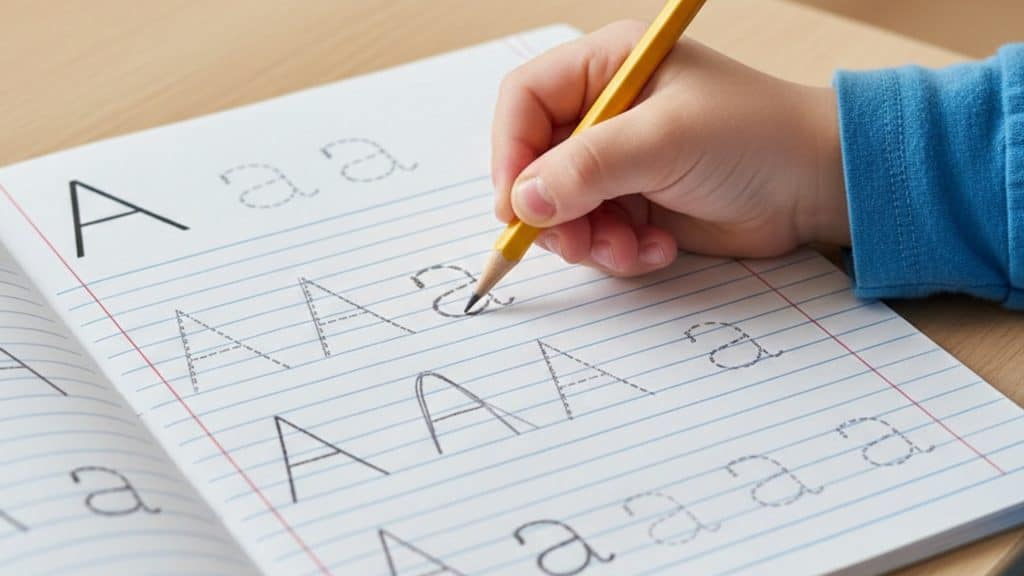
Learning to write begins with a single stroke. For young children, mastering the alphabet is their first big step toward literacy.
Alphabet tracing worksheets make this process simple and effective.
These free printable resources help preschoolers and kindergarteners practice letter formation.
Each worksheet includes both uppercase and lowercase letters. This approach builds a strong foundation for handwriting and reading skills.
Parents and teachers can use these worksheets at home or in the classroom.
They work well for homeschooling families, too. The tracing format guides little hands as they learn proper letter shapes.
With regular practice, children gain confidence in their writing abilities.
These worksheets turn learning into a hands-on activity. Kids can see their progress with each completed page.
The repetition helps their muscle memory develop naturally.
Alphabet Tracing Worksheets: A to Z
Each letter gets its own dedicated worksheet. You can download all 26 letters as free PDFs. Print them as many times as you need for practice.
1. A – Alphabet Tracing Worksheet
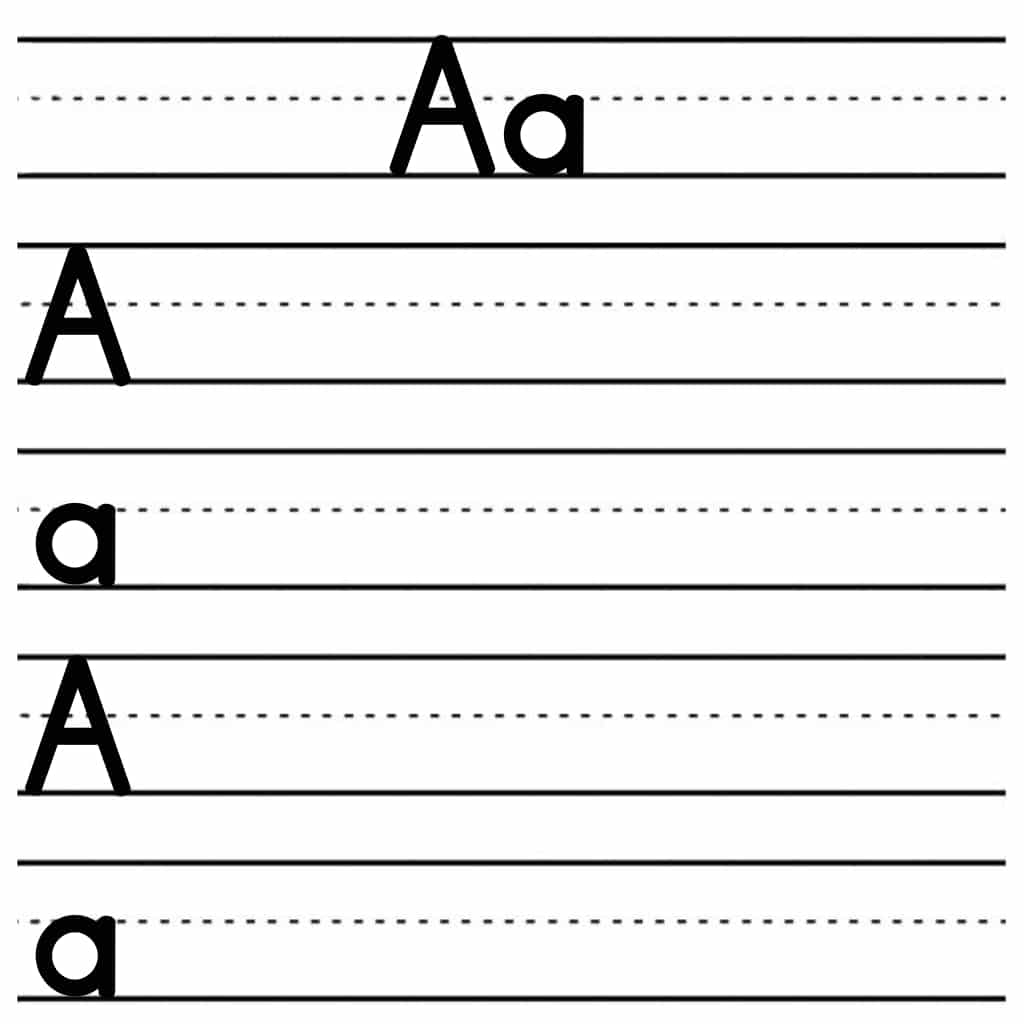
This worksheet features both uppercase A and lowercase a with dotted lines that guide children through proper letter formation, making it an ideal starting point for young learners.
2. B – Alphabet Tracing Worksheet
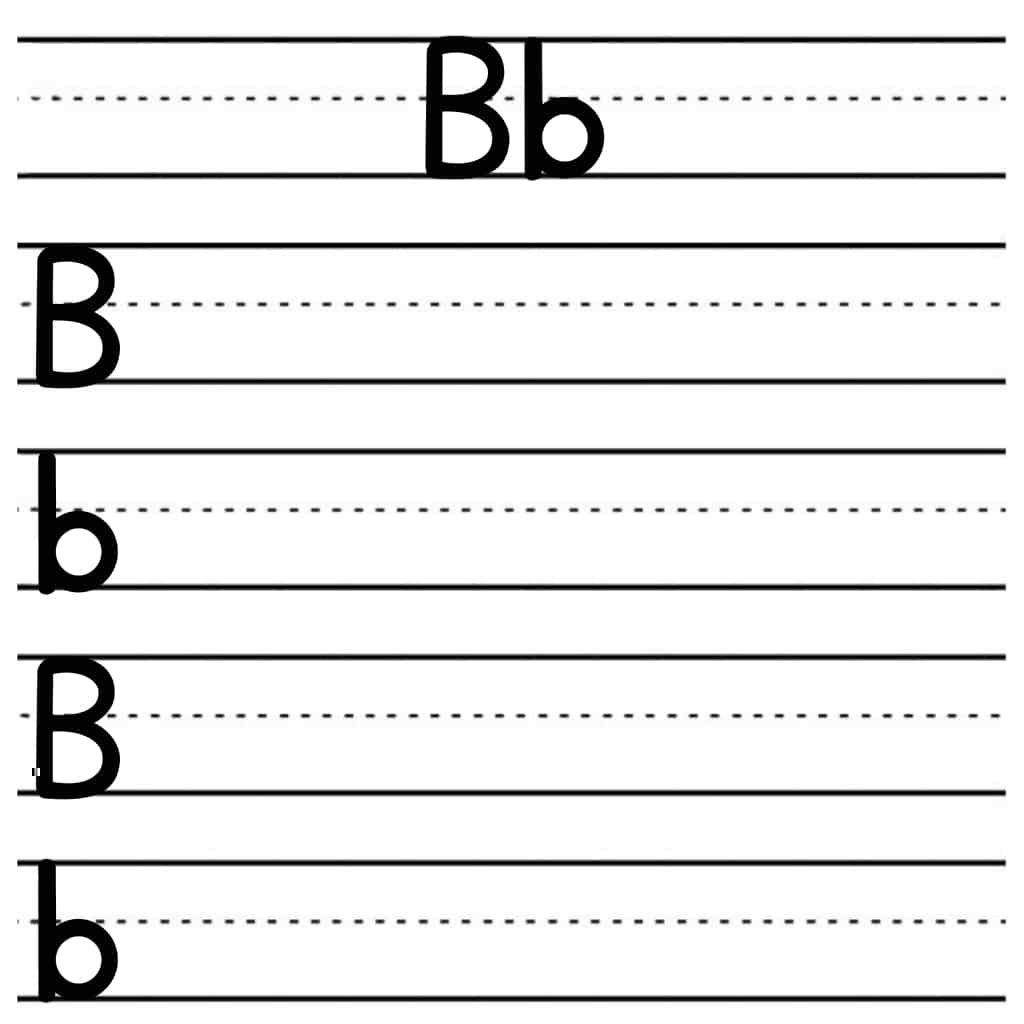
The letter B worksheet includes clear tracing paths for both uppercase and lowercase forms, helping children develop fine motor skills and hand strength through repeated practice.
3. C – Alphabet Tracing Worksheet
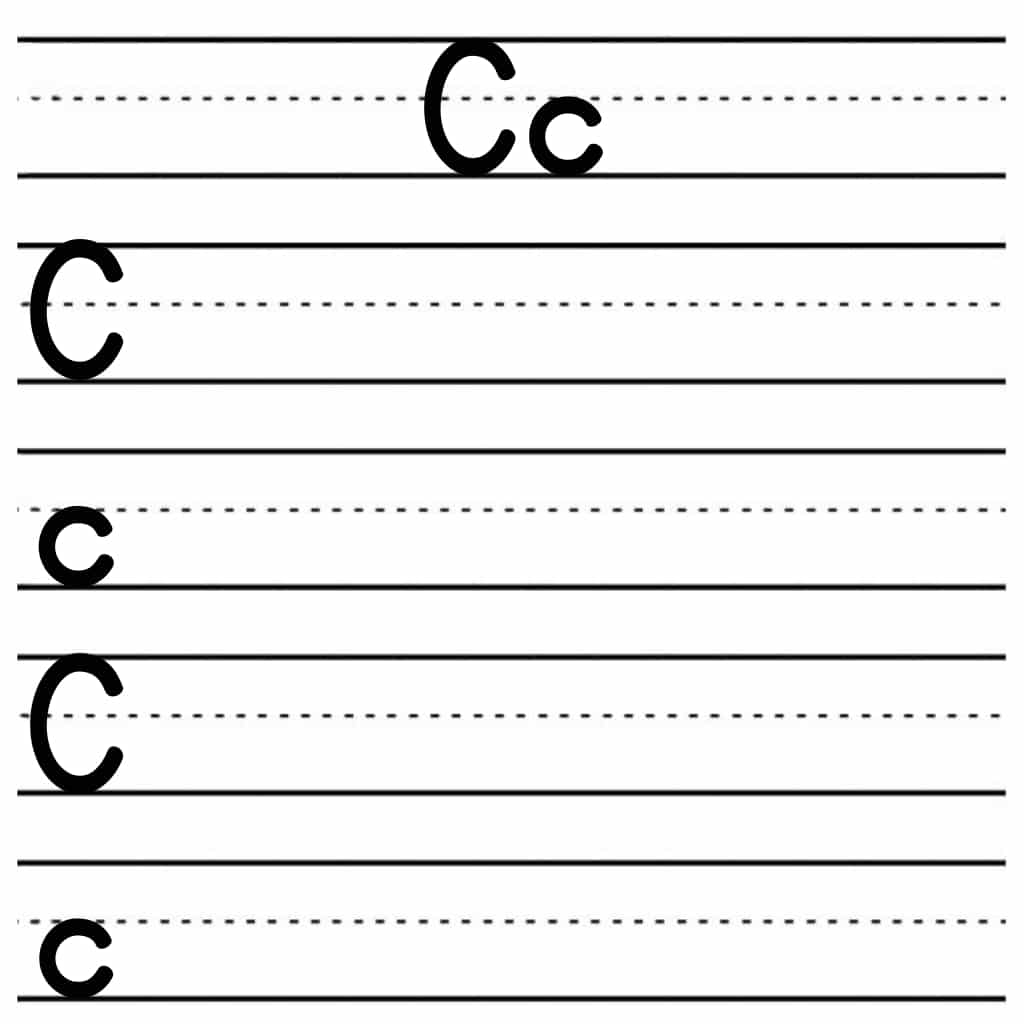
With its simple curved lines, this worksheet teaches children how to form rounded letters, a skill that transfers to writing other circular letters like O and Q.
4. D – Alphabet Tracing Worksheet
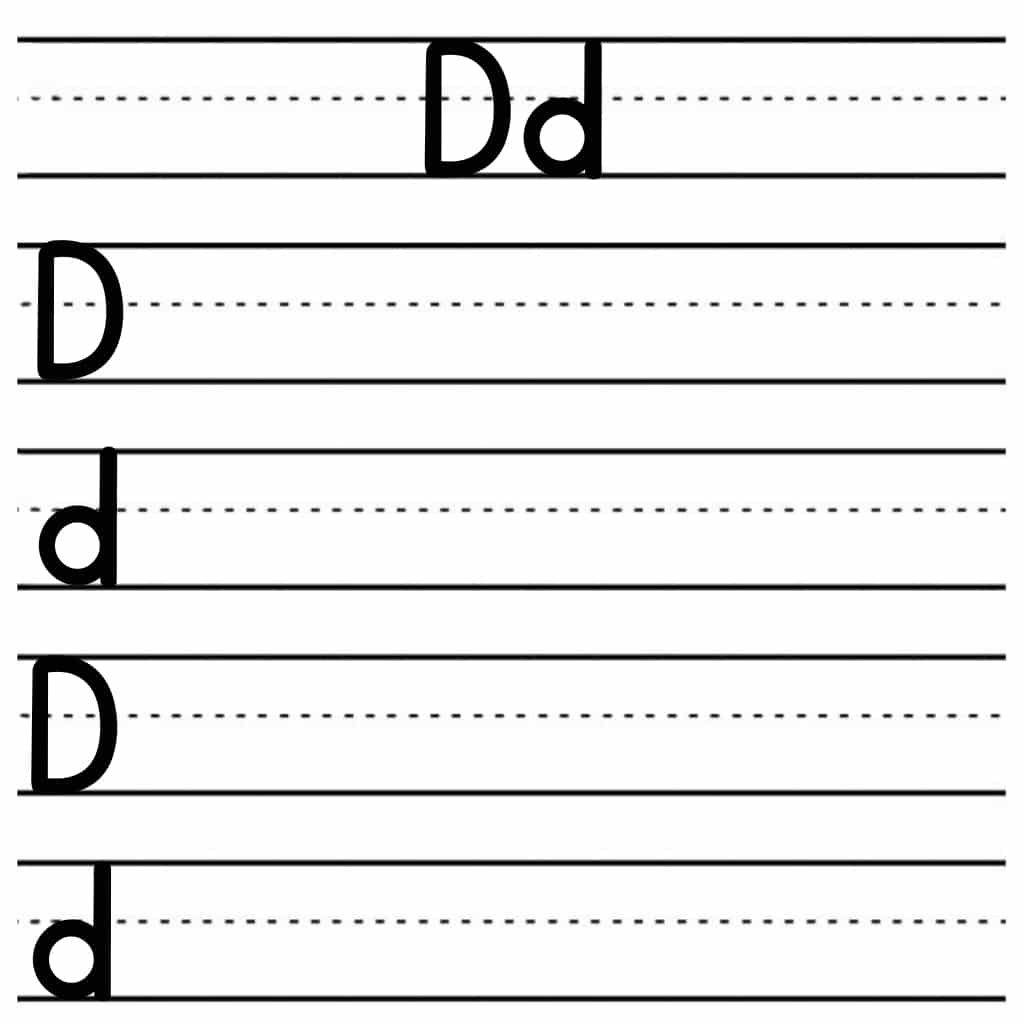
Letter D combines straight and curved lines in one worksheet, helping children maintain consistent letter sizing while practicing this common alphabet character.
5. E – Alphabet Tracing Worksheet
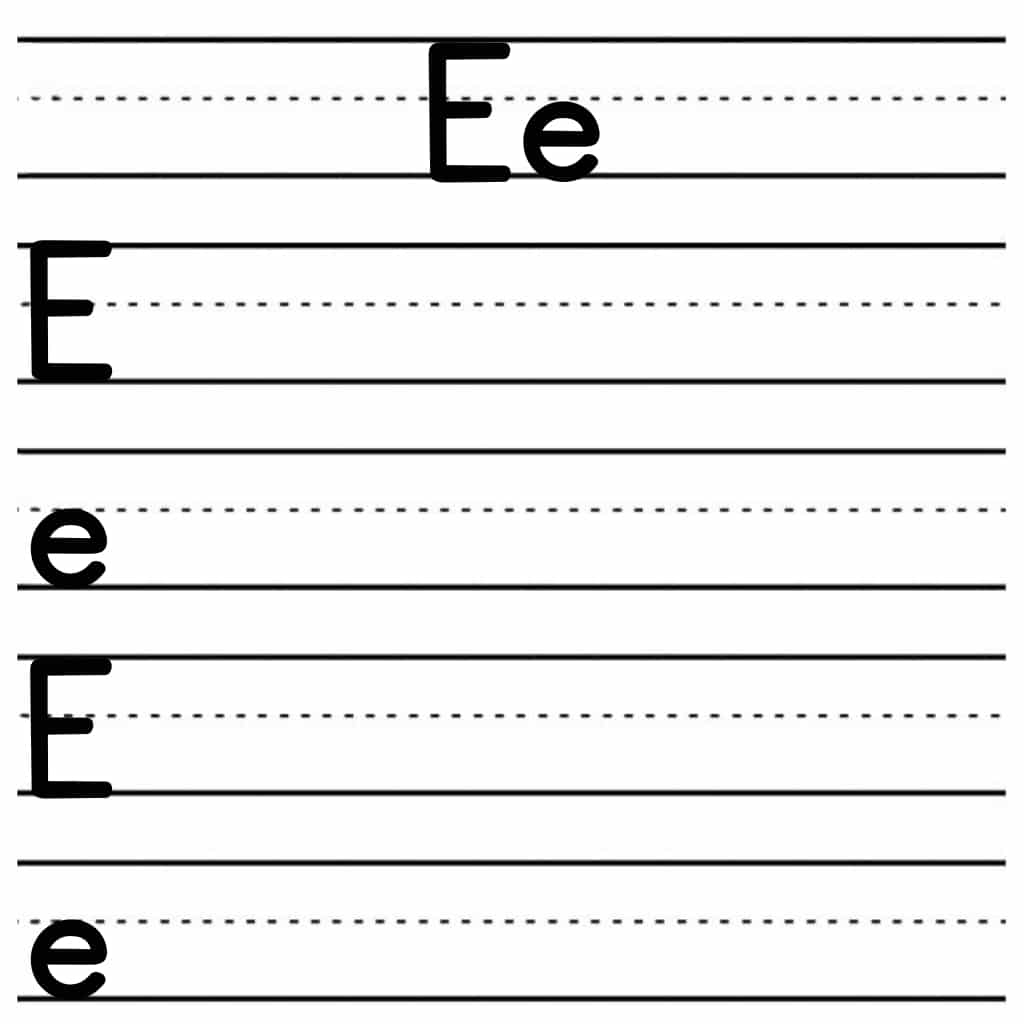
This worksheet focuses on multiple horizontal lines, teaching children precision and straight-line control as they trace both uppercase E and lowercase e.
6. F – Alphabet Tracing Worksheet
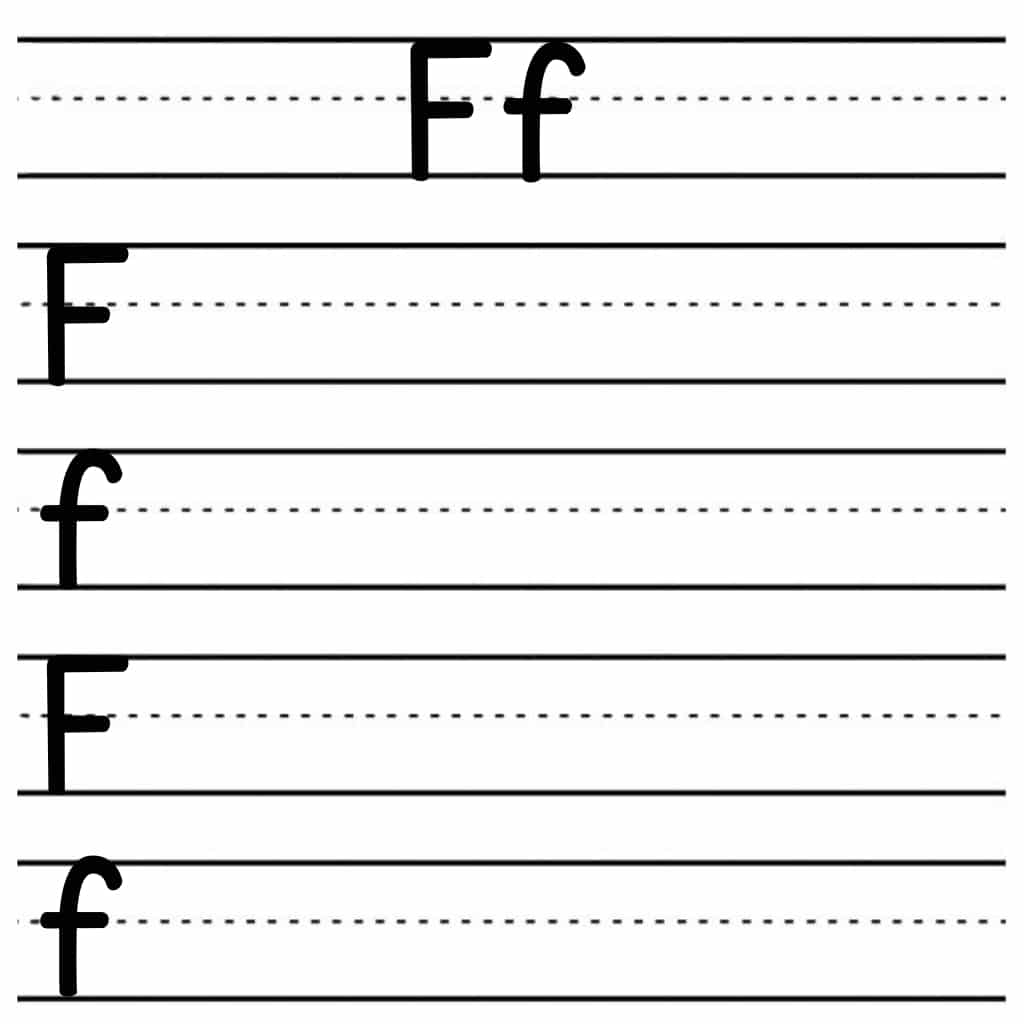
The shorter strokes in letter F make this worksheet approachable for beginners who are just starting to build confidence with letter formation.
7. G – Alphabet Tracing Worksheet
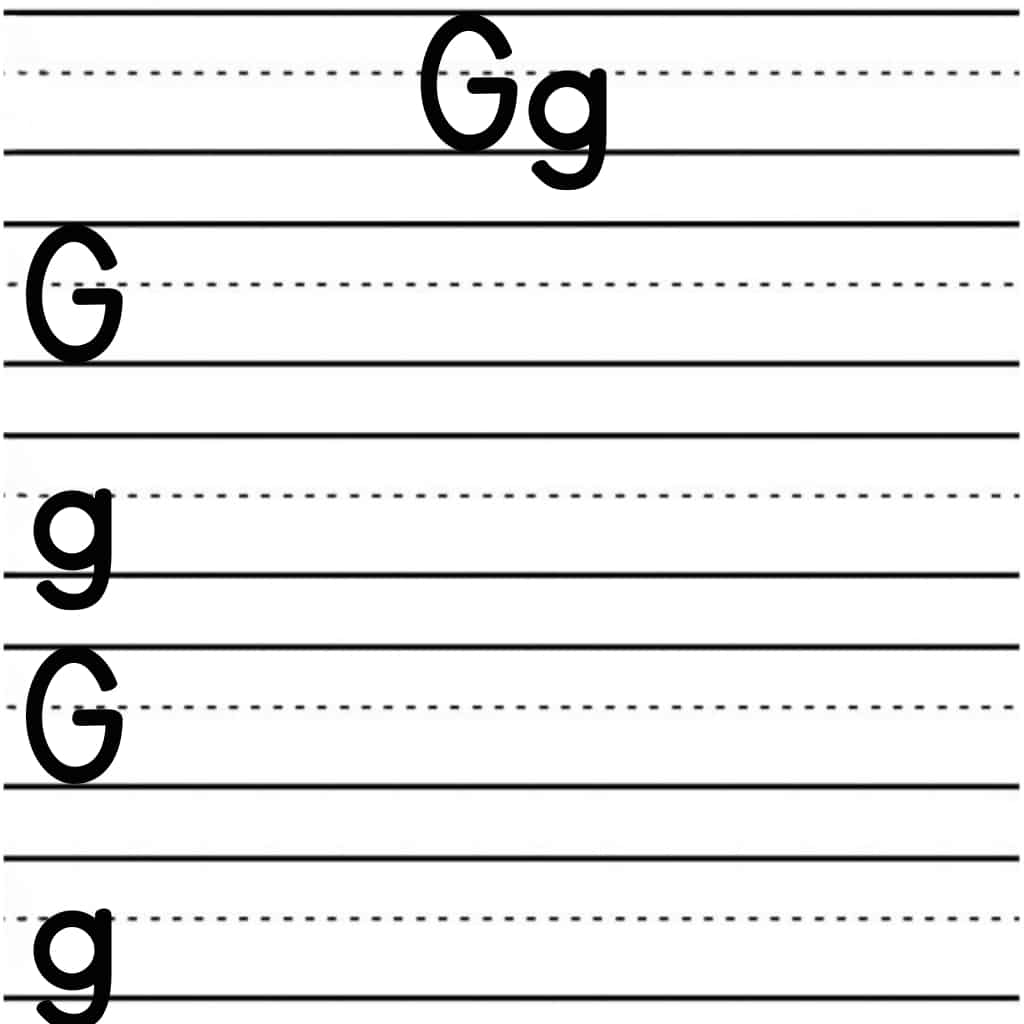
Children practice circular motions with this worksheet, developing the smooth writing flow needed for letter G and other curved letters.
8. H – Alphabet Tracing Worksheet
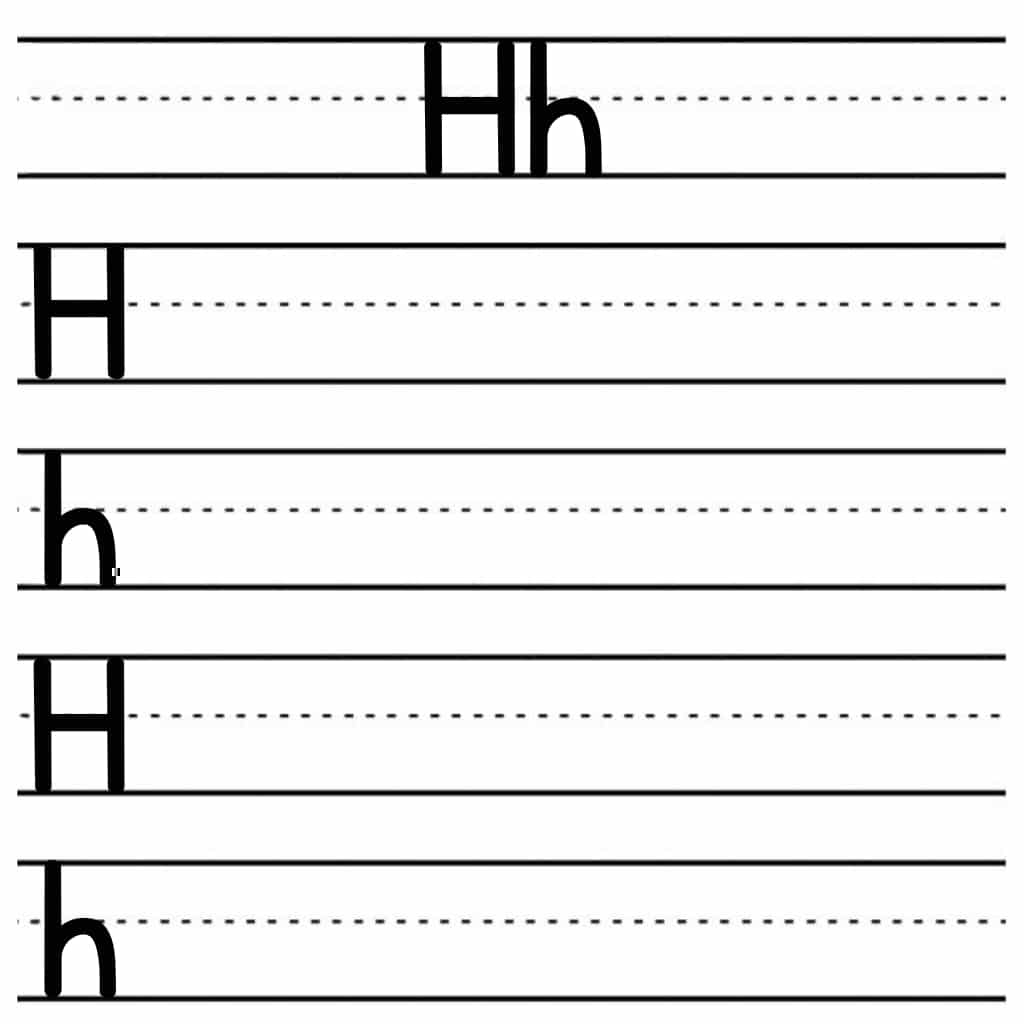
This worksheet helps children master vertical and horizontal line combinations, building skills that apply to many other letters in the alphabet.
9. I – Alphabet Tracing Worksheet
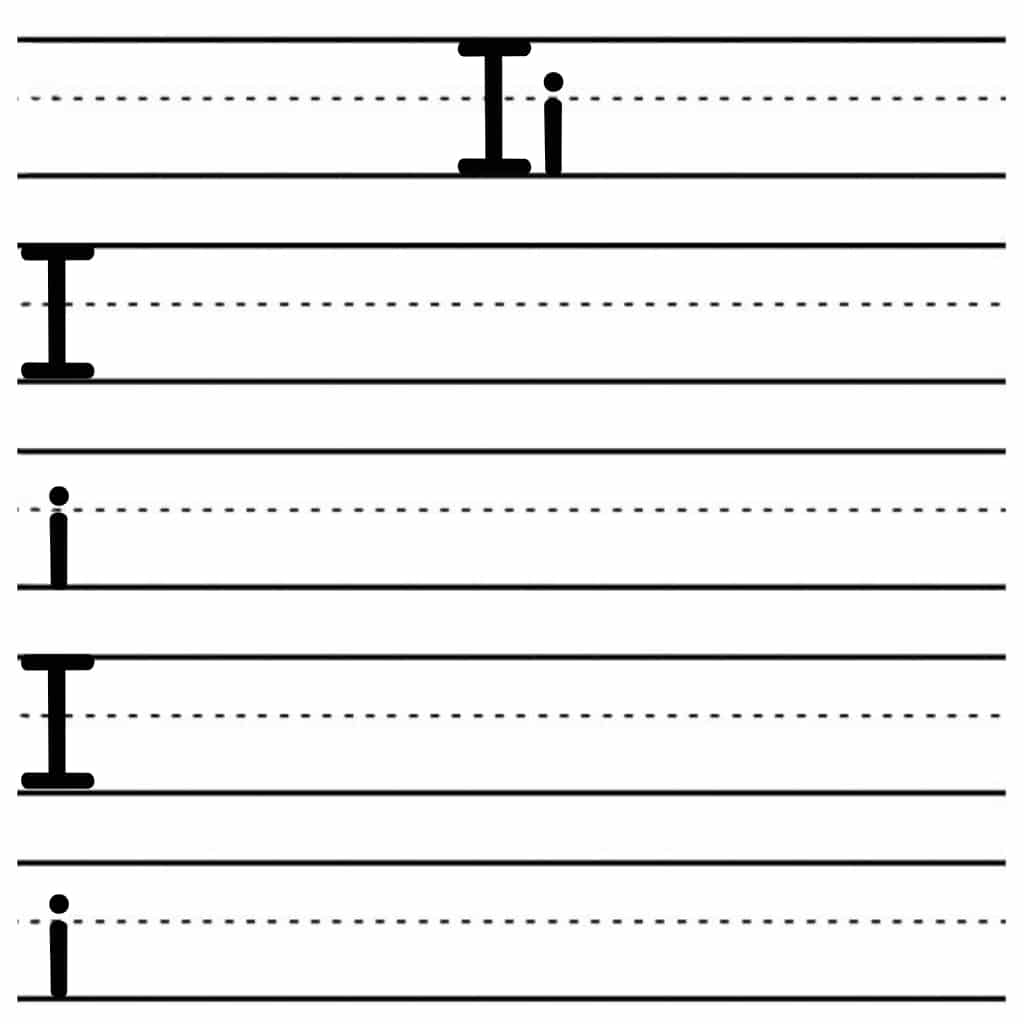
One of the simplest letters to trace, letter I gives young learners quick success and builds their confidence before moving to more complex shapes.
10. J – Alphabet Tracing Worksheet
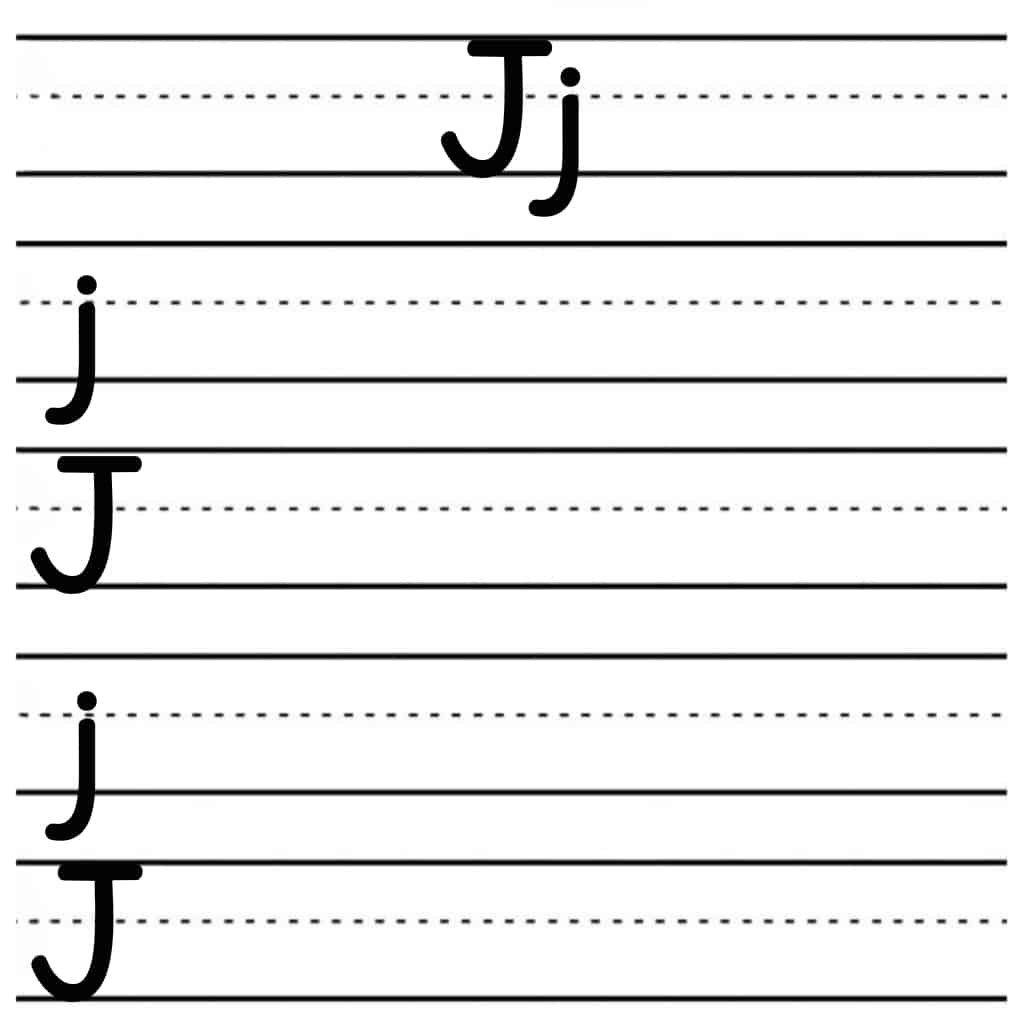
The letter J introduces children to letters that drop below the baseline, teaching them about different letter heights and proper spacing.
11. K – Alphabet Tracing Worksheet
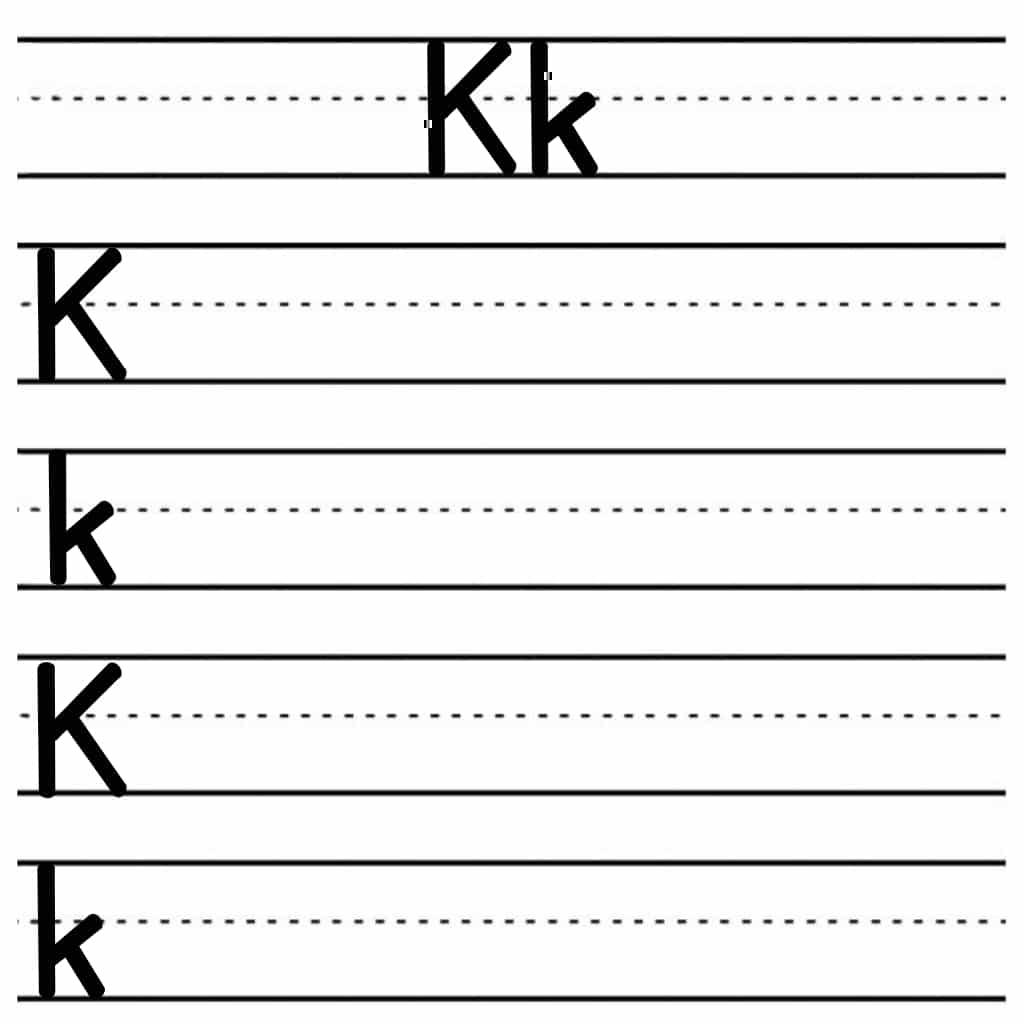
With its diagonal lines meeting a vertical stroke, this worksheet challenges children to coordinate multiple line directions in one letter.
12. L – Alphabet Tracing Worksheet
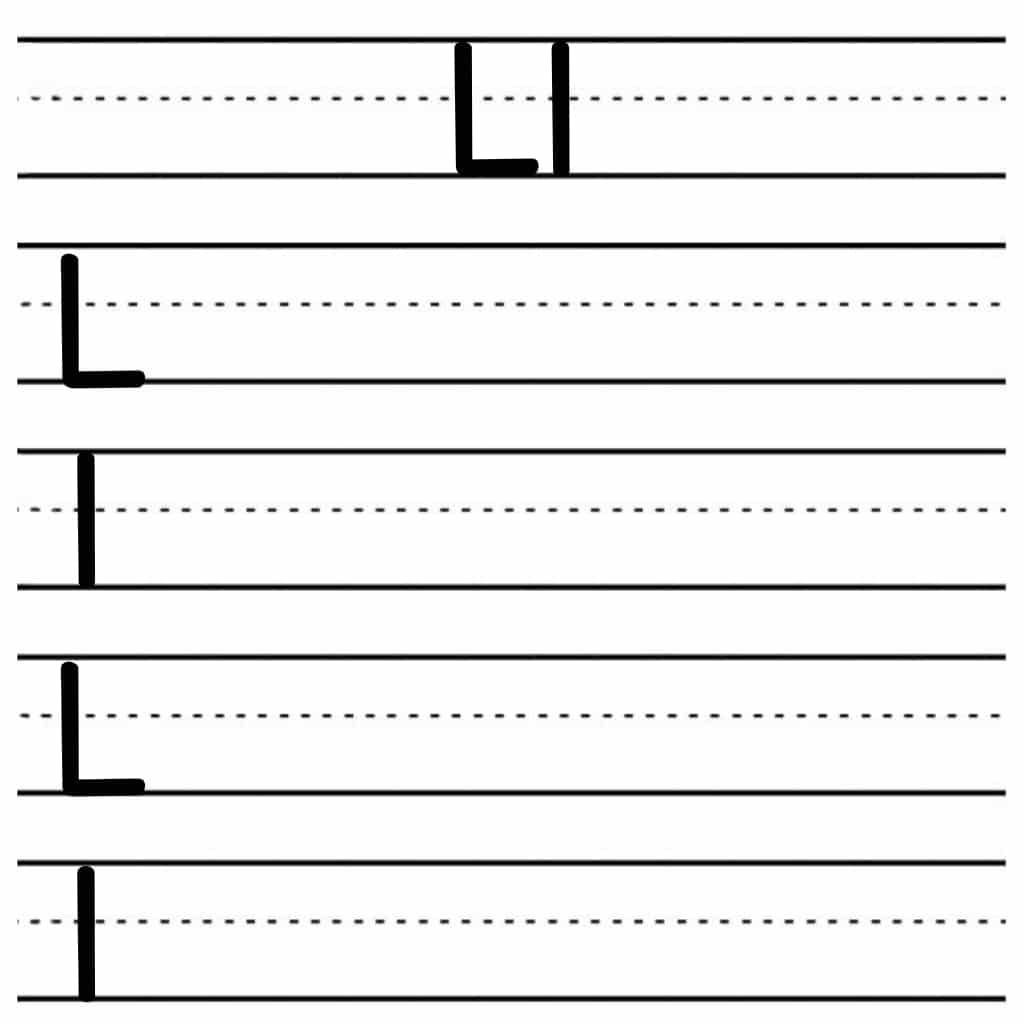
Letter L offers a straightforward combination of vertical and horizontal lines, making it perfect for children who are building basic writing skills.
13. M – Alphabet Tracing Worksheet
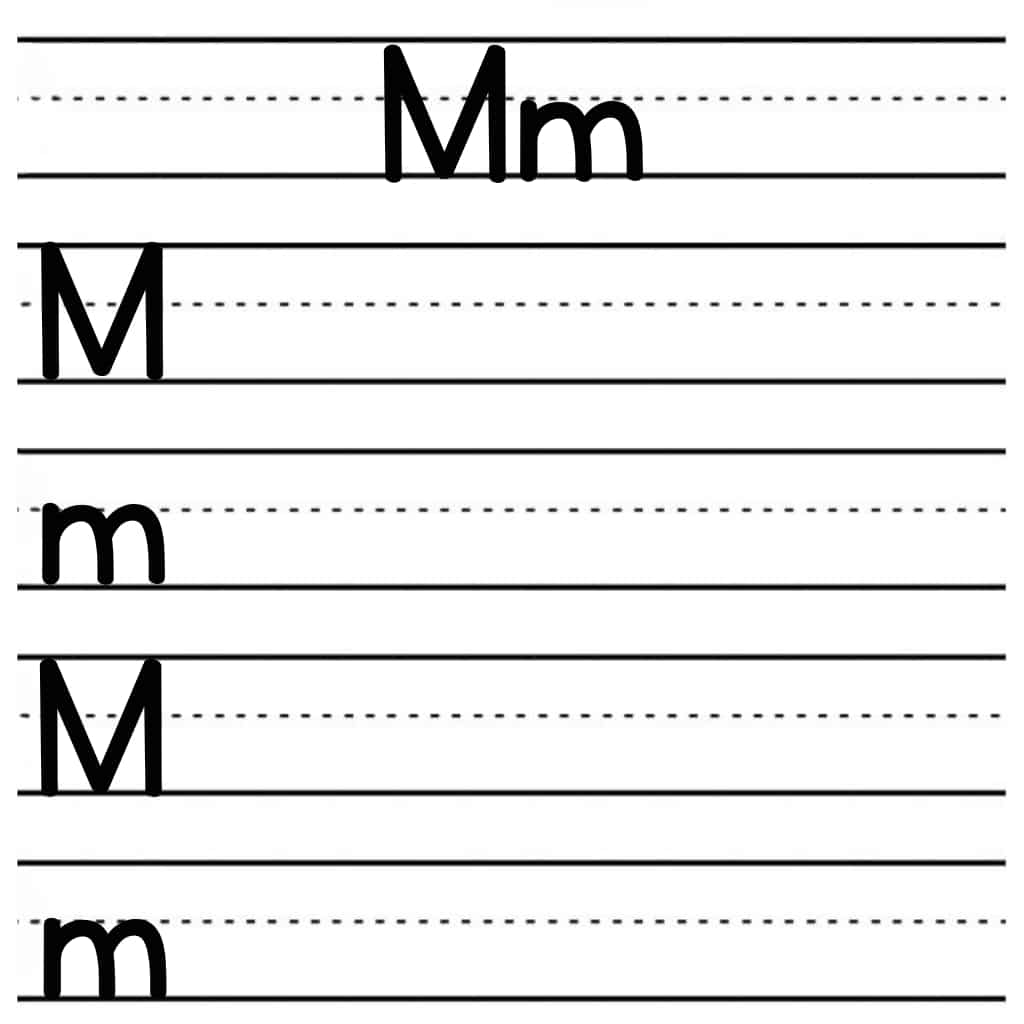
This worksheet teaches children to create multiple peaks in one letter, developing the rhythm needed for consistent letter formation.
14. N – Alphabet Tracing Worksheet
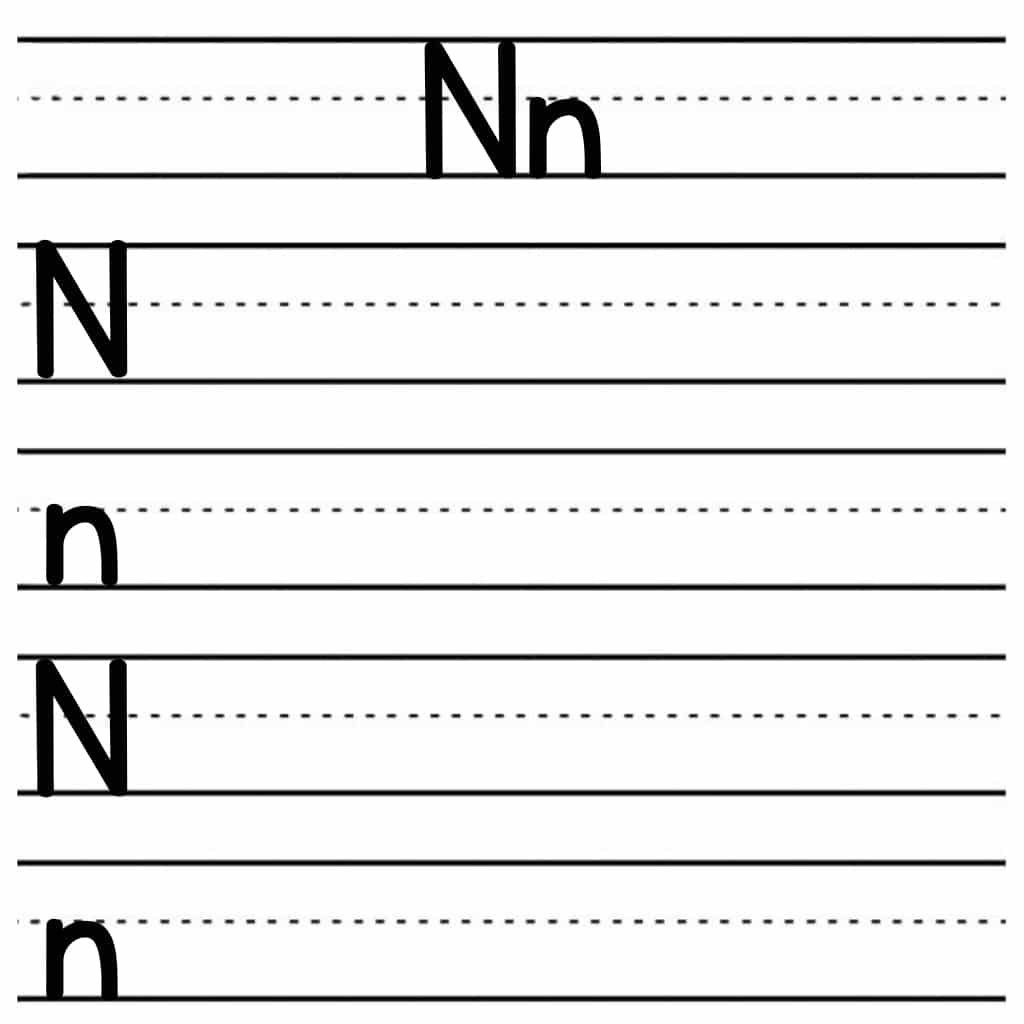
The diagonal stroke in letter N helps children practice angled lines, adding variety to their growing collection of writing skills.
15. O – Alphabet Tracing Worksheet
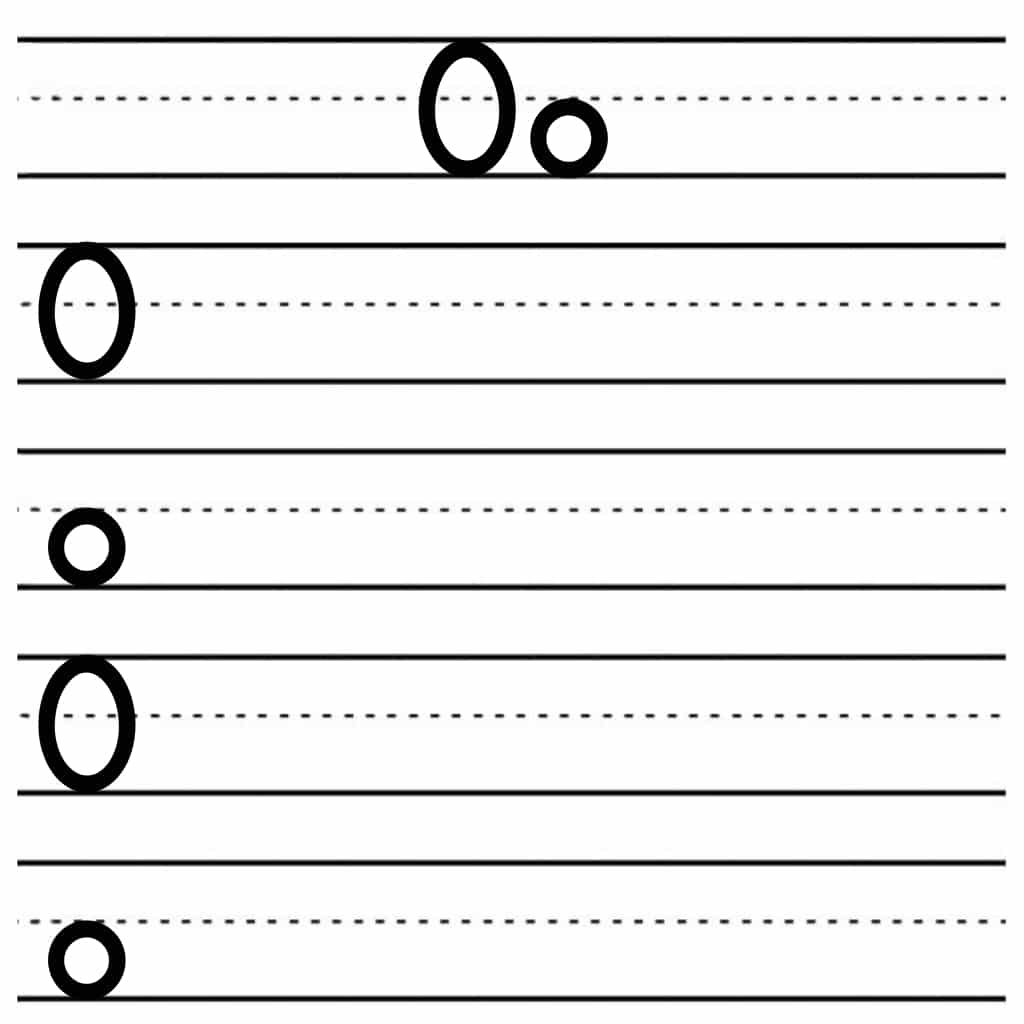
Circular letter O helps children practice smooth, continuous motions, which improve overall writing fluency and control.
16. P – Alphabet Tracing Worksheet
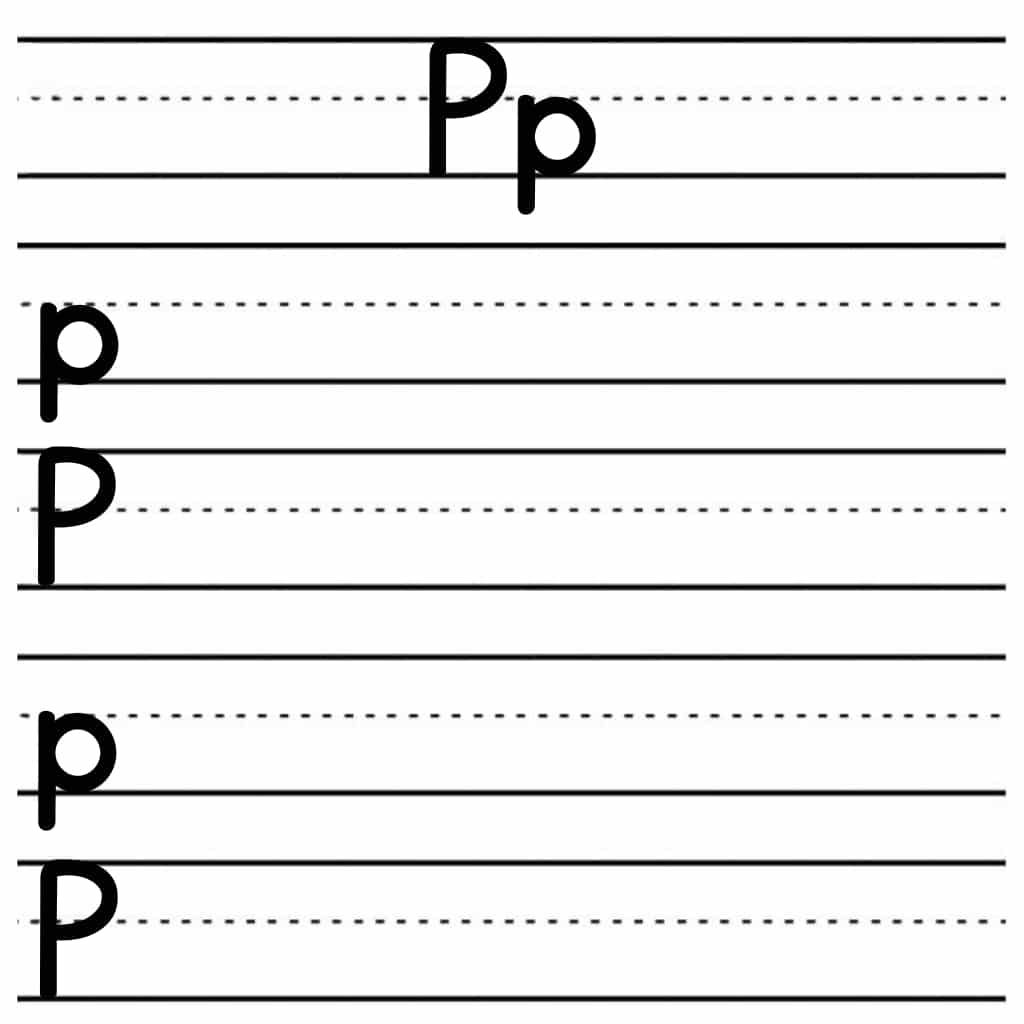
Letter P introduces children to letters with closed loops at the top, teaching them precision in connecting different parts of a letter.
17. Q – Alphabet Tracing Worksheet
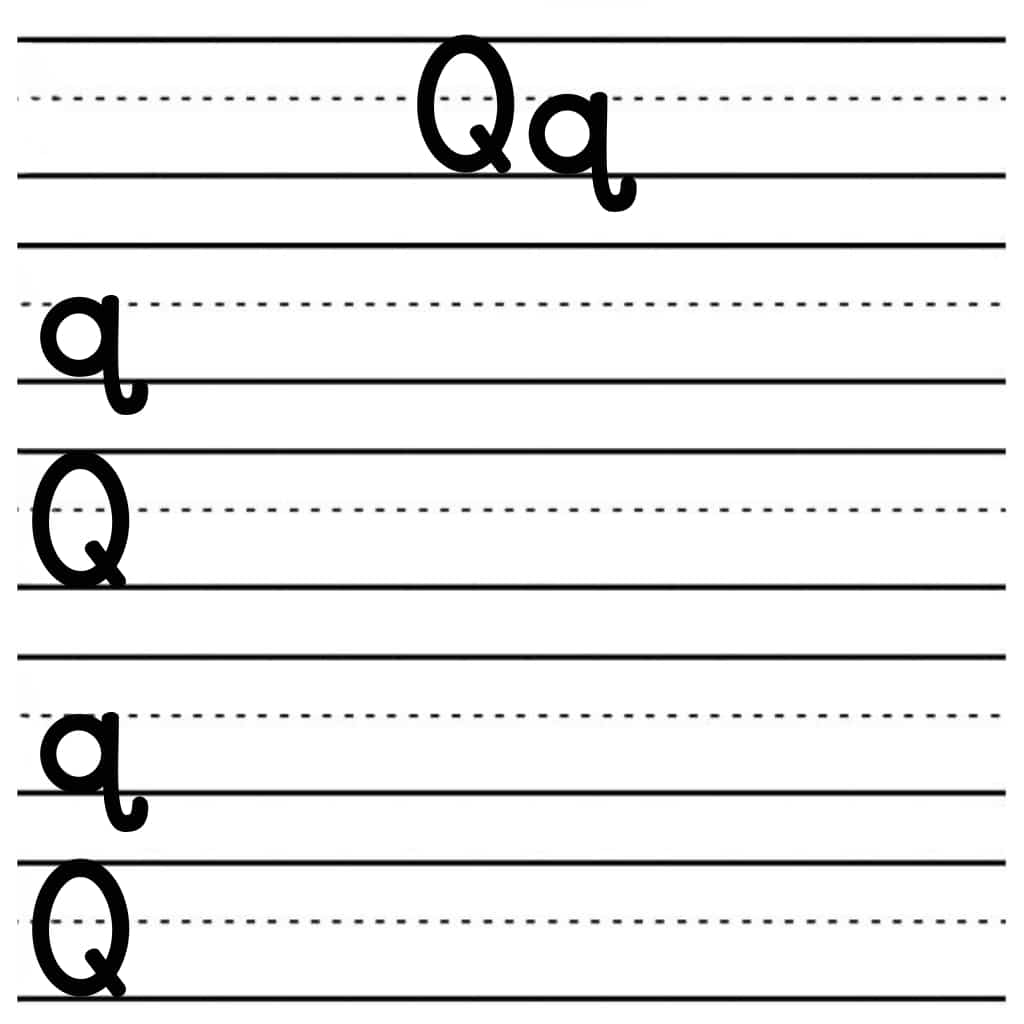
This worksheet combines a circle with a small tail, helping children learn how to add distinctive features to basic letter shapes.
18. R – Alphabet Tracing Worksheet
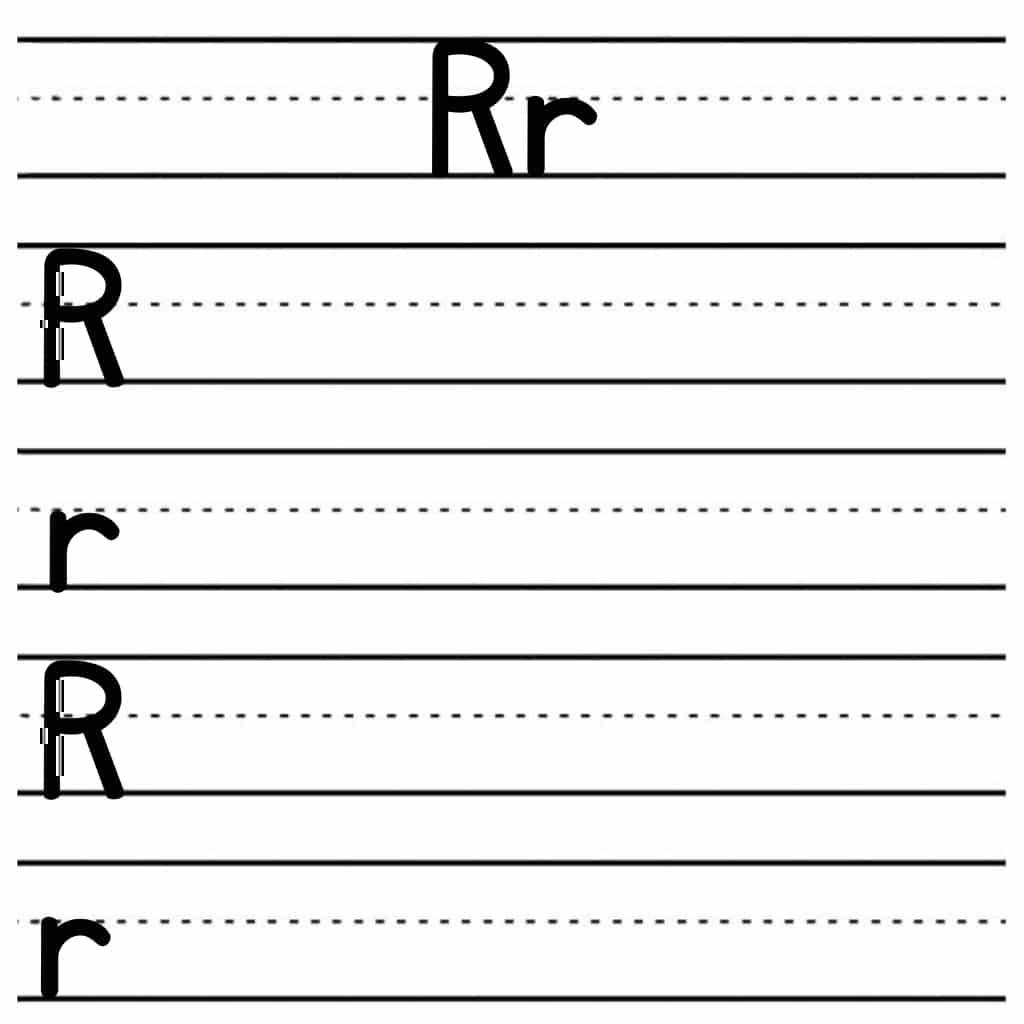
The letter R worksheet teaches children to combine curves with diagonal lines, preparing them for more complex letter formations.
19. S – Alphabet Tracing Worksheet
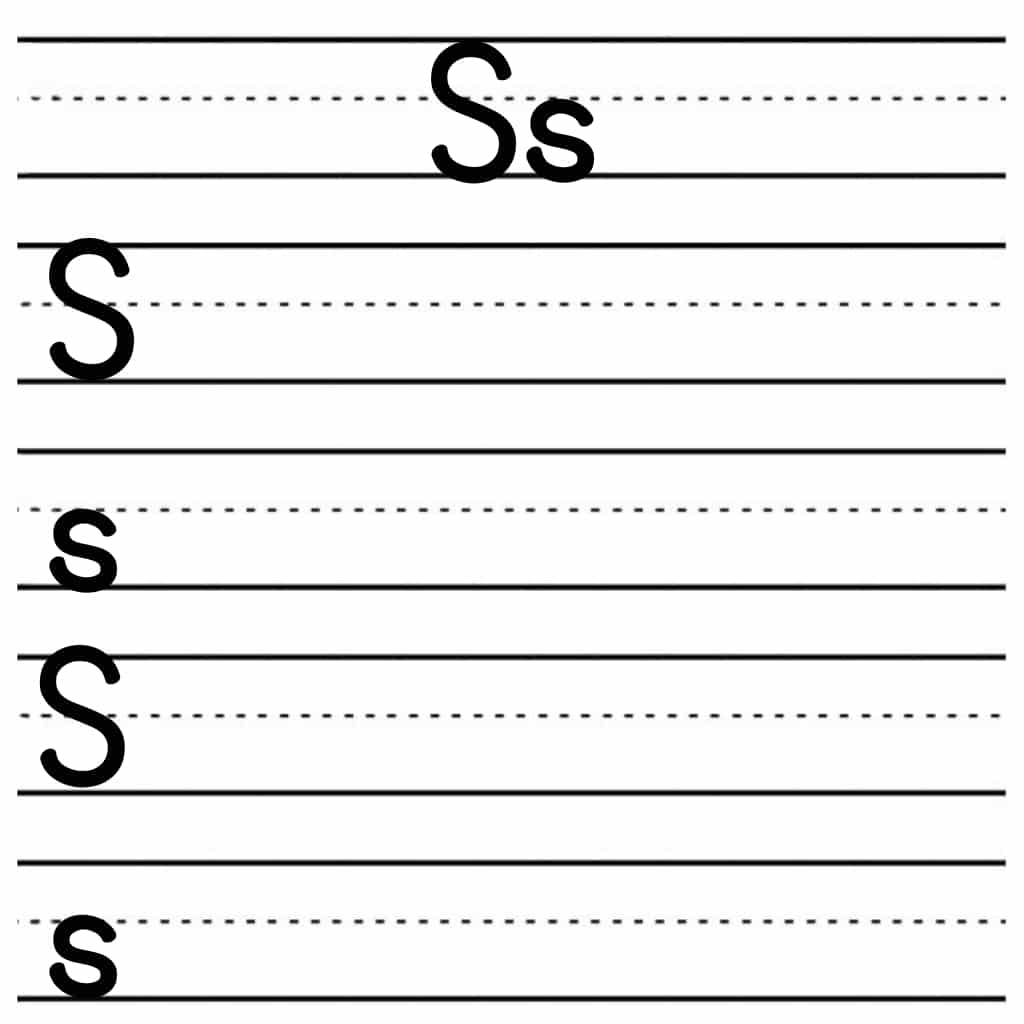
With its flowing curve, the letter S challenges children to create smooth transitions, improving their overall handwriting control.
20. T – Alphabet Tracing Worksheet
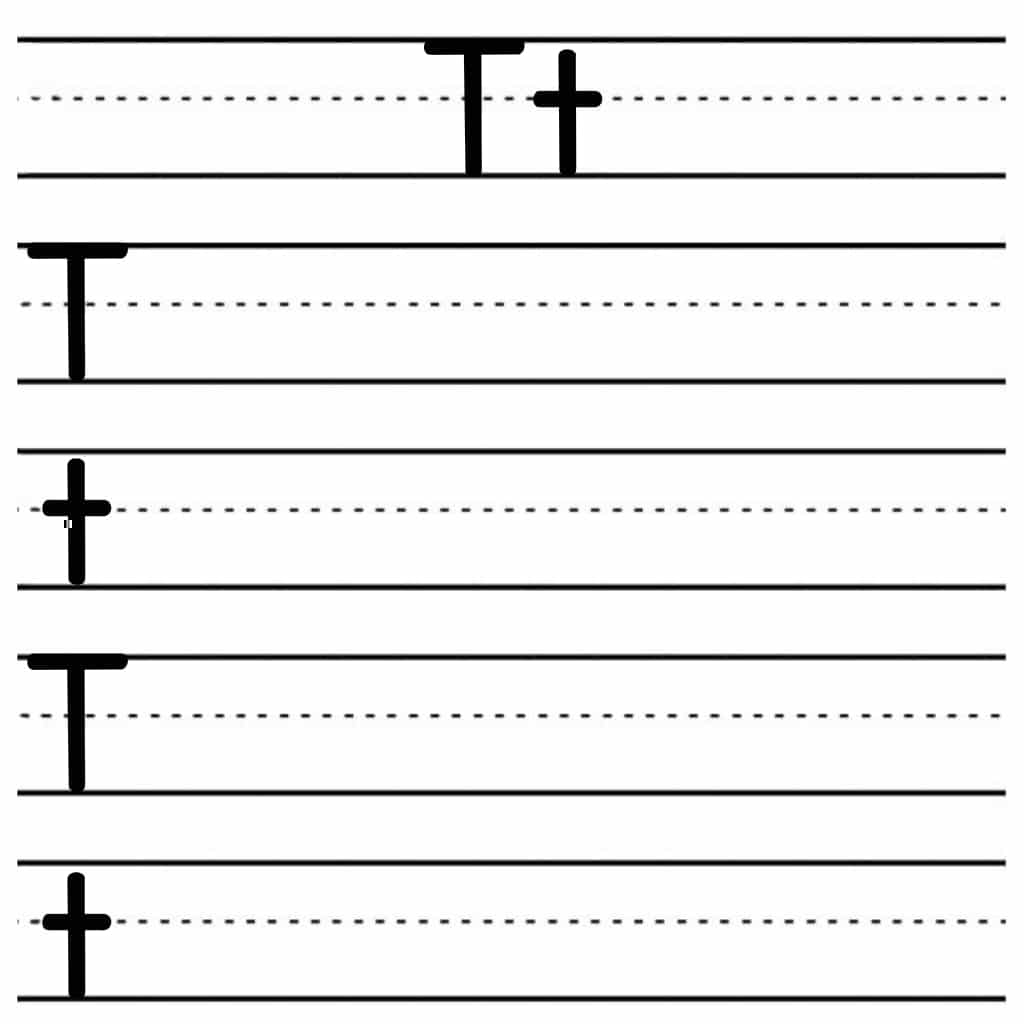
This simple cross-shaped letter helps children practice placing horizontal lines at specific heights, a skill needed for proper letter proportion.
21. U – Alphabet Tracing Worksheet
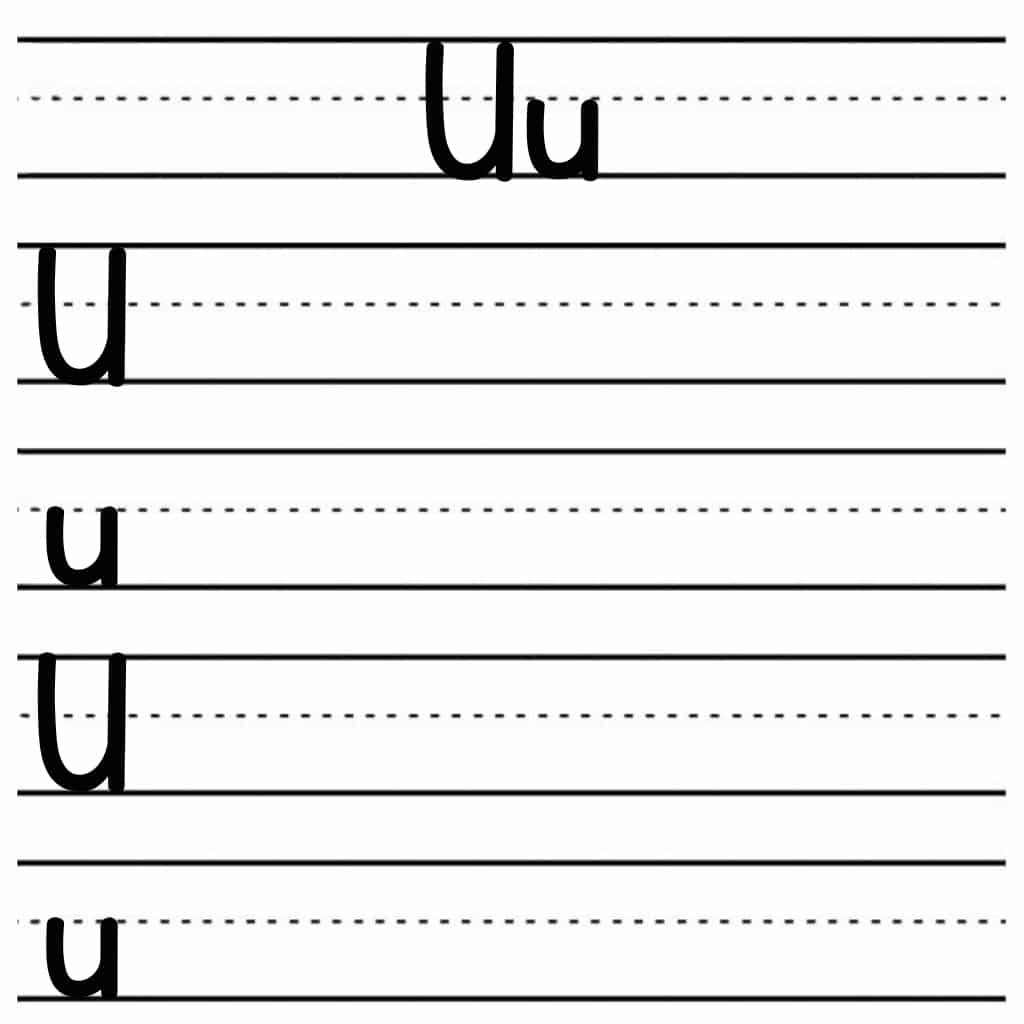
The curved bottom of the letter U teaches children how to create U-shaped strokes, which appear in several other letters as well.
22. V – Alphabet Tracing Worksheet
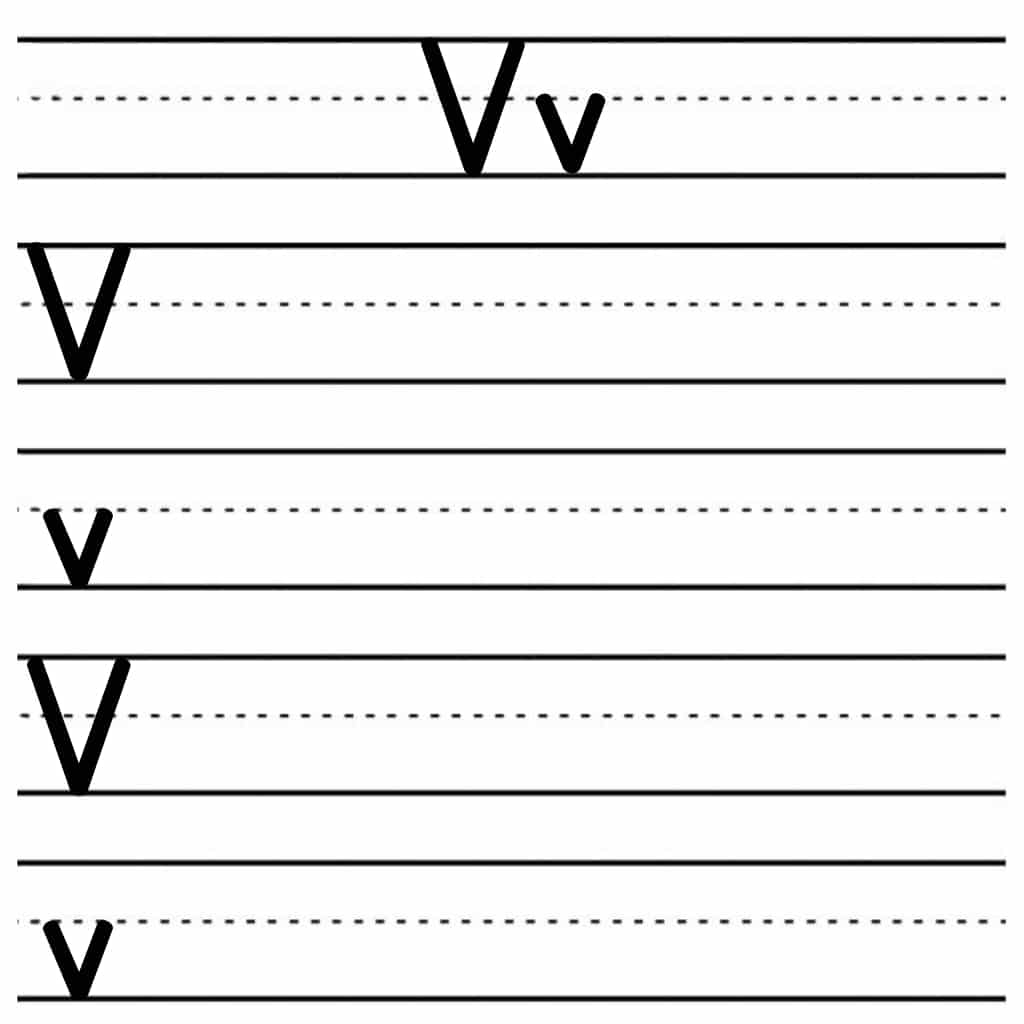
Letter V introduces children to diagonal lines that meet at a point, teaching angle control and precision in letter formation.
23. W – Alphabet Tracing Worksheet
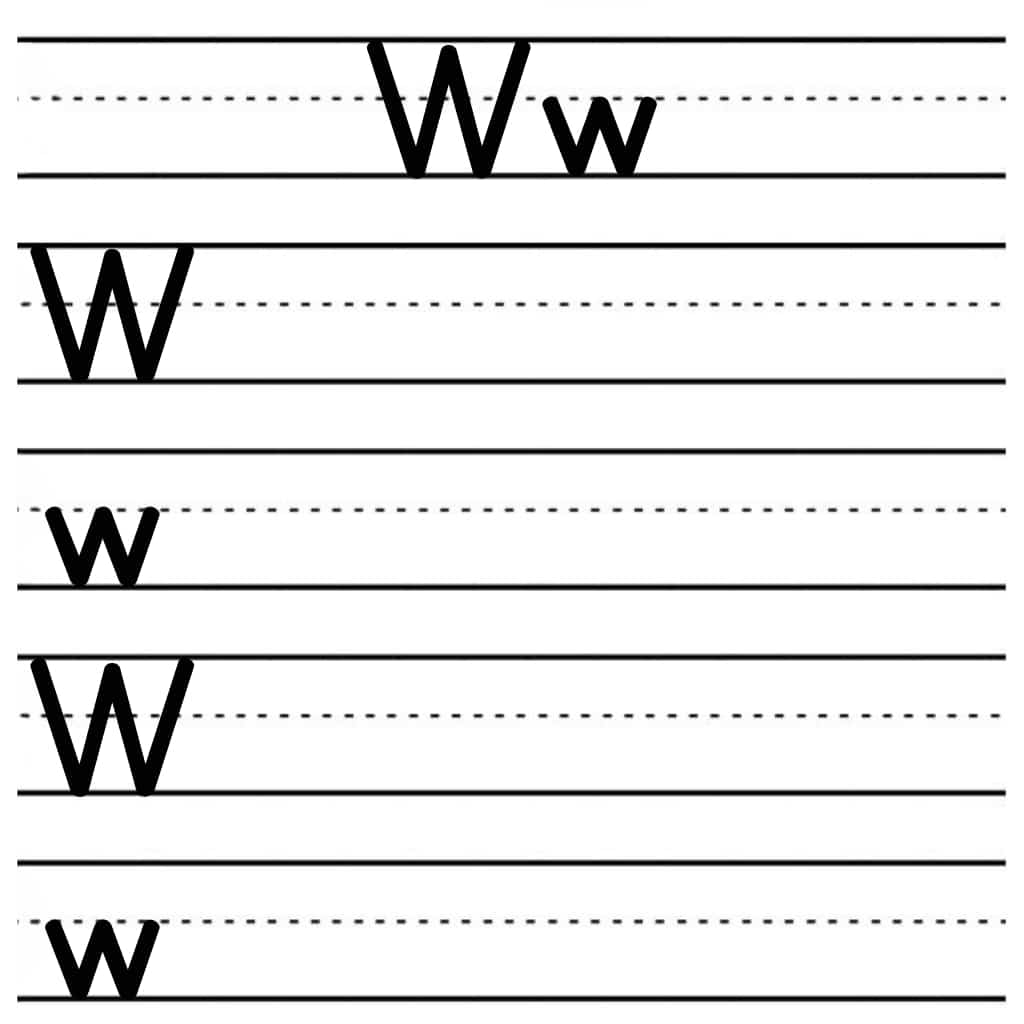
This worksheet helps children practice multiple diagonal lines in sequence, building coordination and consistency across wider letter shapes.
24. X – Alphabet Tracing Worksheet
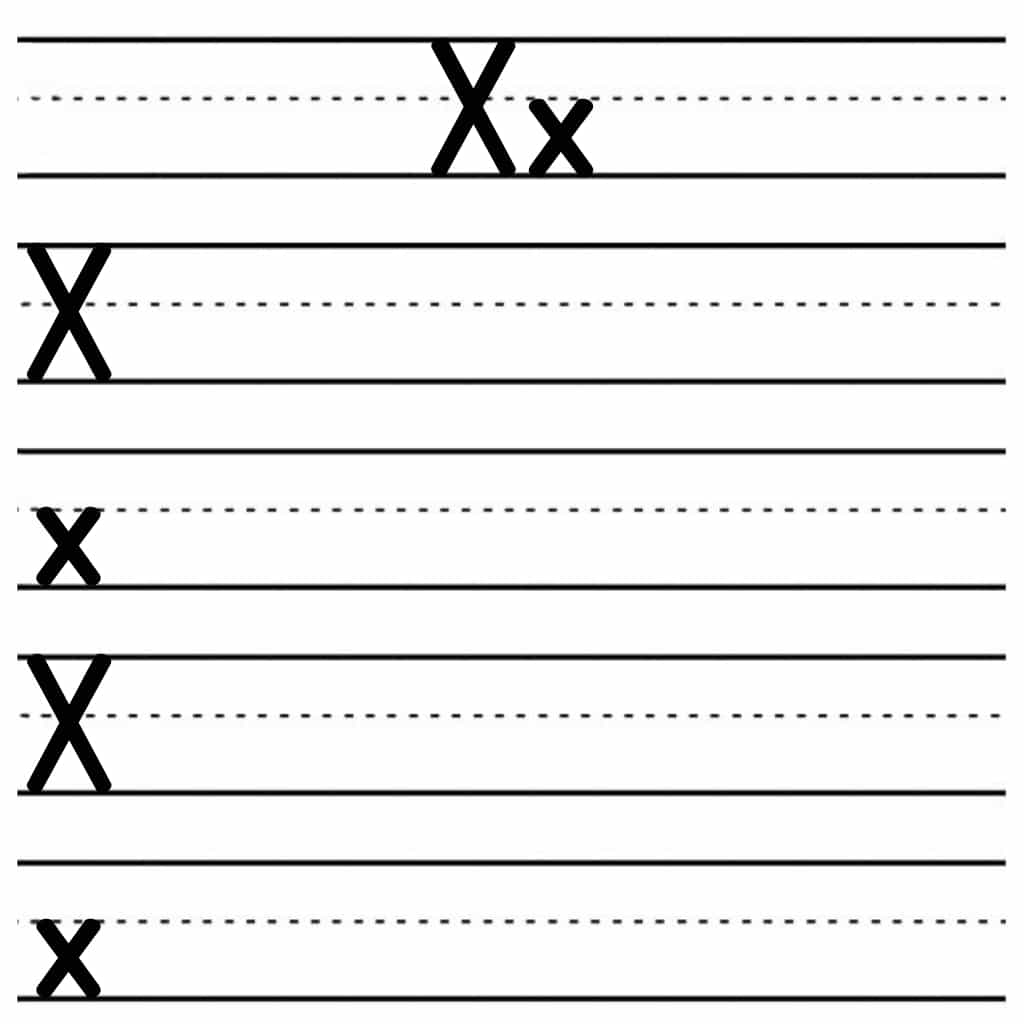
The intersecting diagonal lines in letter X teach children how to cross strokes accurately, developing spatial awareness in their writing.
25. Y – Alphabet Tracing Worksheet
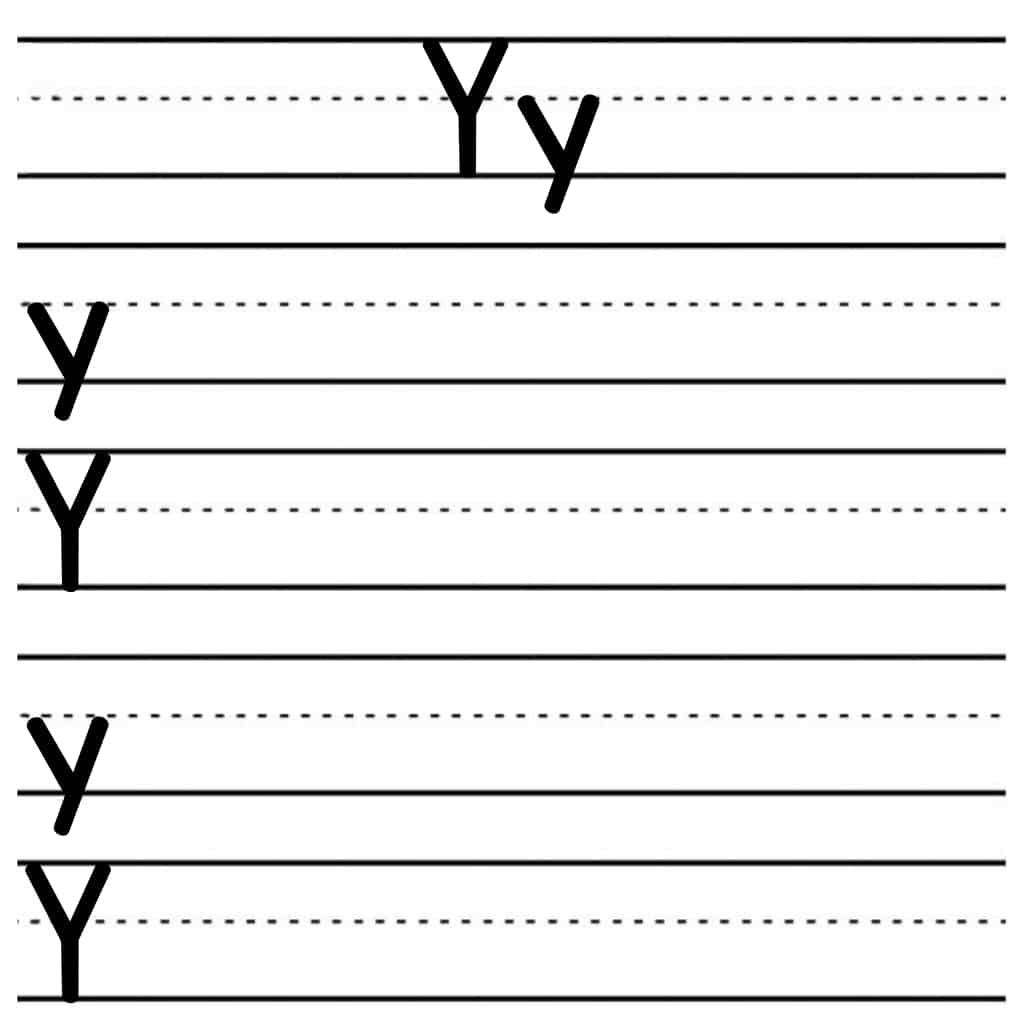
Letter Y combines a V-shape top with a descending line, helping children coordinate upper and lower portions of letters.
26. Z – Alphabet Tracing Worksheet
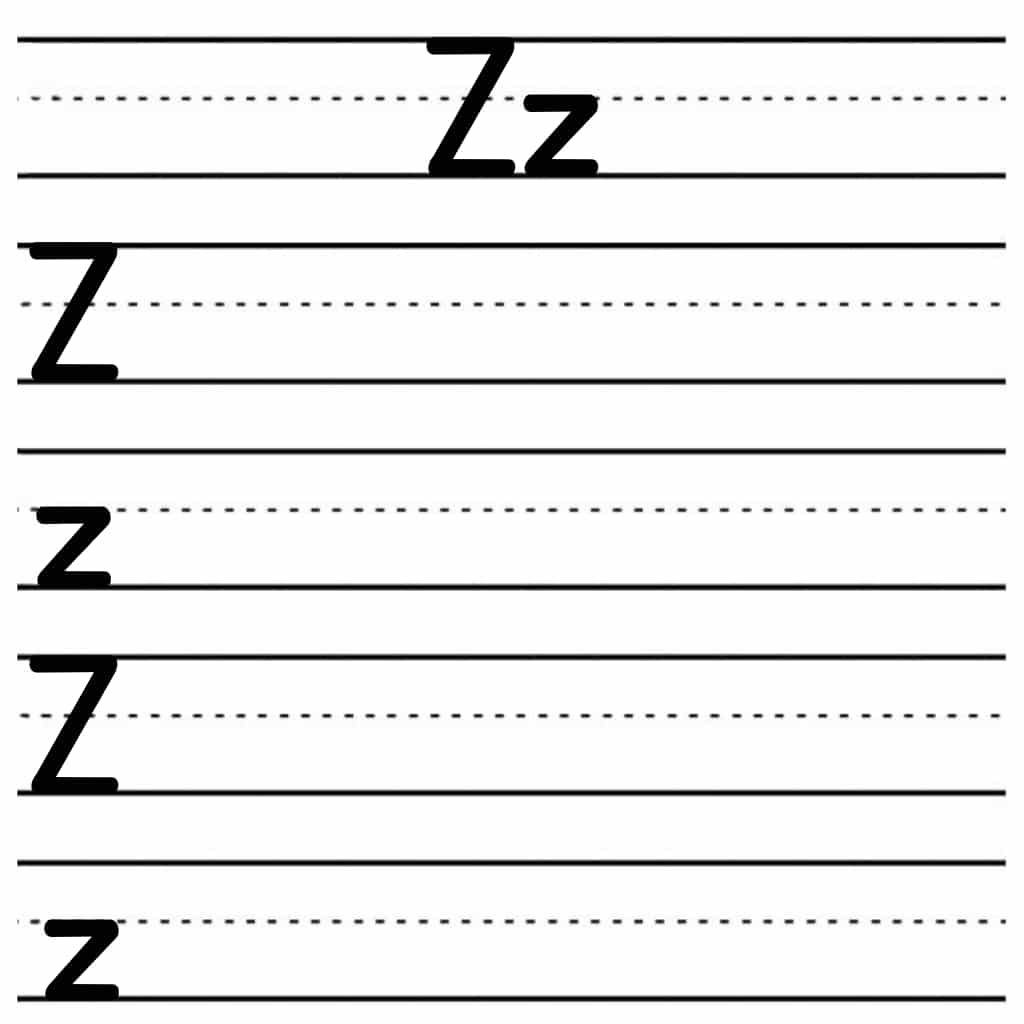
The final letter of the alphabet features diagonal and horizontal lines, completing the full range of stroke types children need for writing.
Here’s the downloadable link for the Alphabet tracing worksheets.
How to Use Alphabet Tracing Worksheets for Effective Learning?

Getting the most from these worksheets requires a thoughtful approach.
Here are some practical tips for parents and teachers.
Keep Practice Sessions Short
- Young children have limited attention spans
- Five to ten minutes per session works best
- Short bursts of focused practice beat long, tiring sessions
- Stop when you notice frustration or fatigue setting in
Pair Letters with Their Sounds
- Connect each letter to its phonetic sound
- Say the letter sound while tracing
- This helps children link visual symbols to spoken language
- The connection strengthens both reading and writing skills
Make It Fun and Interactive
- Use different colored pencils or crayons for variety
- Let children choose their favorite colors
- Celebrate completed worksheets with praise
- Small rewards can boost motivation too
Establish a Regular Routine
- Practice at the same time each day when possible
- Consistency helps build good habits
- Morning sessions often work well when kids are fresh
- Find what works for your child’s schedule
Start with Easier Letters
- Begin with simple letters like L, T, or I
- These straight-line letters build confidence
- Move to curved letters like O and C next
- Save complex letters like B, R, or K for later
Demonstrate Proper Technique
- Show children how to hold their pencil correctly
- Model the starting point and direction for each stroke
- Trace a few letters yourself first
- Let them watch before they try
Mix Digital and Physical Practice
- While these printable worksheets work great, vary the medium
- Use a whiteboard or chalkboard sometimes
- Finger tracing in sand or shaving cream adds sensory input
- Different textures enhance learning
Track Progress Over Time
- Save completed worksheets in a folder
- Review older work occasionally
- Children love seeing how much they’ve improved
- This builds confidence and encourages continued practice
Conclusion
Alphabet tracing worksheets provide a solid foundation for literacy development. These free resources make letter learning accessible to everyone. Parents and teachers can use them without any cost barrier.
The worksheets work because they combine visual guidance with physical practice. Children learn through repetition and muscle memory. Each traced letter brings them closer to independent writing.
Download the complete A to Z collection today. Start with a few letters and gradually add more. Consistent practice, even just a few minutes daily, produces real results. Before you know it, your child will be writing confidently on their own.
These worksheets represent more than just handwriting practice. They open the door to reading, writing, and lifelong learning. Give your young learner this valuable head start with our free alphabet tracing worksheets.