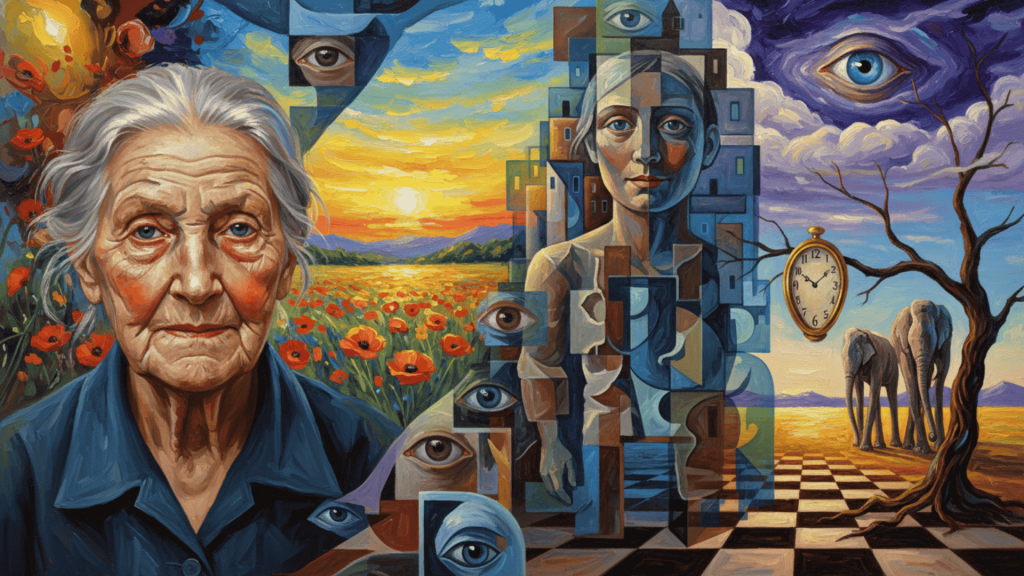
Art has taken many forms over the centuries. From realistic portraits to wild splashes of color, painting styles show us how artists see the world.
Each style tells a story. It shows the time it was created and the emotions behind it.
Understanding different types of painting styles helps you enjoy art more. You start to notice the brushwork. You see the color choices. You find meaning in each piece.
This guide covers the most important painting styles that shaped art history. You’ll learn what makes each style special. You’ll meet the famous artists. You’ll see what their paintings looked like.
By the end, you’ll spot these styles in any gallery or museum.
A Guide to the Most Influential Painting Styles in Art
Painting styles have changed the way we see and create art. Each movement brought new ideas about color, form, and meaning.
Some styles focus on reality. Others explore dreams and emotions. Understanding these styles helps you see the thought process behind every brushstroke.
Let’s explore the painting styles that changed art forever.
1. Realism – Capturing Life as It Is
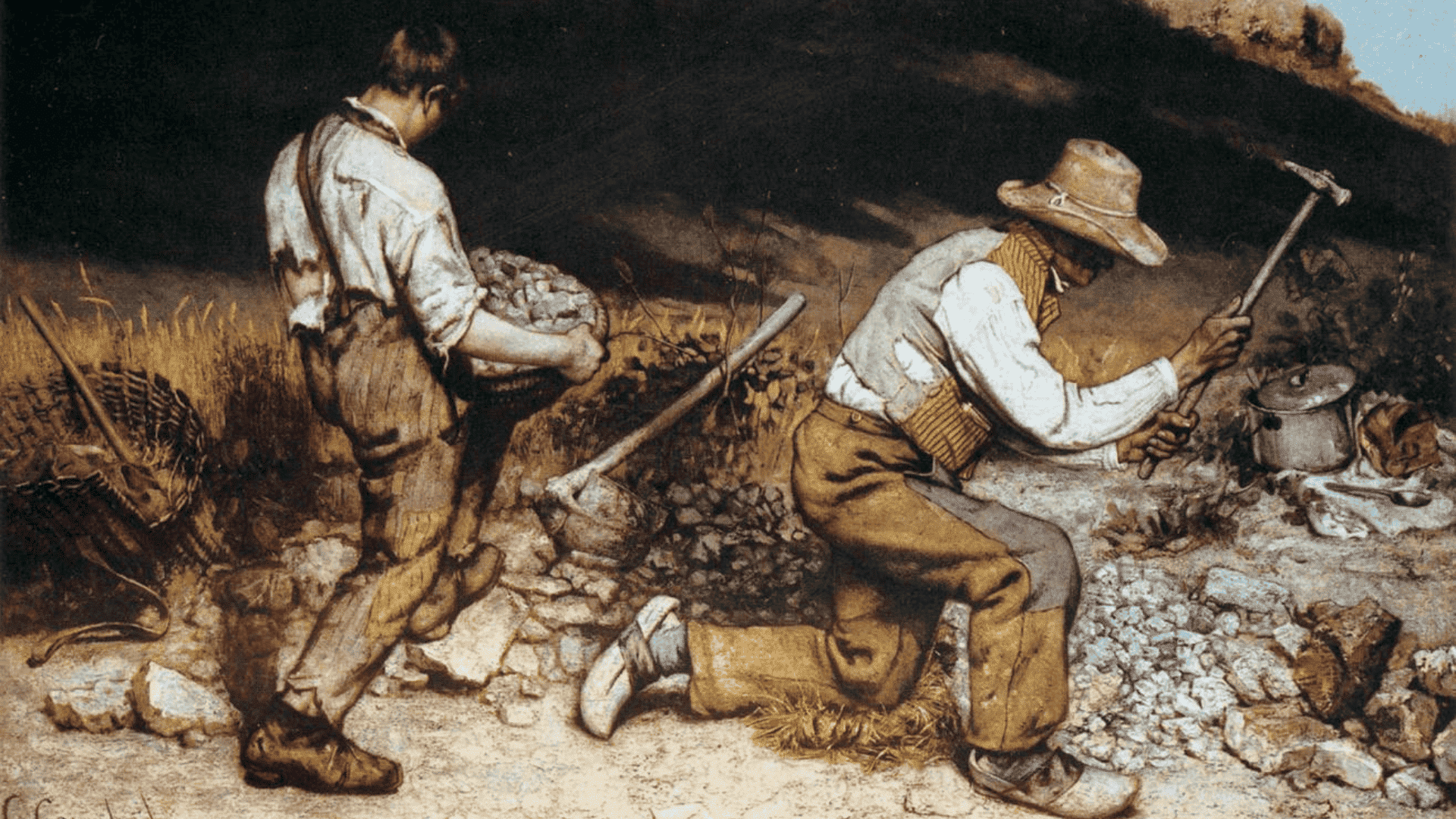
The Stone Breakers– Gustave Courbet
Realism shows life exactly as it appears. Artists paint what they see without adding drama or imagination. This style began in France in the 1850s as a reaction against the fancy, idealized paintings.
Realist artists wanted to show real people doing everyday things. They painted farmers, workers, and everyday scenes in natural colors and with careful shading. Every detail matters, from wrinkles on a face to dirt on clothes.
Gustave Courbet led this movement. His painting The Stone Breakers shows two men breaking rocks on a roadside.
It honored working people in a way art rarely did before. Jean-François Millet and Édouard Manet also created powerful, realistic works that captured honest moments from daily life.
Quick Tip: Look for paintings that show ordinary people in everyday settings. If it looks like a snapshot of real life without fancy staging, you’re likely looking at Realism.
2. Impressionism – The Beauty of Light and Movement
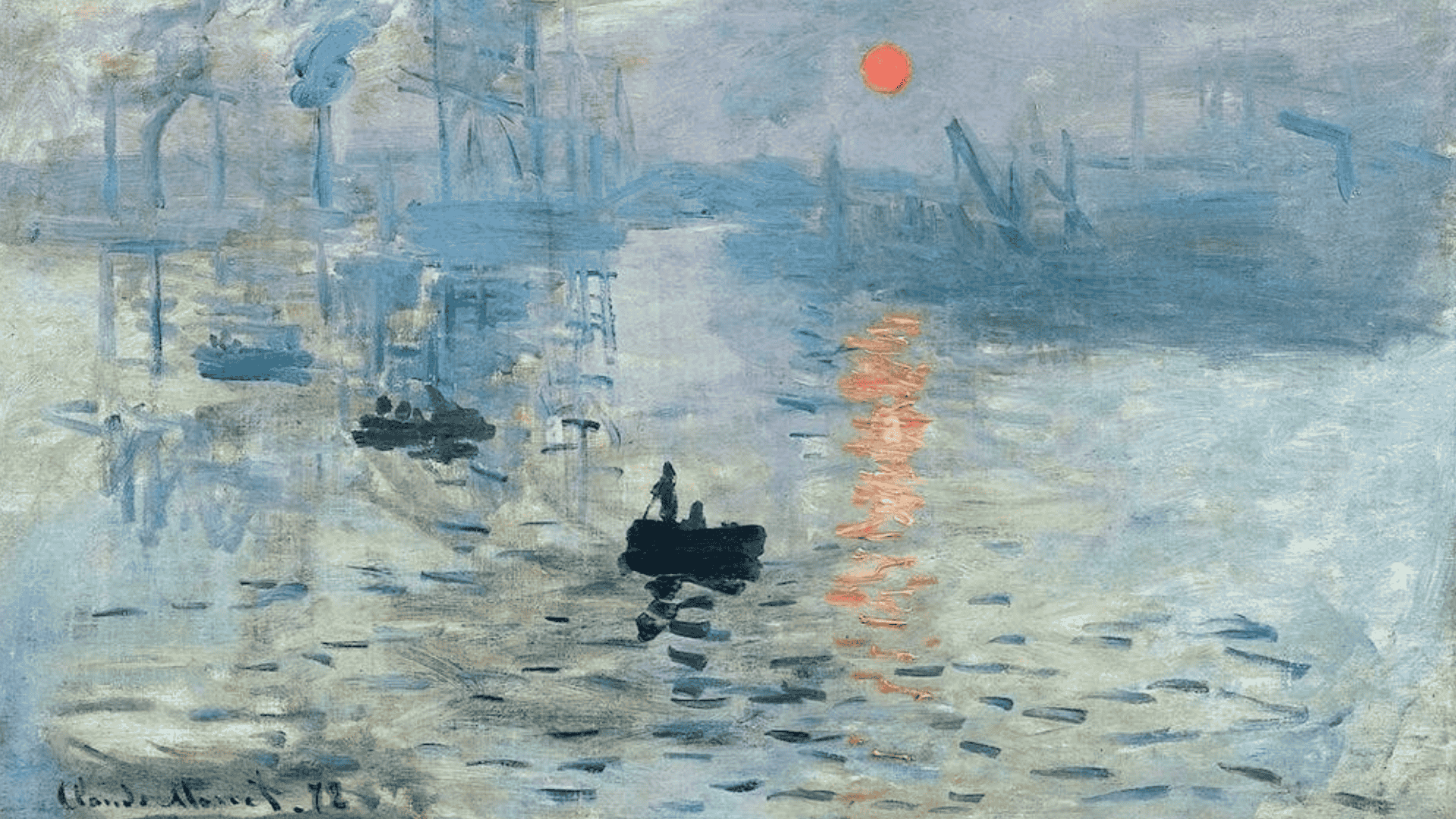
Impression Sunrise by Claude Monet
Impressionism captures how light changes throughout the day. Artists painted outdoors to catch fleeting moments. This style emerged in France during the late 1800s.
Impressionist painters use short, visible brushstrokes and bright colors. They don’t blend colors smoothly. Instead, they apply pure colors side by side. When you step back, your eye mixes the colors naturally.
Claude Monet named this movement with his painting Impression Sunrise. He painted water lilies, haystacks, and cathedrals at different times of day.
Edgar Degas captured ballet dancers in motion. Pierre-Auguste Renoir painted people enjoying life in gardens and cafes. Their work feels alive and full of natural light.
Quick Tip: Look for visible brushstrokes and bright outdoor scenes. If the painting seems to shimmer with light and you can see individual dabs of paint, it’s probably Impressionism.
3. Expressionism – Painting Emotions
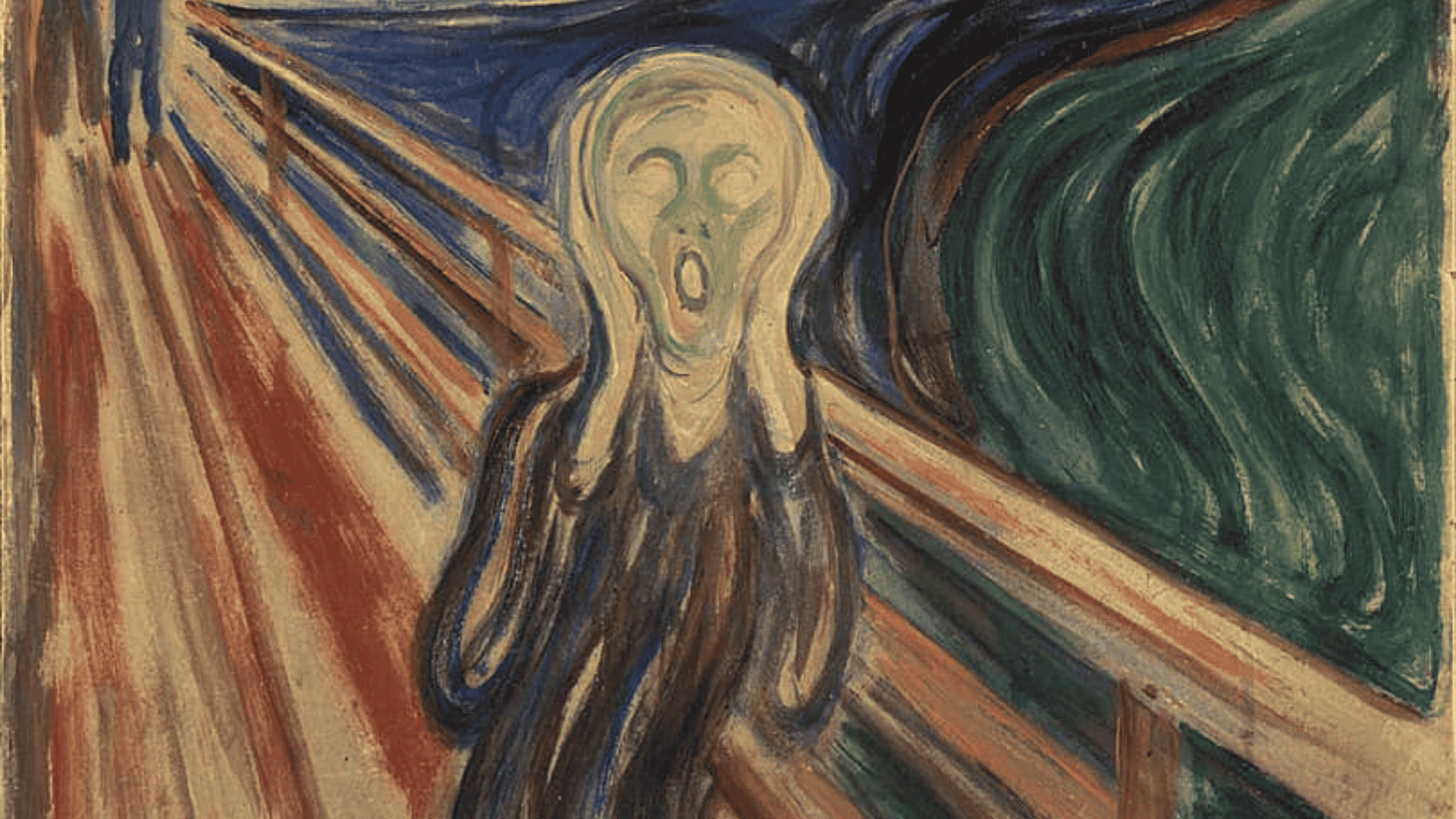
The Scream by Edvard Munch
Expressionism shows feelings instead of reality. Artists distort shapes and use bold colors to express inner emotions. This style emerged in Germany during the early 1900s.
Expressionist painters don’t care about making things look real. They twist forms and use unusual colors to show fear, anxiety, or joy. A face might be green or purple if that’s how the artist feels about the person.
Edvard Munch created The Scream, one of the most famous Expressionist works. The figure’s distorted face and swirling sky show pure anxiety.
Wassily Kandinsky used bold colors and abstract shapes to express spiritual feelings. Ernst Ludwig Kirchner painted city life with harsh angles and clashing colors to show modern stress.
Quick Tip: Look for distorted figures and intense colors that don’t match reality. If the painting makes you feel something strong before you even understand what you’re looking at, it’s likely Expressionism.
4. Cubism – Breaking Down Traditional Form
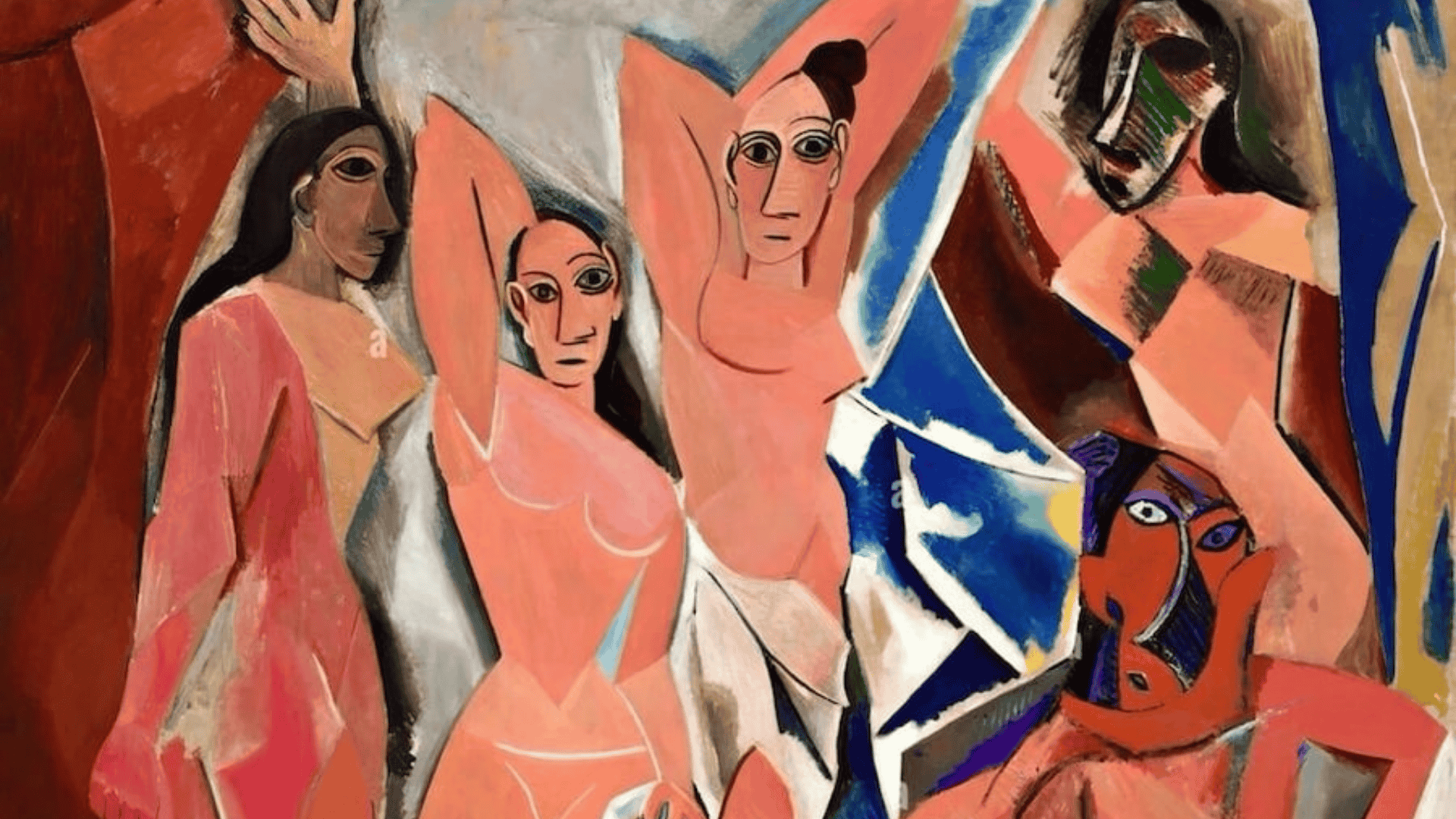
Les Demoiselles d’Avignon by Pablo Picasso
Cubism shows objects from multiple angles at once. Artists break subjects into geometric shapes and flat planes. Pablo Picasso and Georges Braque created this style in Paris during the early 1900s.
Cubist painters don’t show just one view of something. They show the front, side, and back all at the same time. A face might have eyes from different angles or a nose seen from the side and front together. Everything becomes shapes like cubes, cylinders, and cones.
Picasso’sLes Demoiselles d’Avignon shocked the art world with its fragmented figures. Braque painted still lifes where guitars and bottles appear broken apart and reassembled. Their work changed how artists thought about space and form on a flat canvas.
Quick Tip: Look for objects that seem broken into geometric pieces and shown from different angles simultaneously. If you see multiple perspectives in one image, you’re looking at Cubism.
5. Surrealism – The Art of Dreams
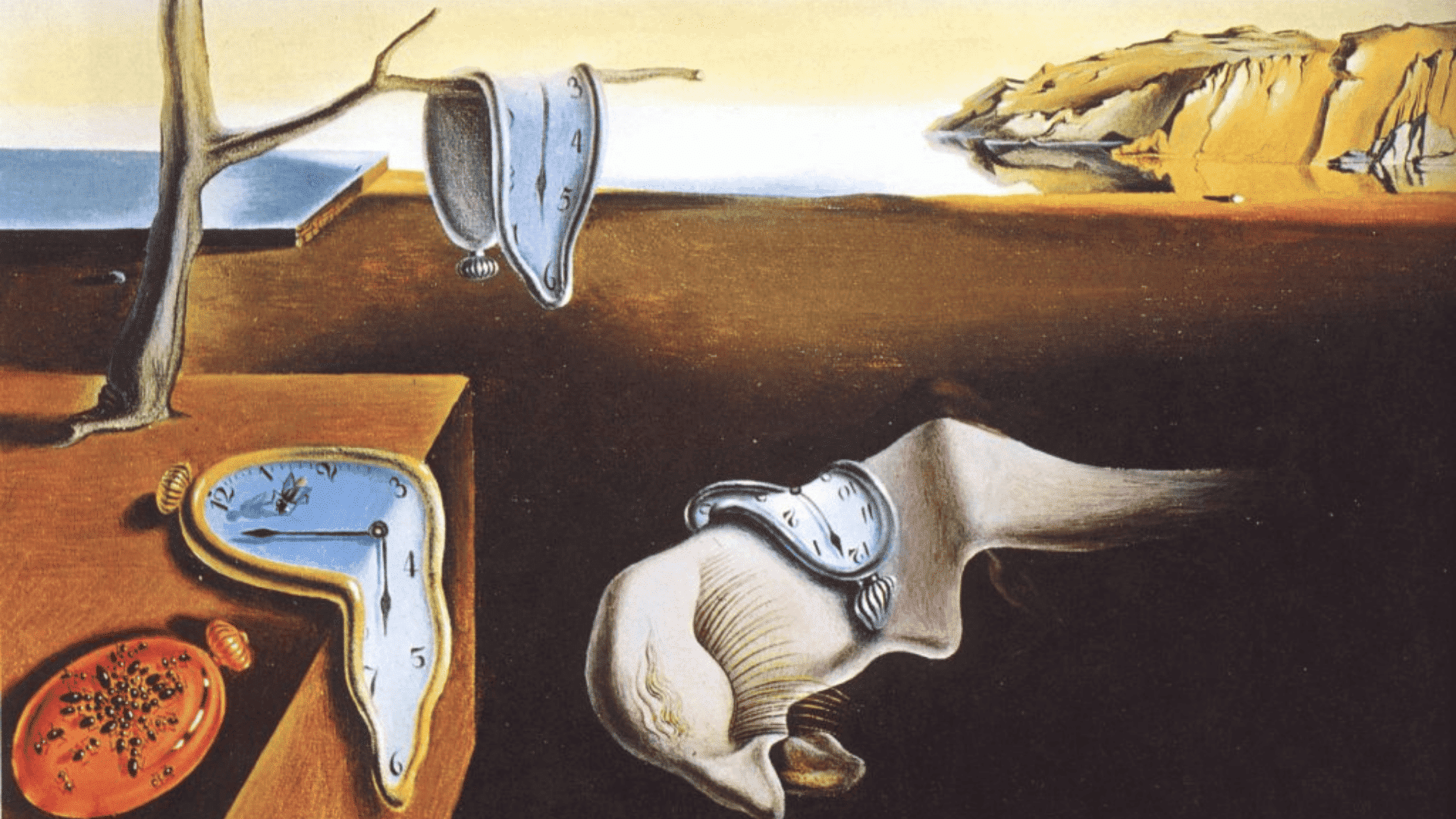
The Persistence of Memory– Salvador Dalí
Surrealism brings dreams to life on canvas. Artists paint impossible scenes that feel like nightmares or fantasies. This movement started in Paris during the 1920s after World War I.
Surrealist painters tap into the subconscious mind. They put unrelated objects together in strange ways. Clocks melt, elephants have spider legs, and men wear bowler hats while floating in the sky. Nothing makes logical sense, but it feels emotionally true.
Salvador Dalí painted The Persistence of Memory with melting watches draped over branches and rocks. René Magritte created mysterious images, like a pipe with text saying it’s not a pipe. Their dreamlike paintings explore the unconscious mind and challenge what we think is real.
Quick Tip: Look for bizarre combinations and dreamlike scenes. If the painting feels like something from a strange dream where normal rules don’t apply, it’s Surrealism.
6. Abstract Expressionism – Spontaneity and Emotion
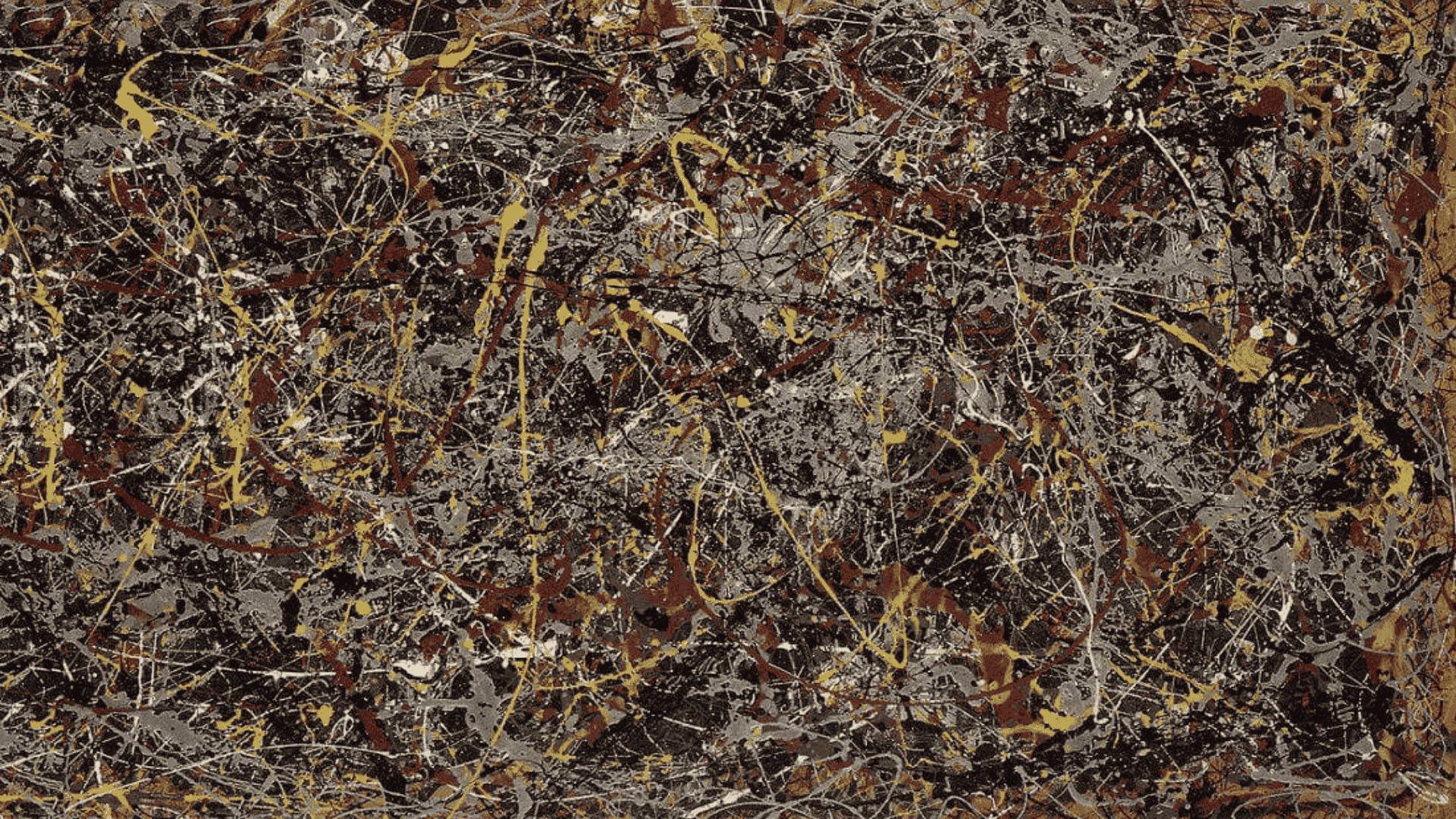
Number 5, 1948- Jackson Pollock
Abstract Expressionism focuses on pure emotion without recognizable objects. Artists express feelings through color, gesture, and form. This movement emerged in New York after World War II.
Abstract Expressionist painters work in two ways. Action painters like Jackson Pollock drip and splash paint across huge canvases. Color field painters like Mark Rothko use large blocks of color to create mood. Both approaches ignore realistic subjects and focus on raw expression.
Pollock’s No. 5, 1948, shows his famous drip technique with layers of paint poured and splattered. Rothko’s soft rectangles of color seem to glow and pulse. Their massive paintings surround viewers and create powerful emotional experiences without showing anything from the real world.
Quick Tip: Look for large canvases with no recognizable subjects. If you see bold gestures or fields of color that create a strong mood, you’re experiencing Abstract Expressionism.
7. Pop Art – Art from the Masses
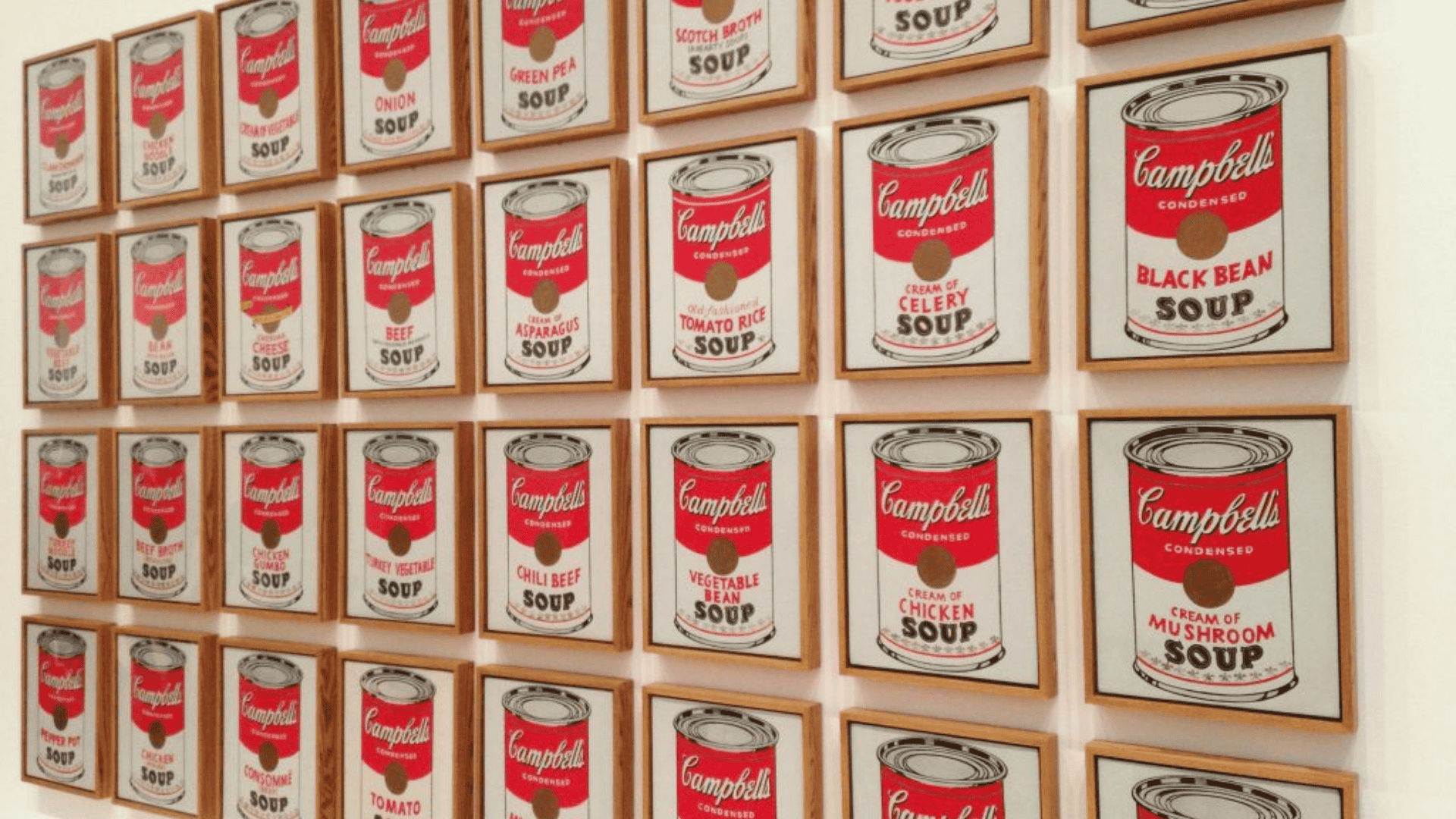
Campbell’s Soup Cans– Andy Warhol
Pop Art celebrates everyday objects and popular culture. Artists use imagery from advertising, comics, and consumer products. This movement exploded in America and Britain during the 1950s and 1960s.
Pop artists blur the line between fine art and commercial design. They use bright, flat colors and techniques from printing, like silk-screening. Soup cans, celebrities, and comic strips become art. The work often feels ironic, questioning what makes something worthy of being called art.
Andy Warhol created Campbell’s Soup Cans, turning a grocery item into iconic art. Roy Lichtenstein painted enlarged comic book panels with bold outlines and Ben-Day dots. Their work reflected post-war consumer culture and made art feel accessible to everyone.
Quick Tip: Look for familiar commercial imagery, bright colors, and repetition. If the painting reminds you of advertisements or comic books, it’s Pop Art.
8. Minimalism – Conceptual Purity and Simplicity
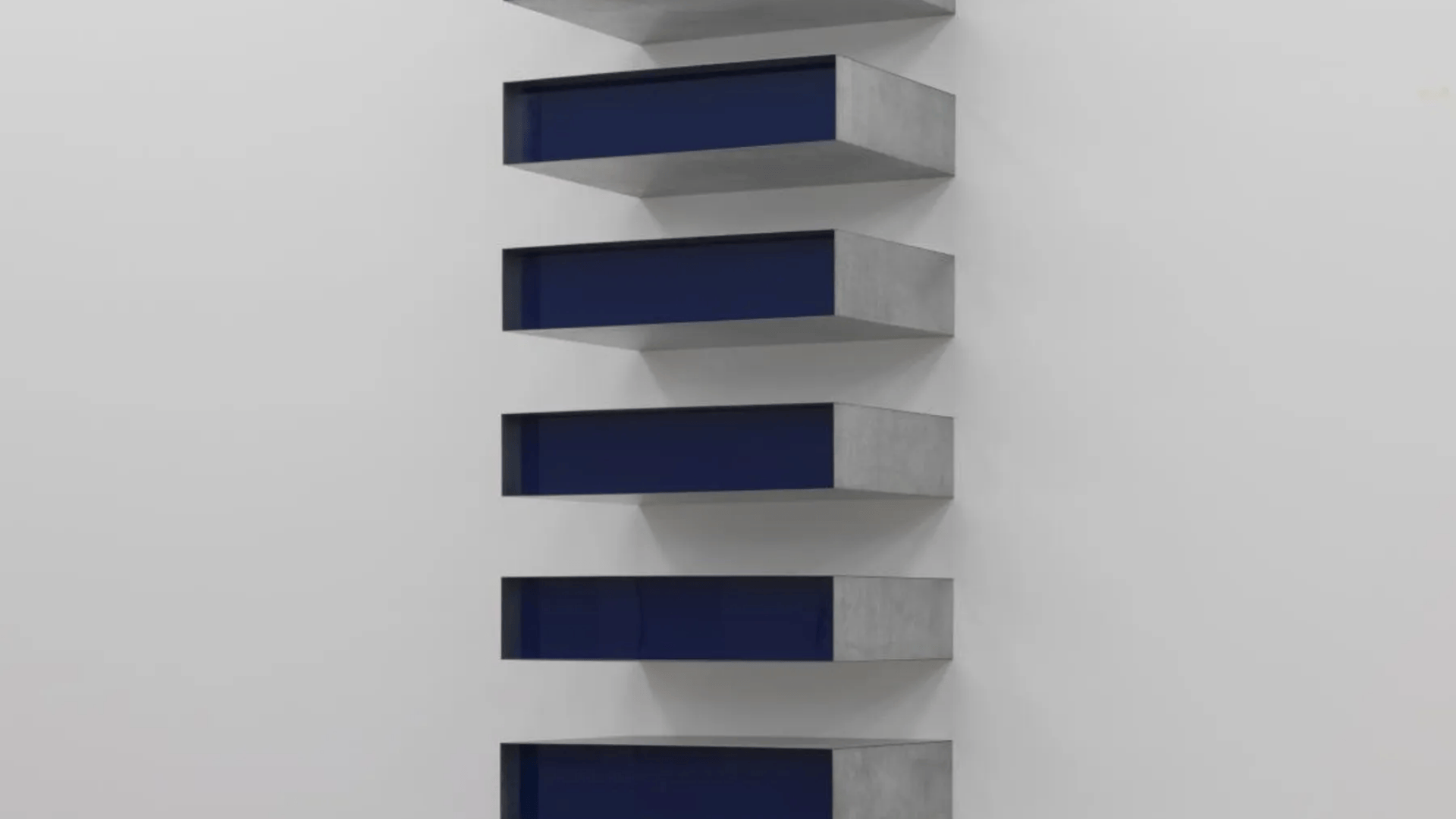
Untitled (1980)– Donald Judd
Minimalism strips art down to its most basic elements. Artists use simple geometric shapes, clean lines, and limited colors. This style emerged in America during the 1960s as a reaction against emotional art.
Minimalist painters focus on form and material instead of meaning or emotion. They repeat simple shapes and use flat color. There’s no personal expression or symbolism. The art is exactly what you see, nothing more.
Donald Judd created stacked metal boxes that hang on walls like sculptures. Frank Stella painted stripes and geometric patterns with precise edges. Their work removes all decoration and personal touch, making viewers focus on pure form and space.
Quick Tip: Look for simple geometric shapes, repetition, and lack of personal expression. If the painting feels stripped down to basics with clean lines, it’s Minimalism.
9. Baroque – Grandeur and Drama
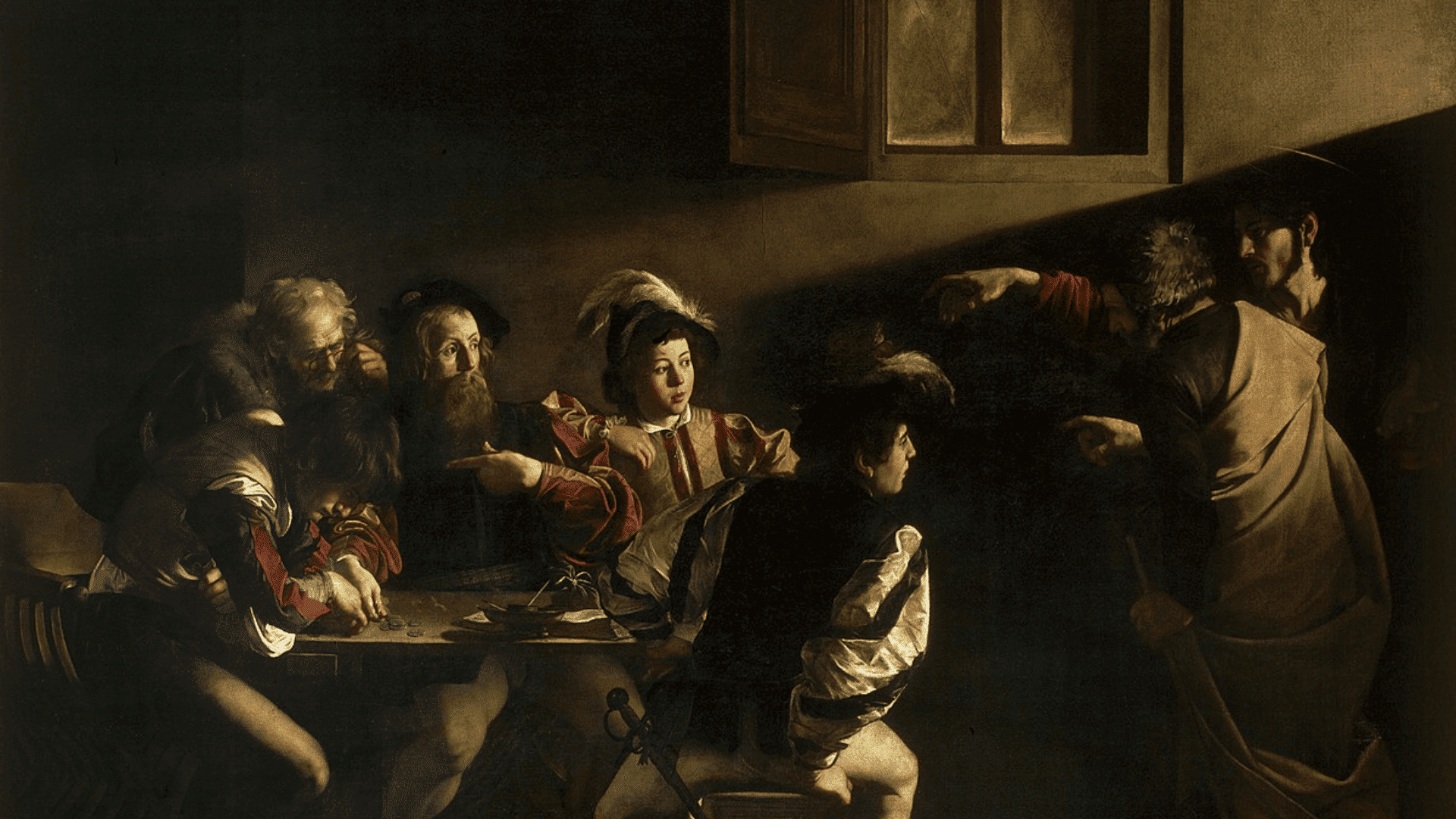
The Calling of St. Matthew– Caravaggio
Baroque art is full of drama, emotion, and movement. Artists use strong contrasts between light and dark to create powerful scenes. This style dominated Europe from the early 1600s to the mid-1700s.
Baroque painters create intense, theatrical compositions. They use dramatic lighting called chiaroscuro to make figures emerge from darkness. Everything moves with energy. Rich colors, detailed textures, and emotional faces pull viewers into the action.
Caravaggio mastered dramatic lighting in works like The Calling of St. Matthew, where light cuts through darkness. Rembrandt created deeply personal portraits using light and shadow. Peter Paul Rubens painted dynamic religious and mythological scenes bursting with movement and color.
Quick Tip: Look for dramatic lighting, rich details, and emotional intensity. If the painting feels theatrical with strong contrasts between light and dark, it’s Baroque.
10. Renaissance – The Revival of Classical Ideals
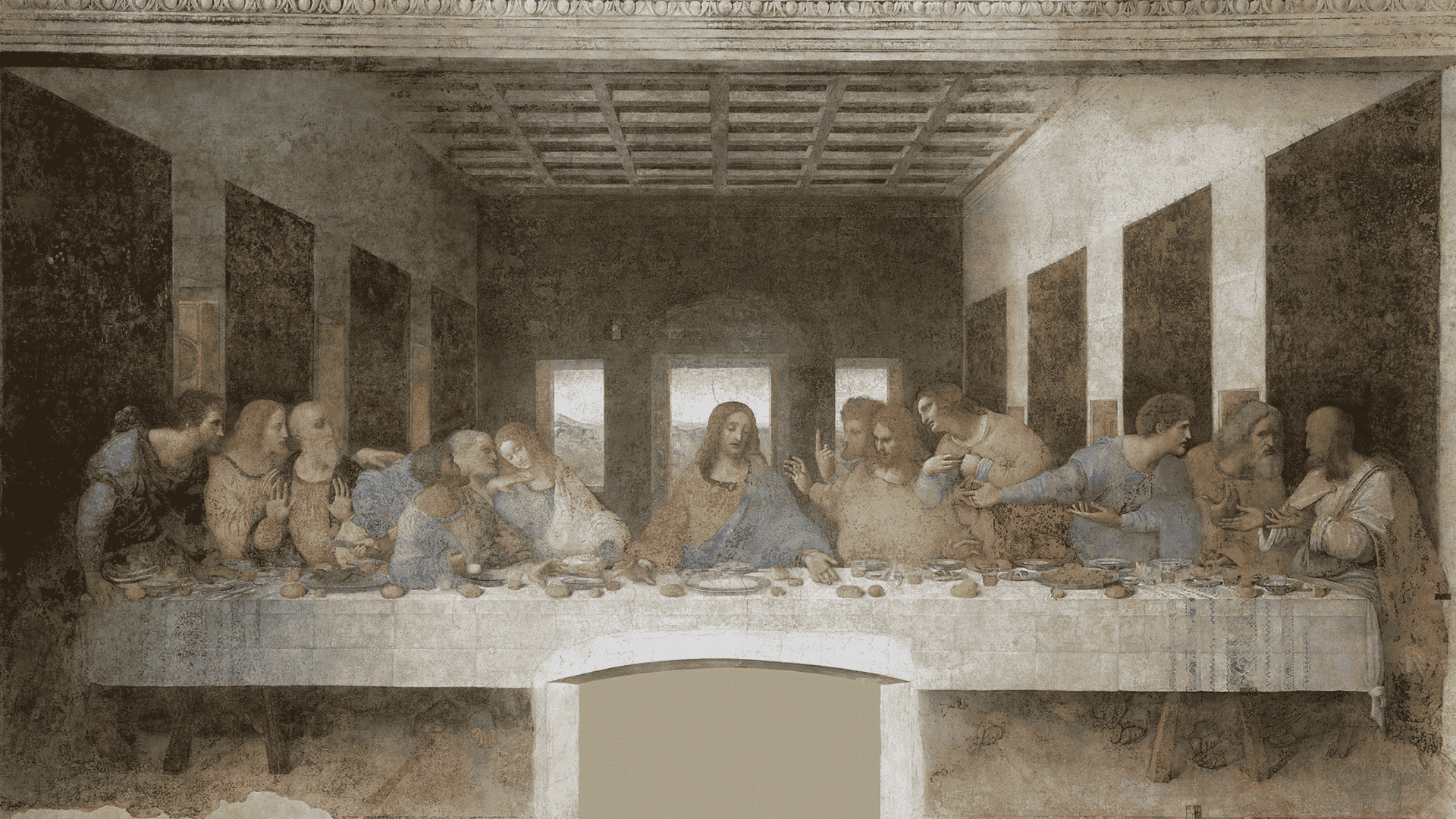
The Last Supper-Leonardo da Vinci
Renaissance means “rebirth.” This style revived ancient Greek and Roman art principles. It started in Italy during the 14th century and spread across Europe.
Renaissance painters focused on balance, proportion, and realistic human anatomy. They mastered linear perspective, making flat paintings look three-dimensional. Artists studied math and science to paint more accurately. Every body part, building, and background follows natural proportions.
Leonardo da Vinci painted The Last Supper with perfect perspective and emotional depth. Michelangelo created the Sistine Chapel ceiling with powerful human figures. Raphael composed balanced, harmonious religious scenes. Their technical skill and attention to detail set new standards for Western art.
Quick Tip: Look for perfect proportions, realistic anatomy, and clear perspective. If the painting shows classical subjects with mathematical precision and balanced composition, it’s Renaissance art.
11. Color Field Painting – Evoking Emotion with Color
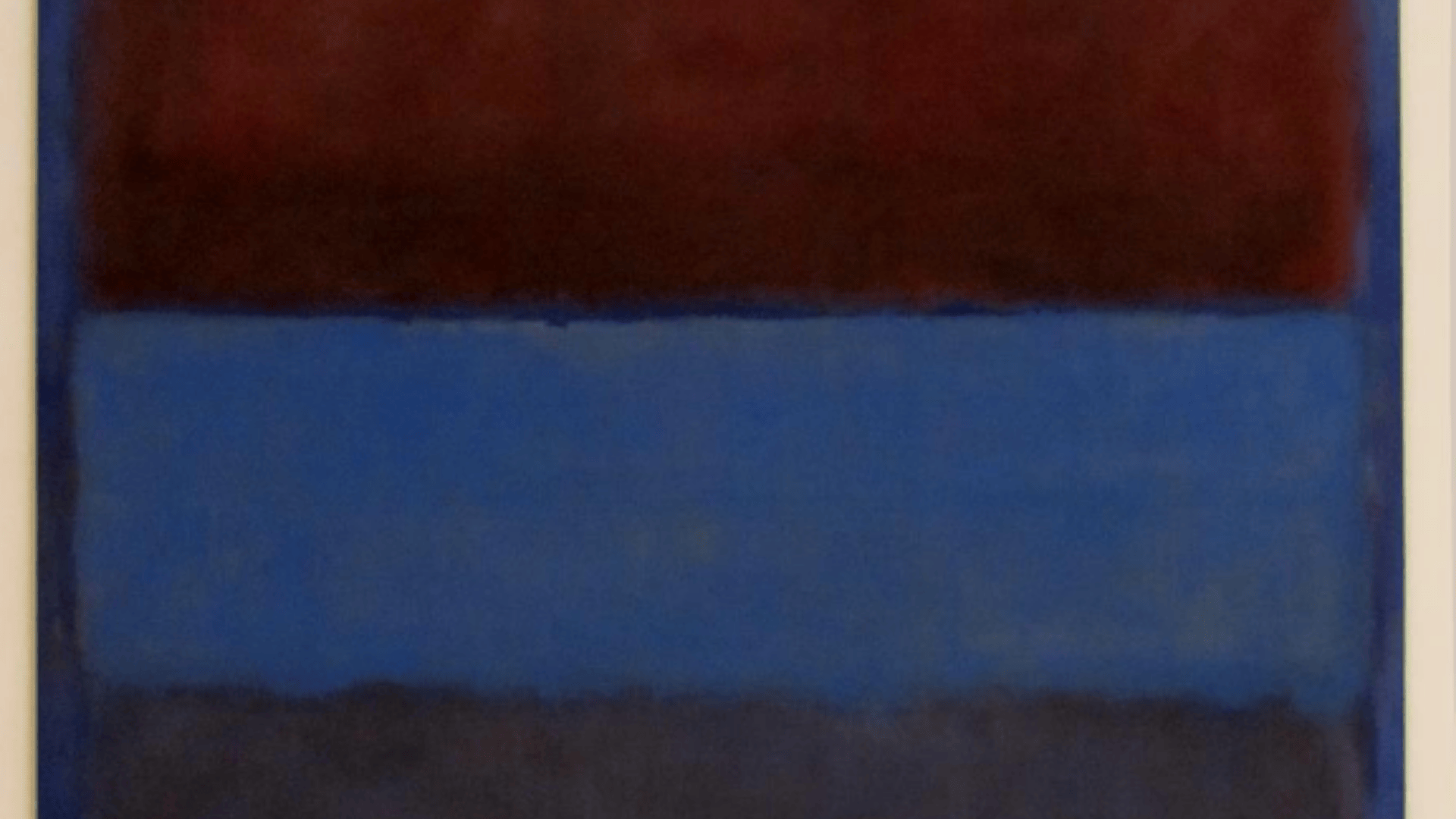
Artwork by Mark Rothko
Color Field Painting uses large areas of solid color to create a mood. Artists apply thin layers of paint to create soft, glowing surfaces. This style developed in America during the 1950s and 1960s.
Color Field painters remove all recognizable subjects and brushstrokes. They want viewers to experience pure color and its emotional effects. The huge canvases surround you, creating meditative, contemplative spaces. Each color choice aims to trigger specific feelings.
Mark Rothko painted soft rectangles that seem to float and glow. Barnett Newman created vast fields of color with thin vertical lines. Their work invites quiet reflection rather than dramatic reaction. Standing before these paintings feels like being absorbed into color itself.
Quick Tip: Look for large canvases with smooth, flat areas of color and no visible brushstrokes. If the painting envelops you in pure color that creates a meditative feeling, it’s Color Field Painting.
12. Nihonga – Japanese Traditional Painting
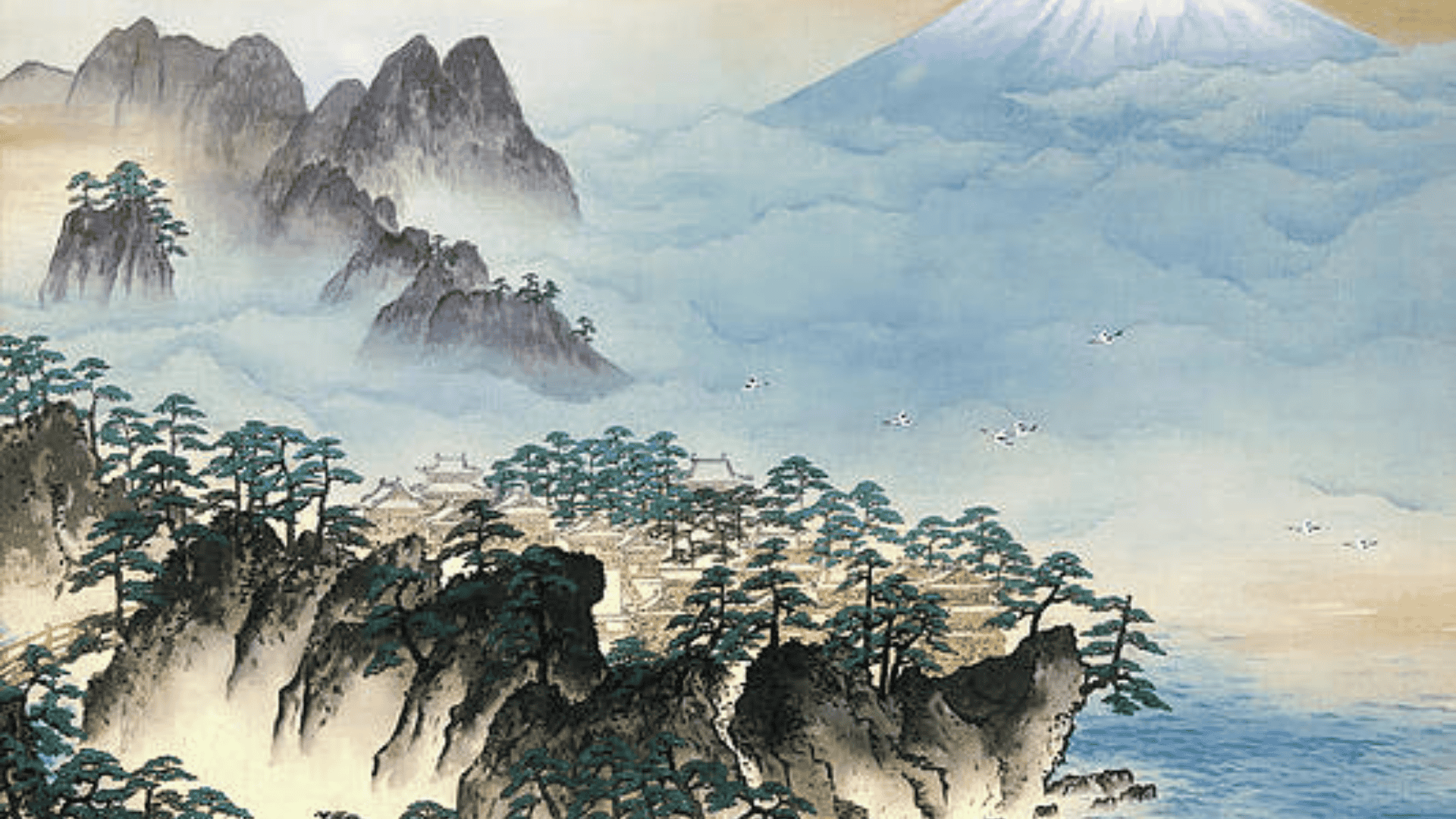
Mount Fuji by Yokoyama Taikan
Nihonga means “Japanese-style painting.” This traditional style uses natural materials like minerals, shells, and plant-based pigments. It developed in Japan during the late 1800s to preserve traditional techniques.
Nihonga artists paint on silk or paper with natural pigments mixed with animal glue. They use fine brushes to create delicate lines and subtle details. Common subjects include nature scenes, seasonal changes, and animals. The colors have a soft, earthy quality that synthetic paints can’t match.
Yokoyama Taikan painted misty mountains and serene landscapes. Kawabata Ryūshi created detailed nature scenes celebrating Japan’s changing seasons. Their work connects modern viewers to centuries of Japanese artistic tradition through careful craftsmanship and respect for natural materials.
Quick Tip: Look for delicate, nature-based imagery with soft, earthy colors on silk or paper. If the painting shows Japanese subjects with fine detail and natural pigments, it’s likely Nihonga.
13. Pointillism – Art Made of Dots
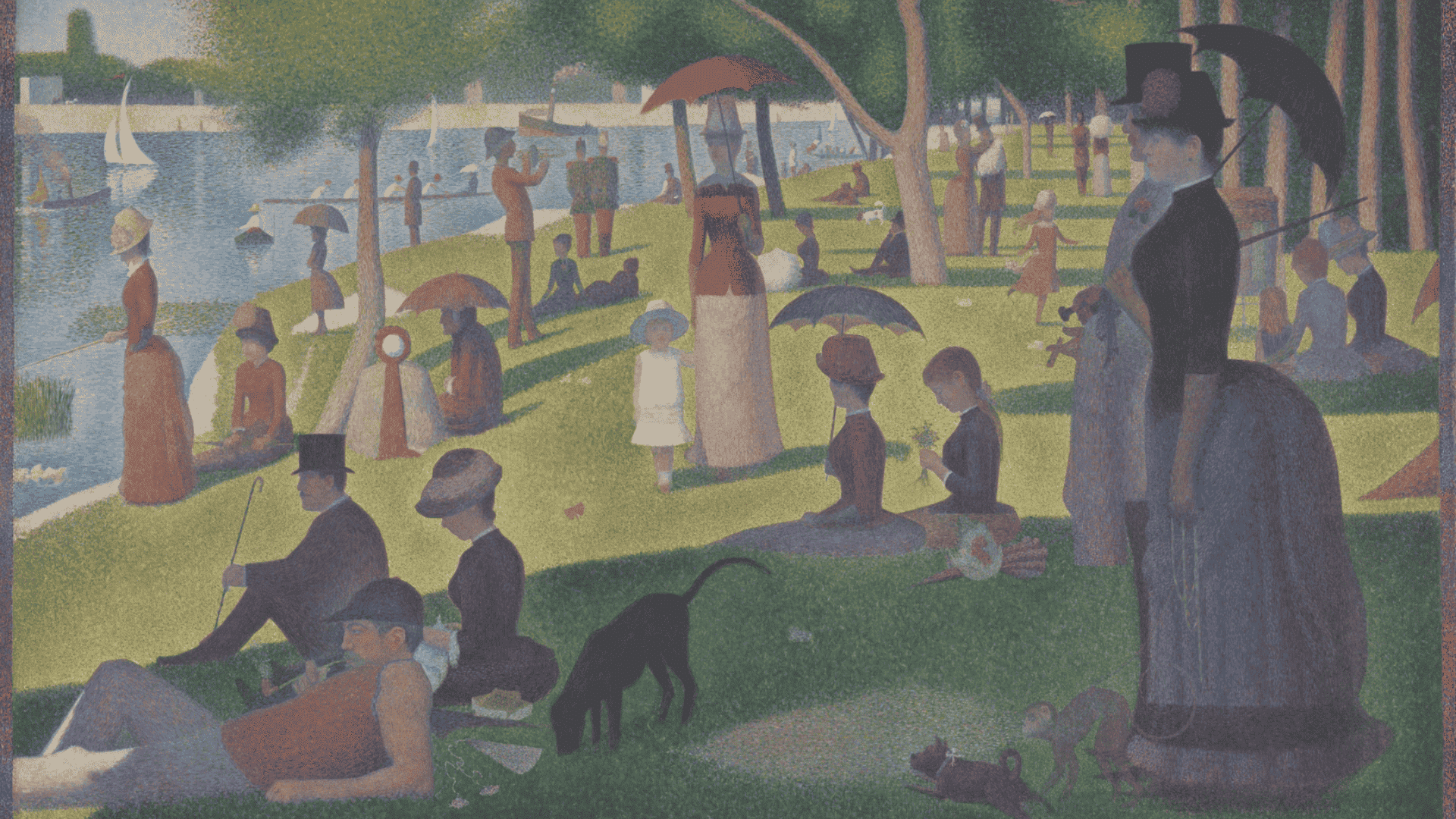
A Sunday Afternoon on the Island of La Grande Jatte-Georges Seurat
Pointillism creates images using tiny dots of pure color. Artists place small dots side by side instead of mixing paint. This style emerged in France during the 1880s.
Pointillist painters apply individual dots of unmixed color. When viewed from a distance, your eyes blend the dots together. A face might be made of red, yellow, and blue dots that appear as a natural skin tone. The technique creates a shimmering, luminous quality that mixed paint can’t achieve.
Georges Seurat pioneered this style with A Sunday Afternoon on the Island of La Grande Jatte. Paul Signac also created vibrant pointillist landscapes and seascapes. Their painstaking method required patience, with thousands of dots forming each painting. The scientific approach to color mixing revolutionized how artists thought about light and vision.
Quick Tip: Look closely at the painting surface for individual dots of color. If you see thousands of tiny dots that blend into a complete image from far away, it’s Pointillism.
Conclusion
Different types of painting styles show the rich history of human creativity. From the precise detail of Realism to the wild dots of Pointillism, each style offers a unique way to see the world.
These movements didn’t happen by accident. Artists responded to their times, pushing boundaries and challenging what art could be. Understanding these styles helps you see ideas, emotions, and history on canvas.
The best way to learn is by looking. Visit museums and galleries. Study paintings online. Try creating art yourself in different styles.
What’s your favorite painting style? Do you love the drama of Baroque or the simplicity of Minimalism? Share your thoughts in the comments below.