
You check your baby’s gums again. Something looks different today.
Are those white bumps normal? Why is the gum line so red and swollen? Your 4-month-old won’t stop drooling and chewing on everything. But you don’t see any teeth yet.
Every new parent faces these questions. Baby gums change weeks before that first tooth breaks through. Some changes are normal. Others mean a tooth is coming soon. A few need your pediatrician’s attention.
This guide shows you exactly what to look for. You’ll see the difference between healthy gum changes and real problems. You’ll learn simple ways to soothe your baby’s discomfort.
No more guessing. Just clear answers from experts who understand your concerns.
What Do Baby Gums Look Like Before Teeth Erupt?
Let’s start with what normal looks like. Then we’ll cover the changes you might see.
Description of Healthy Baby Gums
Healthy baby gums are pink and moist. They feel firm but soft, like a cushion. The surface should be smooth with no bumps or rough patches.
The gum line may have a slightly paler ridge where teeth are forming underneath. This is normal. Some newborns have small white or yellowish spots called Epstein pearls. These harmless cysts disappear within weeks.
When you gently touch your baby’s gums, they should feel smooth. You won’t feel bleeding or unusual swelling in the first few months.
Changes as Teeth Approach
Gums change 2-4 weeks before a tooth appears. Here’s what to expect:
- Swelling and Color Changes: The gum becomes puffy and bulges slightly where the tooth will emerge. The area turns red or darker pink. According to Dentistry on 88, you might notice the gums look inflamed or swollen and a little more red than usual.
- White Spots: A faint white spot appears under the gum surface. This is the tooth enamel showing through. As per Dentistry on 88, you might see a faint whiteness at the gum line where the tooth is about to cut through.
- Hard Bumps: Small, round bumps form where teeth are pushing up. These bumps feel hard because the tooth sits right underneath. The gum tissue becomes thin over the emerging tooth.
- Eruption Cysts: Some babies develop fluid-filled bubbles over erupting teeth. According to Smiles for the Future, these eruption cysts are small bubble-like swellings that usually don’t require treatment. They pop naturally when the tooth breaks through.
- Texture: The gum surface may feel bumpy or ridged. This shows multiple teeth developing at once.
Now that you know what to look for, let’s understand why these changes happen. The next section explains the biological process occurring beneath your baby’s gums.
The Teething Process: What Happens Under the Gums?
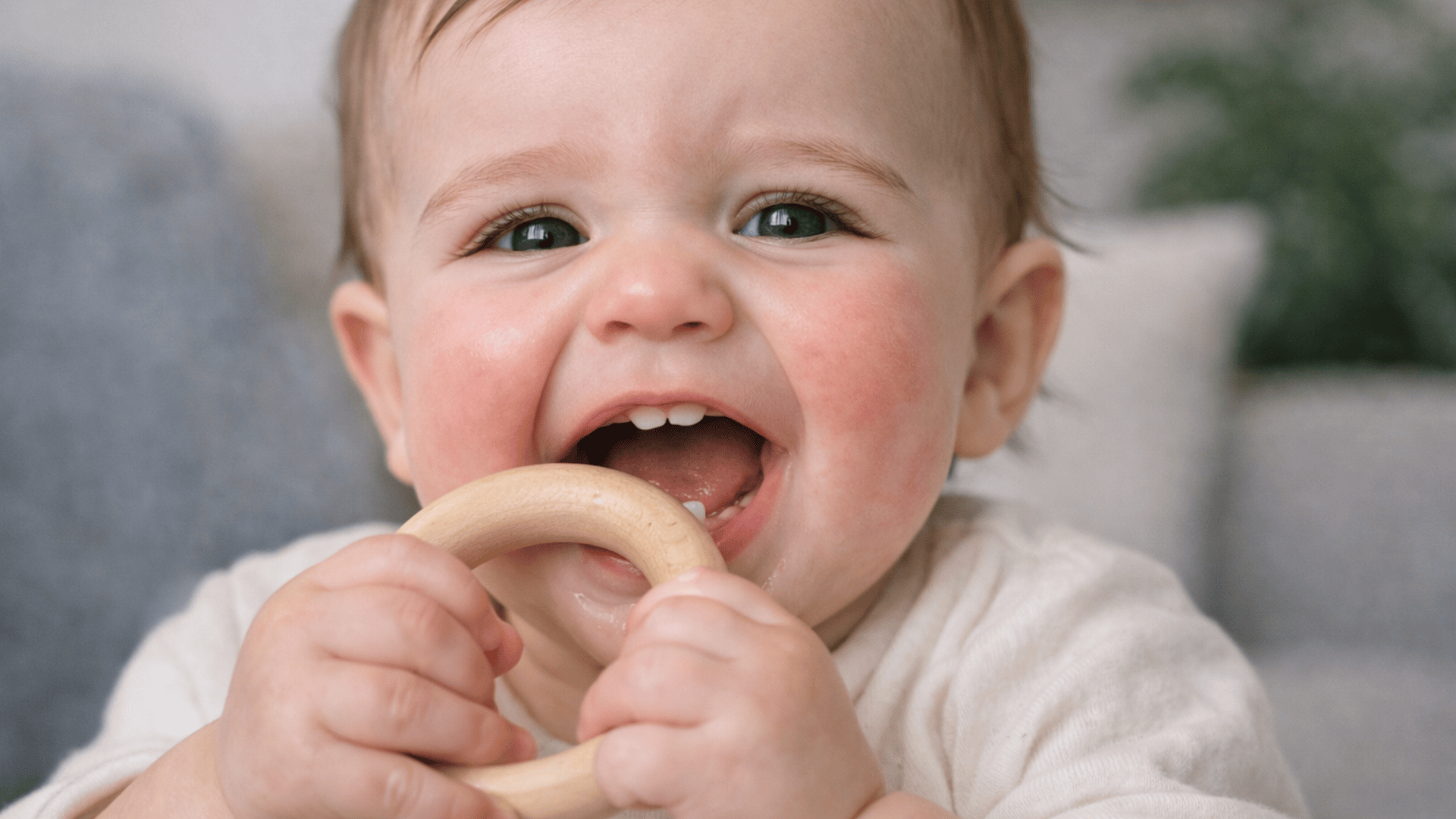
Understanding the science behind teething helps you know what your baby is experiencing.
The Biological Process of Teething
Your baby’s teeth start forming long before birth. Tooth buds develop in the jawbone during pregnancy. These buds contain all 20 primary teeth waiting to emerge.
How Teeth Move Up: The tooth root grows and pushes the crown upward through the bone. According to Oral-B, healthy gums support tooth eruption and facilitate smooth tooth development.
The jawbone above the tooth gradually breaks down. This creates a path for the tooth to travel through. The tooth then pushes against the gum tissue until the enamel crown breaks through the surface.
When It Starts: As per Children's Hospital Los Angeles, teething usually starts around 4-8 months with the lower front teeth and continues until 30-36 months when the last molars appear.
Most babies get their first tooth around 6 months. Some start at 3 months. Others don’t get teeth until after their first birthday.
Why Gums Change Before Teeth Erupt?
- Pressure Creates Swelling: The tooth pushing upward puts pressure on the gum tissue. Blood flow increases to the area. The extra fluid makes the gum look puffy and red.
- Tissue Stretching: The gum tissue stretches as the tooth moves closer. It becomes thinner and more transparent. That’s why you can see the white tooth through it.
- Pain and Discomfort: The gum tissue contains many nerve endings. The moving tooth irritates these nerves. This causes tenderness when you touch the area.
According to My Teeth and Me, tooth eruption happens in stages with more activity at night. That’s why babies often seem fussier in the evening.
Knowing what happens beneath the surface is one thing. But when exactly does it all begin? Let’s look at the teething timeline next.
Timeline of Teething: From Baby Gums to First Tooth
Every baby follows their own schedule. Here’s what typically happens at each stage.
Pre-Teething (0-3 Months)
Most newborns don’t show teething signs yet. Some babies start early with increased drooling, hand-to-mouth behavior, and mild fussiness.
According to Kid Care Pediatrics, teething pain begins before you see teeth. Baby gums may develop a small bubble or swollen area that’s tender to touch.
Not all fussiness means teething at this age. Babies naturally explore with their mouths.
Gum Changes Before First Tooth (3-6 Months)
Real teething symptoms begin now. Gums become swollen with red patches. White spots show where teeth will break through.
Your baby will chew excessively on toys and hands. They may drool more, sleep poorly, and eat less. As per TYLENOL, symptoms typically begin 3-5 days before a tooth emerges and last a few days after.
Visible Eruption (6+ Months)
The first tooth appears, usually between 6 and 10 months. Lower front teeth come first.
You’ll see a small white edge poking through. The gum may look bruised around the tooth. According to Colgate, a baby’s first tooth should appear around the 6-month mark, though timing varies.
More teeth follow over the next few months. Most children have all 20 primary teeth by age 3.
Now you know the timeline. But how do you tell normal teething symptoms from something more serious? The next section helps you make that distinction.
Normal vs. Worrisome Symptoms
Most teething symptoms are harmless. But some signs need a doctor’s attention. Here’s how to tell the difference.
What’s Normal vs. When to Seek Advice
| Symptom | Normal (Teething) | Call Your Doctor If |
|---|---|---|
| Drooling | Heavy drooling, wet chin | No concern – this is normal |
| Fussiness | Irritable for a few days | Crying is excessive or lasts over a week |
| Fever | No fever or very low grade (under 100°F) | Temperature over 101°F |
| Gum appearance | Red, swollen, with white spots | Dark red, black, yellow, or frequent bleeding |
| Sleep | Waking more at night for 2-3 days | Sleep problems lasting over 2 weeks |
| Appetite | Eating less for a few days | Refusing all food and liquids |
| Diarrhea | Slightly loose stool | Watery diarrhea or diarrhea with fever |
| Rash | Mild chin rash from drool | Body rash or severe facial rash |
| Tooth delay | First tooth by 12 months | No teeth by 18 months |
As per The Kids Dentist of Henderson, if gums bleed often or you see pus, call your dentist right away. These could indicate infection.
Knowing what’s normal gives you peace of mind. Now let’s talk about how to actually help your baby feel better. The next section covers proven soothing techniques.
Soothing Your Baby’s Gums: Practical Tips
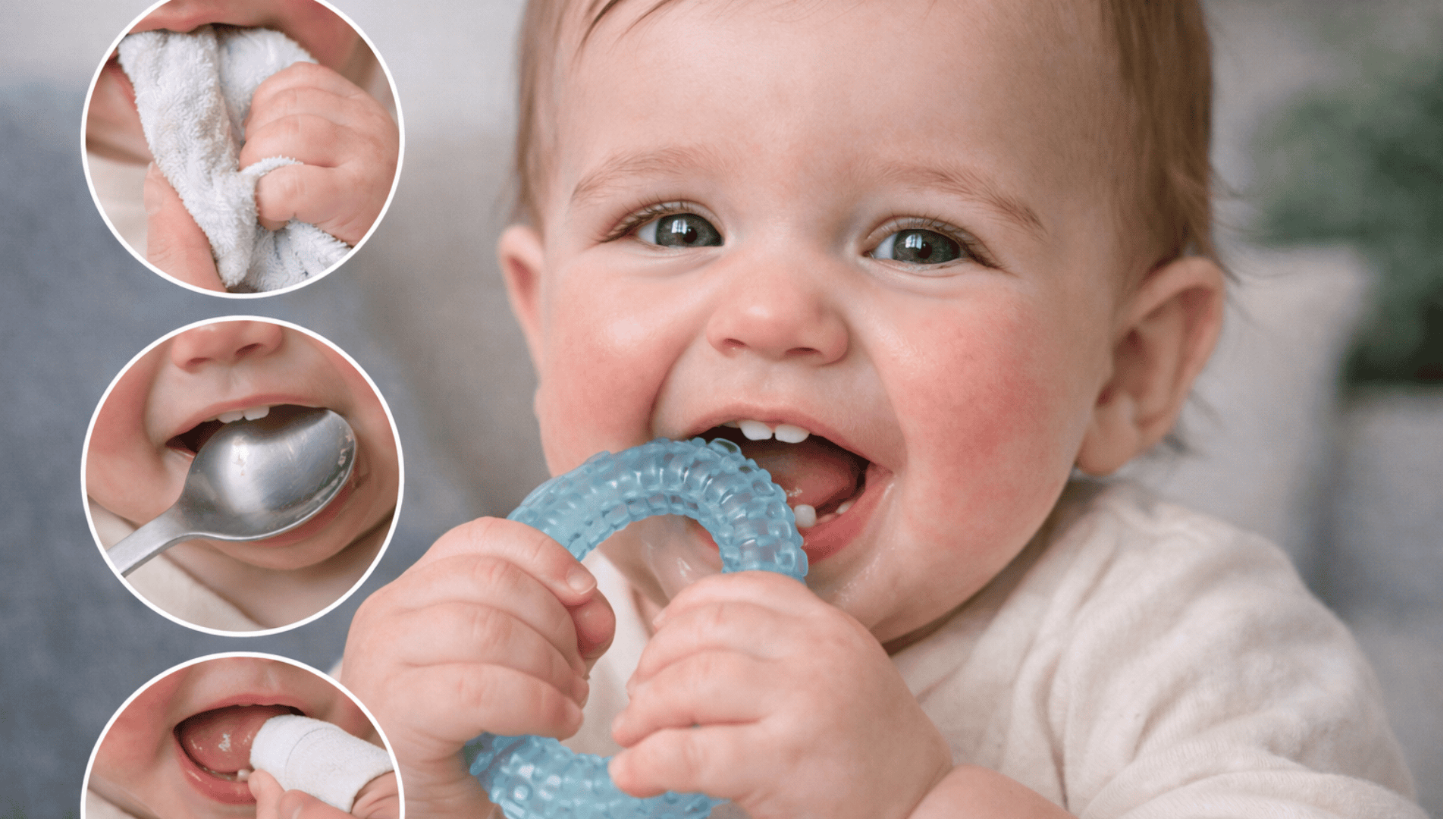
Your baby is uncomfortable. Here’s what actually works to help them feel better.
1. Cold and Gentle Soothing Techniques
Chilled Teething Rings: Place a clean teething ring in the refrigerator for 30 minutes. Never freeze it. According to HealthyChildren.org, frozen teethers can harm tender gums. Choose firm, non-liquid-filled rings.
Cold Washcloth: Dampen a clean washcloth and chill it briefly. Let your baby chew on it. The thick fabric soothes sore gums.
Cold Spoon: Refrigerate a metal spoon. Gently press the back against swollen gums for instant relief.
2. Gum Massage
Wash your hands thoroughly. Wrap your finger in a damp cloth or use it bare. Gently rub the sore gum in small circles for 1-2 minutes.
According to Nationwide Children’s Hospital, rubbing gums with a clean finger helps babies feel better. Stop if your baby pulls away.
3. Feeding Tips During Teething
Breastfeeding/Bottle: Offer shorter, more frequent feeds. Try different positions to reduce gum pressure.
Solid Foods: Serve cold, soft foods like chilled applesauce or yogurt. As per Centennial Children’s Dental Center, babies may eat more or less depending on how pressure affects their gums.
Avoid: Frozen teething toys, benzocaine gels for babies under 2, and amber teething necklaces.
Soothing techniques help with daily discomfort. But when should you bring in professional help? Let’s cover that next.
When Should You See a Dentist?
Don’t wait for problems. Early dental visits set your baby up for lifelong oral health.
Schedule Your Baby’s First Dental Visit
According to The Kids Dentist of Henderson, babies should see a dentist by their first birthday or within 6 months of their first tooth erupting.
What Happens at the First Visit: The dentist examines your baby’s mouth and any erupted teeth. They check tooth development and look for early decay. A brief cleaning may happen if your baby is comfortable.
As per Arrowhead Dental, the goal is to establish a positive view of dental visits from an early age. Children comfortable with dentists develop lifelong healthy habits and avoid dental anxiety.
What the Dentist Will Discuss:
- Proper cleaning techniques for gums and teeth
- Fluoride use for your baby’s age
- Feeding habits that protect teeth
- What to expect as more teeth come in
Regular checkups catch small issues before they become big problems. Prevention is easier than treatment.
Parent Tools: Helpful Resources for Tracking Baby’s Teething
Tracking symptoms helps you spot patterns and share accurate information with your pediatrician.
Teething Tracker Template
Create a simple log to record:
- Date symptoms began, and which gum area is swollen
- Daily symptoms (drooling, fussiness, sleep changes)
- What soothing methods worked
- Date the tooth appeared
Written records beat memory when talking to your doctor. You’ll also notice patterns, like whether your baby handles bottom teeth better than top teeth.
Teething Journal for Parents
Keep daily notes on your phone or in a notebook. Write 2-3 sentences about gum appearance, feeding changes, and what comfort methods you tried.
When baby #2 comes along, you’ll have a reference for what worked. The journal also reminds you that teething phases pass quickly, even when they feel endless.
You now have everything you need to handle baby gums before teeth erupt. Let’s wrap up with the key takeaways.
Conclusion
Baby gums before teeth erupt go through natural changes. Pink, healthy gums become swollen and red as teeth push upward.
White spots appear where teeth will break through. These changes are normal.
Clean your baby’s gums from birth with a damp cloth. Track symptoms to identify patterns. Use cold teething rings and gentle massage to provide relief.
Know the difference between normal teething discomfort and signs that need a doctor’s attention.
Most babies get their first tooth between 6 and 10 months, but timing varies widely. Schedule a dental visit by your baby’s first birthday or within 6 months of their first tooth appearing.
You’re now equipped to handle every stage of teething. Trust your instincts. If something feels wrong, call your pediatrician. You’ve got this.
Frequently Asked Questions
Is Pain Medication Safe for Teething?
Yes. Acetaminophen (Tylenol) or ibuprofen (for babies over 6 months) can help. Always check dosing with your pediatrician. Avoid benzocaine gels for babies under 2.
Why Does My Baby Bite During Feeding?
Yes, it’s often teething. Gently remove your baby and say “no biting” firmly. Offer a cold teething ring before feeding to numb gums first.
Why Do Baby Gums Smell Bad?
Milk residue and bacteria cause odor. Wipe gums twice daily with a damp cloth after feeding. The smell should improve with regular cleaning.