Your five-year-old has endless energy and asks “why” about everything. They want to build, create, and explore all day long. Finding the right activities keeps them engaged while building the skills they need.
This guide gives you tested activities for five-year-olds using items you already have at home.
You’ll find ideas for rainy days, outdoor play, and learning through games. Each activity builds specific skills like counting, letter sounds, or problem-solving.
You’ll also learn how to choose activities based on your child’s mood and attention span. Plus, discover which skills these activities develop and common mistakes to avoid.
No pressure. No complicated setup. Just simple play that feels like fun but supports real learning and growth.
Play-Based Activities for 5-Year-Olds
Five-year-olds learn best through play, not formal lessons. At this age, they can hop on one foot, use scissors, and ask endless questions. Their brains are ready to absorb new skills through hands-on activities.
The activities below support different areas of growth. Some build physical skills. Others develop early reading and math concepts. Many strengthen social abilities. All of them feel like fun, not work.
Pick activities based on your child’s mood and energy level. You can do most with items already at home.
1. Scavenger Hunt With Simple Clues
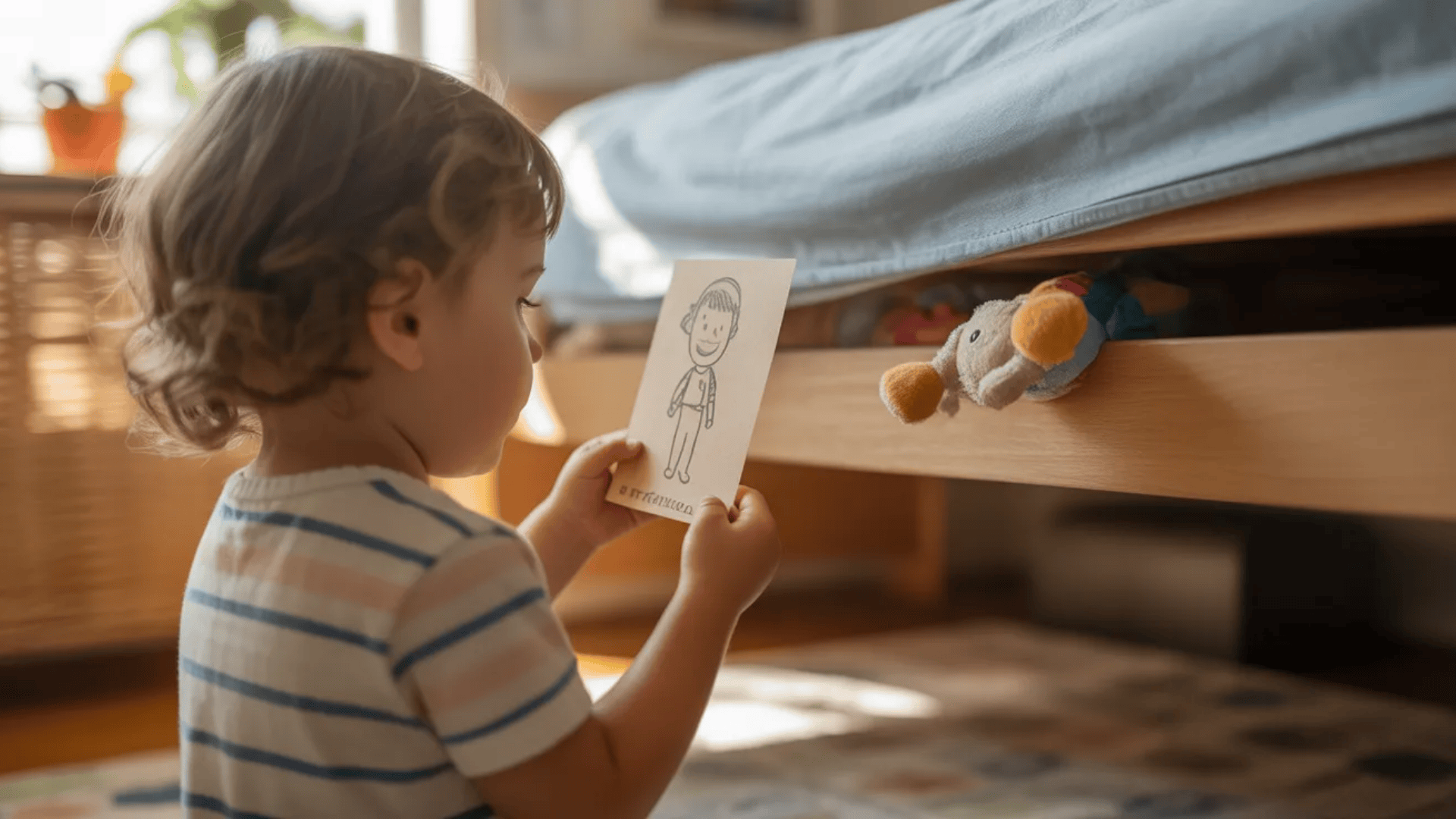
Hide objects around your home or yard. Give your child clues to find each item. Use pictures for non-readers or simple words for early readers.
Skills developed: Problem-solving, following directions, reading readiness
Time needed: 20-30 minutes
Materials: 5-8 small objects, paper for clues
Hide familiar items (favorite toy, snack, book) in safe spots. Draw picture clues or write simple words like “Look under your bed.” Number the clues so they know the order. First clue leads to the second, and so on.
Pro tip: Save your clues in an envelope to reuse with different objects next time. Let your child create clues for you to build creativity and role reversal skills.
2. Build a Cardboard Box Creation
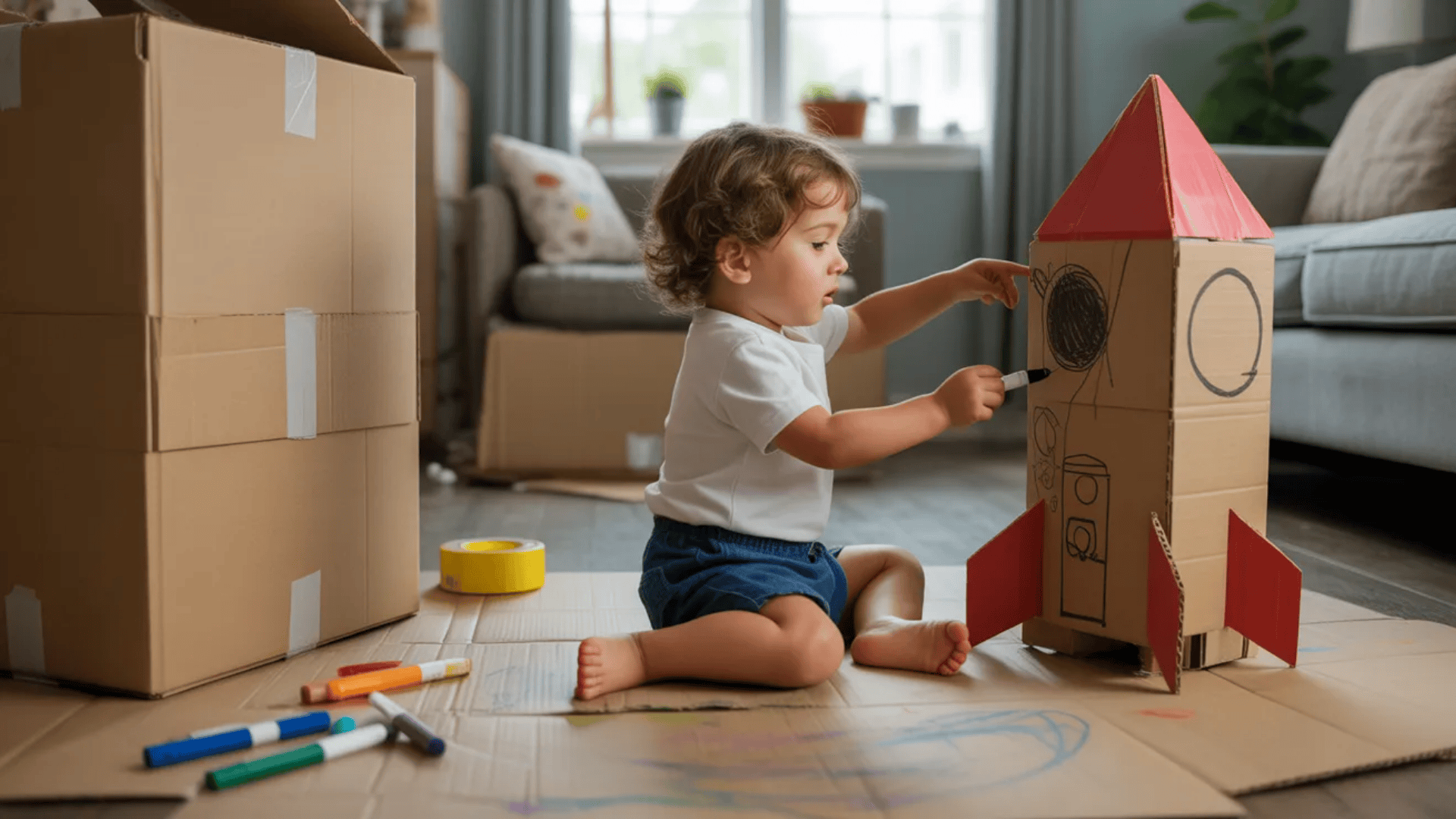
Give your child empty boxes, tape, and markers. Let them create whatever they imagine. No instructions needed.
Skills developed: Creativity, problem-solving, spatial awareness
Time needed: 30-60 minutes
Materials: Cardboard boxes (various sizes), tape, markers
Save delivery boxes and provide child-safe tape they can manage. Cut difficult parts yourself, then step back completely. Let them lead the entire project. Don’t jump in to “help” or show them what to make. Open-ended creation builds confidence better than following adult directions.
Pro tip: A simple box becomes a rocket, house, or robot and provides days of play. Old boxes cost nothing and often beat expensive toys.
3. Alphabet Sound Matching Game
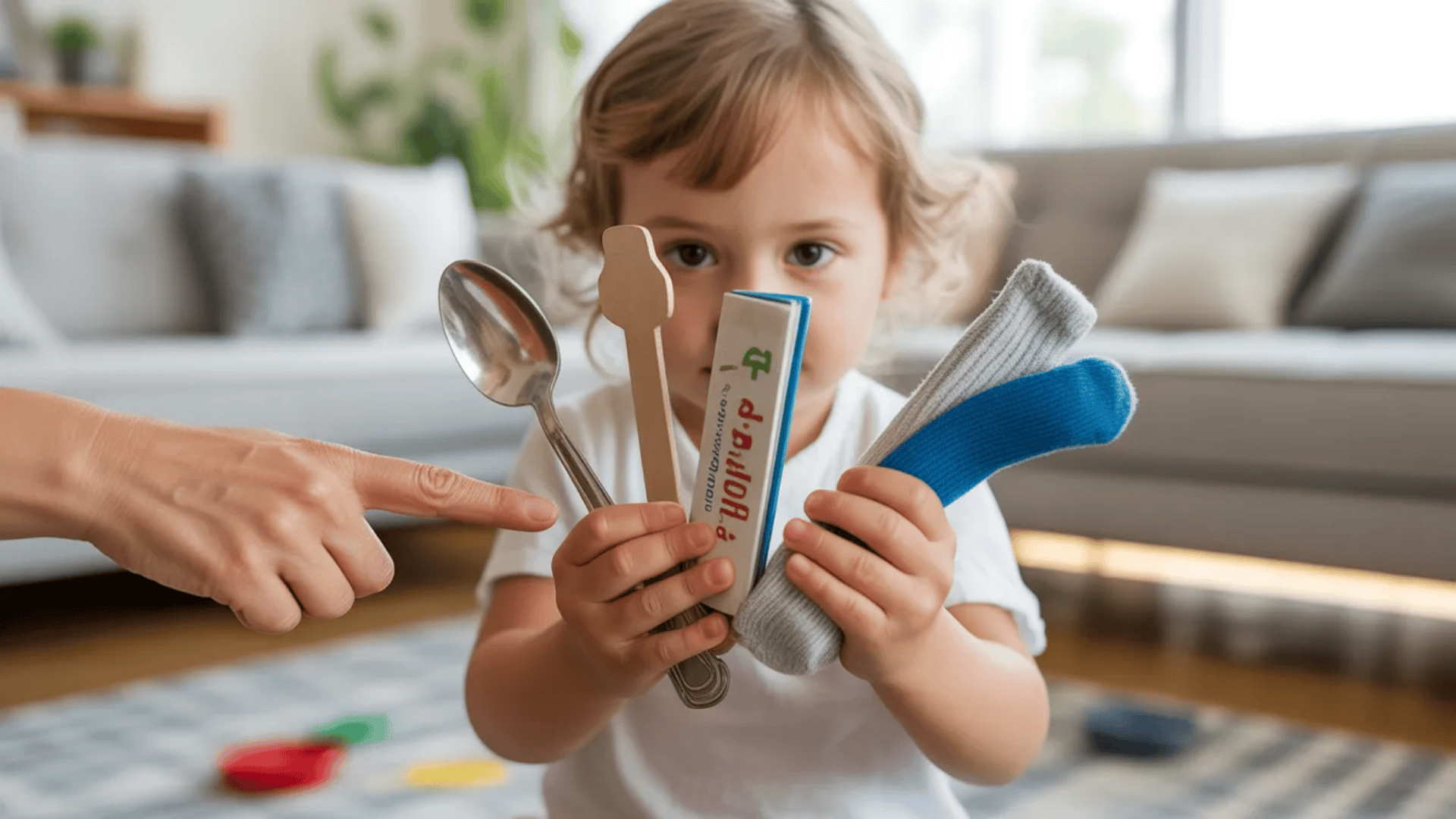
Say a letter sound. Your child finds objects around your home, starting with that sound. This makes phonics practice feel like a game.
Skills developed: Letter sounds (phonics), listening, vocabulary
Time needed: 10-20 minutes
Materials: None needed
Start with obvious sounds (S, M, B, T). Say the sound, not the letter name (“sss” not “ess”). Take turns finding objects. Point out the letter when you see it written. Five-year-olds learn sounds faster when connected to real objects they can touch.
Pro tip: Skip hard letters like X and Q. Focus on common sounds first (S, T, P, N, M, B, D). Moving around keeps their bodies engaged while their brains work.
4. DIY Obstacle Course Indoors or Outdoors
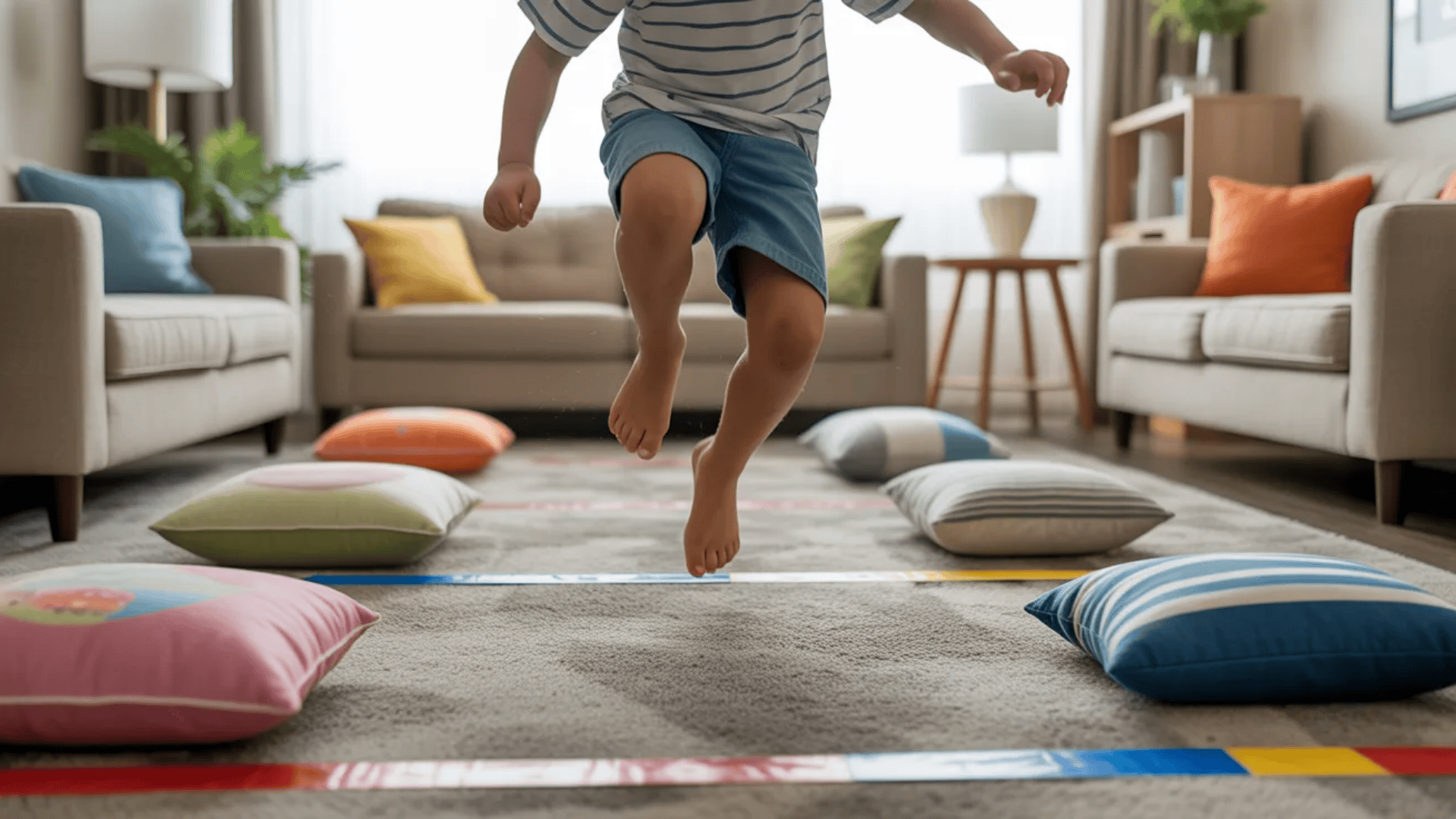
Create a path with different challenges using items you have at home. Change it up each time you play.
Skills developed: Gross motor skills, balance, coordination
Time needed: 10 minutes setup, 20-40 minutes play
Materials: Pillows, tape, chairs, boxes, cones
Set up stations: jump over pillows, crawl under tables, walk along tape lines, hop on one foot, toss bean bags into buckets. Let your child help design and build the course. They’ll play longer when they create it themselves, plus they learn planning and spatial thinking during setup.
Pro tip: Take a photo of your course layout. Your child can help rebuild it next time using the picture as a guide. This adds problem-solving practice.
5. Storytelling With Picture Prompts
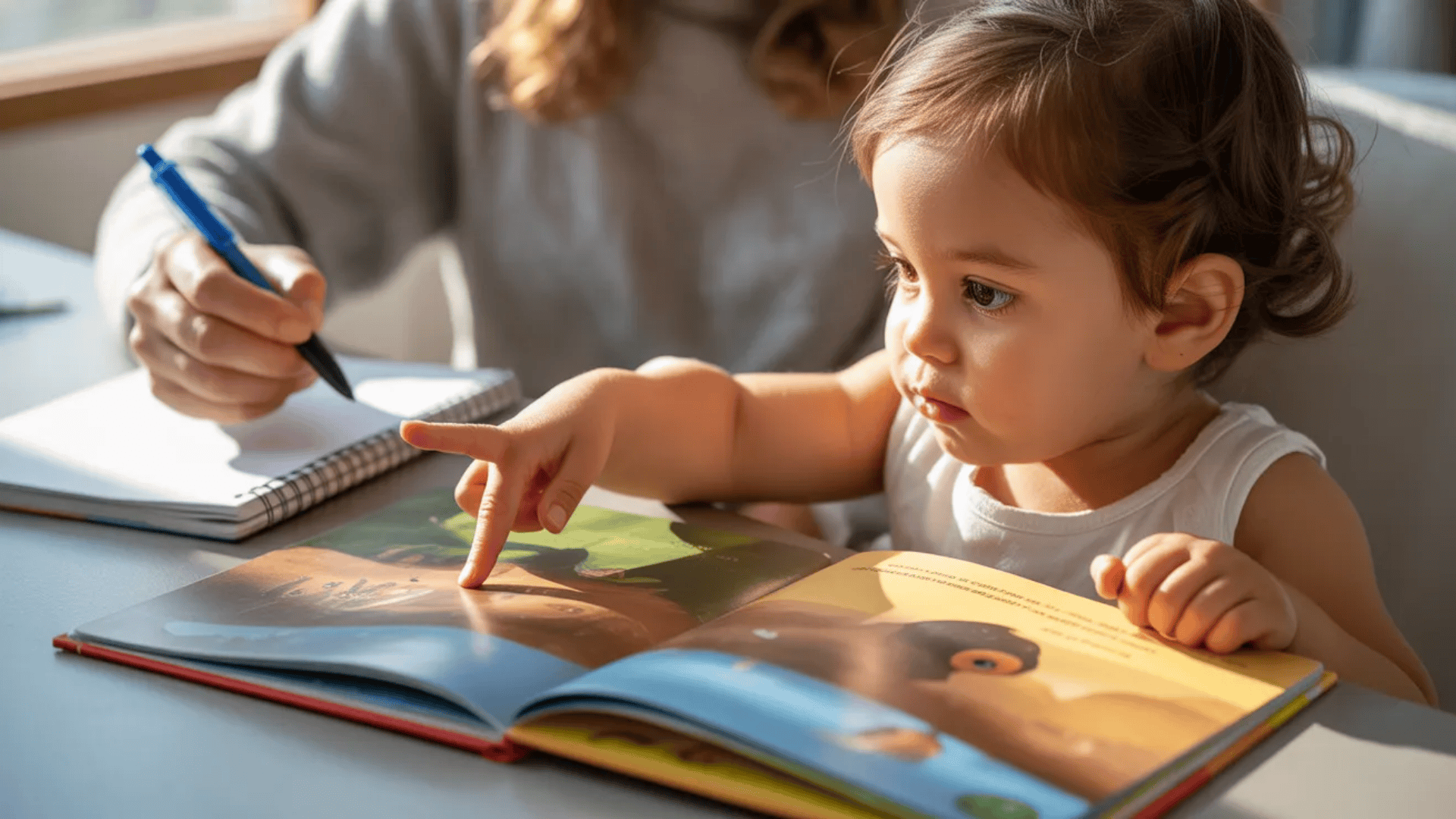
Show your child a picture. They tell you a story about what they see. This builds language skills without any writing.
Skills developed: Oral language, imagination, vocabulary
Time needed: 10-20 minutes
Materials: Pictures from books, magazines, or family photos
Ask simple questions: “What do you see? What are they doing? Why? What happens next?” Write down their story if they want, then read it back to them. Oral storytelling comes before writing. Five-year-olds who practice telling stories have stronger writing skills in first and second grade.
Pro tip: Use family photos as prompts. Kids love telling stories about themselves and family members. This also builds memory skills and family connections.
6. Counting Games Using Everyday Objects
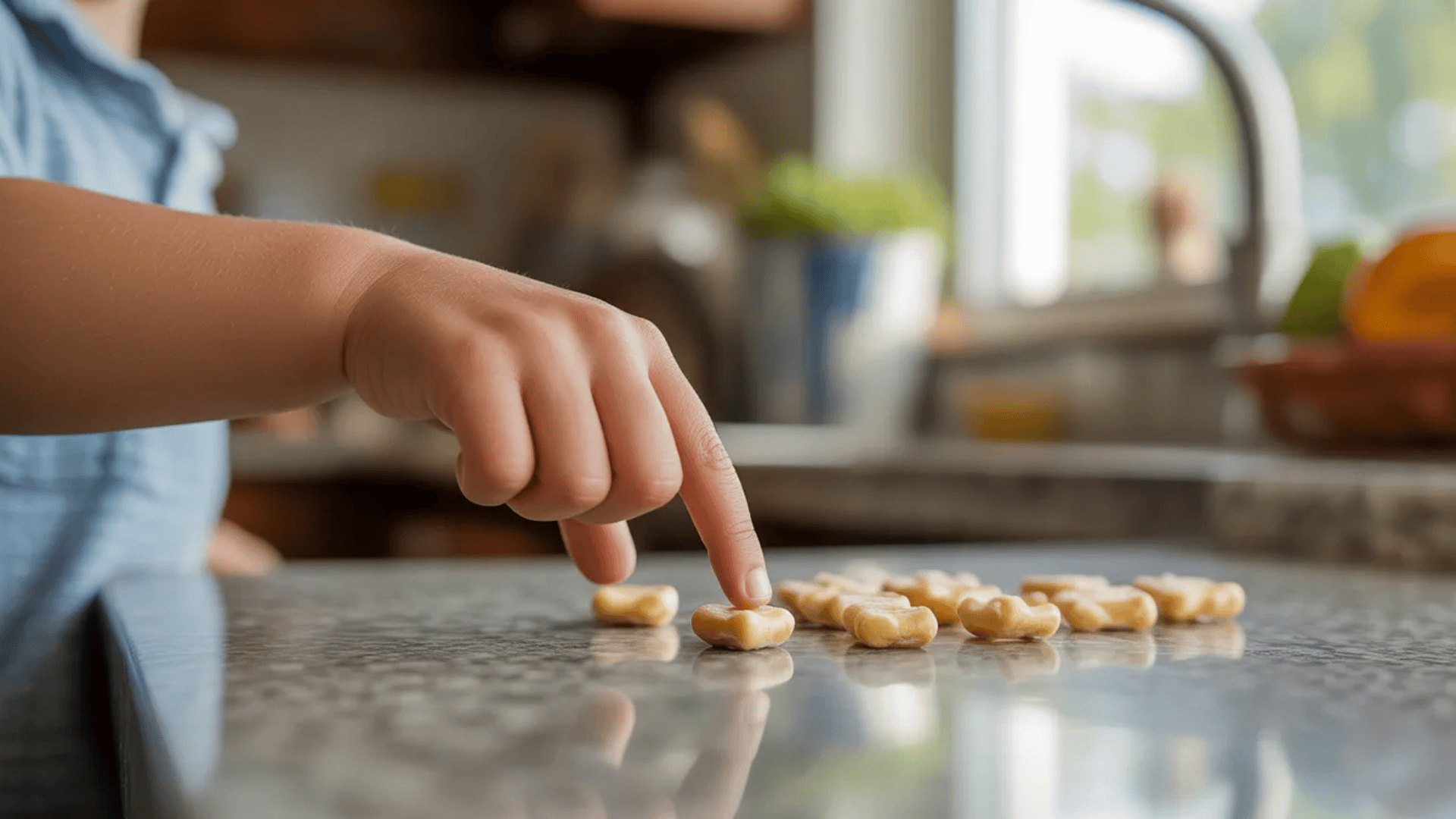
Count things throughout your day. Make it part of regular routines. This builds number sense naturally.
Skills developed: Number recognition, one-to-one correspondence, basic math
Time needed: 2-5 minutes (multiple times daily)
Materials: Whatever you’re doing (snacks, toys, stairs)
Count stairs while climbing, snacks while serving, toys during cleanup, steps while walking, items in the shopping cart, and buttons while getting dressed. Touch each item while counting. This connects the number word to each object. Five-year-olds who skip this step often struggle with math later.
Pro tip: Count backward, too. Start at 10 and count down on stairs or during pretend rocket launches. This is harder but builds stronger number understanding.
7. Nature Walk With Observation Challenges
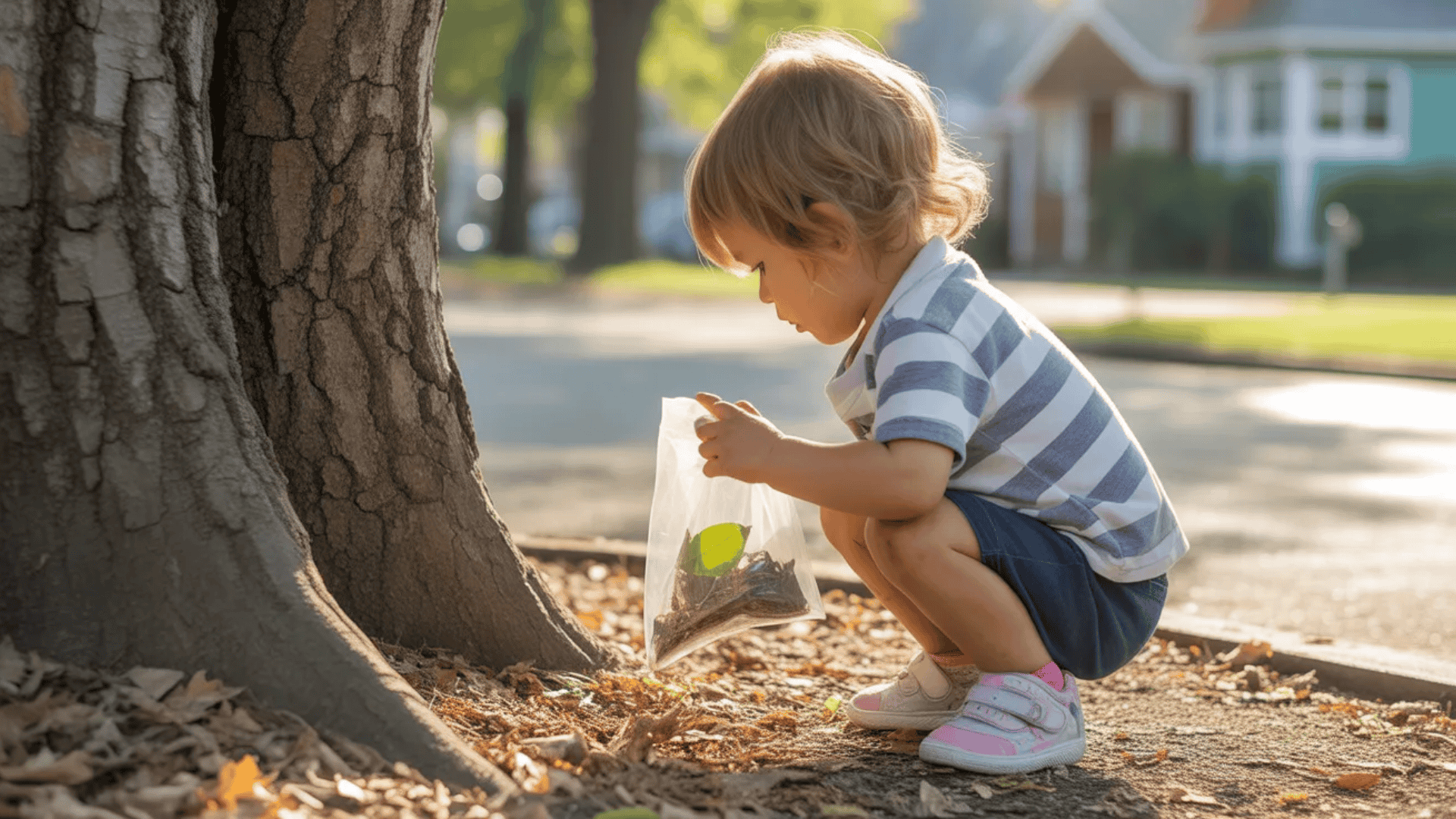
Take a walk outside with specific things to find or observe. This makes walking more engaging for five-year-olds.
Skills developed: Observation, scientific curiosity, vocabulary
Time needed: 20-45 minutes
Materials: List of items to find (optional), bag for collecting
Look for: something soft and something rough, three different colors, something that makes noise, different types of leaves, something smooth and bumpy. Narrate what you see using descriptive words. “Look at that bumpy bark. This leaf has jagged edges.” Your child learns vocabulary by hearing you describe the world.
Pro tip: Bring a bag for collecting treasures. At home, sort them by type, size, or color. This extends the learning and gives you an easy follow-up activity.
8. Pretend Grocery Store Play
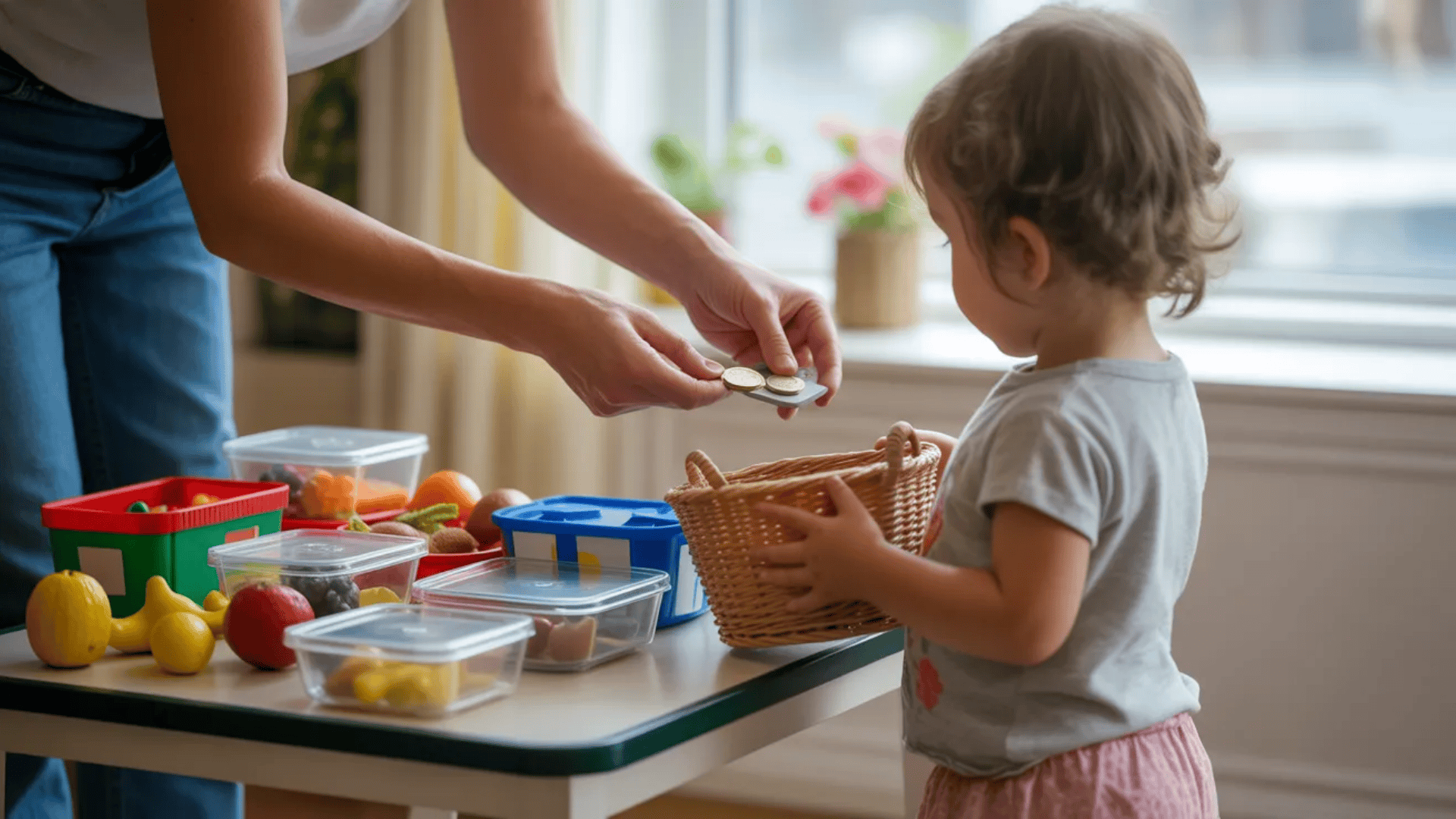
Set up a pretend store at home. Your child can be the shopper or the cashier. Switch roles for more learning.
Skills developed: Math (money, counting), social skills, vocabulary
Time needed: 30-60 minutes
Materials: Play food or empty containers, basket, play money, cash register (or box)
Arrange items on a table or shelf. Make simple price tags (draw coins or write numbers). Give your child play money or buttons as coins. Take turns being the cashier and the shopper. Make shopping lists before playing. This combines math, reading, and social skills in one game.
Pro tip: Let your child make the price tags. This adds writing practice. They can also organize items by type (all fruits together), which teaches classification.
9. Playdough Shape and Letter Building
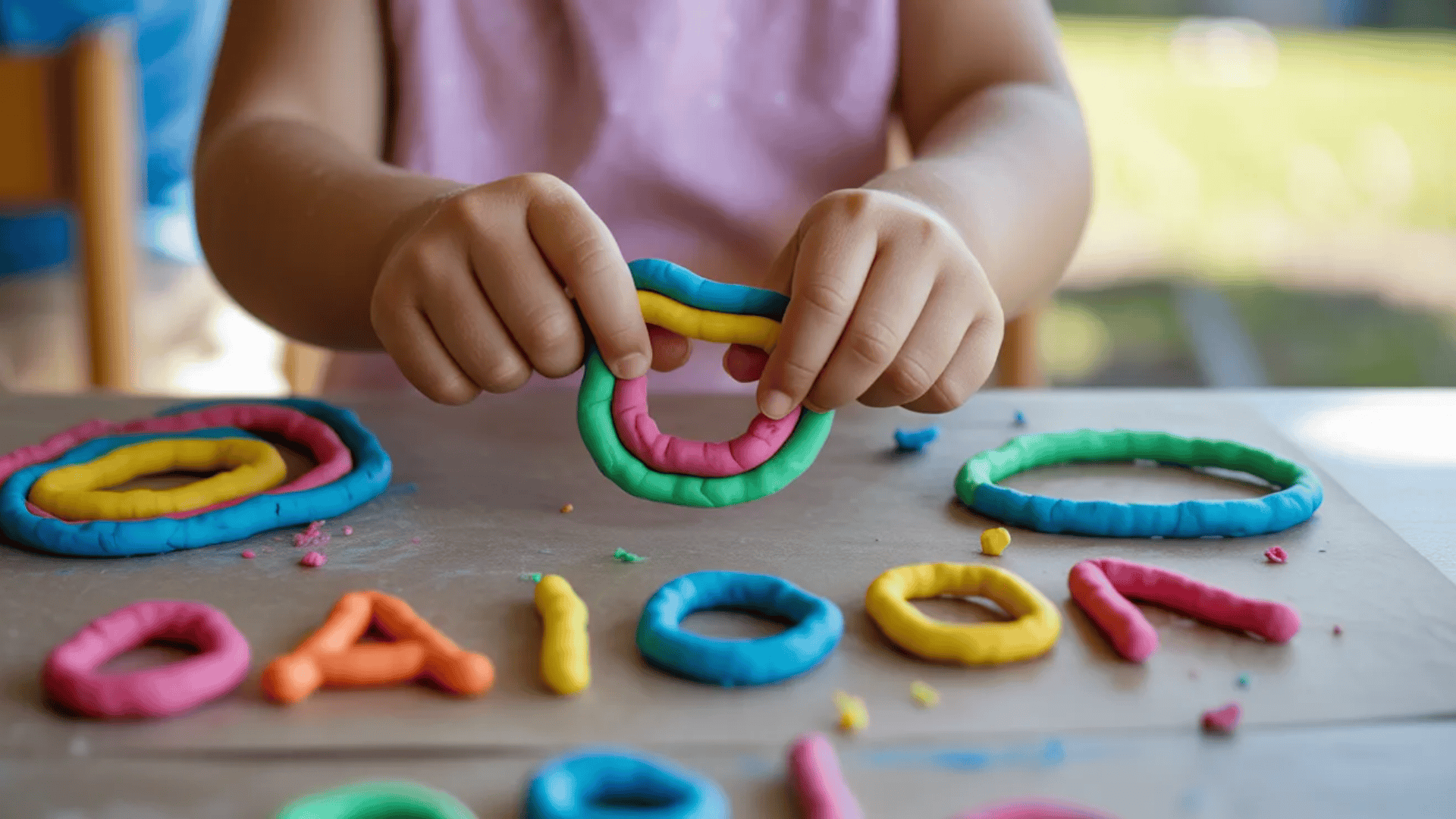
Give your child playdough and let them create shapes and letters. This builds the hand strength needed for writing.
Skills developed: Fine motor skills, letter formation, hand strength
Time needed: 20-30 minutes
Materials: Playdough, rolling pin, cookie cutters (optional)
Roll it into long snakes to make letters and shapes. Flatten it and cut with cookie cutters. Make all the letters in their name. Create numbers. Build 3D shapes like balls and cubes. Five-year-olds who play with playdough have stronger hands, making holding a pencil easier.
Pro tip: Make letters on a laminated sheet with a marker. Your child places playdough snakes on top to trace letters and learn proper formation while building hand strength.
10. Sorting and Pattern Games With Colors and Shapes
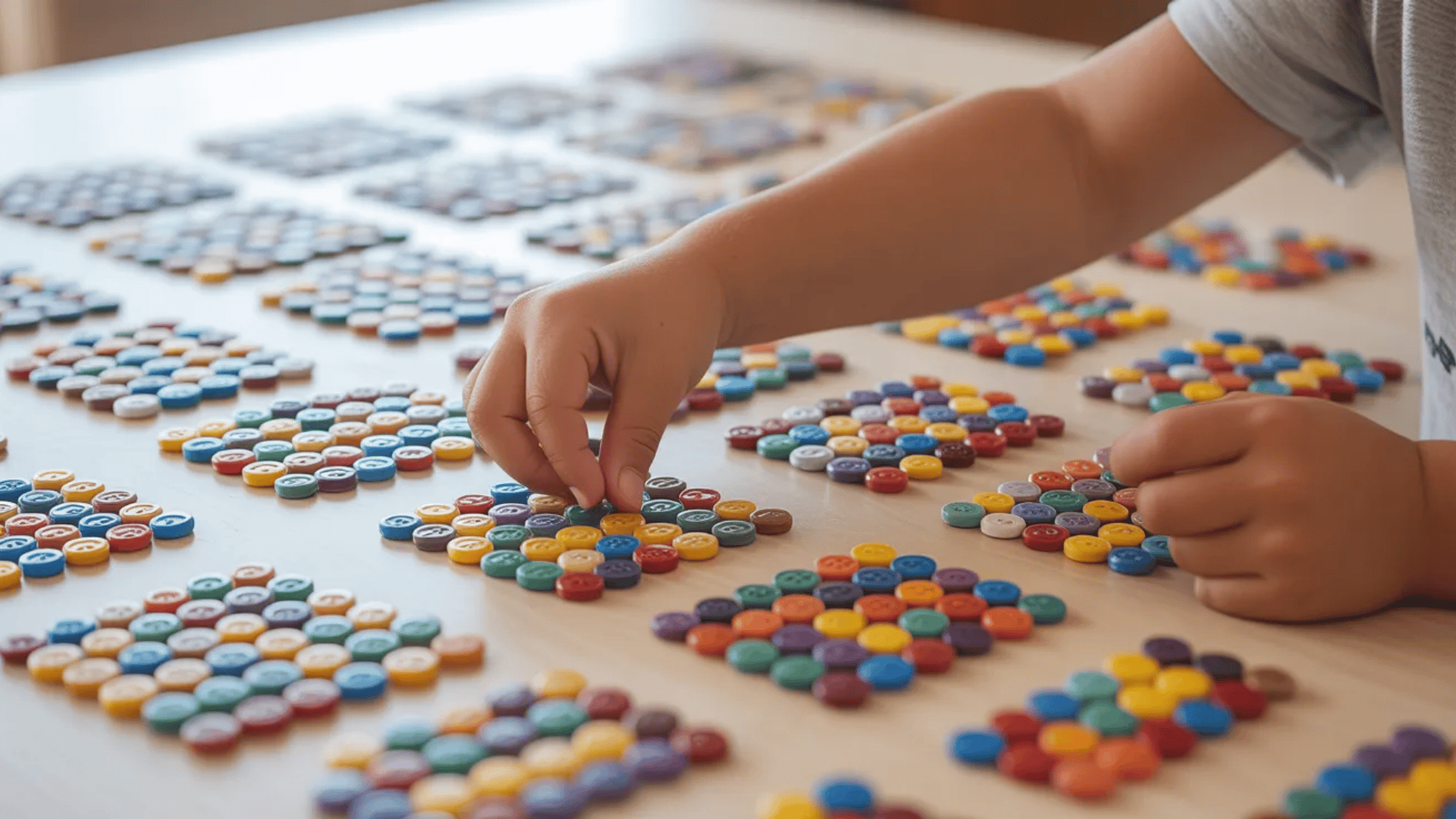
Use blocks, beads, buttons, or toys to create patterns and sort by attributes. This builds early math thinking.
Skills developed: Pattern recognition, classification, math readiness
Time needed: 15-25 minutes
Materials: Items that differ by color, size, or shape
Start simple patterns: red, blue, red, blue. Have them continue it. Try three-item patterns: red, blue, green, red, blue, green. Sort by color (all red together), size (big vs small), or type (cars vs animals). Sort laundry or snacks. Sorting and patterns are algebra foundations.
Pro tip: Use snacks for sorting practice (different colored cereal, Goldfish crackers). They can eat their work when finished. This adds motivation and makes learning fun.
11. Music and Movement Freeze Game

Play music and dance together. When the music stops, everyone freezes like a statue. Hold the pose until the music starts again.
Skills developed: Listening, self-control, coordination, body awareness
Time needed: 10-20 minutes
Materials: Music player or phone
Play upbeat music your child enjoys. Dance freely together. Stop the music randomly. Everyone must freeze in place. Make it harder by calling out specific poses to freeze in (like a tree, animal, or letter shape). This teaches impulse control while burning energy.
Pro tip: Add silly freeze poses to keep it interesting. Try freezing like animals, robots, or superheroes. You can also freeze in letter or number shapes for extra learning practice.
12. Simple Science Sink or Float Activity
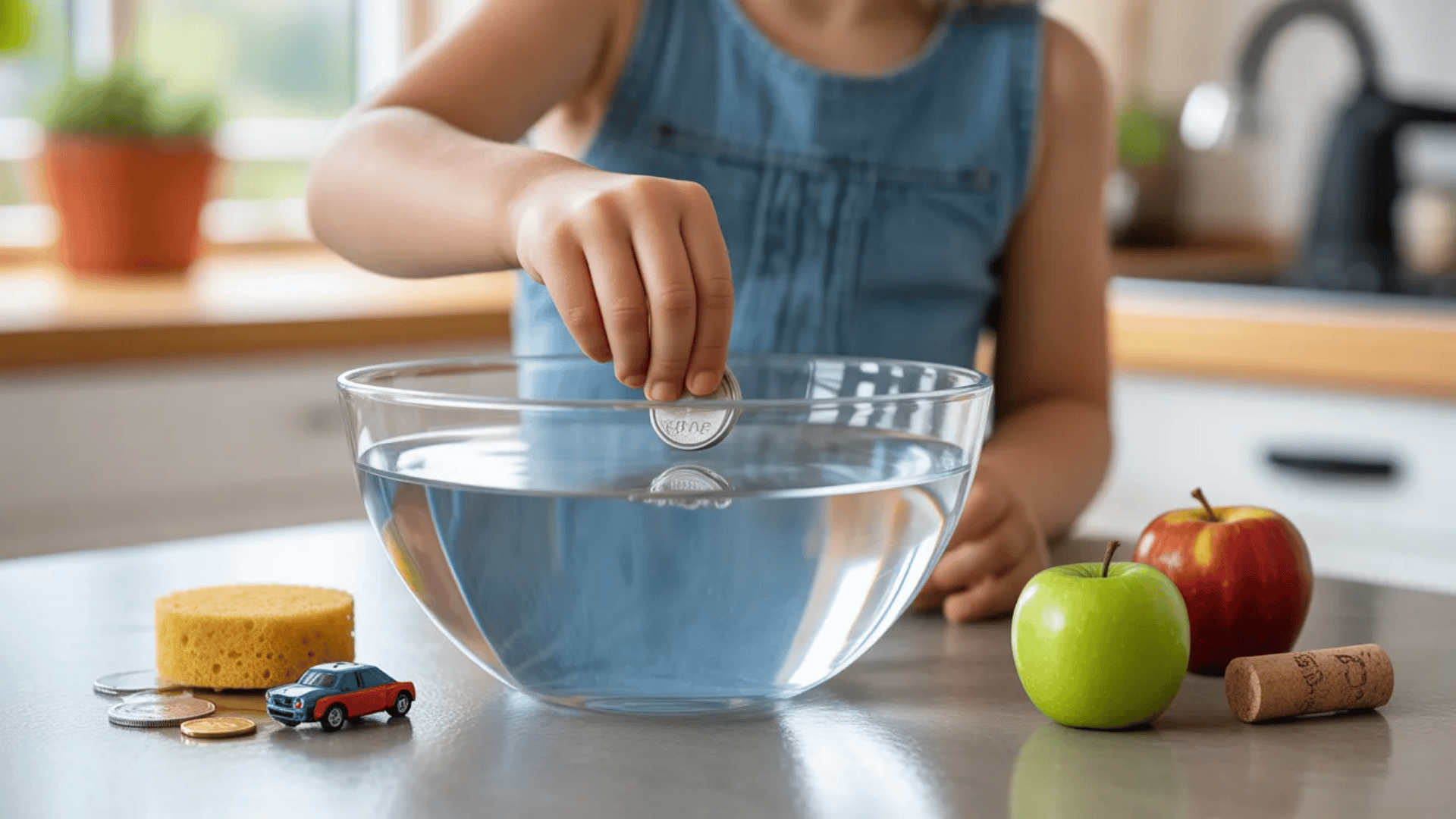
Gather different objects from around your home. Before putting each in water, ask your child to predict: will it sink or float?
Skills developed: Scientific thinking, prediction, observation, critical thinking
Time needed: 15-25 minutes
Materials: Large bowl or bin of water, various objects (toy car, sponge, coin, apple, rock, cork, plastic bottle)
Fill a container with water. Collect 8-10 different items. Before testing each object, ask “What do you think will happen?” Let them place the object in water and observe. Talk about why some things sink, and others float. No wrong guesses exist in science.
Pro tip: Sort objects into two piles after testing (sinkers and floaters). This adds classification practice. Try the same activity with different liquids, like soapy water or oil, for extended learning.
13. Role Play With Community Helpers
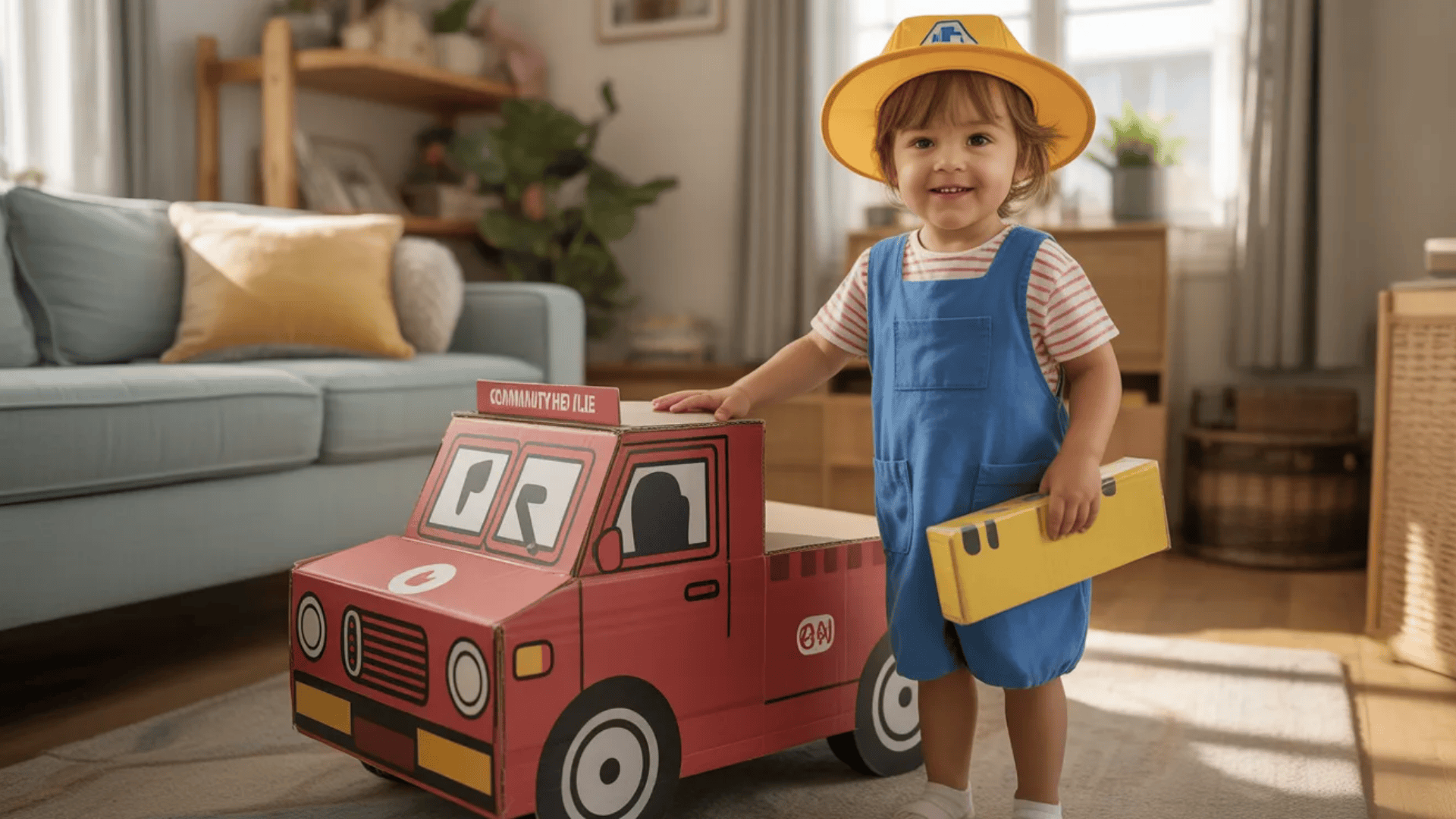
Pretend to be different community helpers. Act out what doctors, firefighters, teachers, or mail carriers do each day.
Skills developed: Social understanding, empathy, vocabulary, imagination
Time needed: 20-40 minutes
Materials: Simple props from home (toy stethoscope, hat, bag, whistle)
Choose a community helper together. Talk about what they do and why their job matters. Use household items as props. A cardboard box becomes a fire truck. A bag becomes a mail carrier’s satchel. Let your child lead the pretend play and switch roles with you.
Pro tip: Read books about different jobs before playing. This gives your child a better understanding and more ideas for pretend play. Ask questions like “What would you do if someone needed help?”
14. Puzzle Time for Focus and Problem Solving
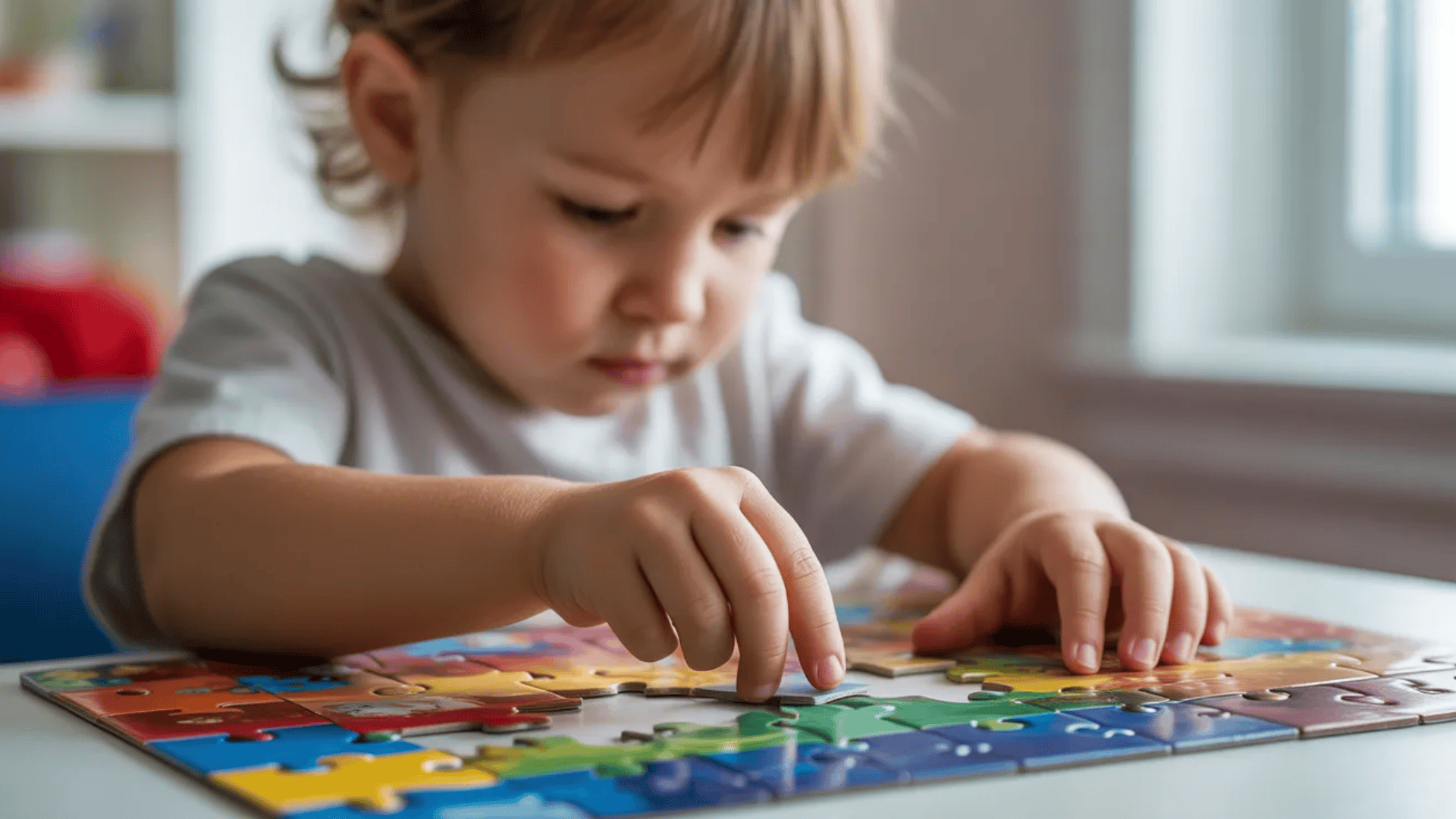
Give your child age-appropriate puzzles to complete. Start with 24-48-piece puzzles for most five-year-olds.
Skills developed: Problem-solving, spatial awareness, patience, concentration
Time needed: 15-45 minutes
Materials: Jigsaw puzzles (24-48 pieces)
Let your child work independently, but stay nearby for help if needed. Start by finding edge pieces together. Group pieces by color or pattern. Talk through the process: “Where do you think this piece goes? What are you looking for?” Completing puzzles builds confidence and teaches persistence.
Pro tip: Store puzzles in labeled bags so pieces don’t get mixed up. Rotate puzzles every few weeks to keep interest fresh. Your child will enjoy repeating favorite puzzles multiple times.
15. Drawing Emotions and Facial Expressions
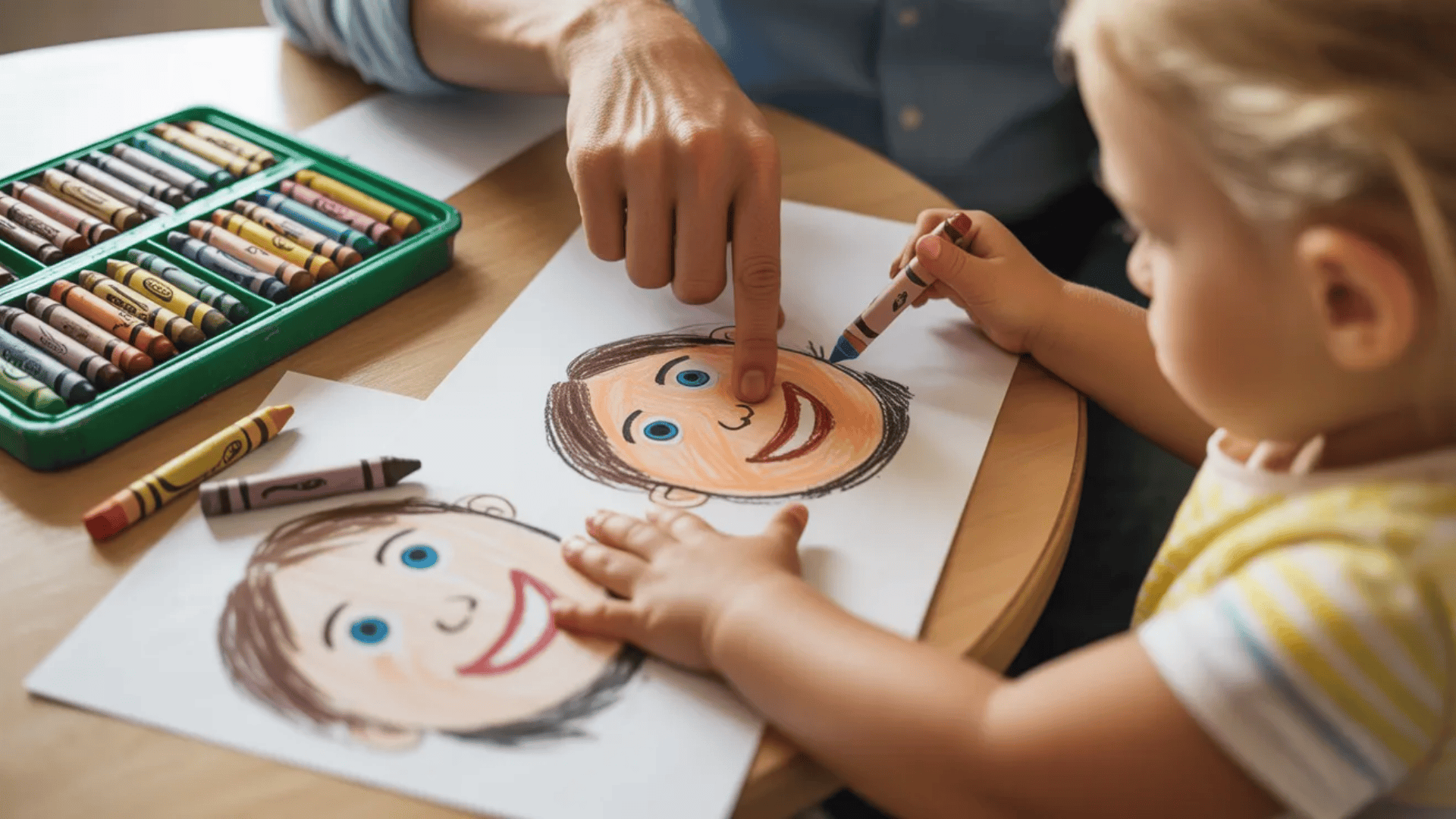
Draw faces showing different feelings. Talk about when we feel each emotion and what we can do about it.
Skills developed: Emotional intelligence, self-expression, fine motor skills, empathy
Time needed: 15-25 minutes
Materials: Paper, crayons, or markers
Draw simple circle faces together. Add different expressions: happy, sad, angry, scared, surprised, and excited. Talk about times your child felt each way. Discuss what helps when feeling sad or angry. This teaches emotional vocabulary and coping skills.
Pro tip: Make an emotions chart to hang up. When your child has big feelings, point to the chart and ask, “How are you feeling right now?” This helps them identify and name emotions in real moments.
16. Cooking or Baking With Measured Ingredients
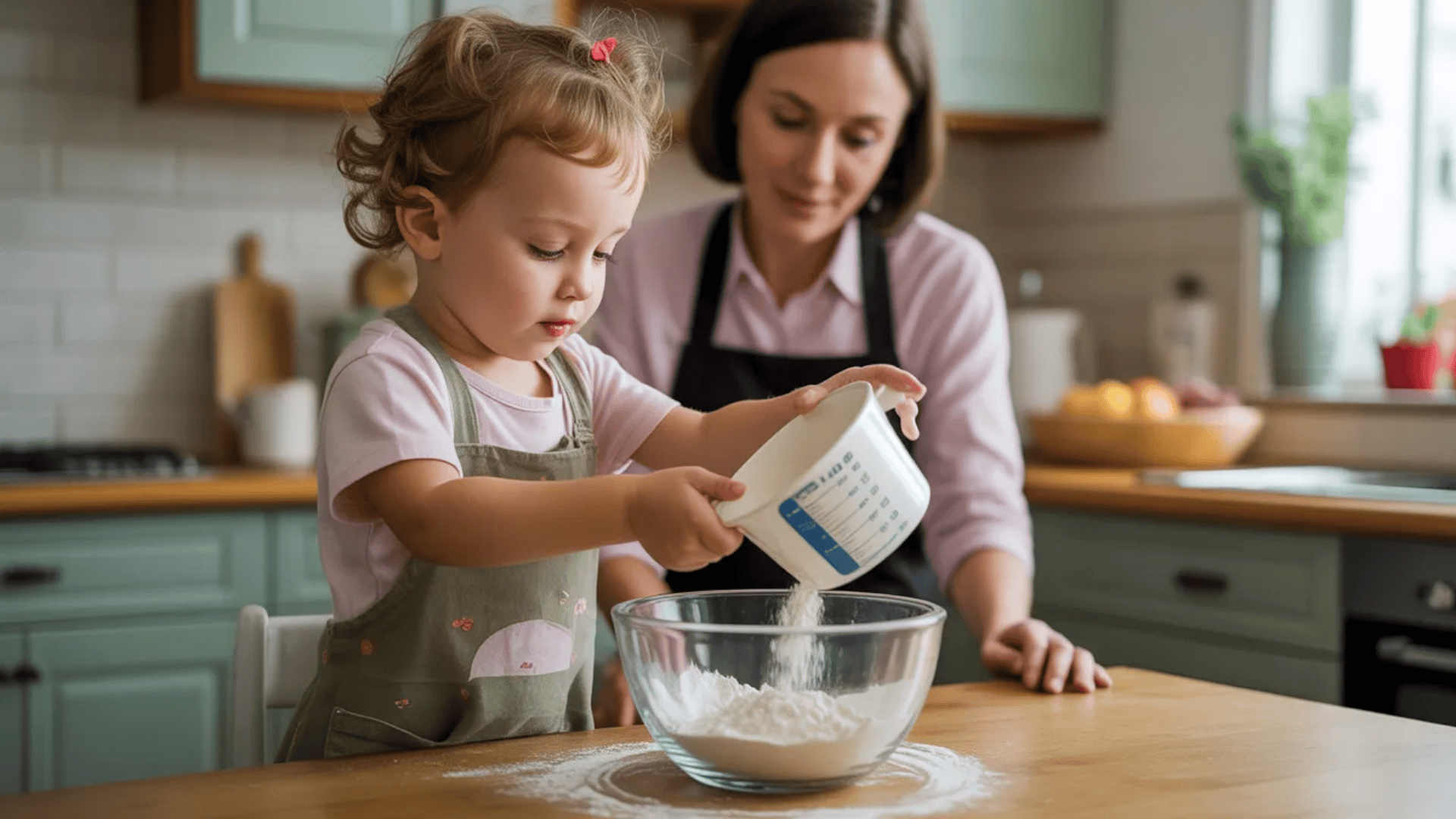
Make simple recipes together. Let your child help measure, pour, and mix ingredients.
Skills developed: Math (measuring), following directions, science concepts, and independence
Time needed: 30-60 minutes
Materials: Simple recipe, ingredients, measuring cups, and spoons
Choose no-bake recipes or very simple baked goods. Let your child do as much as possible with supervision. They can crack eggs (expecta mess), measure flour, stir batter, and pour liquids. Talk about how ingredients change when mixed or heated. Counting, measuring, and fractions happen naturally.
Pro tip: Start with three-ingredient recipes like no-bake cookies or smoothies. Success builds confidence. Print the recipe with pictures so your child can “read” along and know what comes next.
17. Memory Card Matching Game
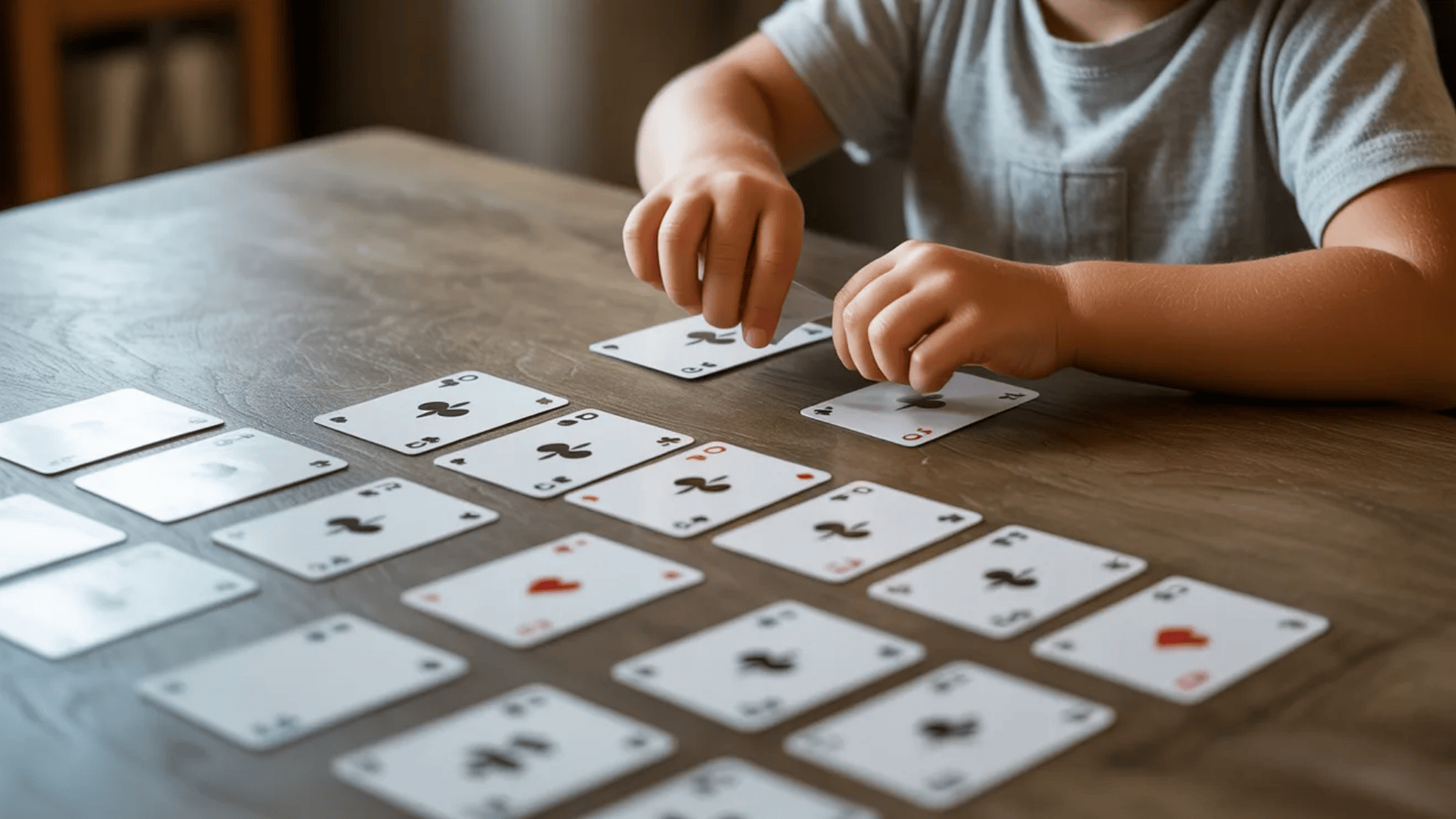
Use pairs of matching cards face down. Take turns flipping two cards. Find all the matching pairs.
Skills developed: Memory, concentration, turn-taking, matching
Time needed: 10-20 minutes
Materials: Matching card game or make your own with index cards
Start with 6-8 pairs for five-year-olds. Lay cards face down in rows. Each player flips two cards per turn. If they match, keep them. If not, flip them back over. Try to remember where the cards are located. This builds visual memory and attention skills.
Pro tip: Make your own memory game with family photos, stickers, or drawings on index cards. Personalized games hold attention longer. Start with fewer pairs and add more as your child improves.
18. Shadow Tracing With Sunlight or Flashlight
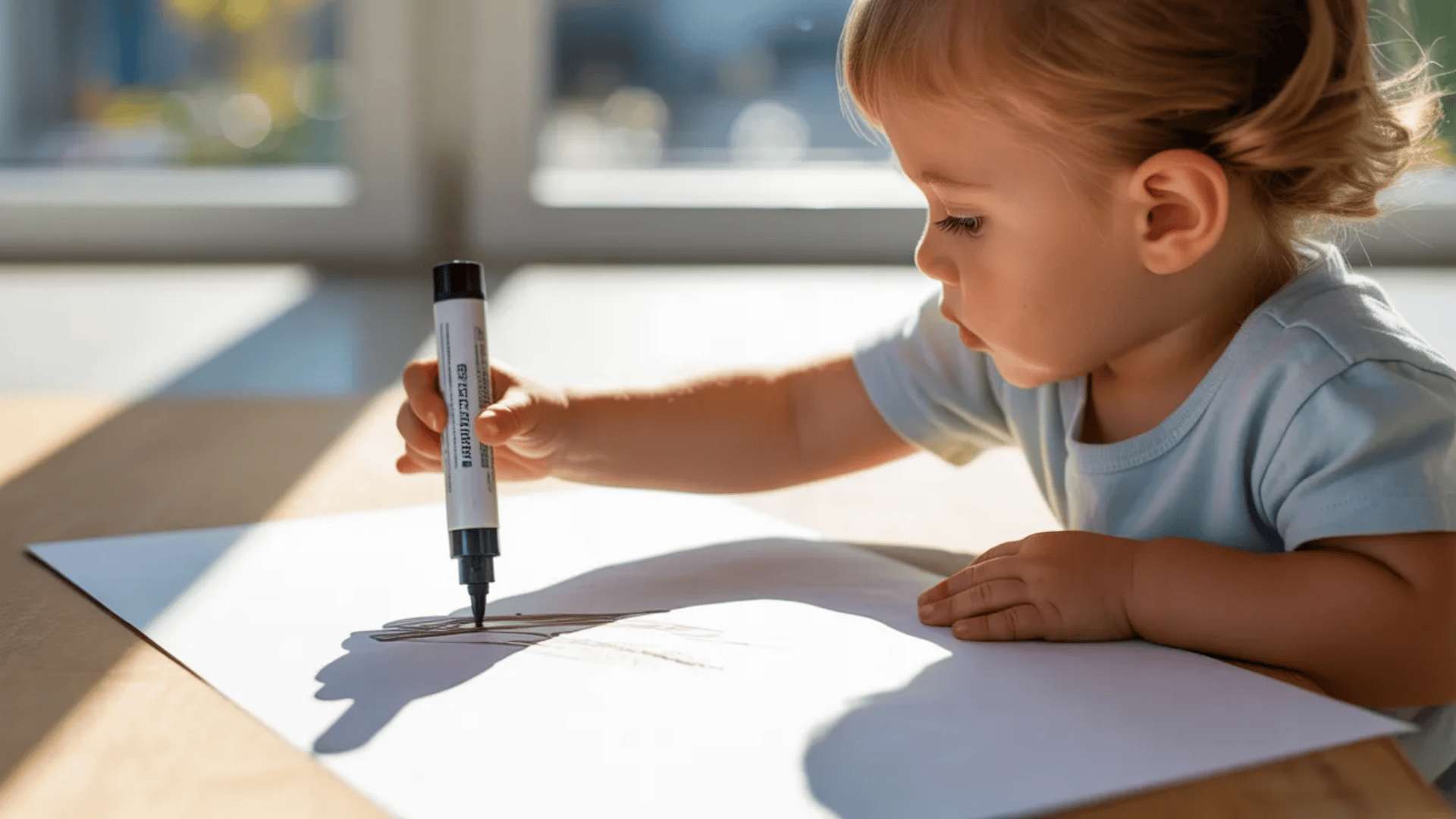
On a sunny day or using a flashlight, trace shadows of objects or your child’s body onto paper.
Skills developed: Science concepts, observation, fine motor skills, creativity
Time needed: 15-30 minutes
Materials: Large paper, markers or chalk, sunlight or flashlight
Place toys or hands in sunlight or a flashlight beam. Trace the shadow outline on paper. Your child can fill in the details or color it. Try at different times of day to see how shadows change length and direction. This teaches cause and effect plus light science concepts.
Pro tip: Trace your child’s full body shadow on the sidewalk with chalk. They can decorate it with their favorite colors and designs. Take photos because sidewalk art washes away, but memories last.
19. Storybook Acting and Dramatic Play
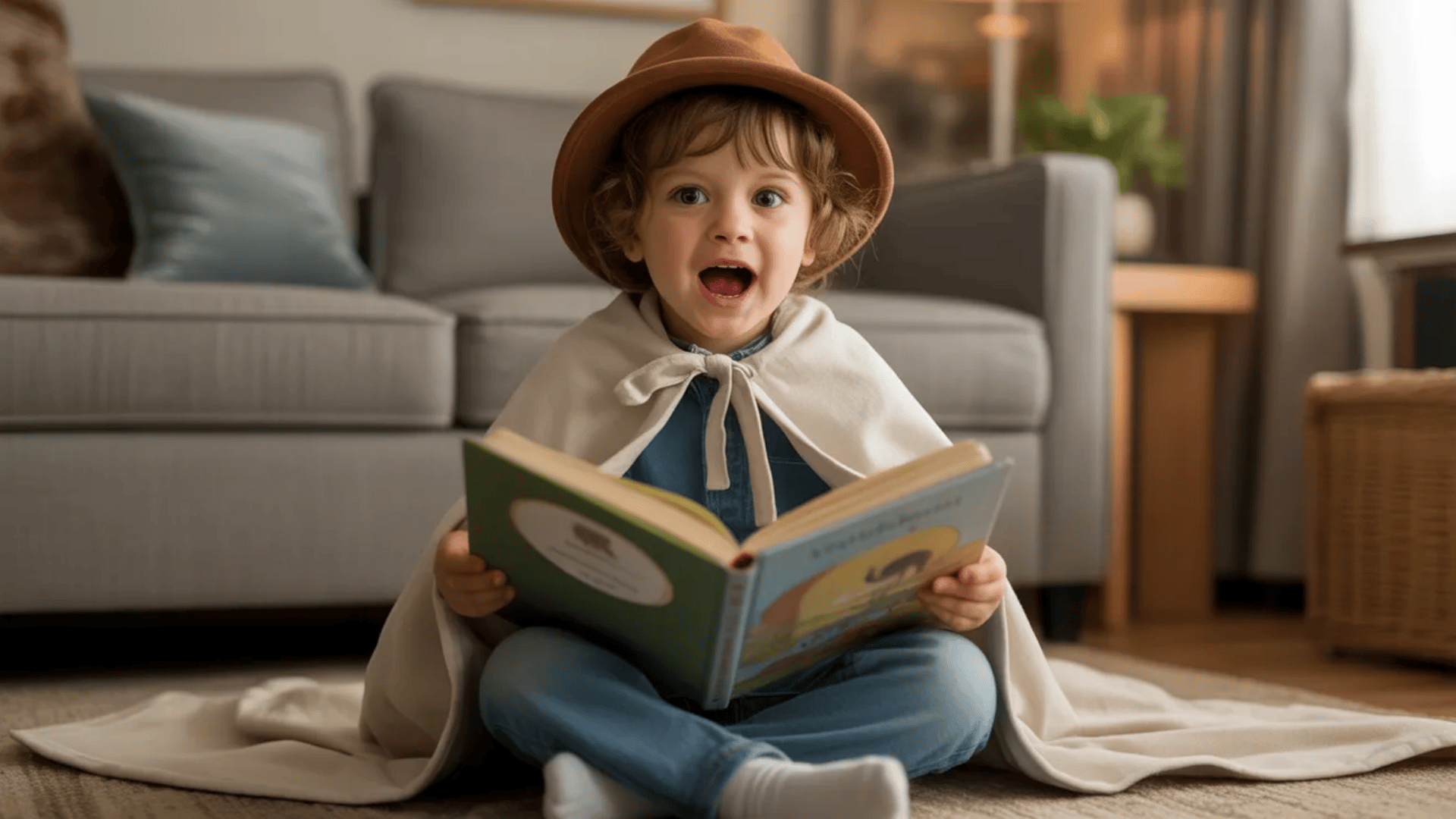
Choose a favorite book. Act out the story together with props and costumes from around your home.
Skills developed: Comprehension, sequencing, creativity, expression
Time needed: 20-40 minutes
Materials: Favorite book, simple props, and dress-up items
Read the book together first. Talk about the characters and what happens. Then act it out. Use blankets, household items, and dress-up clothes as costumes and props. Your child can be the main character while you play other parts. Switch roles and perform it again.
Pro tip: Let your child choose which character to play. They’ll engage more deeply with stories they can physically experience. This also shows you what parts they remember and understand best.
20. Fine Motor Cutting and Pasting Activity
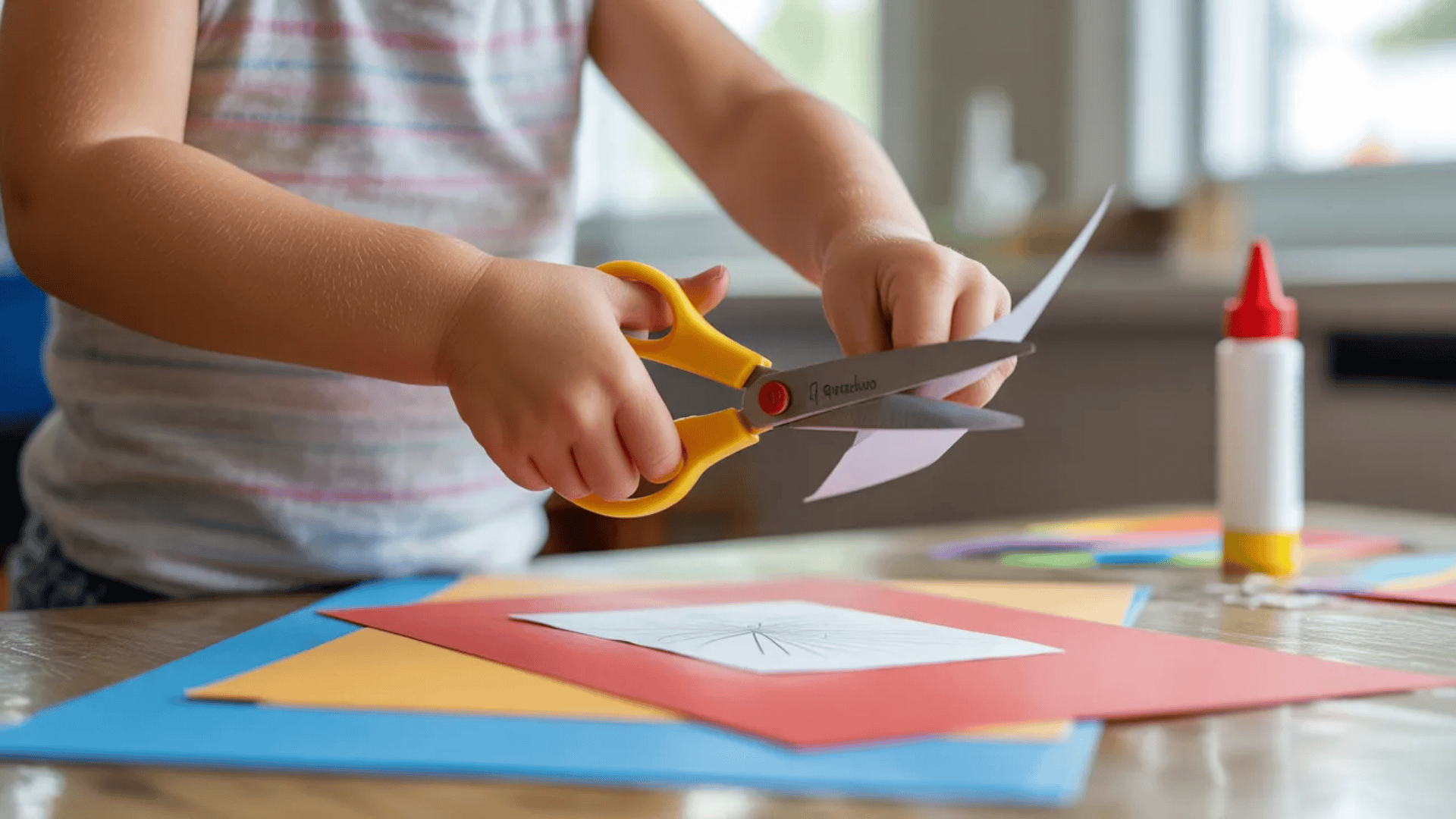
Give your child child-safe scissors, paper, and glue. Let them practice cutting and creating collages.
Skills developed: Fine motor skills, hand-eye coordination, creativity, scissor safety
Time needed: 20-30 minutes
Materials: Child-safe scissors, old magazines or colored paper, glue stick, larger paper for gluing
Start by cutting straight lines on paper. Progress to curves and then shapes. Let them cut pictures from old magazines and create collages. No specific project needed. Free cutting builds the hand strength and control needed for writing in school.
Pro tip: Draw simple shapes or lines for your child to cut along. This gives them a guide and builds confidence. Always supervise scissor use and teach proper safety rules from the start.
21. Building Towers With Blocks or Cups
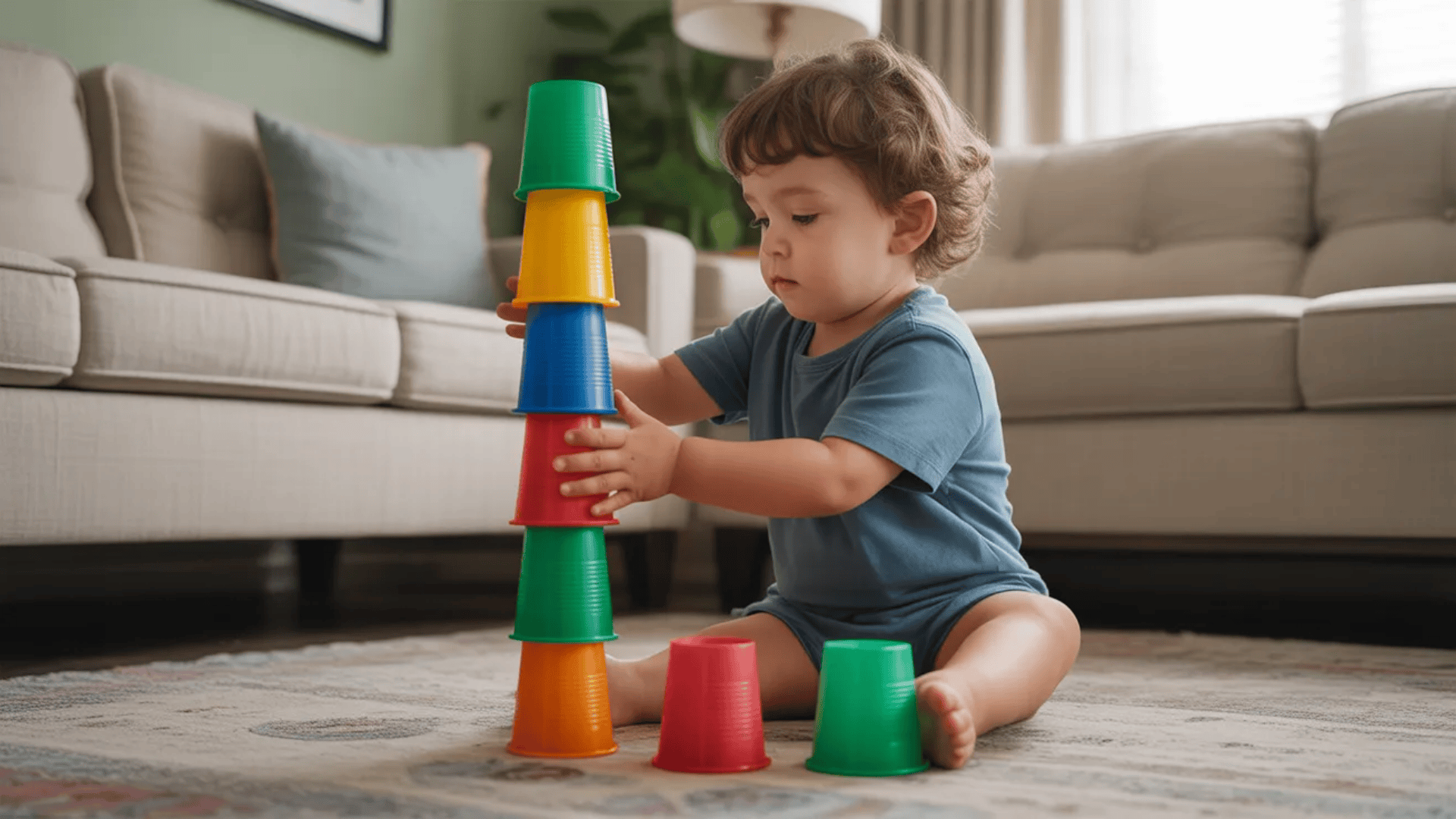
Stack blocks or plastic cups as high as possible before they fall. Experiment with different building methods.
Skills developed: Balance, spatial awareness, patience, engineering thinking
Time needed: 15-30 minutes
Materials: Building blocks, LEGO, or plastic cups
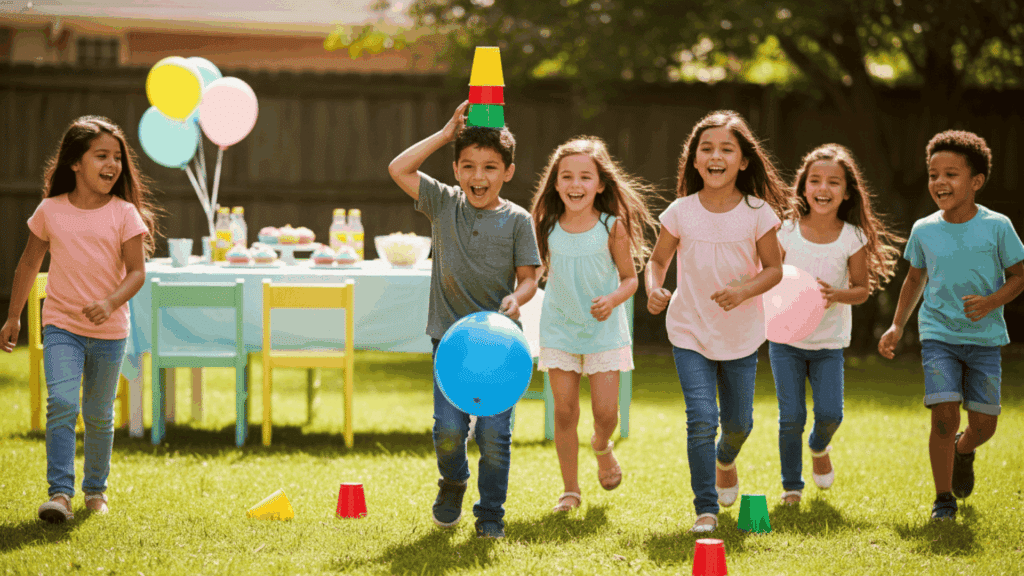
Let your child build freely at first. Then suggest challenges: “Can you make it taller than you? Can you build a tower using only red blocks?” When towers fall, talk about why. This teaches cause and effect. Rebuilding teaches persistence.
Pro tip: Count the blocks or cups as you build. “Your tower has 12 blocks. Can you add 3 more?” This sneaks in math practice. Take photos of tall towers before they fall so your child can remember their accomplishment.
22. Rhyming Word Games
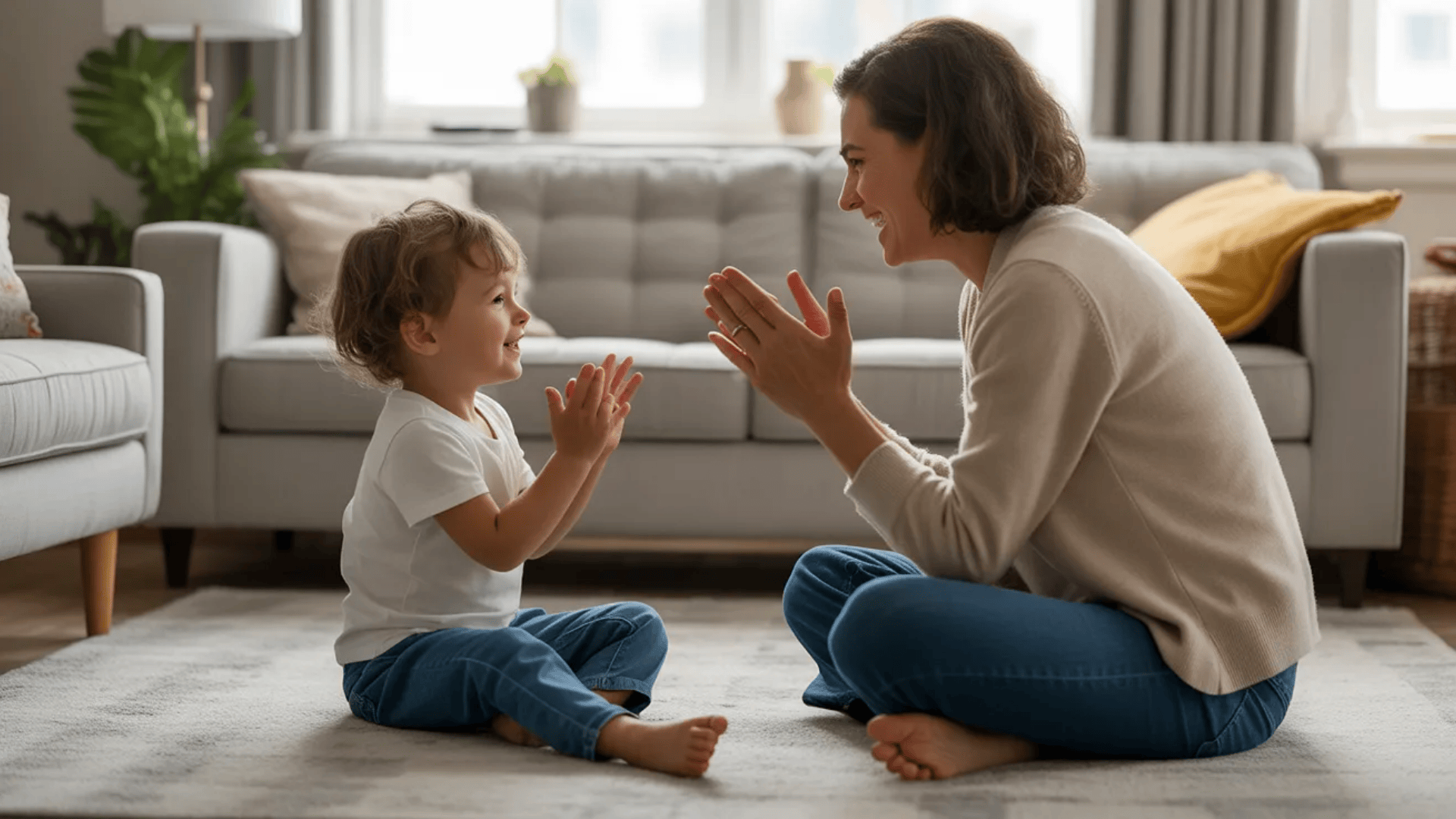
Say a word, and your child thinks of words that rhyme. Silly made-up words count too. This makes phonics fun.
Skills developed: Phonics awareness, vocabulary, sound recognition, creativity
Time needed: 5-15 minutes
Materials: None needed
Start with simple words like cat, dog, and sun. Your child says words that rhyme (cat: bat, hat, mat, rat, sat). Accept nonsense words like “zat” or “flop.” The goal is hearing rhyming sounds, not perfect words. Make it a back-and-forth game where you each take turns.
Pro tip: Turn it into a movement game. Jump once for each rhyming word you think of. This combines physical activity with learning and keeps five-year-olds engaged longer.
23. Sensory Bin With Dry Materials
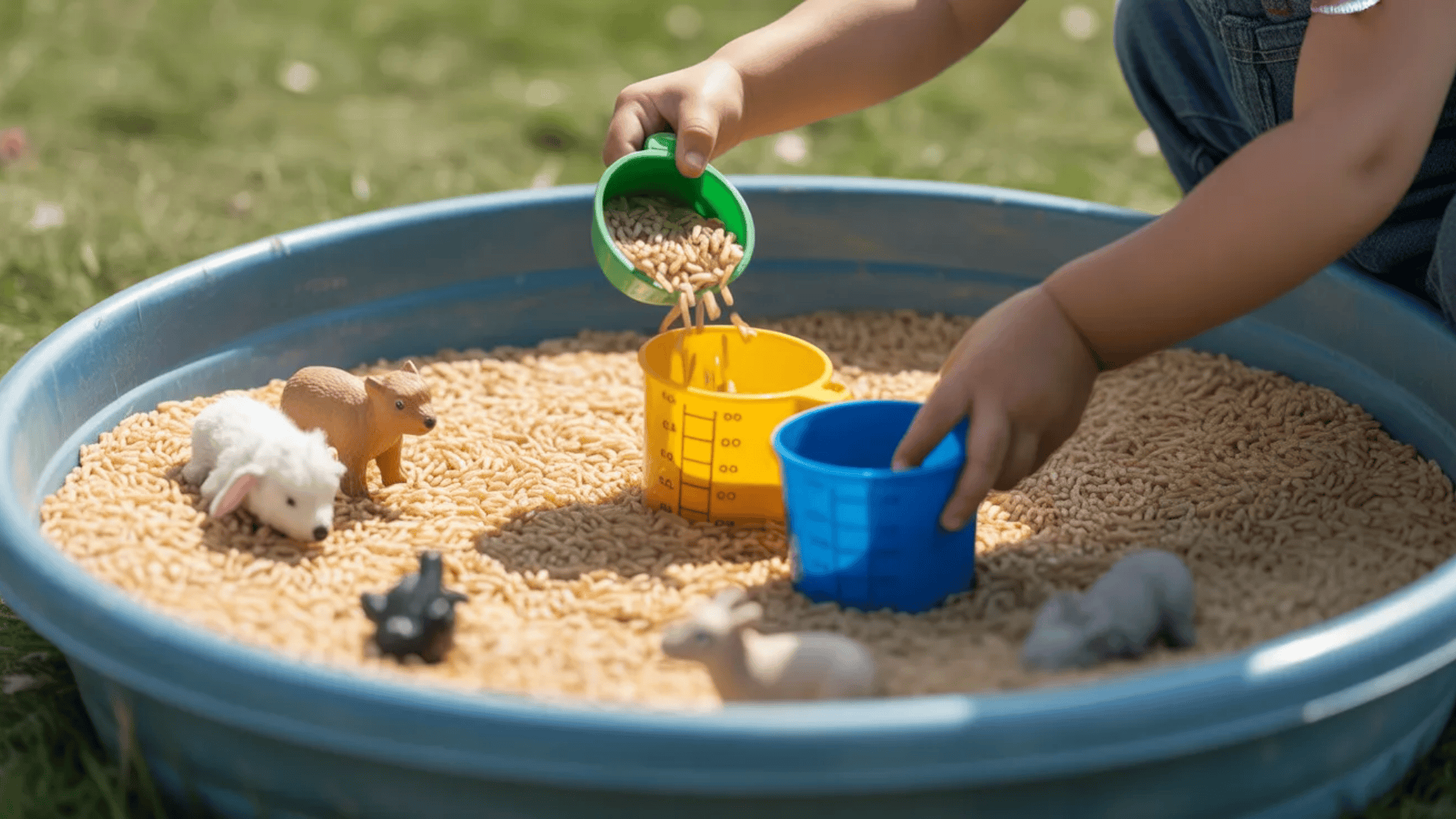
Fill a container with dry rice, beans, or pasta. Add scoops, cups, and small toys to hide and find.
Skills developed: Sensory exploration, fine motor skills, focus, imaginative play
Time needed: 20-40 minutes
Materials: Large bin, dry rice or beans, measuring cups, scoops, small toys
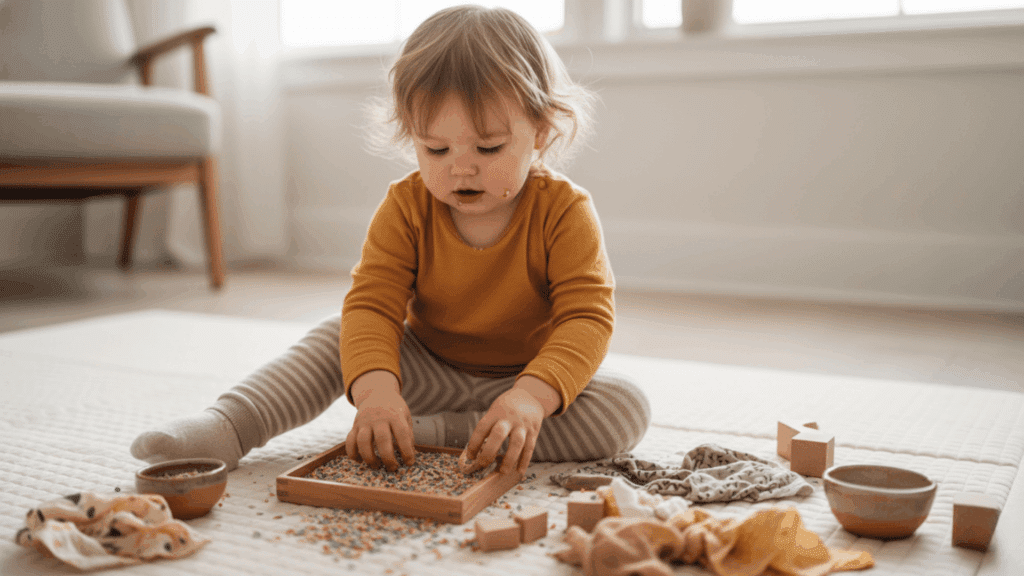
Pour dry materials into a large shallow bin. Hide small toys inside. Give your child tools for scooping and pouring. They can search for hidden treasures, practice pouring between containers, or create pretend cooking scenarios. The texture and sound provide calming sensory input.
Pro tip: Set up the bin on a large towel or old sheet for easy cleanup. Store it in a sealed container to reuse many times. Avoid small items if younger siblings are around.
24. Board Games That Practice Turn Taking
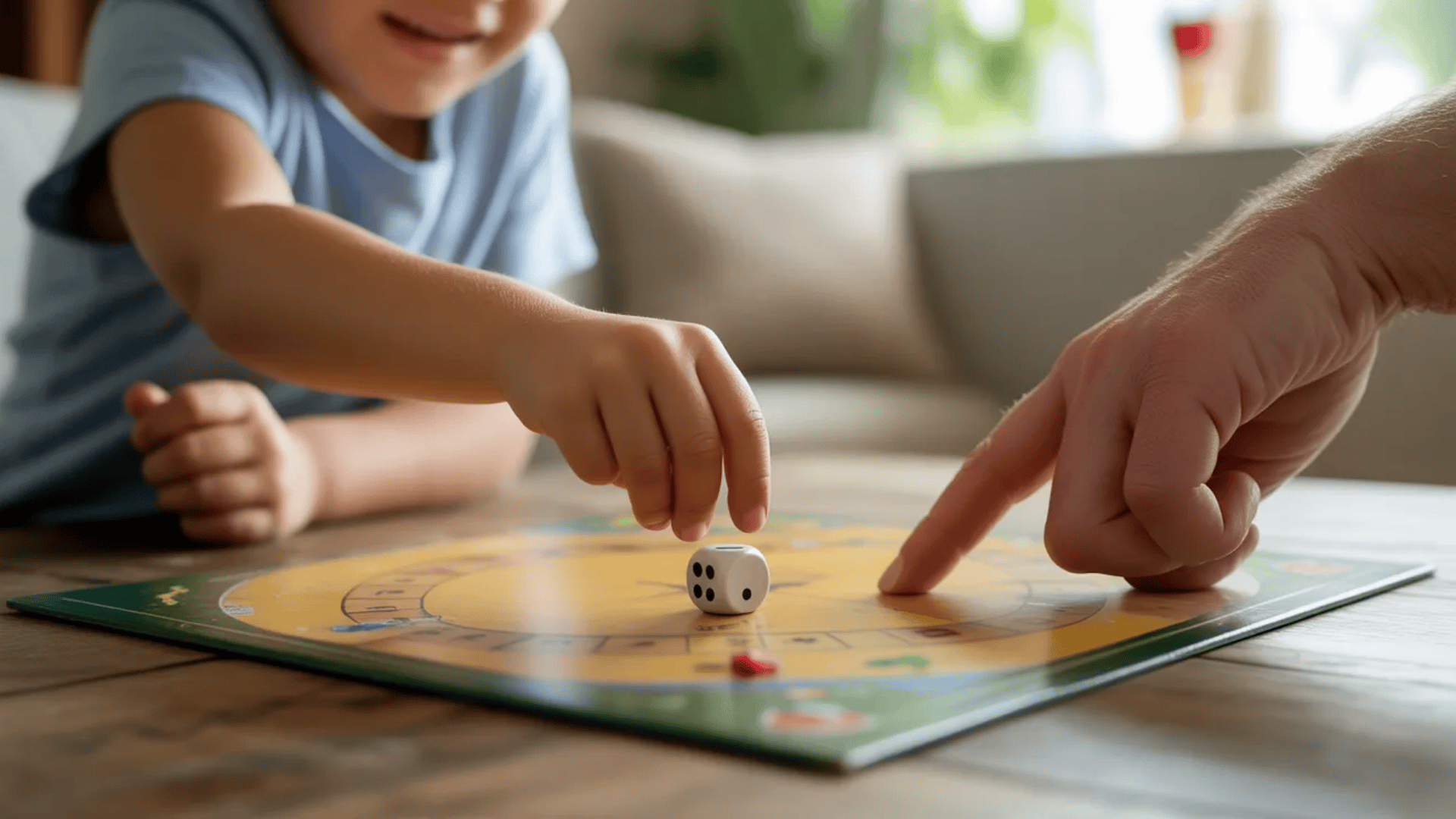
Play simple board games together. These teach patience, following rules, and handling wins and losses.
Skills developed: Turn-taking, rule following, counting, sportsmanship
Time needed: 15-30 minutes per game
Materials: Age-appropriate board games (Candy Land, Chutes and Ladders, Zingo)
Choose games with simple rules and quick play. Model good sportsmanship yourself. Congratulate the winner even when you lose. Teach your child to say “good game” at the end. These social skills matter more than winning. Celebrate effort and fun, not just victory.
Pro tip: Let your child win sometimes, but not always. Five-year-olds need to practice both winning gracefully and losing without big meltdowns. Real life includes both outcomes.
25. Simple Yoga or Stretching Routine

Do easy yoga poses or stretches together. Use animal names to make poses fun and memorable.
Skills developed: Body awareness, balance, flexibility, focus, breathing control
Time needed: 10-20 minutes
Materials: Comfortable space, yoga mat optional
Try simple poses: tree pose (standing on one foot), cat and cow (on hands and knees), butterfly (sitting with feet together), and downward dog (triangle shape). Hold each pose for 5-10 seconds. Breathe deeply together. This calms energy and builds body control.
Pro tip: Do this routine before bed to help your child wind down. Morning yoga prepares them for the day. Keep it short and fun rather than perfect. The goal is movement and awareness, not expert poses.
26. Pattern Making With Beads or Pasta
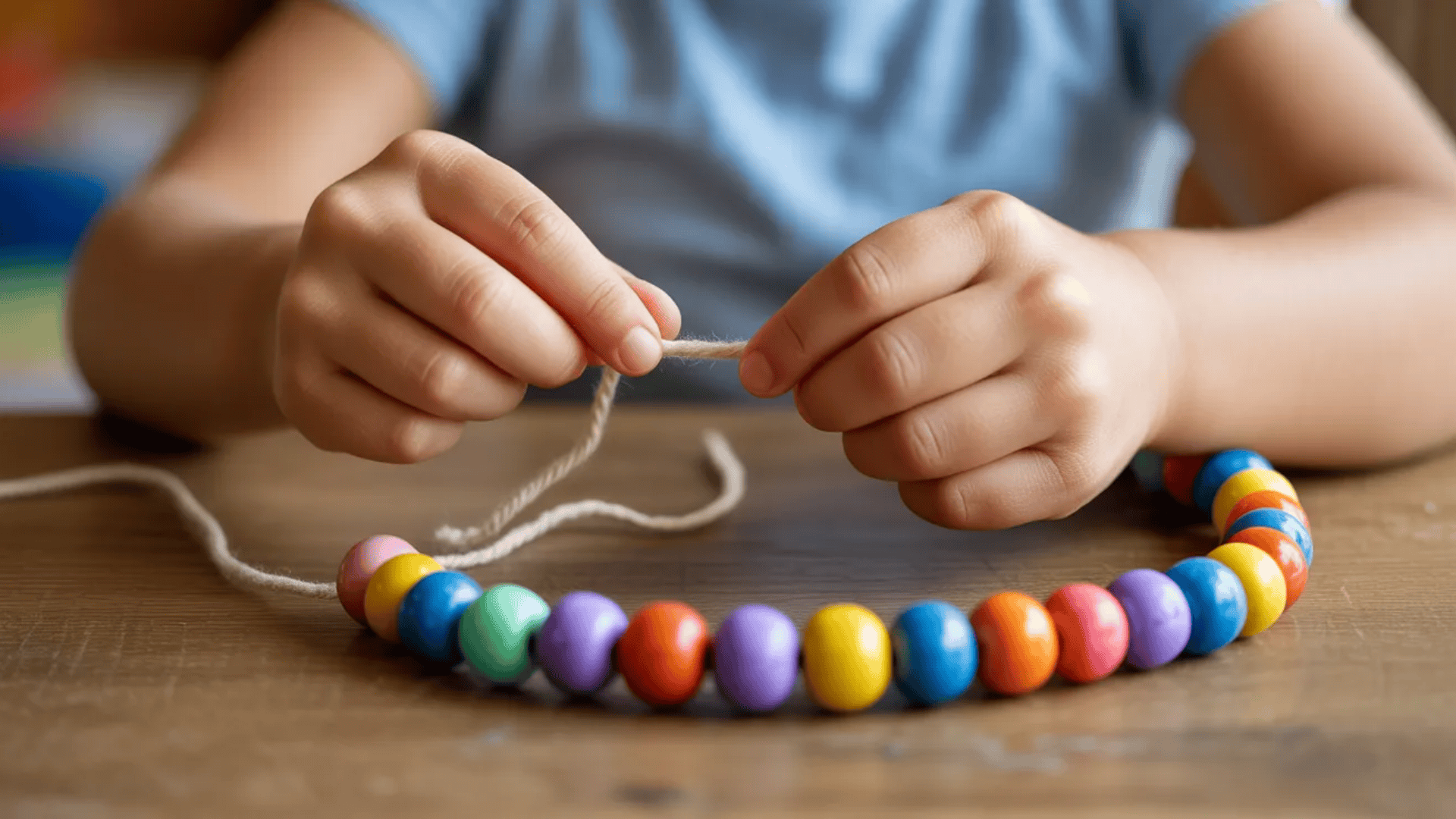
String beads or pasta onto yarn or pipe cleaners. Create color patterns or free designs.
Skills developed: Pattern recognition, fine motor skills, sequencing, hand-eye coordination
Time needed: 20-30 minutes
Materials: Large beads or pasta with holes, yarn, or pipe cleaners
Start with simple two-color patterns: red, blue, red, blue. Your child continues the pattern. Progress to three colors. Let them create their own patterns for you to copy. This builds math thinking through hands-on play. The stringing motion strengthens the hand muscles needed for writing.
Pro tip: Tape one end of the yarn to prevent beads from sliding off while working. Dried pasta works great and costs almost nothing. Paint pasta different colors first for more variety.
27. Drawing Maps of Familiar Places
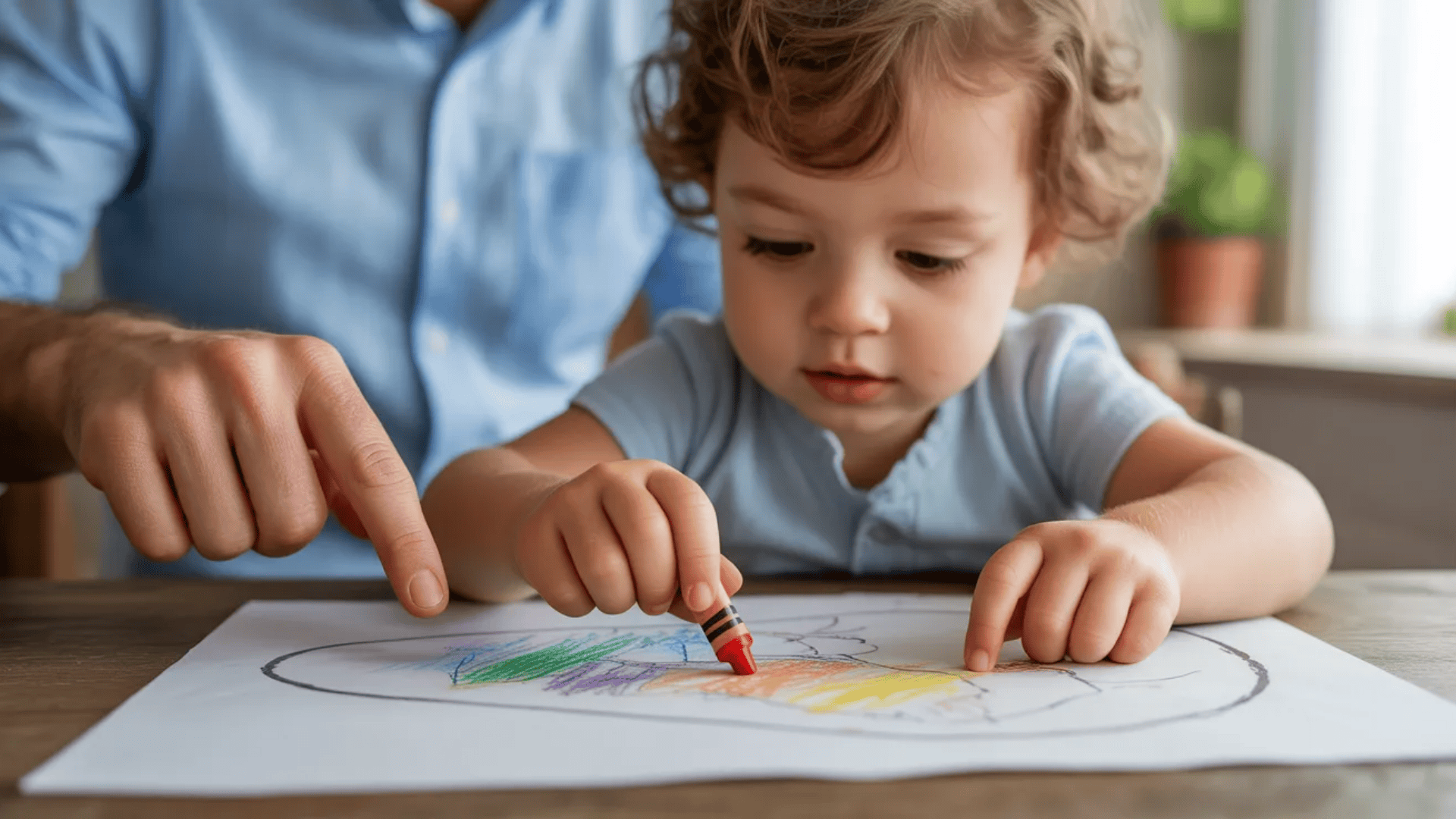
Help your child draw a simple map of your home, yard, or neighborhood. Label important spots.
Skills developed: Spatial thinking, representation, drawing, memory, and early geography
Time needed: 20-30 minutes
Materials: Paper, crayons, or markers
Draw a basic outline together showing rooms in your house or areas in your yard. Your child adds details: furniture, toys, trees, swing set. Label each area. Talk about what’s next to what. This teaches spatial relationships and how maps represent real places.
Pro tip: Walk through the space before drawing. Count rooms or big items to include. Use this map for hide and seek by marking X where something is hidden. This makes maps functional and fun.
28. Recycling Crafts With Household Items
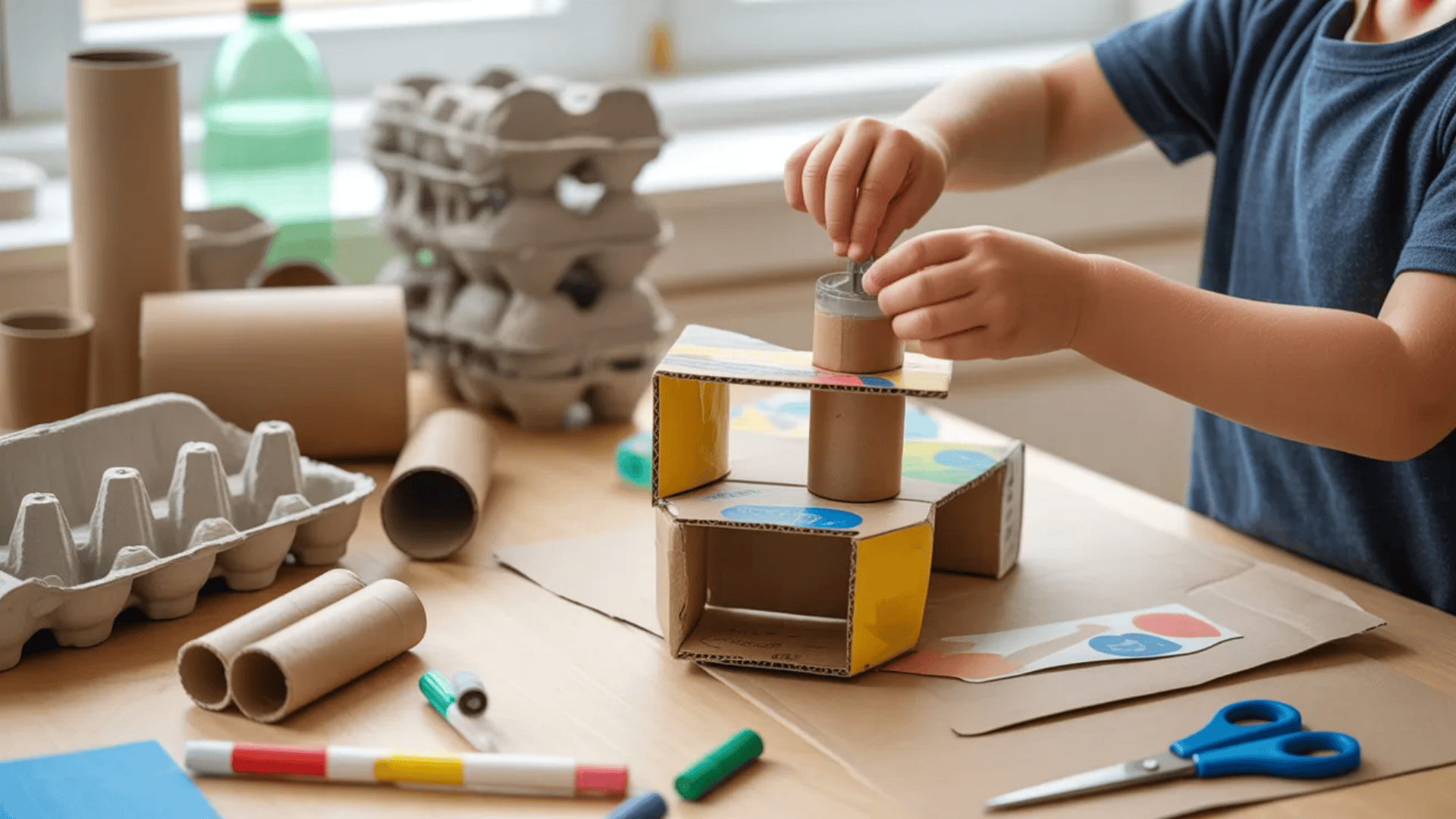
Create art or toys using clean recyclables. Cardboard tubes, egg cartons, and plastic bottles become new creations.
Skills developed: Creativity, problem-solving, environmental awareness, fine motor skills
Time needed: 30-60 minutes
Materials: Clean recyclables (tubes, boxes, bottles), tape, glue, markers, scissors
Save toilet paper rolls, egg cartons, cereal boxes, and clean containers. Your child decides what to make. Tubes become binoculars or rockets. Egg cartons become caterpillars or sorting trays. Bottles become shakers or planters. Open-ended, creating beat craft kits every time.
Pro tip: Keep a craft bin of clean recyclables ready to use. When your child asks, “Can we make something?” you have supplies ready. This also teaches reusing items instead of throwing everything away.
29. Listening and Following Directions Game
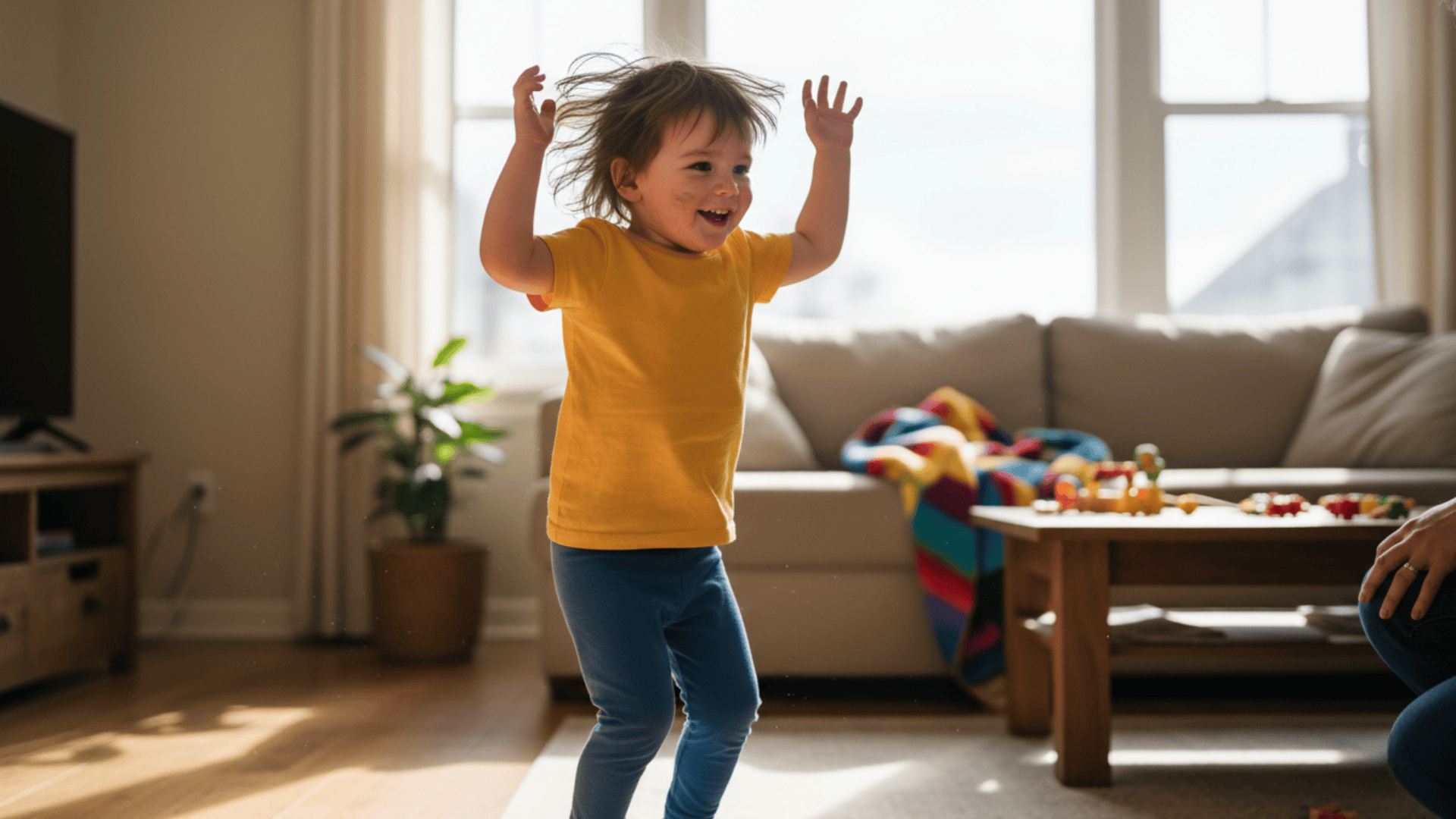
Give increasingly complex directions for your child to follow. Start with one step, then add more.
Skills developed: Listening, memory, following directions, attention
Time needed: 10-15 minutes
Materials: None needed
Start simple: “Touch your nose.” Then two steps: “Jump three times and then sit down.” Progress to three steps: “Go to your room, get your red book, and bring it to me.” This builds the listening skills needed for kindergarten. Make it fun rather than testing.
Pro tip: Let your child give you silly directions to follow. This reverses roles and shows them how hard listening and remembering can be. They’ll also love telling the adult what to do.
30. Independent Quiet Time Activity Box
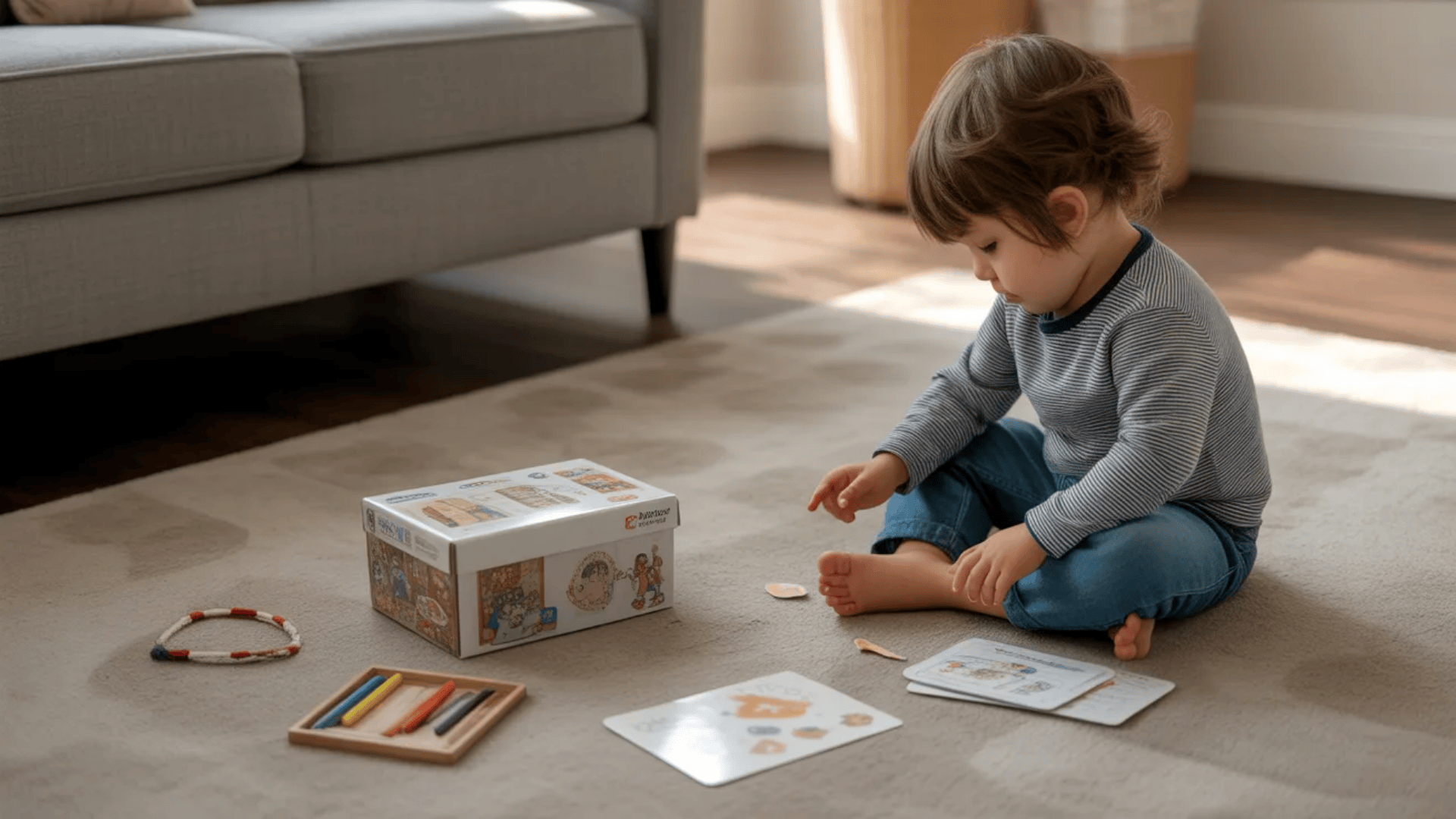
Create a special box with activities your child can do alone. Rotate items weekly to keep it interesting.
Skills developed: Independence, focus, self-direction, various skills
Time needed: 15-30 minutes (child plays alone)
Materials: Box or bin, rotating activities (coloring books, stickers, small puzzles, lacing cards)
Fill a container with quiet activities your child can manage independently. Include coloring books, sticker books, simple puzzles, playdough, or lacing cards. Store it where your child can reach it. Use it during sibling nap time or when you need to focus on other tasks.
Pro tip: Swap items every week so it feels fresh and exciting. Your child is more likely to play independently with “new” activities. Save special items just for this box to increase interest.
31. Cooperative Group Game for Social Skills
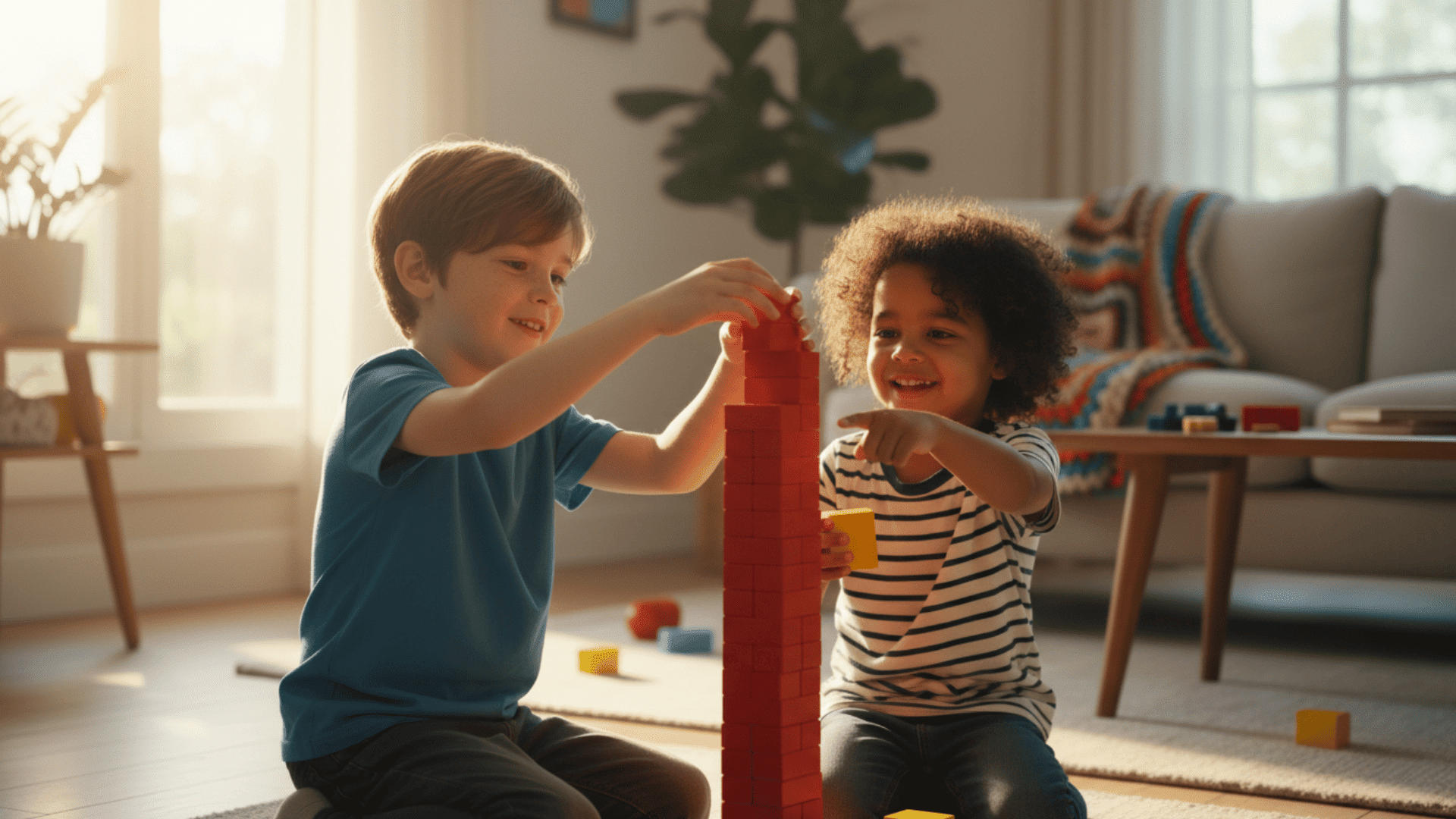
Play games where everyone works together toward one goal instead of competing against each other.
Skills developed: Cooperation, teamwork, communication, problem-solving
Time needed: 20-30 minutes
Materials: Varies by game chosen
Try cooperative activities: building one big block tower together, completing a puzzle as a team, playing catch where you count how many times you can toss without dropping. The goal is working together, not winning. This teaches collaboration over competition.
Pro tip: Celebrate team success loudly. “We did it together!” This builds understanding that cooperation feels good. Five-year-olds who learn teamwork now handle group projects better in school later.
How to Choose the Right Activities for a 5-Year-Old?
Not every activity works for every child or every moment. Your five-year-old has different needs throughout the day. Pick activities based on their current mood and energy level.
Most five-year-olds focus for 10-15 minutes on activities they enjoy. Some manage longer if really engaged. Others need to switch every 5-10 minutes. Both are normal. Watch for fidgeting, looking away, or saying “I’m done.” When attention fades, stop. Don’t force them to finish.
Mix active and calm activities throughout the day. After running outside, try puzzles. After dance parties, do reading time. Too much energy without calm breaks leads to overstimulation. Too much sitting causes wiggly behavior. Your child needs both kinds of play.
Activities should challenge slightly without frustration. Too easy creates boredom. Too hard causes giving up. If your child finishes quickly without thinking, add a challenge. If they get frustrated immediately, make it simpler. Watch their response and adjust as needed.
| The key to success: Let your child help choose activities. They know what sounds fun and matches their current mood and energy level better than anyone else |
Skills These Activities Help Develop
Play-based activities build multiple skills at once. Your five-year-old isn’t just having fun. They’re learning essential abilities that prepare them for school and life.
| Skill Area | What It Includes | How Activities Build This |
|---|---|---|
| Language and Communication | Vocabulary, expressing ideas, asking questions, listening, and conversation skills | Storytelling expands vocabulary. Pretend play teaches social language. Questions during activities (“What are you making?”) practice expressing thoughts. |
| Motor Skills | Fine motor (hand control, writing preparation), gross motor (running, jumping, balance, coordination) | Cutting and beading strengthen hand muscles for writing. Running, climbing, and obstacle courses build body control and coordination. |
| Emotional Regulation | Identifying feelings, managing disappointment, patience, and self-control | Board games teach handling loss. Freeze dance practices self-control. Drawing emotions helps identify and express feelings appropriately. |
| Early Problem Solving | Trying different approaches, persistence, cause and effect, and critical thinking | Puzzles teach trying until something works. Building shows cause and effect. Science experiments encourage prediction and observation skills. |
What matters most: These skills develop together, not separately. One activity often builds multiple abilities at once, making play the most efficient learning method for five-year-olds.
Conclusion
Your five-year-old is at the perfect age for learning through play. The activities in this guide support their growth without pressure or stress. You don’t need expensive toys or complicated plans. Simple activities using items you already have work best.
Start with one or two activities that match your child’s interests. Notice what captures their attention. Build from there. Some days will be active and loud. Other days will be quiet and calm. Both matter equally.
The goal isn’t perfection. It’s spending time together while your child develops the skills they need. Every game played, story told, and tower built adds up to real learning.
Ready to start? Pick one activity from this list today. See what happens.
Share which activities your child loved most in the comments below. Your experience helps other parents, too.