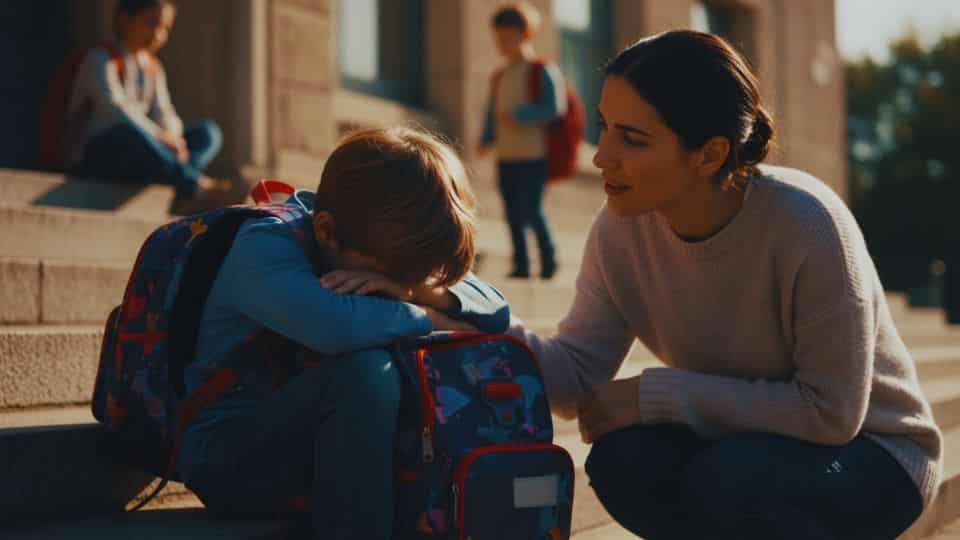
Many parents across the United States hear their child say, “I hate school,” and wonder what went wrong.
This reaction is more common than most people realize, affecting families across all grade levels and income brackets.
American schools place significant emotional, academic, and social demands on children throughout their educational experience.
Knowing why kids hate school helps parents respond with empathy rather than frustration or disappointment. This discussion offers practical insights and supportive guidance rooted in real experiences.
The goal is to recognize patterns, validate concerns, and identify actionable steps without judgment. No alarmist language, just honest, relevant information parents can trust and use.
Common Reasons Why Kids Hate School
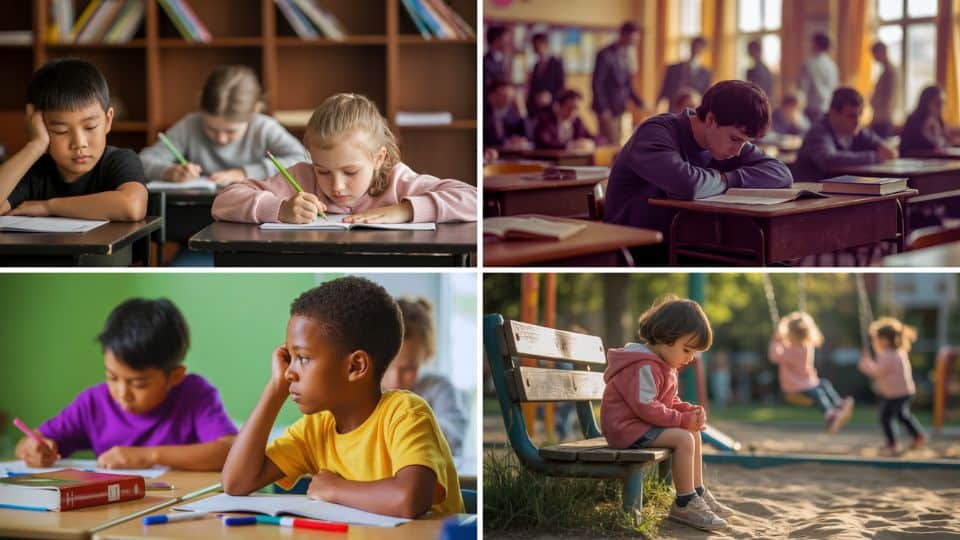
School dislikes rarely have a single cause. Academic struggles, social difficulties, teaching methods, and emotional well-being all influence how children experience their school day.
These factors often overlap and reinforce each other, creating complex situations that require thoughtful responses from parents and educators alike.
Academic Pressure and Learning Struggles
Academic challenges rank among the most common reasons children resist attending school each day.
1. Curriculum Moves Too Fast for Individual Learning Pace
When lessons progress faster than a child can absorb information, confusion and frustration build quickly.
This makes school feel overwhelming and impossible to manage successfully.
2. Undiagnosed Learning Differences Create Hidden Struggles
Children with dyslexia, ADHD, or processing issues work twice as hard for half the results.
This leads to exhaustion and feelings of inadequacy despite genuine effort.
3. Standardized Testing Causes Significant Stress
High-stakes assessments make school feel like a constant evaluation rather than learning.
Children as young as third grade express worry about test performance and consequences.
Social Challenges and Peer Issues
Social experiences profoundly shape how children view school and their willingness to participate daily.
4. Bullying and exclusion damage emotional safety
Physical or relational aggression makes school feel dangerous and unwelcoming.
Children dread attending even when academics come easily to them overall.
5. Friendship difficulties create loneliness
Changing friend groups, feeling left out during recess, or lacking close connections makes the school day feel isolating.
This happens despite being constantly surrounded by classmates.
6. Social anxiety overwhelms classroom participation
Large-group settings, mandatory presentations, and unstructured social time, such as lunch, create intense stress.
This affects children who struggle with social interactions and public speaking situations.
Teaching Styles and School Environment
The match between teaching approach and learning style matters enormously for student engagement levels.
7. One-size-fits-all instruction leaves learners disengaged
Classrooms focused primarily on lectures and worksheets fail to reach hands-on learners, visual thinkers, and students who need movement.
These students require movement to focus and process information effectively.
8. Limited choice reduces motivation and ownership
When children have no say in topics, projects, or learning methods, school feels like something done to them.
It no longer feels like a place for personal growth.
9. Rigid structures ignore individual needs
Strict routines that demand stillness and silence clash with developmental needs.
This especially affects younger children who learn best through movement, play, and active participation.
Emotional and Mental Wellbeing Factors
Emotional health directly affects a child’s school experience and ability to handle daily challenges.
10. Chronic stress depletes emotional resources
Overscheduled lives with homework, activities, and limited downtime leave children exhausted before school even begins.
This makes daily challenges feel impossible to handle effectively.
11. Anxiety manifests as physical symptoms
Stomachaches, headaches, and fatigue often stem from underlying worry about school.
Parents initially attribute these complaints to avoidance or minor illness only.
12. Poor emotional regulation causes repeated conflicts
Children who lack the skills to manage frustration, disappointment, or anger experience frequent negative interactions with peers and teachers.
This creates cycles of punishment and resentment.
These twelve factors represent the most common sources of school resistance among American children today.
Knowing these perspectives gives parents confidence to take action at home and advocate effectively with schools.
How Parents Can Respond When Kids Hate School?
When children express resistance to school, parents can take several practical steps to support them effectively.
| Area | Action Steps |
|---|---|
| Listen First | Create space for children to express their feelings honestly, without judgment or immediate attempts at problem-solving. |
| Ask Questions | Use open-ended questions about what specifically feels difficult or overwhelming at school each day. |
| Validate Feelings | Avoid dismissing concerns as overreactions or comparing children to siblings who enjoy school more easily. |
| Partner with School | Communication with teachers and school counselors provides an important outside perspective, though your child’s feelings remain valid regardless. |
| Morning Routines | Maintain consistent routines at home to reduce morning stress and create a predictable, calm start to the day. |
| Rest and Recovery | Ensure adequate sleep and limit after-school activities that leave no downtime for rest and emotional recovery. |
| Homework Approach | Consider whether homework battles damage relationships more than they support learning and adjust expectations accordingly. |
| Advocacy | Focus on what falls within parental control while advocating for necessary accommodations or changes through proper school channels. |
Sometimes, the most powerful action parents can take is validating their child’s experience while working steadily toward realistic solutions.
Now let’s hear what education and child development experts have to say about these patterns.
What Experts Say About Kids Disliking School?

Educational psychologists consistently emphasize that school resistance signals environmental mismatch rather than character flaws or laziness.
Dr. Laura Markham notes that children naturally want to learn. When children resist school, adults should investigate the obstacles blocking their innate curiosity rather than blaming the child.
Child development specialists point out that traditional school structures were designed decades ago.
These systems may not serve all learners equally well today, particularly neurodivergent children or those with different learning patterns.
Research shows student engagement increases when children feel safe, connected to caring adults, and experience success regularly.
Small adjustments in teaching approach, increased individual attention, and opportunities for choice can shift attitudes dramatically over time.
No parent should face these challenges alone, and connecting with supportive communities makes the process easier and more effective.
Encouraging Open Conversations and Community Support

Connecting with other parents facing school challenges reduces isolation and provides real, effective strategies.
School parent groups, online communities, and local networks offer practical advice and emotional validation when things feel overwhelming.
A father found relief: “I thought I was the only one dealing with morning battles until I joined a parent group. Hearing others share the same struggles helped me realize we weren’t failing.”
Your struggles are not unique, and shared experiences remind families that change is possible through collective advocacy. Watch for serious warning signs.
Sudden changes in attendance, school refusal, or physical symptoms that vanish on weekends need attention.
Emotional withdrawal, hopelessness, significant grade drops, self-harm references, aggression, or complete social isolation require immediate professional evaluation.
Pediatricians, school counselors, and child psychologists provide valuable perspectives and treatment options.
Mental health support, educational assessments, or schedule adjustments may become necessary. Trust your instincts and seek help when needed.
With support systems in place and a clearer sense of what’s happening, parents can move forward with confidence and hope.
Recognizing the First Step Forward
Disliking school does not automatically mean a child is unmotivated or difficult to manage.
In many cases, it reflects unmet needs, emotional strain, or learning environments misaligned with how individual children grow.
It also shows that when the way information is processed does not match the teaching methods. By learning why kids hate school, parents can move beyond frustration toward clarity and compassion.
Listening closely, seeking support when needed, and staying engaged with the school experience make a meaningful difference over time. Every child’s situation is unique.
Improvement often begins with open conversations, patience, and a willingness to adapt approaches that are not working effectively.
Small steps, taken consistently, help rebuild confidence and restore trust in learning.
Frequently Asked Questions
Many parents wonder if school struggles are common and which years tend to be the most challenging. These quick answers help explain what many kids experience during their school journey.
Is It Normal for a Kid to Hate School?
Yes, it is fairly common. Many kids dislike school at times due to stress, social challenges, learning differences, boredom, or a sense of being disconnected from teachers or classmates.
How Many Kids Hate School?
Research suggests that about one-third of children report disliking school at some point. Feelings often shift with age, classroom environment, emotional support, and teaching approaches.
What Is the Hardest Year of School?
Middle school, especially ages eleven to thirteen, is often considered the hardest. Academic demands increase while social pressure, emotional changes, and identity development occur simultaneously.