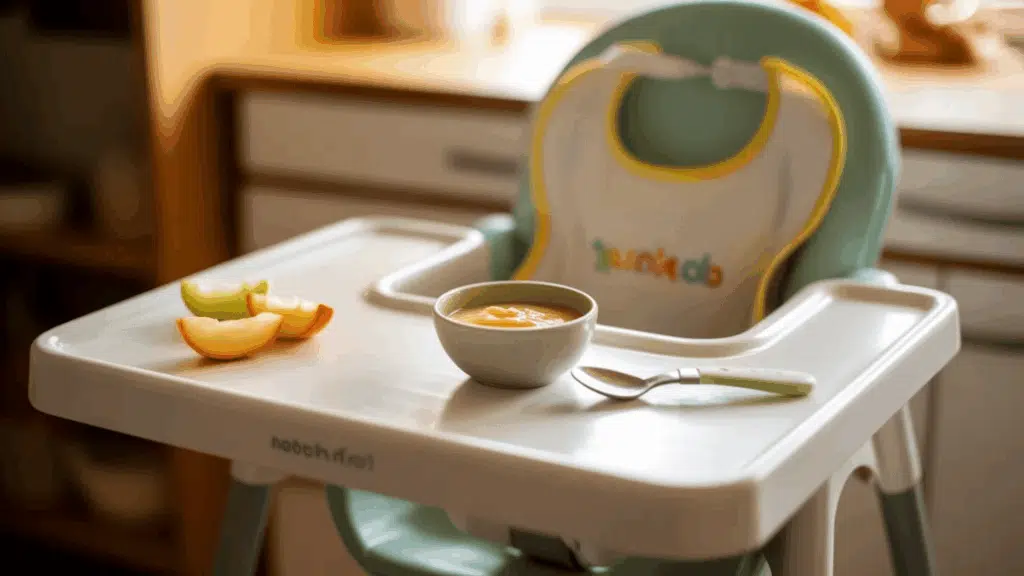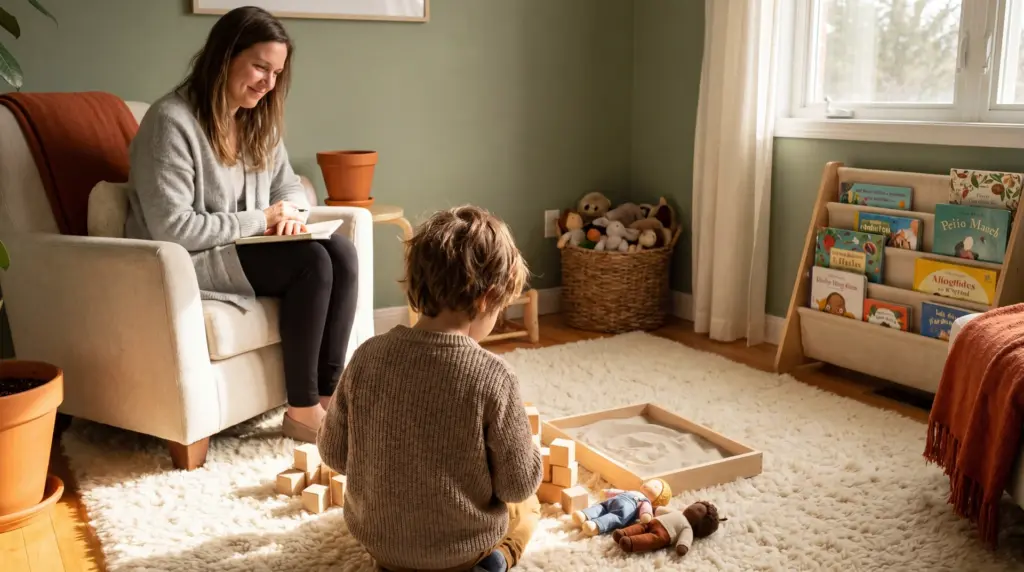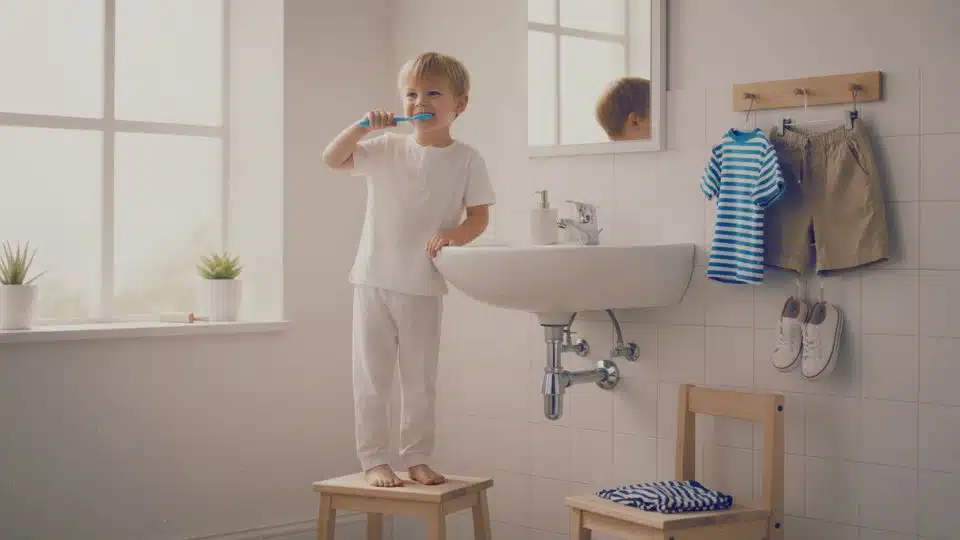
7:15 a.m. Three kids. Zero patience left.
Sound familiar? The missing socks. The cold cereal nobody touched. The “I can’t find my backpack!” screamed from upstairs while you’re already running ten minutes behind.
Every parent knows this feeling. You start the day already exhausted. And school hasn’t even started yet.
Here’s the good news. It doesn’t have to be this hard.
A solid morning routine for kids can turn that daily chaos into something manageable. Maybe even peaceful.
Research from the National Institutes of Health confirms that consistent routines reduce stress and improve emotional regulation in children.
This guide gives you everything you need. You’ll get step-by-step instructions, real schedule examples, and tips that actually work. No fluff. No generic advice. Just practical strategies you can start using tomorrow morning.
Let’s fix your mornings.
How to Create a Morning Routine for Kids?
Building a morning routine for kids takes some planning upfront. But the payoff? Huge. Less yelling. Less stress. More time for what matters.
Here’s how to set one up that sticks.
1. Work Backward from Your Departure Time
Start with when you need to leave. Then count backward. If you’re out the door at 8:00 a.m., and your routine takes 75 minutes, wake-up is 6:45 a.m.
Simple math. But most families skip this step.
2. Prep the Night Before
This one tip alone can save you 15-20 minutes every morning.
- Lay out clothes (including socks and shoes)
- Pack backpacks with homework and library books
- Set out breakfast items on the counter
- Prepare lunch components in the fridge
The American Academy of Pediatrics recommends reducing morning decisions to help children feel less overwhelmed.
3. Use Visual Checklists
Kids respond better to pictures than verbal reminders. Post a simple chart showing each task in order. Younger children need picture-based charts. Older kids can handle written lists.
This reduces the constant “Did you brush your teeth?” questions.
4. Build in Buffer Time
Add 10-15 extra minutes to your schedule. Every time.
Spilled milk happens. Wardrobe meltdowns happen. That buffer is your safety net. Without it, one small delay throws off your entire morning.
5. Match the Routine to Your Child’s Age
A 4-year-old needs hands-on help. A 10-year-old can handle independence. Don’t expect the same routine to work for both.
Adjust tasks based on what your child can realistically do alone.
Morning Routines: Essential Healthy Habits for Kids

Good habits in the morning set kids up for a better day at school. These aren’t complicated. But they make a real difference.
| Habit | Why It Matters | How to Do It |
|---|---|---|
| Drink Water First | Kids wake up dehydrated. Water boosts brain function and energy. | One full glass before any other drink. |
| Quick Movement | 5 minutes of stretching or jumping jacks wakes up the body and mind. | Try reaching for the ceiling or a mini dance party. |
| Nutritious Breakfast | High-protein meals improve focus and test scores. | Eggs, yogurt, peanut butter toast, or oatmeal work great. |
| Calm Connection | A few quiet minutes together reduces morning anxiety. | Try 3 minutes of reading, deep breaths, or simple conversation. |
Here’s something most parents miss. Kids who eat protein at breakfast stay focused longer than kids who eat sugary cereal. The fiber and nutrients keep blood sugar stable through the morning.
Skip the donuts. Grab the eggs.
Sample Morning Routine Schedules That Actually Work
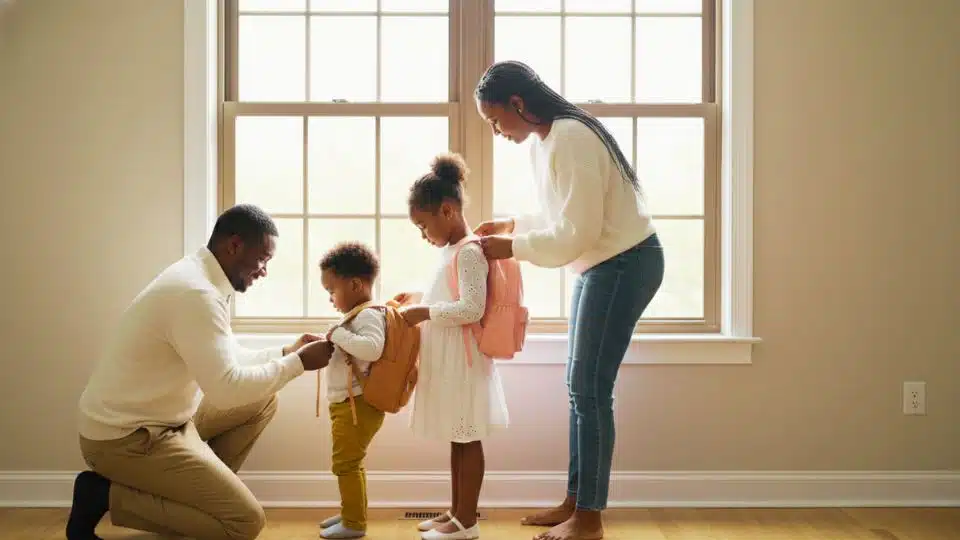
Theory is great. But you need real examples. Here are three schedules you can adapt based on your family’s departure time.
Schedule 1: Easy-Paced Routine (Depart at 8:00 AM)
This works well for younger kids who need more time and hands-on support.
6:45 AM — Wake Up: Open curtains for natural light. Use the bathroom. Drink a full glass of water.
Pro Tip: Gentle wake-ups work better than jarring alarms. Try soft music or gradually increasing light.
7:00 AM — Get Dressed: Use clothes laid out the night before. Make the bed with help if needed.
7:15 AM — Eat Breakfast Together: Family breakfast time. Discuss plans for the day. Keep screens off.
Pro Tip: Even 10 minutes of face-to-face connection reduces morning anxiety.
7:30 AM — Personal Hygiene: Brush teeth for two full minutes. Wash face. Comb hair.
7:45 AM — Final Check: Backpack ready? Shoes on? Jacket grabbed? Run through the checklist by the door.
8:00 AM — Out the Door: Leave calm and prepared. No rushing.
Schedule 2: Faster-Paced Routine (Depart at 7:30 AM)
Best for older kids who can handle more independence.
6:30 AM — Wake and Dress: Alarm goes off. Get up, use the bathroom, get dressed. No parent assistance needed.
6:45 AM — Breakfast: Prepare and eat independently. Healthy grab-and-go options work here too.
7:00 AM — Hygiene and Pack Up: Brush teeth. Gather belongings. Pack lunch if not done the night before.
7:15 AM — Free Time: All tasks done early? Reward with reading, drawing, or quiet play.
7:30 AM — Leave for School: Out the door on time. Responsibility learned.
Schedule 3: Early Bird Routine (Depart at 7:00 AM)
For families with tight timelines or early work schedules.
6:15 AM — Wake Up Early: Same routine elements. Shorter time blocks.
6:30 AM — Combined Dress and Eat: Grab-and-go breakfast: yogurt parfaits, protein bars, smoothies, or fruit with peanut butter.
6:45 AM — Quick Hygiene and Final Checks: Prioritize essentials. Stay consistent even when rushed.
7:00 AM — Early Departure: Proof that routines work even under pressure.
Tips to Help Your School Morning Routine Work Well

Even well-planned morning routines for kids need ongoing strategies to maintain consistency and handle challenges that arise during busy school years.
These parent-tested tips keep families on track while building cooperation, independence, and positive attitudes about morning responsibilities and daily tasks.
1. Use Timers and Alarms for Transitions: Set phone timers or visual countdown clocks for each morning segment, helping kids understand how much time remains for tasks and eliminating constant nagging from parents.
2. Positive Reinforcement Instead of Pressure: Praise specific behaviors like “You got dressed so quickly today!” and use reward systems with stickers or privileges to motivate children without battles.
3. Create a Launchpad Near the Door: Designate one specific area where backpacks, shoes, jackets, and lunch boxes live, preventing frantic last-minute searches and teaching organizational skills through daily practice.
4. Keep Screens Off Until Tasks Are Done: Televisions, tablets, and phones remain off-limits until children complete their entire morning routine, using technology as an incentive rather than a distraction from responsibilities.
5. Adjust Routine Gradually Rather Than Overnight: Major changes should happen slowly, introducing one new element at a time over several weeks rather than overhauling everything simultaneously for better adaptation.
These practical strategies ensure your kids’ morning routine stays functional, positive, and sustainable throughout the school year and beyond.
What to Do When Kids Resist the Morning Routine
Let’s be honest. Not every morning will go smoothly. Kids push back. Here’s how to handle it.
If Your Child Refuses to Get Up:
Try a gentler alarm. Some kids respond better to music or light-based alarms than loud beeping. Also check their bedtime. A child who won’t wake up is often a child who went to bed too late.
If Getting Dressed Becomes a Battle:
Let them choose outfits the night before. When kids have input, power struggles decrease. Use day-of-the-week garment bags to eliminate morning decisions entirely.
If Breakfast Gets Skipped:
Offer two or three simple options. Keep healthy grab-and-go choices available. Something is better than nothing.
If Nothing Seems to Work:
Step back and reassess. Is the routine age-appropriate? Is your child getting enough sleep? Sometimes the issue isn’t the morning, it’s what happened the night before.
Conclusion
A thoughtfully created morning routine for kids sets the tone for the day and supports emotional well-being, focus, and timely departures.
By combining consistent steps, real-life habits like drinking water and eating breakfast, and parent-tested strategies, you turn rushed mornings into calm starts.
Remember, routines grow with your child, and what works one year may need tweaking the next. That’s perfectly okay.
Use examples and tips in this guide, make gradual changes, and stay flexible as your family’s needs evolve. With patience and consistency, mornings can become your family’s strongest part of the day.
Start implementing one or two elements this week and try these expert-backed strategies for 30 days to see real results.
Frequently Asked Questions
How Long Should a Morning Routine Take?
A typical school-day morning routine takes about 45-60 minutes, varying with age, with younger children needing more time and older ones working quickly.
Should Routines Differ Between Weekdays and Weekends?
Yes, weekend routines can be looser with later wake times, but keeping some structure helps maintain sleep cycles and reduces Monday struggles.
How Do I Motivate a Reluctant Child?
Offer small incentives, use visual checklists, involve kids in planning their routines, and praise effort consistently rather than demanding perfection.