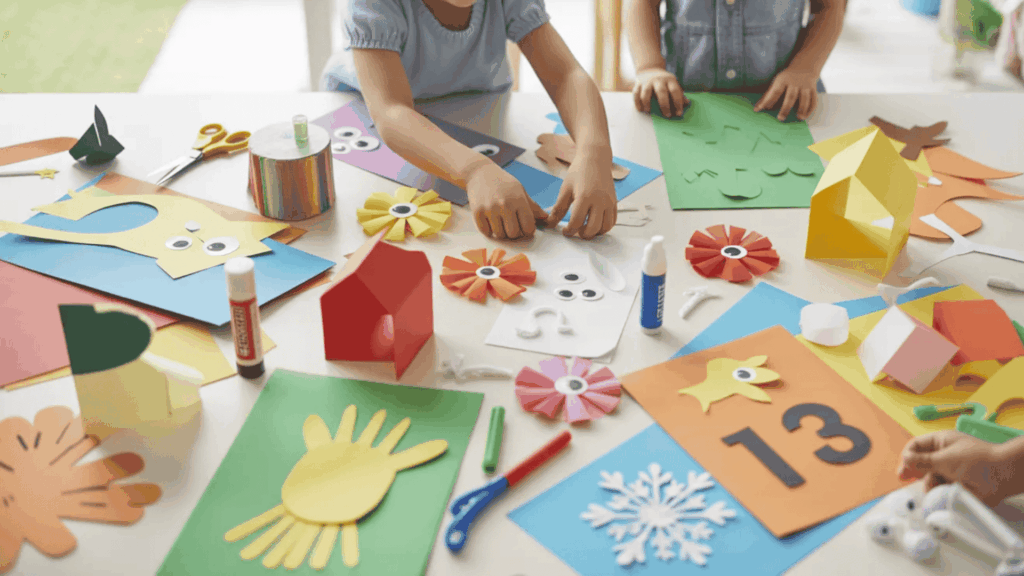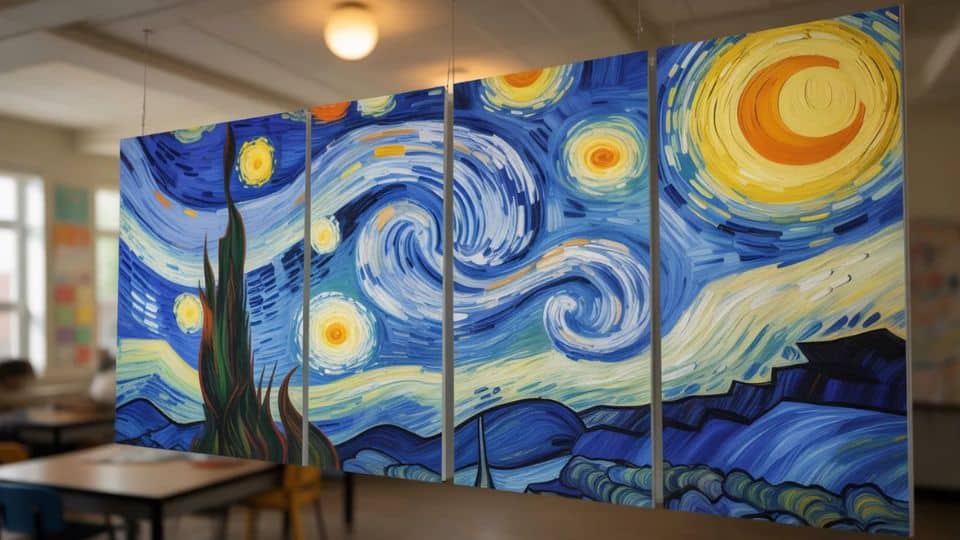
Visualise a classroom where every brushstroke builds a bridge, and every color choice fosters a deeper sense of community.
Collaborative art projects allow classrooms to turn creativity into shared experiences, with every student contributing.
These activities foster communication, cooperation, and problem-solving while enabling visual expression.
From murals and mixed media displays to subject-based visual projects, collaborative art can be adapted for different grade levels and learning styles.
This listicle brings together practical and engaging collaborative art project ideas that educators can confidently implement in classrooms, art rooms, and school-wide learning spaces.
Teachers often look for creative ways to build community and enhance student engagement through shared artistic classroom experiences.
Collaborative Art Projects for Classroom and School Settings
Having the right tools is the first step toward turning a simple classroom lesson into a wonderful showcase of teamwork.
Essential Art Supplies
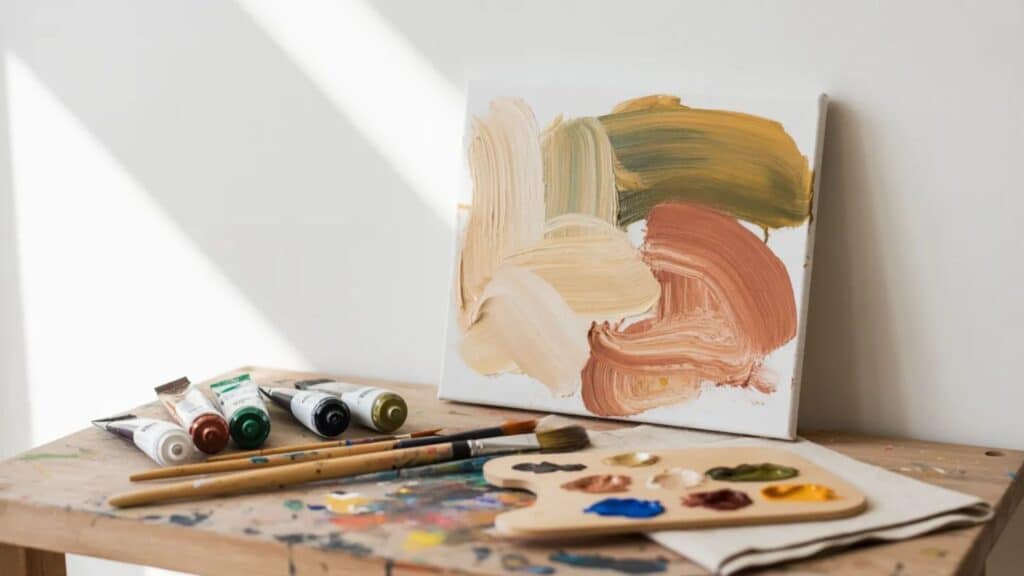
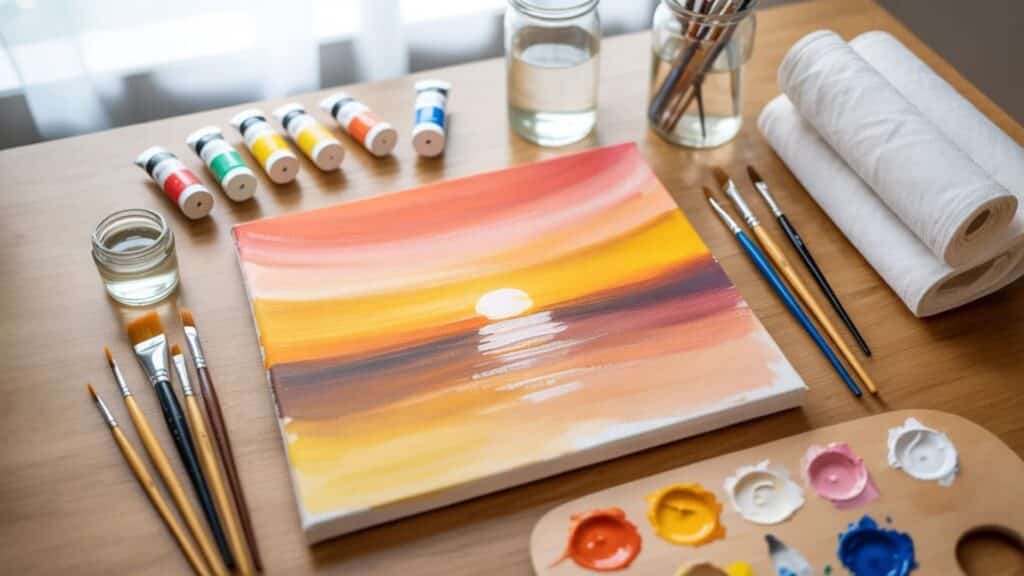
Organizing your materials in a clear table helps you manage your classroom budget while ensuring every creative need is met.
| Supply Category | Primary Materials Included | |
| Base Foundations | Butcher paper rolls, heavy cardboard, canvases | |
| Wet Media Supplies | Washable tempera, acrylics, watercolor palettes | |
| Drawing and Detail | Permanent markers, oil pastels, colored pencils | |
| Adhesives and Binding | Masking tape, hot glue, liquid school glue | |
| Recycled and Found | Bottle caps, fabric scraps, old magazines | |
| Application Tools | Brush sizes, sponges, rollers, stamps |
Properly preparing your art cart will help streamline the transition from a traditional lesson to a creative group session.
Group art activities empower students to share their unique perspectives as they work toward a beautiful, unified final product.
1. Classroom Mural with a Shared Theme
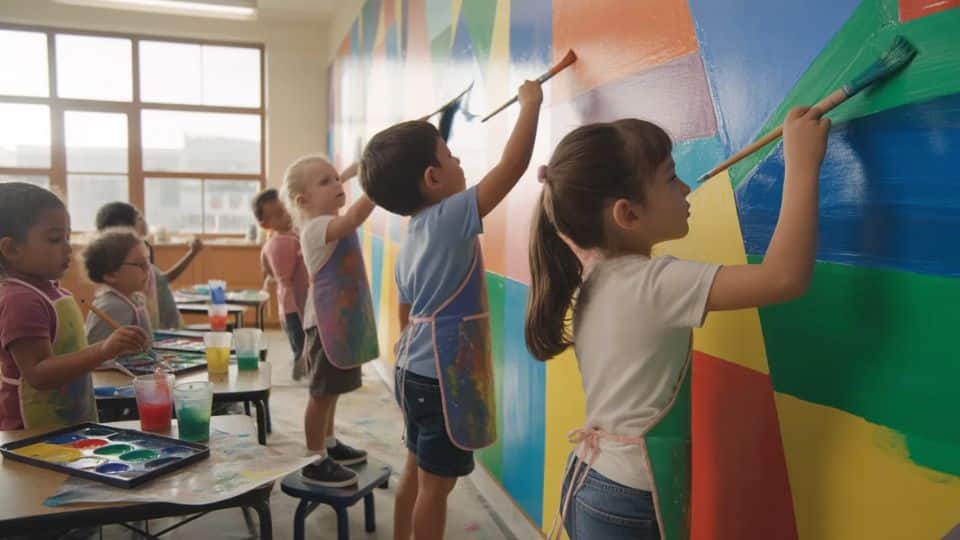
Students collaborate on a large-scale mural centered on a shared theme such as kindness, seasons, or community. Each student designs a section using agreed-upon colors or symbols.
This project builds teamwork, planning skills, and visual storytelling while creating a lasting classroom or hallway display.
Best for: Grades K–12
2. Collaborative Identity Portrait Wall
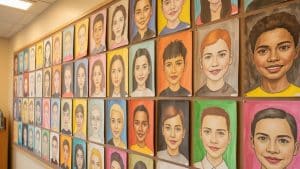
Each student creates a portrait that reflects their personality, interests, or background. When displayed together, the portraits form a collective identity wall.
This project supports self-expression, inclusion, and classroom belonging while encouraging students to recognize both individuality and shared community values.
Best for: Grades 2–12
3. Group Collage Using Recycled Materials
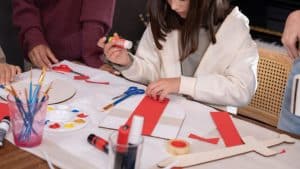
Students work in groups to design collages using recycled materials such as magazines, cardboard, and fabric scraps.
The project promotes sustainability, creativity, and problem-solving while encouraging thoughtful material choices and shared composition decisions within a collaborative art setting.
Best for: Grades K–8
4. School Community Values Canvas
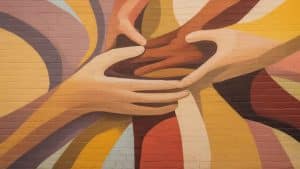
The class identifies core values such as respect, responsibility, and kindness. Each student visually represents one value on a shared canvas.
This collaborative art project blends creativity with character education, resulting in a meaningful display that reinforces a positive classroom culture.
Best for: Grades K–12
5. Storytelling Art Panels Created in Teams
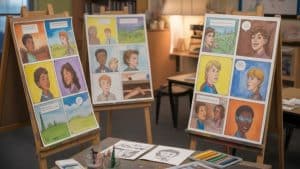
Small groups illustrate different scenes from a story, book, or original narrative. When assembled, the panels form a complete visual sequence.
This project strengthens literacy skills, comprehension, collaboration, and creative interpretation through shared storytelling and visual expression.
Best for: Grades 1–8
6. Seasonal Classroom Door Art Project
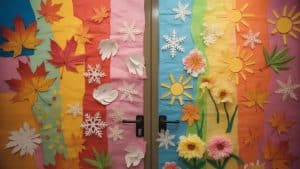
Students collaborate to design classroom door decorations based on seasons, holidays, or academic themes. Each student contributes a visual element tied to the chosen concept.
This project builds classroom pride while encouraging teamwork, planning, and creative participation.
Best for: Grades K–6
7. Cultural Heritage Quilt Squares
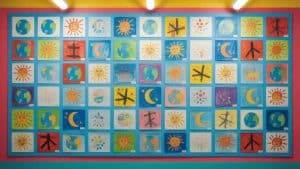
Each student designs a paper or fabric square representing cultural traditions, family history, or personal identity. The squares are assembled into a unified quilt display.
This project promotes cultural awareness, inclusion, and meaningful conversations through collaborative visual storytelling.
Best for: Grades 3–12
8. Nature-Inspired Group Painting
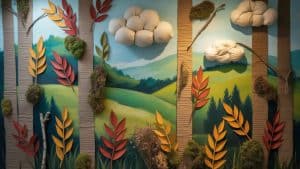
Students observe natural elements such as leaves, flowers, or landscapes and contribute individual sections to a shared painting.
This project connects art with science and outdoor learning while strengthening observation skills, texture exploration, and collaborative composition.
Best for: Grades K–8
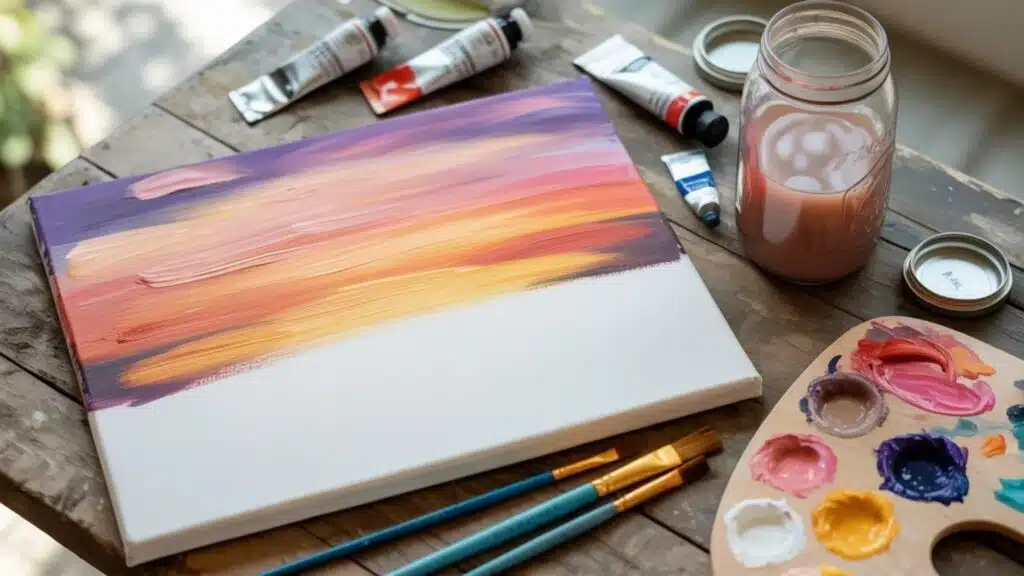
9. Abstract Emotion Expression Canvas
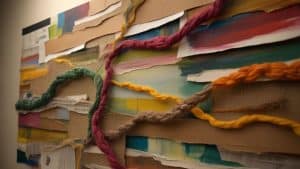
Students explore emotions such as joy, anger, and calm through color, shape, and line. Each section contributes to a shared abstract artwork.
This project supports emotional awareness, creative risk-taking, and social-emotional learning through collaborative artistic expression.
Best for: Grades 2–12
10. Collaborative Chalk Art Installation
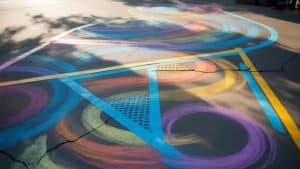
Using sidewalk chalk, students create a temporary outdoor artwork that connects across shared space. Groups plan designs that flow together visually.
This project encourages teamwork, spatial awareness, and large-scale creativity while offering a fun and flexible art experience.
Best for: Grades K–12
11. Classroom Timeline Visual Art
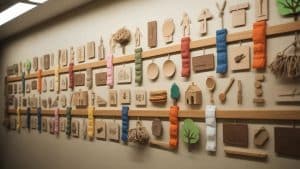
Students illustrate key moments from history, literature, or the school year and arrange them in chronological order. Each contribution becomes part of a complete visual timeline.
This project supports sequencing, comprehension, and visual learning through collaboration.
Best for: Grades 2–8
12. Science Concepts Illustrated Through Art
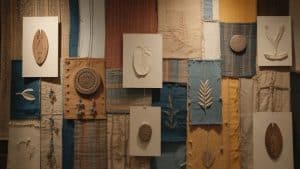
Students visually represent science topics such as ecosystems, the water cycle, or space exploration. Individual pieces combine into one cohesive diagram or display.
This project strengthens content knowledge by blending scientific learning with collaborative artistic interpretation.
Best for: Grades 3–12
13. Black History Month Collaborative Artwork
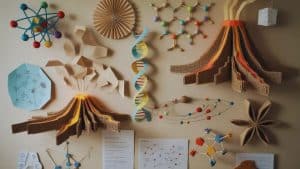
Students research influential Black figures and create visual representations of their achievements. When displayed together, the artwork forms a unified educational exhibit.
This project supports historical understanding, respectful representation, and collaborative learning across subject areas.
Best for: Grades K–12
14. Collaborative Zentangle Wall Display
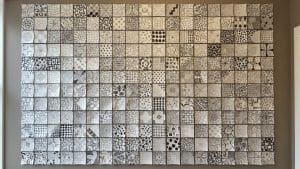
Each student designs a section filled with repeating patterns and structured designs. When assembled, the sections form a detailed wall display.
This project encourages focus, creativity, and pattern recognition while promoting calm, mindful artistic collaboration.
Best for: Grades 3–12
15. Typography and Inspirational Quote Art
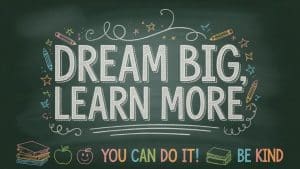
Students design letter-based artwork using positive words or short quotes. Combined, the pieces create a motivational message wall.
This project blends visual design with language arts, encouraging thoughtful word choice and creative expression.
Best for: Grades 4–12
16. Math Patterns Mosaic Project
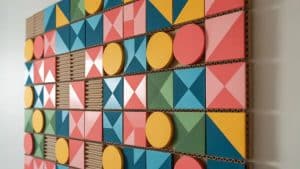
Students explore math concepts such as symmetry, fractions, and repetition through mosaic-style artwork. Each piece contributes to a larger pattern display.
This project reinforces mathematical thinking while helping students visualize abstract concepts creatively.
Best for: Grades 2–8
17. School Spirit Banner Creation
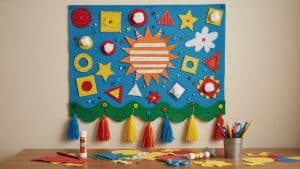
Students collaborate on banners representing school pride, mascots, or shared values. Each group designs a section that connects to the overall theme.
This project builds school community, teamwork, and visual communication skills through shared creative effort.
Best for: Grades K–12
18. Collaborative Landscape Panorama
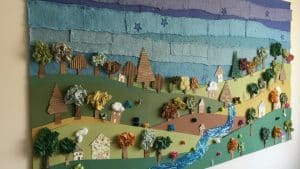
Each student illustrates a portion of a shared landscape, such as a city, countryside, or ocean scene. When aligned together, the artwork forms a continuous panorama.
This project teaches perspective, continuity, and collaborative planning.
Best for: Grades 2–8
19. Mixed Media Texture Exploration Wall
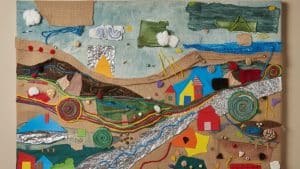
Students experiment with textures using paint, paper, fabric, and found materials. Individual pieces highlight different tactile elements and are displayed together as one wall.
This project supports sensory exploration and creative problem-solving.
Best for: Grades K–6
20. Environmental Awareness Art Installation
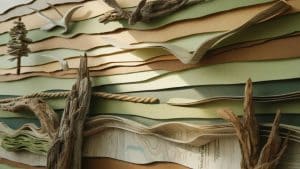
Students create artwork focused on environmental topics such as conservation, pollution, or climate responsibility. Individual pieces combine into an impactful installation.
This project encourages critical thinking, visual advocacy, and collaborative discussion through art.
Best for: Grades 4–12
21. Community Helpers Illustration Project
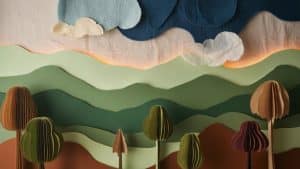
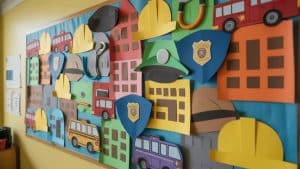
Students illustrate roles such as firefighters, teachers, nurses, and other community helpers. Displayed together, the artwork highlights how different roles support society.
This project builds social awareness and appreciation through collaborative visual storytelling.
Best for: Grades K–4
22. Paper Sculpture Group Construction
Groups design and build three-dimensional sculptures from paper and cardboard. Each student contributes structural elements to the final form.
This project develops spatial reasoning, teamwork, and creative problem-solving through hands-on collaboration.
Best for: Grades 3–8
23. Collaborative Mandala Design
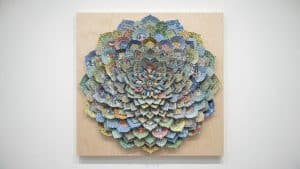
Students design repeating patterns radiating from a common center. Each student completes a section in accordance with agreed design rules.
This project promotes balance, focus, and unity while encouraging cultural appreciation and creative discipline.
Best for: Grades 4–12
24. Historical Events Visual Storyboard
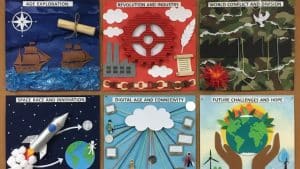
Students illustrate key moments from a historical event and arrange them sequentially. Each panel contributes to a complete visual narrative.
This project strengthens comprehension, sequencing, and historical understanding through collaborative storytelling.
Best for: Grades 4–10
25. Art and Music Rhythm Painting
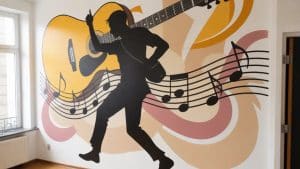
Students paint in response to music rhythm, tempo, or mood. Individual artworks are combined into a collective display.
This project blends music and visual arts while encouraging emotional expression and creative interpretation through collaboration.
Best for: Grades K–8
26. World Landmarks Collaborative Map
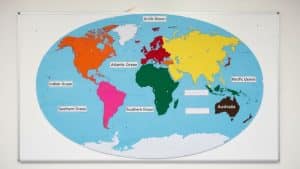
Students research landmarks from different regions and create illustrations placed on a shared map. Together, the artwork forms a visual geography display.
This project supports cultural awareness, research skills, and collaborative learning.
Best for: Grades 3–10.
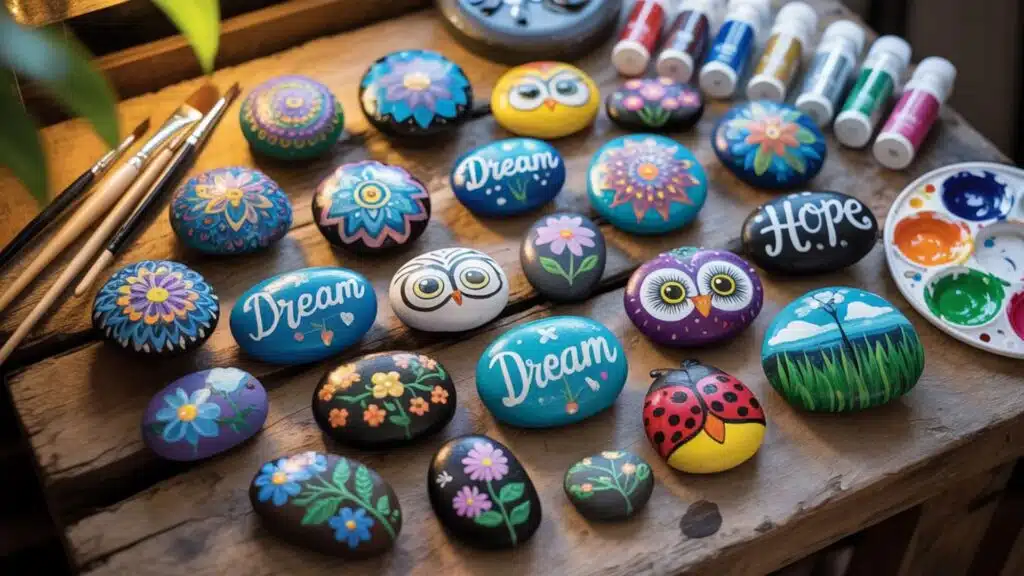
27. Positive Affirmations Art Wall
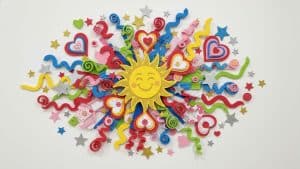
Students create artwork featuring positive affirmations, encouraging words, or uplifting imagery. Displayed together, the pieces form a supportive visual environment.
This project promotes emotional well-being, confidence, and positive classroom culture.
Best for: Grades K–12.
28. Collaborative Comic Strip Display
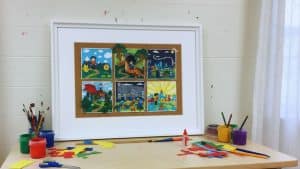
Groups design connected comic panels that tell a single story. Each student contributes characters, dialogue, or scenes.
This project supports narrative development, sequencing, and visual communication through creative collaboration.
Best for:Grades 2–8.
29. Social Justice Awareness Art Panels
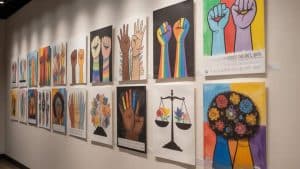
Students create artwork addressing themes of fairness, inclusion, and empathy. Individual panels are displayed together to spark discussion.
This project encourages critical thinking, respectful dialogue, and social awareness through visual expression.
Best for: Grades 6–12.
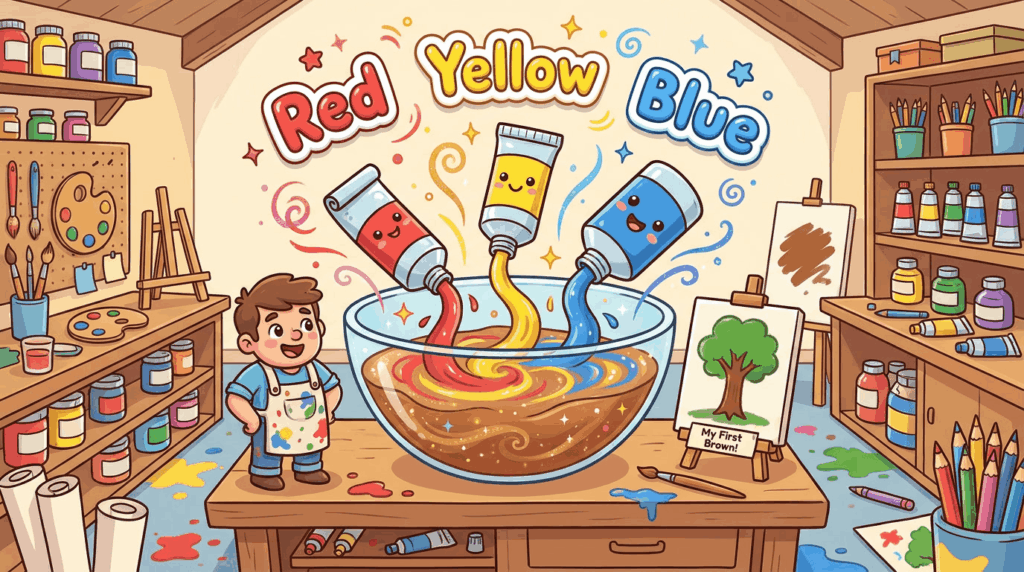
30. Color Theory Exploration Canvas
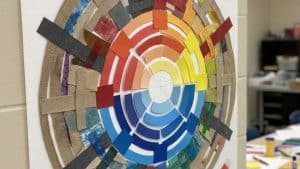
Students focus on color relationships such as contrast, harmony, or complementary colors. Individual sections combine into a shared canvas.
This project teaches foundational art principles while encouraging experimentation and visual analysis.
Best for: Grades 3–10.
31. Classroom Goals Vision Board
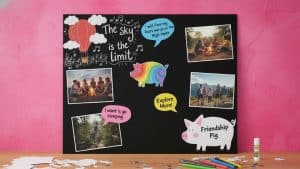
Students illustrate personal and shared classroom goals using images and symbols. When combined, the artwork represents collective aspirations.
This project encourages reflection, motivation, and collaboration while supporting social-emotional development.
Best for: Grades K–12.
32. Collaborative Still Life Interpretations
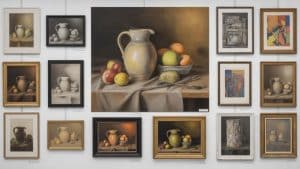
Students observe the same still-life arrangement and create their own interpretations. Displayed together, the artwork highlights different perspectives and techniques.
This project strengthens observation skills and appreciation for artistic diversity.
Best for: Grades 4–12.
33. Word and Image Poetry Wall
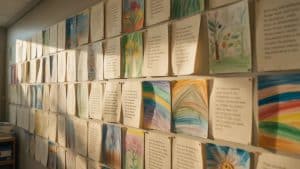
Students pair short poems, phrases, or descriptive language with illustrations. The pieces are displayed together as a poetry wall.
This project blends literacy and visual art while encouraging expressive thinking and creativity.
Best for: Grades 3–12.
34. School Garden Art Sign Project
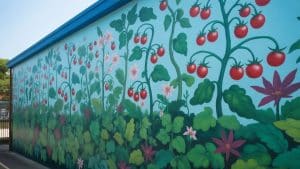
Students design decorative signs or markers for school gardens or outdoor spaces. Each sign reflects creativity while serving a functional purpose.
This project connects art with environmental responsibility and outdoor learning.
Best for: Grades K–8.
35. End-of-Year Classroom Memory Mural
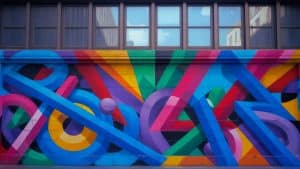
Students illustrate meaningful moments from the school year and combine them into a shared mural.
This project supports reflection, closure, and celebration while strengthening classroom connections through collaborative creativity.
Best for: Grades K–12
Effective planning and clear communication are the most important factors when organizing a successful group art project.
How Teachers Can Successfully Implement Art Projects?
Successful classroom art requires a balance of creative freedom and structured management to ensure every student feels included.
- Group Organization: Pair students with diverse skill sets to encourage peer mentoring and ensure that every group has a balanced dynamic.
- Material Planning:-Organize all necessary supplies into individual bins for each table to minimize transitions and keep the focus on creating.
- Classroom Management: Establish clear expectations for noise levels and cleanup roles before starting the project to maintain a productive, respectful environment.
- Inclusivity and Access:-Provide adaptive tools and varied roles so that students of all physical and cognitive abilities can contribute meaningfully here.
- Assessment Strategies:-Grade students on their ability to collaborate and solve problems rather than focusing solely on the final artistic output.
- Curricular Connections:-Align themes with state standards in history or science to reinforce classroom learning objectives through a hands-on visual medium.
Shared creative experiences leave a lasting impact on student development and help foster a more vibrant school culture.
Conclusion
Collaborative art projects provide educators with a powerful way to build creativity, teamwork, and meaningful classroom connections.
When students work together on shared artwork, they practice communication, respect different perspectives, and develop confidence in their creative abilities.
These projects also support cross-curricular learning by blending art with subjects such as history, science, language arts, and social studies.
The ideas outlined above are adaptable, inclusive, and designed to work across various grade levels and classroom settings.
By integrating collaborative art into daily instruction, teachers can create engaging learning experiences that strengthen both artistic skills and classroom community.
Join our educator community today to share your students’ latest masterpieces and discover more creative lesson plans.